
 By
By 
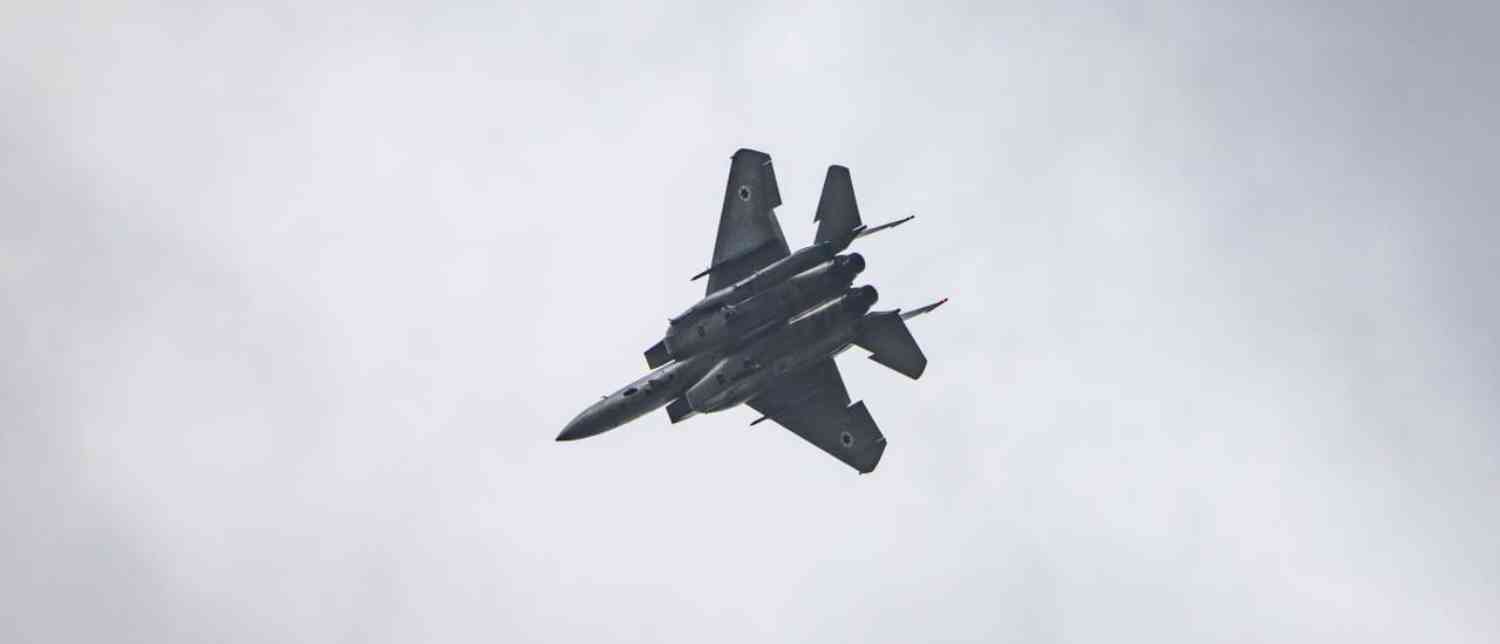
In a dramatic escalation of the ongoing Middle East conflict, Iran has shot down multiple United States military aircraft—including an F-15E Strike Eagle and an A-10 Warthog—marking the first time in over 20 years that American combat jets have been lost to enemy fire. The incidents have triggered a high-stakes rescue operation, exposed vulnerabilities in US air dominance claims, and intensified geopolitical tensions already spiraling across the region.
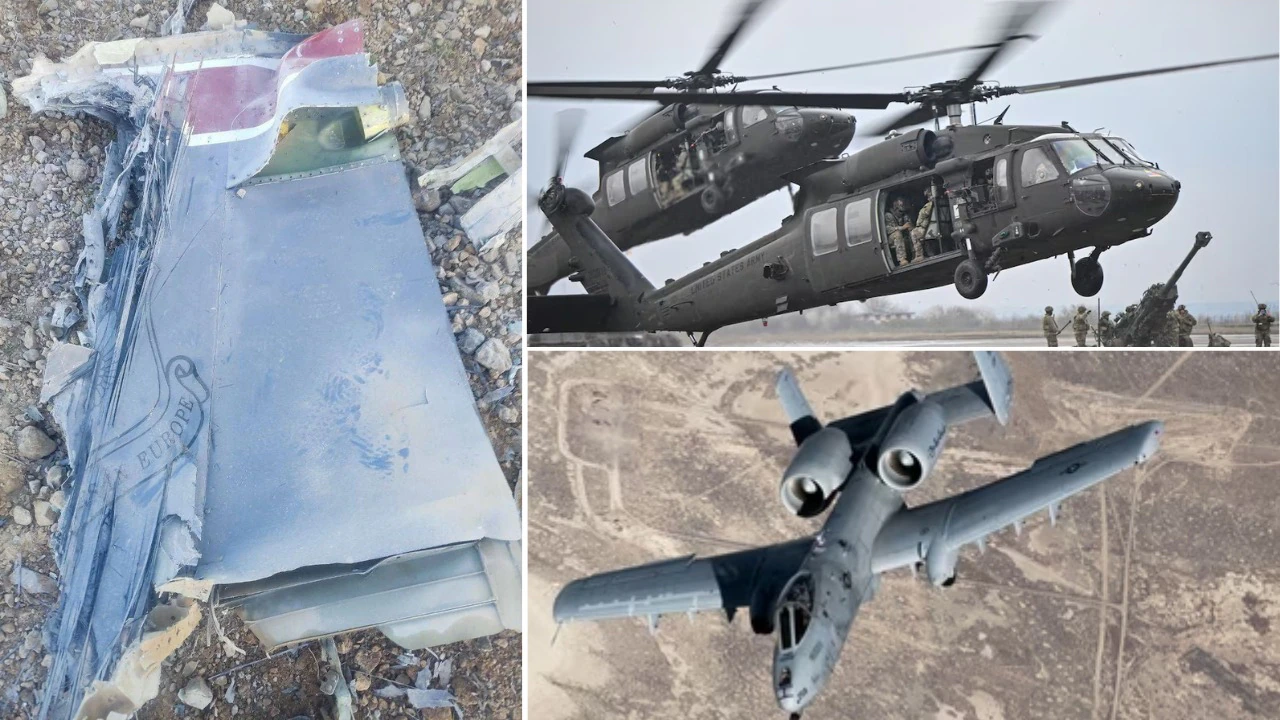
According to multiple reports, the most significant incident unfolded when a US F-15E fighter jet was brought down over Iranian territory during active combat operations. The aircraft, a two-seater strike fighter, went down after one of its crew members ejected over southwest Iran. One crew member has since been rescued by US forces, while the second remains missing, prompting an urgent and ongoing search-and-rescue mission deep inside hostile territory.
The downing of the F-15E represents a watershed moment. Until now, US Central Command had repeatedly dismissed claims that any American fighter aircraft had been shot down during the current campaign, which began in late February under the broader operation widely referred to as “Operation Epic Fury.” However, the latest developments have shattered that narrative.
A Complex Rescue Operation Under Fire
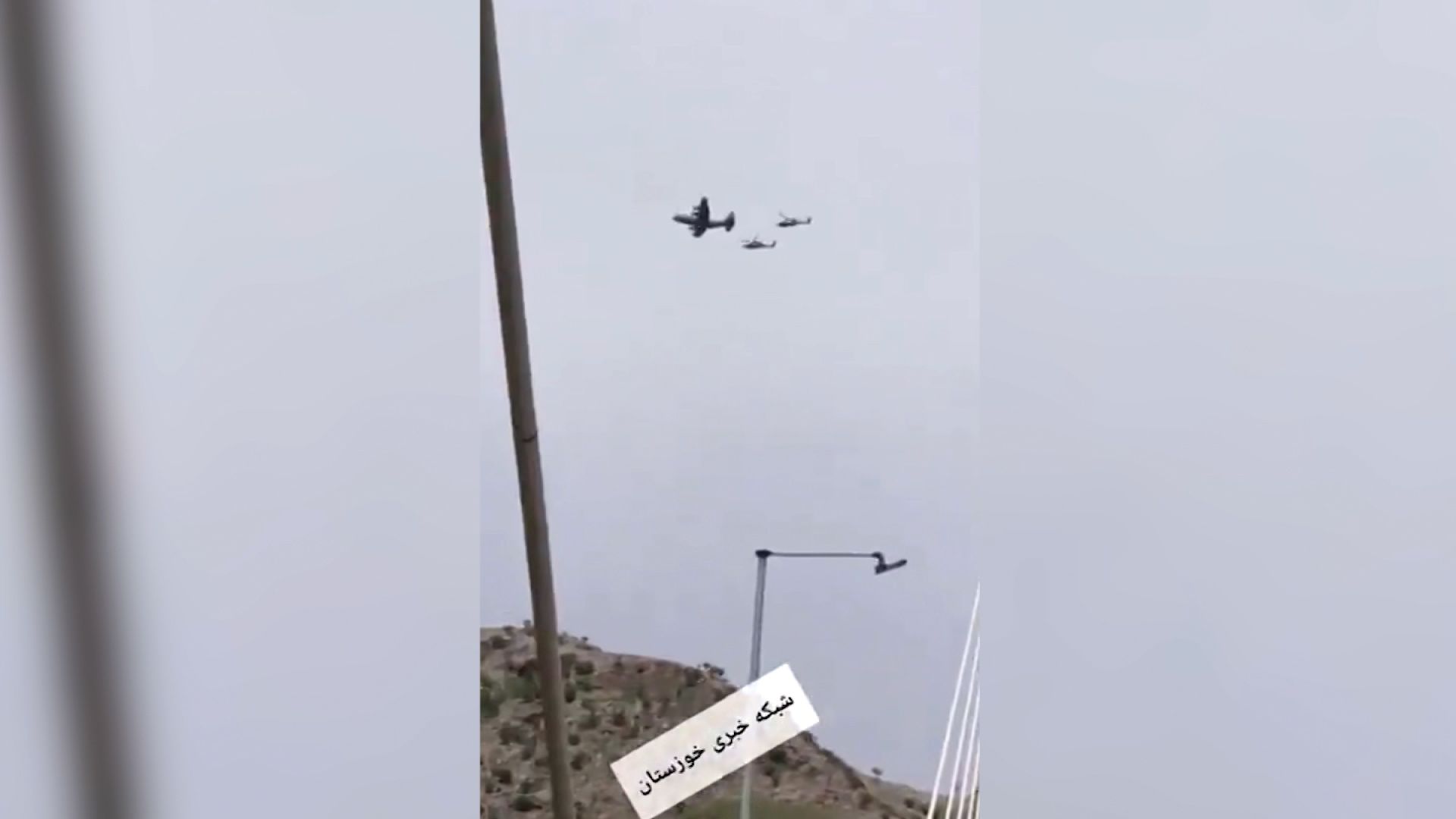
The rescue effort itself has proven perilous. US forces deployed multiple aircraft—including Black Hawk helicopters and support platforms—to retrieve the downed crew. During the operation, at least two rescue helicopters were struck by Iranian fire but managed to exit Iranian airspace with injured personnel.
Simultaneously, another US aircraft—the A-10 Warthog, known for its close air support capabilities—was also lost in a related incident. The pilot of the A-10 managed to eject safely and was recovered after the aircraft went down, reportedly outside Iranian territory, possibly in or near Kuwait.
The overlapping incidents underscore the increasingly contested nature of the airspace over Iran and surrounding regions, where even heavily armored and battle-tested aircraft are proving vulnerable.
How Iran Brought Down Advanced US Aircraft
Preliminary assessments suggest that Iran used ground-based air defense systems—possibly including shoulder-fired missiles known as MANPADS—to target US aircraft. These portable systems, while relatively low-cost, are notoriously difficult to detect and neutralize, especially in dynamic combat environments.
Experts note that such systems can pose a serious threat even to advanced jets like the F-15E, particularly during low-altitude operations or rescue missions when aircraft are more exposed. The fact that multiple aircraft—including helicopters—were hit during a single rescue attempt highlights the layered and persistent nature of Iran’s air defense network.
First Combat Losses in Over Two Decades
The shootdowns are historically significant. The last time US fighter jets were lost in combat to enemy fire dates back more than two decades, during the Iraq War. The current incidents therefore represent a major shift in the risk profile facing US forces in the region.
While the United States has lost drones and suffered aircraft damage earlier in the conflict, the confirmed destruction of manned combat aircraft marks a new and more dangerous phase.
Trump Briefed as Questions Mount
US President Donald Trump has been briefed on the incidents, according to White House officials. The developments come just days after he publicly asserted that the United States had achieved air superiority over Iran—a claim now being questioned by military analysts and critics alike.
The contradiction between official rhetoric and battlefield realities has fueled political pressure on the administration. Critics argue that the losses reveal gaps in intelligence and overconfidence in the effectiveness of US air campaigns.
Despite the setbacks, US officials have maintained that broader military objectives remain on track, emphasizing continued strikes on Iranian infrastructure and military assets.
A Region on Edge
The incidents are unfolding against the backdrop of a rapidly expanding conflict that has already resulted in significant casualties and widespread destruction. At least 13 US service members have been killed and hundreds wounded since the fighting began, while thousands more have died across the region.
The conflict has also disrupted global energy markets, triggered security alerts at US embassies, and heightened fears of a wider regional war involving multiple state and non-state actors.
Iran, for its part, has portrayed the downing of US aircraft as a symbolic victory. Reports indicate that Iranian authorities have even encouraged civilians to help locate the missing American crew member, raising concerns about the pilot’s safety and the potential for capture.
Strategic Implications
Beyond the immediate tactical losses, the incidents carry broader strategic implications. They challenge long-held assumptions about US air superiority and highlight the evolving capabilities of adversaries employing asymmetric tactics.
The vulnerability of rescue operations—traditionally considered a strength of US military doctrine—has also come into focus. The fact that multiple aircraft were hit during a single mission suggests that even recovery efforts are now high-risk undertakings in contested environments.
Moreover, the shootdowns may influence future operational decisions, including flight altitudes, mission planning, and the deployment of additional protective measures for both combat and support aircraft.
The Search Continues
As of now, the fate of the missing F-15E crew member remains uncertain. US forces continue to conduct search operations, racing against time and the possibility that Iranian forces could locate the pilot first.
The outcome of that search could have significant ramifications—not only for the individuals involved but for the broader trajectory of the conflict.
What is clear, however, is that the downing of US warplanes over Iran marks a turning point. It signals a shift from a largely one-sided aerial campaign to a more contested and unpredictable battlefield—one where the risks are rising, the stakes are higher, and the margin for error is rapidly shrinking.
With inputs from agencies
Image Source: Multiple agencies
© Copyright 2025. All Rights Reserved. Powered by Vygr Media.