 By
By 
The conflict between the United States and Iran has entered another dangerous phase after Washington launched fresh strikes against Iranian targets, prompting President Donald Trump to issue an unusually stark warning that Tehran would face an even more severe military response if it retaliated.
The latest escalation has pushed an already prolonged conflict closer to a broader regional confrontation. The Strait of Hormuz, one of the world's most important energy chokepoints, remains at the centre of the crisis, while Iran's growing diplomatic and economic ties with China and Russia are complicating Washington's efforts to isolate Tehran.
The immediate concern is whether Iran will respond militarily to the latest U.S. strikes. But the consequences extend far beyond the battlefield. Any prolonged disruption around Hormuz could affect oil supplies, global shipping, inflation and economic growth, while the widening divide between Washington and the China-Russia-Iran camp could reshape the international order.
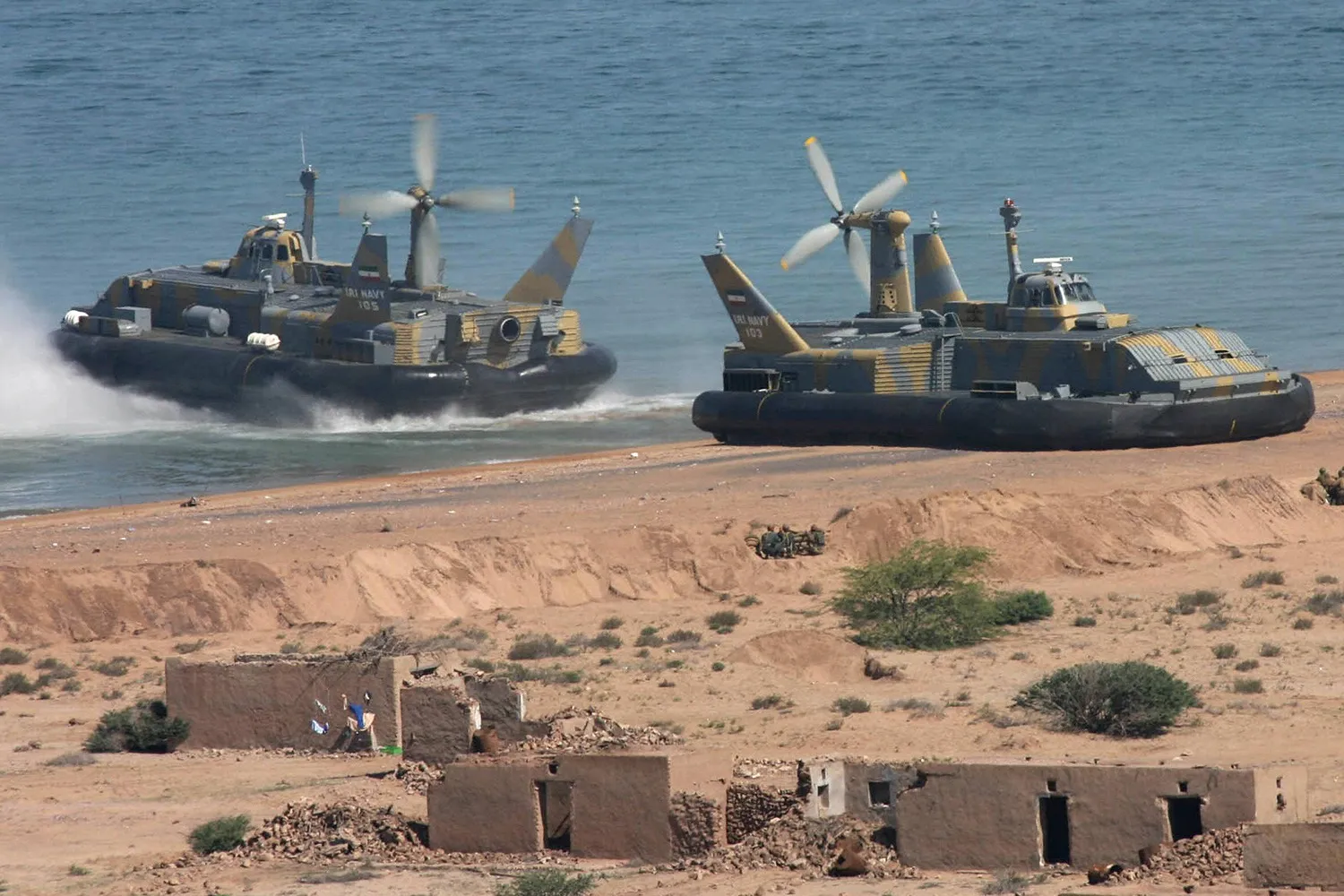
US launches fresh strikes on Iran amid Hormuz tensions
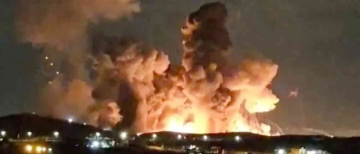
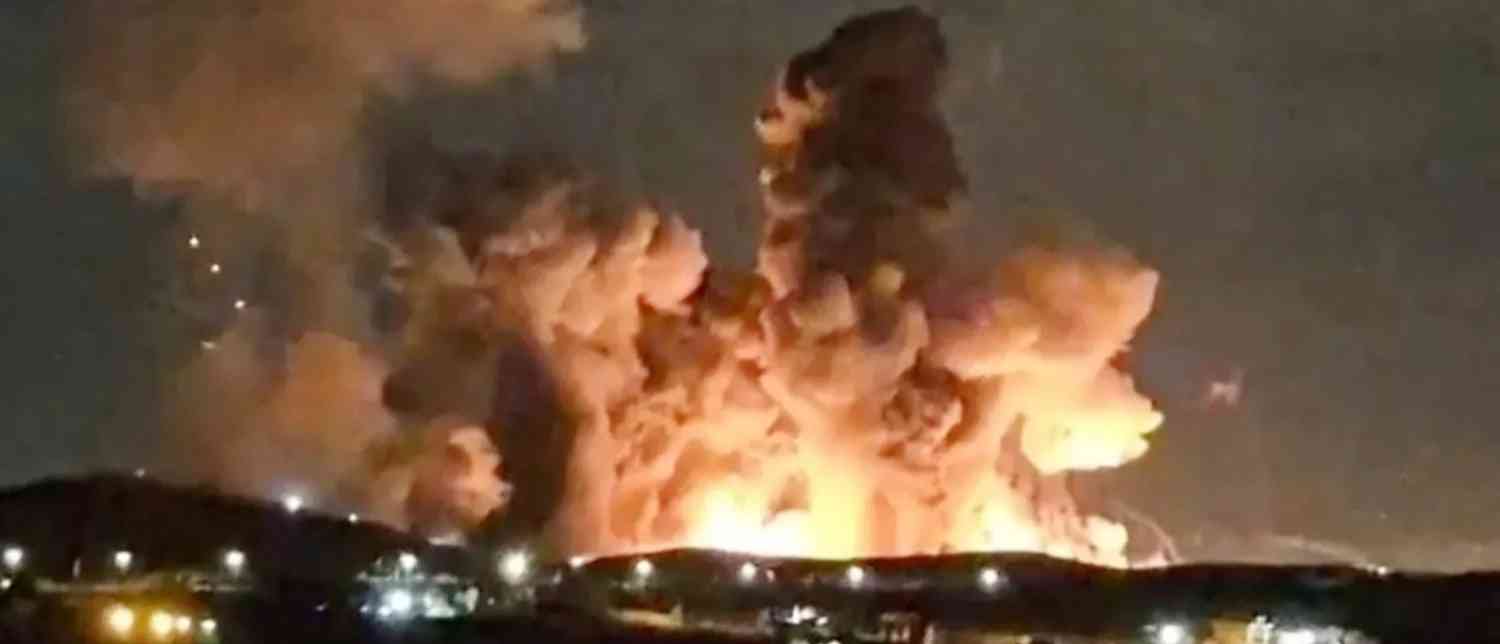
The United States said its forces began striking targets linked to Iran's Islamic Revolutionary Guard Corps after accusing Tehran of attempting attacks on commercial shipping in the Strait of Hormuz and U.S. personnel stationed across the Middle East.
The latest operation followed an earlier U.S. strike on Iran's Larak Island, where American forces said they targeted rocket launchers to prevent Iran from placing mines in shipping lanes.
Iran subsequently launched missiles toward a U.S. military base in Jordan, although the projectiles were reportedly intercepted. The United Arab Emirates also said it had intercepted an Iranian drone over its waters.
The new U.S. operation therefore represents more than another isolated exchange of fire. It is part of a cycle in which military action, retaliation and counter-retaliation are increasingly becoming the defining pattern of the conflict.
Iranian state media has meanwhile reported that four projectiles struck areas in the Chabahar and Konarak regions east of the Strait of Hormuz. Details of damage from those strikes were not immediately clear.
The developments have raised fears that the conflict could once again spill into surrounding Gulf states, threaten shipping and draw additional countries deeper into the confrontation.
Trump warns Iran of an even bigger attack
Trump has made clear that Washington is not seeking to absorb another Iranian attack without responding.
In a warning issued after the latest strikes, the U.S. president said Iran would face attacks at a "much harder and higher level" if it retaliated. He also indicated that an even larger military operation was being held in reserve.
The message was significant because it leaves Tehran facing a difficult strategic calculation. Retaliating could invite a more powerful U.S. response, but failing to respond could carry its own political and military costs for Iran's leadership.
Trump has previously argued that the U.S.-Israeli military campaign has severely weakened Iran's leadership, military capabilities and economy. Yet the continuation of Iranian retaliation demonstrates the difficulty of translating battlefield damage into political capitulation.
The Iranian government has remained in control despite the loss of senior officials and extensive damage from months of fighting. Rather than collapsing, Tehran has continued to use missiles, drones, maritime pressure and diplomatic engagement to challenge the United States and its allies.
That creates a central dilemma for Washington: how far can military pressure go before it produces the opposite of its intended effect?
Strait of Hormuz becomes the biggest flashpoint
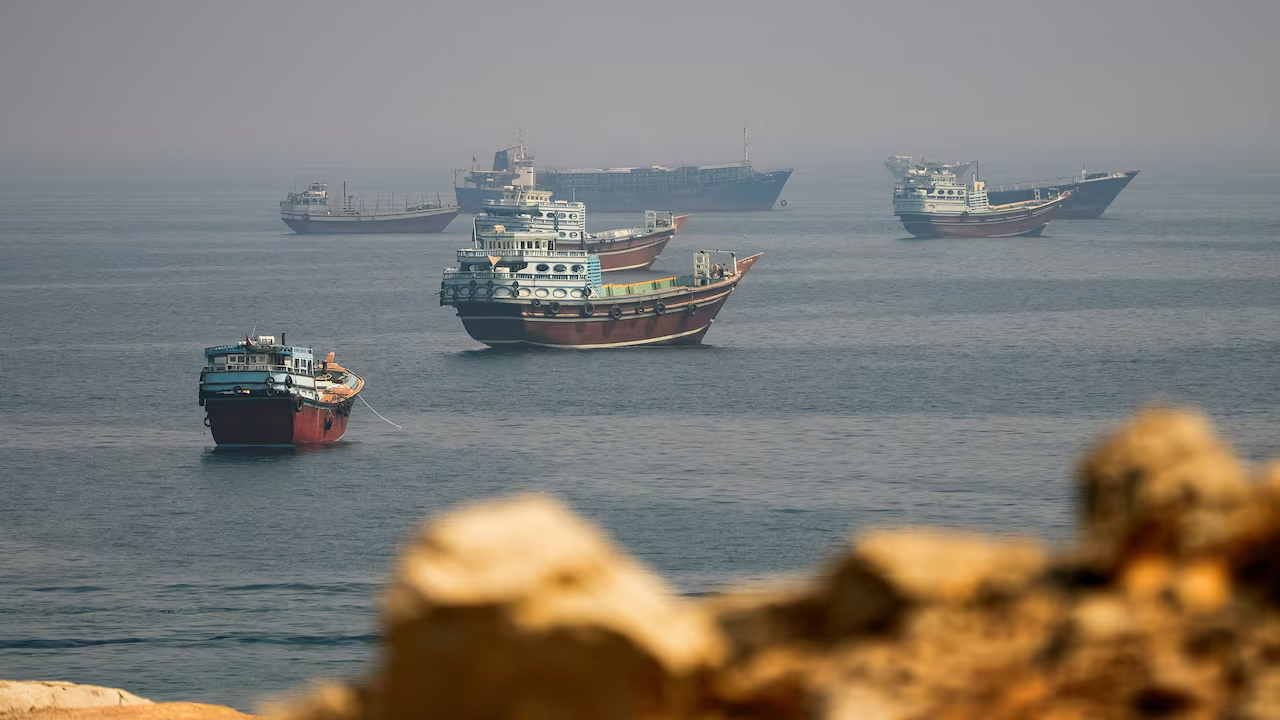
The Strait of Hormuz has emerged as the most consequential pressure point in the conflict.
The narrow waterway connects the Persian Gulf with the Gulf of Oman and the Arabian Sea. A huge share of the world's energy shipments normally passes through it, making any disruption capable of sending shockwaves through international markets.
The current crisis has already demonstrated how vulnerable global energy networks are to geopolitical conflict. With the waterway effectively closed to normal shipping, concerns over supply shortages have intensified and oil prices have risen.
The stakes are particularly high for Asian economies, which depend heavily on energy moving through the Gulf.
The wider economic implications could be substantial. If shipping remains disrupted for an extended period, energy costs could rise further, insurance premiums could increase and companies could face higher transportation expenses. Those pressures can eventually filter through to consumers in the form of higher fuel and food prices.
The conflict is therefore no longer simply a Middle East security crisis. It has become a global economic problem.
Longer-term assessments of the war have warned that oil markets may take considerable time to stabilise even after Hormuz reopens. The disruption also exposes a broader vulnerability: global trade has become heavily dependent on a small number of strategic maritime chokepoints.
Iran's retaliation options carry enormous risks
For Tehran, the Strait of Hormuz is both a strategic asset and a potential liability.
Iran can use its geographic position to threaten maritime traffic, but doing so risks alienating countries that depend on the waterway for their own energy supplies. A prolonged shutdown could hurt Iran's neighbours as well as Western economies, potentially complicating Tehran's diplomatic position.
Iran has nevertheless demonstrated that it is prepared to use maritime pressure as part of its broader response.
The possibility of sea mines has become particularly sensitive. Washington has accused Iranian forces of attempting to lay mines in shipping lanes, while claiming that the suspected mines were removed or detonated.
Any confirmed mining of the waterway would represent a major escalation because clearing mines is complicated, time-consuming and dangerous. It could also require a prolonged naval presence from the United States and other countries.
That would increase the chances of further military encounters.
The danger is that neither side necessarily needs to intend a full-scale regional war for one to develop. A missile interception, drone attack, damaged tanker or naval confrontation could create pressure for retaliation and trigger another round of escalation.
China and Russia offer Iran diplomatic breathing room
While the military confrontation is intensifying, another battle is taking place on the diplomatic and economic front.
Iran is increasingly looking toward China and Russia as partners capable of helping it withstand American pressure.
The latest Shanghai Cooperation Organisation summit in Bishkek has highlighted that shift. Leaders of the grouping condemned military attacks on Iran and opposed unilateral coercive measures that they said could harm the global economy. The organisation also reaffirmed Iran's right to pursue peaceful nuclear activities.
China's position is particularly important.
Beijing has little incentive to completely abandon Iran. China has become a major buyer of Iranian oil and has developed mechanisms allowing trade to continue despite U.S. sanctions. At the same time, Beijing appears keen to avoid turning its relationship with Tehran into an outright confrontation with Washington.
That balancing act is likely to continue.
China can provide Iran with an important economic lifeline without necessarily offering an unconditional military alliance. This gives Beijing room to expand its influence while avoiding commitments that could directly drag it into the conflict.
The result is a new geopolitical reality: U.S. sanctions may still impose serious costs on Iran, but Washington can no longer assume that the rest of the major powers will enforce its pressure campaign in lockstep.
SCO signals growing resistance to unilateral sanctions
The developments at the SCO summit carry significance beyond Iran.
The grouping's opposition to unilateral coercive measures reflects a broader frustration among several non-Western powers with the use of sanctions as an instrument of foreign policy.
For Iran, this provides diplomatic legitimacy and an opportunity to deepen economic relationships outside the Western financial system.
For China and Russia, meanwhile, the issue fits into a much larger debate over the role of the dollar and Western-controlled financial institutions in global trade.
The SCO summit also discussed greater economic independence and alternative financial mechanisms. Such initiatives are unlikely to replace the existing international financial architecture overnight, but the direction is important.
The more countries develop alternative payment systems, banking arrangements and trade routes, the harder it becomes for Washington to use economic sanctions as an all-purpose instrument of pressure.
This does not mean Iran has escaped sanctions or economic isolation. It remains under severe pressure. But the conflict is demonstrating that sanctions can produce unintended geopolitical consequences by encouraging targeted countries to strengthen relationships with one another.
The war could accelerate China's global ambitions
The longer-term consequences could extend well beyond Iran.
The conflict has created an opening for China to expand its diplomatic influence in regions where the United States has traditionally played the dominant security role.
A prolonged war that damages U.S. credibility, strains American military resources and creates frustration among Washington's partners could give Beijing greater room to present itself as an alternative centre of power.
The economic dimension is equally important.
If global energy routes become less reliable, countries will seek alternative suppliers, transportation corridors and trading arrangements. That could accelerate investments in infrastructure outside traditional Western-led networks.
China is particularly well positioned to benefit from such a shift because of its existing trade relationships, infrastructure investments and expanding role across Asia and the Middle East.
Analysts have already pointed to the war as evidence that America's setbacks in Iran could create additional space for China to strengthen its international position.
India faces a complicated strategic balancing act
For India, the conflict presents an unusually difficult challenge.
New Delhi has strategic relationships with the United States, Russia, Iran and the wider Gulf region. It also has major economic and connectivity interests tied to the Middle East.
The Chabahar Port project in Iran is especially important. The port provides India with a route toward Afghanistan and Central Asia that bypasses Pakistan and forms part of the broader International North-South Transport Corridor.
But the war and expanding U.S. sanctions make that strategy increasingly complicated.
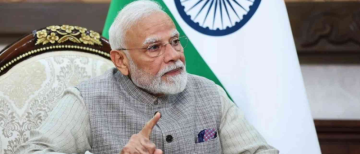
At the SCO summit, Prime Minister Narendra Modi stressed security, connectivity and opportunity while arguing that conflicts should be resolved through dialogue rather than battlefields. India has also emphasised sovereignty and territorial integrity in the development of connectivity projects.
For New Delhi, the challenge is to protect its strategic interests without becoming trapped in the rivalry between Washington and Beijing.
The crisis around Hormuz makes alternative trade corridors more valuable, not less. Chabahar, therefore, could acquire renewed strategic significance even as the conflict makes operating in Iran more difficult.
At the same time, India's interests are not identical to those of either Washington or Beijing. New Delhi needs stable energy supplies, secure shipping routes and continued access to Central Asian markets.
That makes diplomacy especially important.
The economic fallout could outlast the war
The most important consequence of the conflict may ultimately be economic rather than military.
Energy markets are already reacting to the threat of prolonged disruption. If Hormuz remains closed, oil prices could stay elevated, increasing pressure on import-dependent economies.
Higher energy prices can affect almost every part of the economy. Transport becomes more expensive. Manufacturing costs rise. Airlines face higher fuel bills. Governments face greater subsidy pressures. Consumers may see higher prices for everyday goods.
The impact could be particularly severe in Asia because of the region's dependence on Middle Eastern energy.
The war also exposes another vulnerability: the concentration of global trade around a handful of maritime chokepoints.
If Hormuz can be disrupted, companies and governments will have greater incentives to diversify energy supplies and transport routes. That could accelerate investment in pipelines, alternative ports, rail corridors and strategic reserves.
In other words, the war may permanently change how governments think about economic security.
A conflict with consequences far beyond Iran
The immediate question is whether Iran will retaliate against the latest U.S. strikes.
But the larger question is what happens if retaliation becomes another trigger for escalation.
The United States has warned of a more powerful attack. Iran has signalled that it will not simply accept further military pressure. China and Russia are offering Tehran diplomatic and economic space. Meanwhile, countries across the Gulf are attempting to avoid being pulled into the confrontation.
This combination makes the current situation unusually volatile.
The war has already demonstrated that removing senior Iranian leaders does not automatically remove the Iranian state, just as military superiority does not guarantee political capitulation. Iran's ability to continue retaliating has challenged assumptions about how quickly the conflict could be brought to an end.
There is also a broader strategic lesson.
The conflict is weakening the assumption that military power alone can determine the outcome of a major geopolitical crisis. Economic networks, maritime chokepoints, alliances, sanctions, alternative financial systems and diplomatic partnerships are proving just as important as missiles and aircraft.
For the United States, the challenge is now to determine whether further military escalation will produce a decisive outcome or deepen a conflict that is already imposing significant economic and strategic costs.
For Iran, the challenge is equally stark: retaliate strongly enough to preserve deterrence without triggering an even larger American assault.
And for the rest of the world, the priority is to prevent the conflict from turning a regional war into a global economic and geopolitical shock.
The Strait of Hormuz remains the clearest warning sign. What happens there in the coming days could determine not only the next stage of the U.S.-Iran war, but also the trajectory of global energy markets, international trade and the evolving balance of power between Washington, Beijing and Moscow.
With input from agencies
Image Source: Multiple agencies
© Copyright 2026. All Rights Reserved. Powered by Vygr Media.