 By
By 
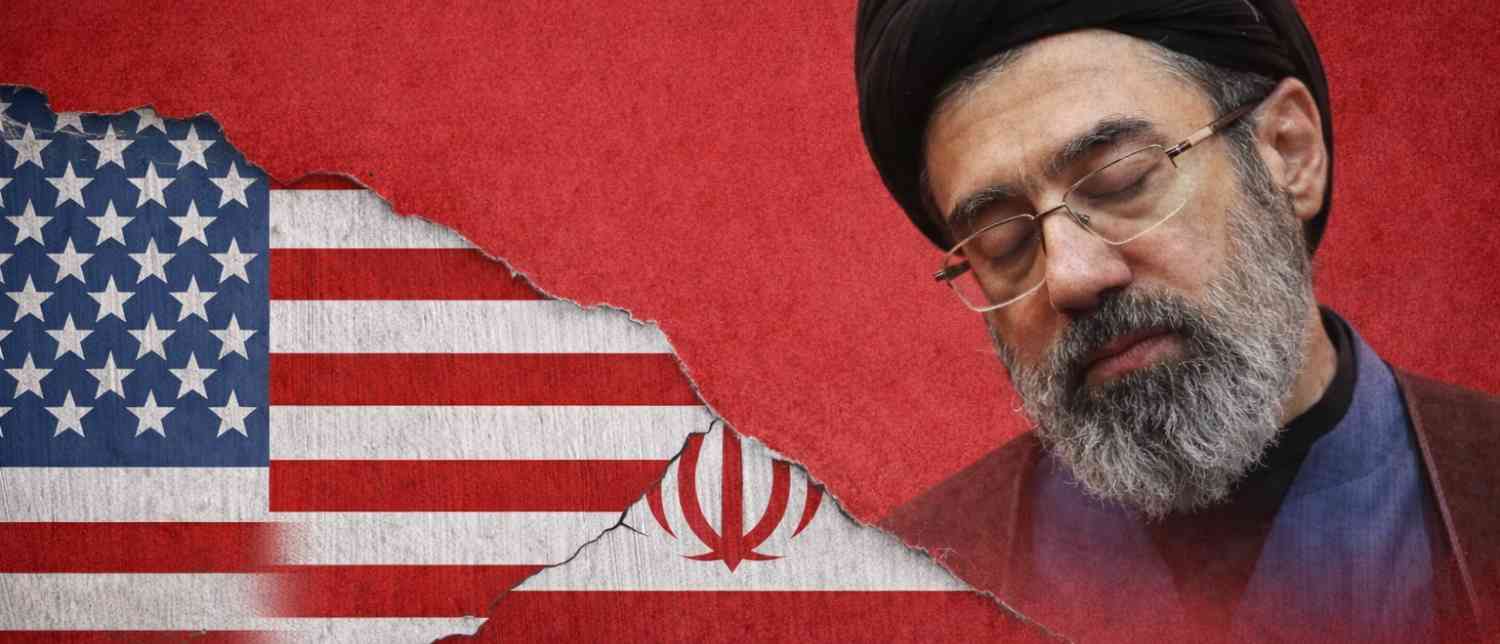
A deepening leadership crisis appears to be unfolding in Iran at a critical moment, as multiple reports indicate that Mojtaba Khamenei is unconscious and unable to perform decision-making duties while the country faces escalating geopolitical tensions.
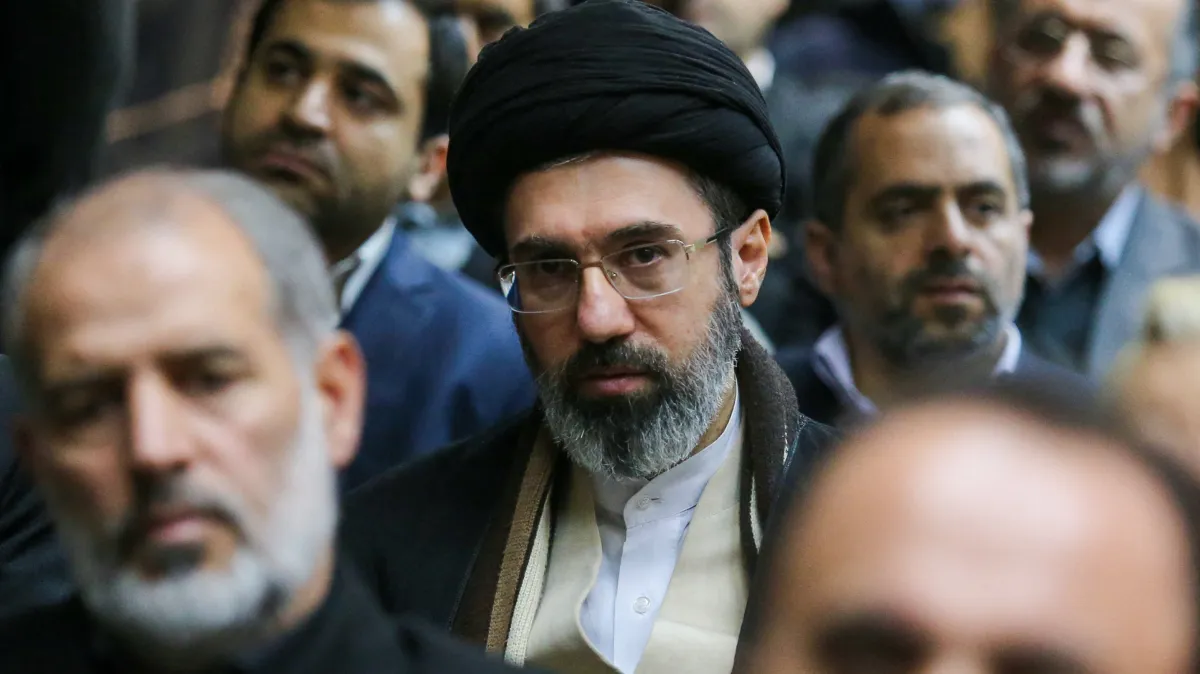
According to information emerging from intelligence-linked assessments and widely cited across international media, Mojtaba Khamenei—long viewed as a powerful and influential figure within Iran’s ruling establishment—has reportedly been receiving medical treatment in the holy city of Qom. The situation, described as both sudden and severe, has raised urgent questions about Iran’s chain of command at a time when strategic clarity is critical.
A Sudden Medical Crisis
The reports, citing intelligence memos and sources familiar with internal developments, suggest that Mojtaba Khamenei has fallen unconscious and remains in a condition that prevents him from participating in governance or military decision-making. He is believed to be under treatment in Qom, one of Iran’s most significant religious centers, often associated with senior clerical leadership and sensitive state matters.
While official confirmation from Iranian authorities remains absent, the consistency of the reports across multiple outlets has intensified speculation about the seriousness of his condition. Sources indicate that his inability to function is not temporary in nature, with phrasing such as “unable to make any decisions” repeatedly emphasized in the accounts.
Timing Amid Escalating Conflict
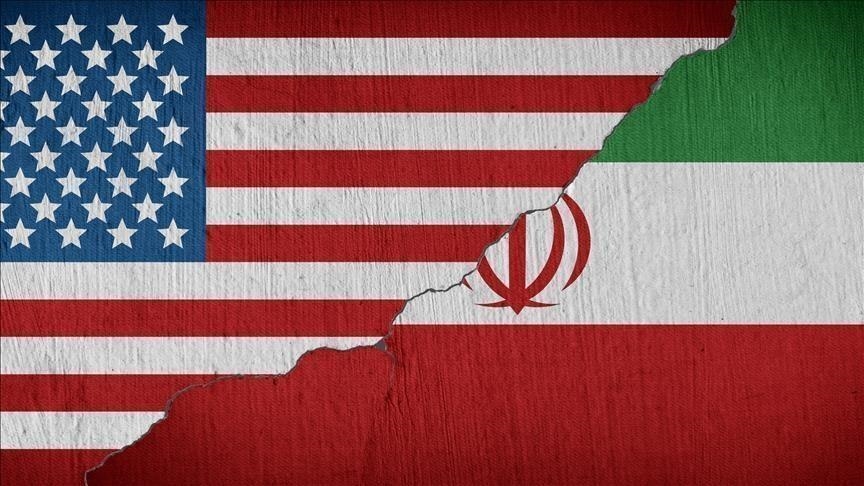
The reported health crisis comes at a particularly volatile time. Iran is currently navigating heightened tensions in its ongoing confrontation with the United States and its regional allies. The absence of a key decision-maker—especially one believed to wield substantial behind-the-scenes influence—has triggered concerns about how strategic decisions are being made within the Iranian leadership structure.
Mojtaba Khamenei, though not officially holding the title of Supreme Leader, is widely perceived to play a significant role in shaping policy and maintaining internal cohesion among Iran’s political and military elite. His reported incapacitation therefore carries implications that extend far beyond a personal health issue.
Power Vacuum and Leadership Questions
The development has reignited longstanding discussions about succession and power dynamics within Iran’s ruling system. Mojtaba Khamenei has often been viewed by analysts as a potential successor to his father, Ali Khamenei, who has led the country since 1989.
In this context, his sudden removal from active participation—whether temporary or prolonged—creates uncertainty around both immediate governance and long-term leadership continuity. Intelligence-linked reports suggest that decision-making processes may currently be disrupted, with no clear indication of who is filling the vacuum or how authority is being redistributed.
Some accounts point to a broader “leadership crisis,” suggesting that the situation may be affecting coordination at the highest levels of Iran’s political and military command. The lack of transparency from official channels has only amplified speculation, leaving analysts to rely on indirect sources and intelligence leaks.
Qom: A Strategic and Symbolic Location
The fact that Mojtaba Khamenei is reportedly being treated in Qom is itself significant. The city is not only a religious hub but also a center of clerical authority and political influence in Iran. Housing him there may reflect both the seriousness of his condition and the sensitivity of the situation.
Qom has historically been a place where critical decisions and confidential consultations occur among Iran’s top clerics. The choice of location suggests that the matter is being handled within tightly controlled and possibly highly confidential circles.
Silence from Tehran
One of the most striking aspects of the situation is the absence of any official statement from Iranian authorities. Neither confirmation nor denial has been issued regarding Mojtaba Khamenei’s condition, his whereabouts, or his role in current decision-making.
This silence is consistent with Iran’s approach to sensitive internal matters, particularly those involving senior leadership. However, it also contributes to uncertainty at a time when clarity could have stabilizing effects both domestically and internationally.
Strategic Implications
The potential incapacitation of a key figure like Mojtaba Khamenei raises several immediate concerns. First is the question of command continuity, particularly in the context of military and diplomatic engagements. Second is the impact on internal political cohesion, as different factions within Iran’s establishment may respond differently to the emerging vacuum.
There are also broader implications for regional stability. Iran plays a central role in Middle Eastern geopolitics, and any perceived weakness or internal disarray could influence the calculations of both allies and adversaries.
Intelligence Reports and Credibility
The reports about Mojtaba Khamenei’s condition are largely based on intelligence memos and sources cited by multiple international outlets. While these sources are described as credible within the reporting, the lack of independent verification or official acknowledgment leaves room for caution.
Nevertheless, the convergence of similar details across different publications—particularly regarding his unconscious state, treatment in Qom, and inability to make decisions—adds weight to the claims.
What Comes Next
As the situation continues to unfold, the key question is whether Mojtaba Khamenei’s condition is temporary or indicative of a longer-term incapacity. The answer will likely shape Iran’s immediate strategic posture as well as its internal political trajectory.
For now, the uncertainty itself is the dominant factor. With a critical figure reportedly sidelined and no official communication to clarify the situation, Iran appears to be navigating a complex and potentially destabilizing moment behind closed doors.
The coming days are expected to be crucial in determining whether this is a transient health episode or the beginning of a more profound shift within Iran’s leadership structure.
With inputs from agencies
Image Source: Multiple agencies
© Copyright 2025. All Rights Reserved. Powered by Vygr Media.