 By

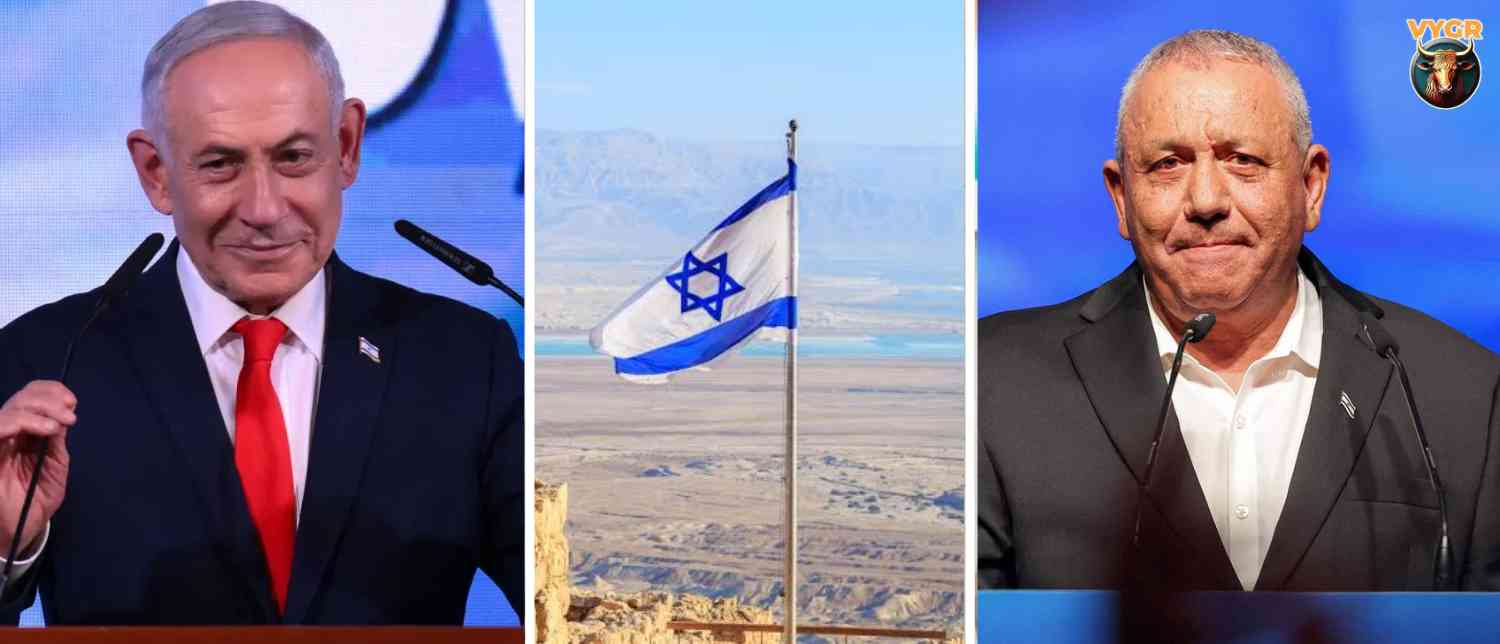
If you glanced at the headline number, you would think Israel’s political contest is over: 67 lawmakers have recommended former military chief Gadi Eisenkot to form the next government, while Benjamin Netanyahu got 46. But here’s the catch: in Israel, that number is where the real negotiation starts, not where it ends.
Let’s break down what happened, why the 67 isn’t as solid as it looks, and what could happen next.
What happened
Israel voted on October 27. The results were certified this week, and the election authority said it found no evidence of fraud. President Isaac Herzog then began consultations with party leaders, asking each who they wanted to see try to form a government.
At the end of those meetings, parties holding 67 of the Knesset’s 120 seats named Eisenkot, who leads the new Yashar party. Parties holding 46 seats named Netanyahu. Herzog has said he will announce his decision on Sunday, and Eisenkot is widely expected to get the first chance.
First, why does the number 61 matter?
The Knesset has 120 seats, so a majority is 61. A government needs to win a confidence vote, which means getting more votes for it than against it. That is why abstentions can matter as much as “yes” votes.
Eisenkot’s 67 looks comfortable. The problem is where those 67 come from.
Who is in Eisenkot’s 67?
| Group | Parties | Seats |
|---|---|---|
| Jewish-led bloc | Yashar (21), Together, led by Bennett and Lapid (12), Democrats (about 8), Yisrael Beytenu (7) | 48 |
| Arab-led parties | Joint List (11), United Arab List (8) | 19 |
| Total | 67 |
Take away the Arab-led parties and Eisenkot has 48, well short of 61. And several of his own allies have said they won’t govern with those parties.
Why is Netanyahu still in the picture?
Three reasons.
Likud is still the biggest party. It won 27 seats, ahead of Yashar’s 21, even though that is down from 36 before.
His camp could grow. Netanyahu has 46 recommendations, but United Torah Judaism, with seven seats, declined to back either man. If it returns to his side, his camp reaches 53.
A deadlock helps him. If Eisenkot can’t unite his allies, the country may head for another election, and Netanyahu would get another campaign.
So what are the options? Three scenarios
These are our reading of how things could go, not predictions.
Scenario 1: Eisenkot teams up with the ultra-Orthodox parties
The four Jewish-led parties have 48 seats. Shas and United Torah Judaism together have 13. That adds up to exactly 61.
Why it could work: Avigdor Liberman, who has long refused to sit with the ultra-Orthodox parties, has reportedly softened, seeing the removal of Netanyahu as the bigger goal. Some Haredi figures have signalled openness to talks.
What stands in the way: Eisenkot has promised not to compromise on drafting ultra-Orthodox men into the army, and those parties want exemptions to continue. One side would have to break a campaign promise, and Shas would have to split from Netanyahu. A 61-seat majority would also be paper-thin.
Scenario 2: A minority government supported by Arab-led parties from outside
Here Eisenkot would govern without bringing the Arab-led parties into the cabinet, relying on their votes or abstentions from outside.
Why it could work: it matches the recommendations he actually received, and the anti-Netanyahu camp has enough combined numbers to start making changes, such as choosing a new Knesset speaker.
What stands in the way: Naftali Bennett and Liberman have both ruled out relying on Arab-led parties, and Eisenkot himself said during the campaign that he wouldn’t form a government with them. Others in his bloc, including Democrats leader Yair Golan, back the idea. A similar arrangement in 2021 lasted about a year.
Scenario 3: Deadlock, then a unity government or a new election
If the first two fail, the options narrow to a broad unity or rotation government involving Likud, or fresh elections.
Why it could happen: a unity arrangement has been floated, and Israel has been here before, with repeated inconclusive elections between 2019 and 2022.
What stands in the way: Eisenkot said days before the vote that he would not serve under Netanyahu, Liberman has rejected a unity government outright, and Yair Lapid would be expected to leave his partnership with Bennett if one formed.
What are the sticking points, in plain English?
- Arab-led parties. They backed Eisenkot to replace Netanyahu, but backing him is not the same as joining his government. Some of his allies won’t sit with them.
- Military service. Whether ultra-Orthodox men should be drafted is the most divisive issue between Eisenkot and the Haredi parties.
- Unity with Likud. Eisenkot has refused it while Netanyahu leads the party.
Every route requires someone to give up a promise they made to voters.
What does Netanyahu say?
In his first appearance since the election, Netanyahu warned against a coalition that depends on Arab-led parties. His camp has also accused those parties of fraud, a claim the election authority says it found no evidence for.
What happens next
On Sunday, Herzog announces the mandate. If it goes to Eisenkot, he gets 28 days to put together a coalition that can win the Knesset’s confidence. If he can’t, the mandate can pass to someone else, and if no one succeeds, new elections follow.
The first early test could be the vote for Knesset speaker. Yair Lapid is widely tipped for the job, but Eisenkot reportedly prefers a Yashar lawmaker, so how that vote goes will show how well the new majority holds together.
What to watch
- Herzog’s announcement on Sunday.
- Whether Liberman opens formal talks with the ultra-Orthodox parties.
- Whether Shas breaks from Netanyahu.
- Whether Bennett or Liberman softens on outside Arab-party support.
- The Knesset speaker vote.
- How Likud responds to the certified results.
Quick FAQ
Who has the most recommendations?
Gadi Eisenkot, with 67 of 120 lawmakers, against 46 for Benjamin Netanyahu.
Does that make Eisenkot prime minister?
No. It makes him the likely candidate for the mandate. He still has to build a coalition that wins a confidence vote.
When will the president decide?
Isaac Herzog says he will announce his decision on Sunday.
Why is Netanyahu still in play?
Likud is the largest party, his camp could reach 53 seats, and a deadlock among his rivals could force new elections.
How long does Eisenkot have to form a government?
28 days, after which the mandate can move to someone else or the country can head to new elections.
Which parties does he need?
Either the Arab-led parties (from outside), the ultra-Orthodox parties, or a deal with Likud. Each has costs for his allies.
© Copyright 2026. All Rights Reserved. Powered by Vygr Media.