 By
By 
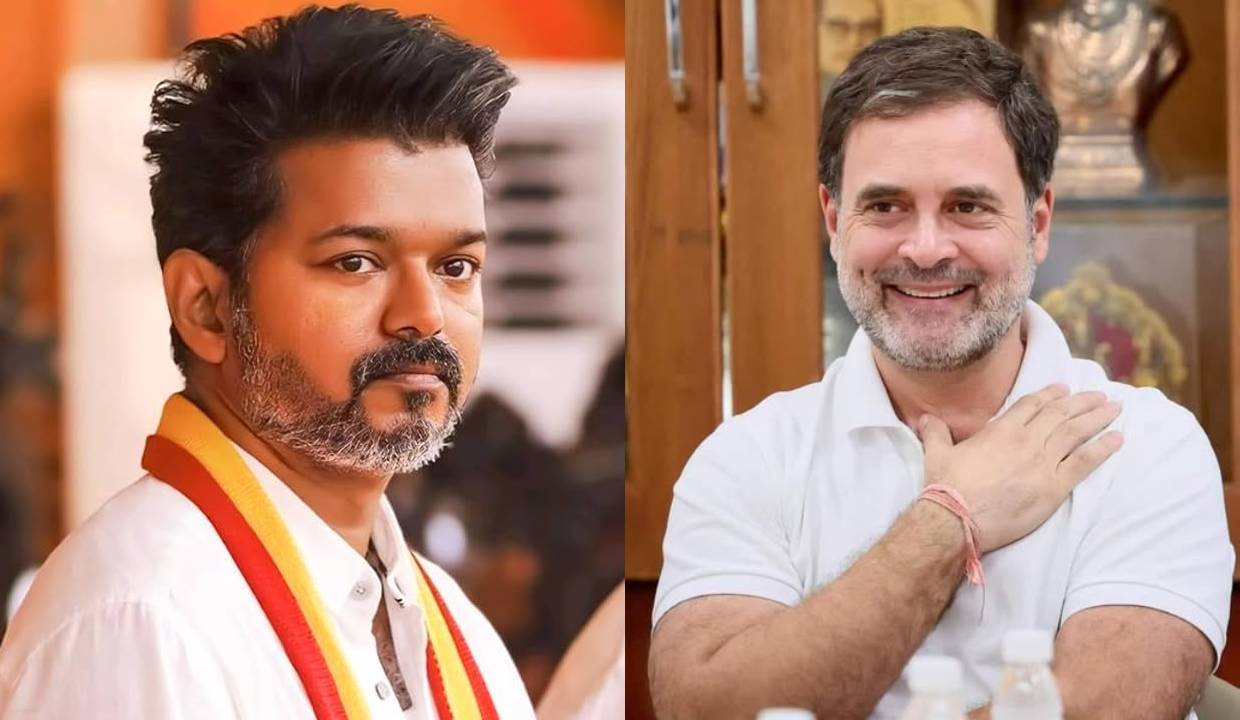
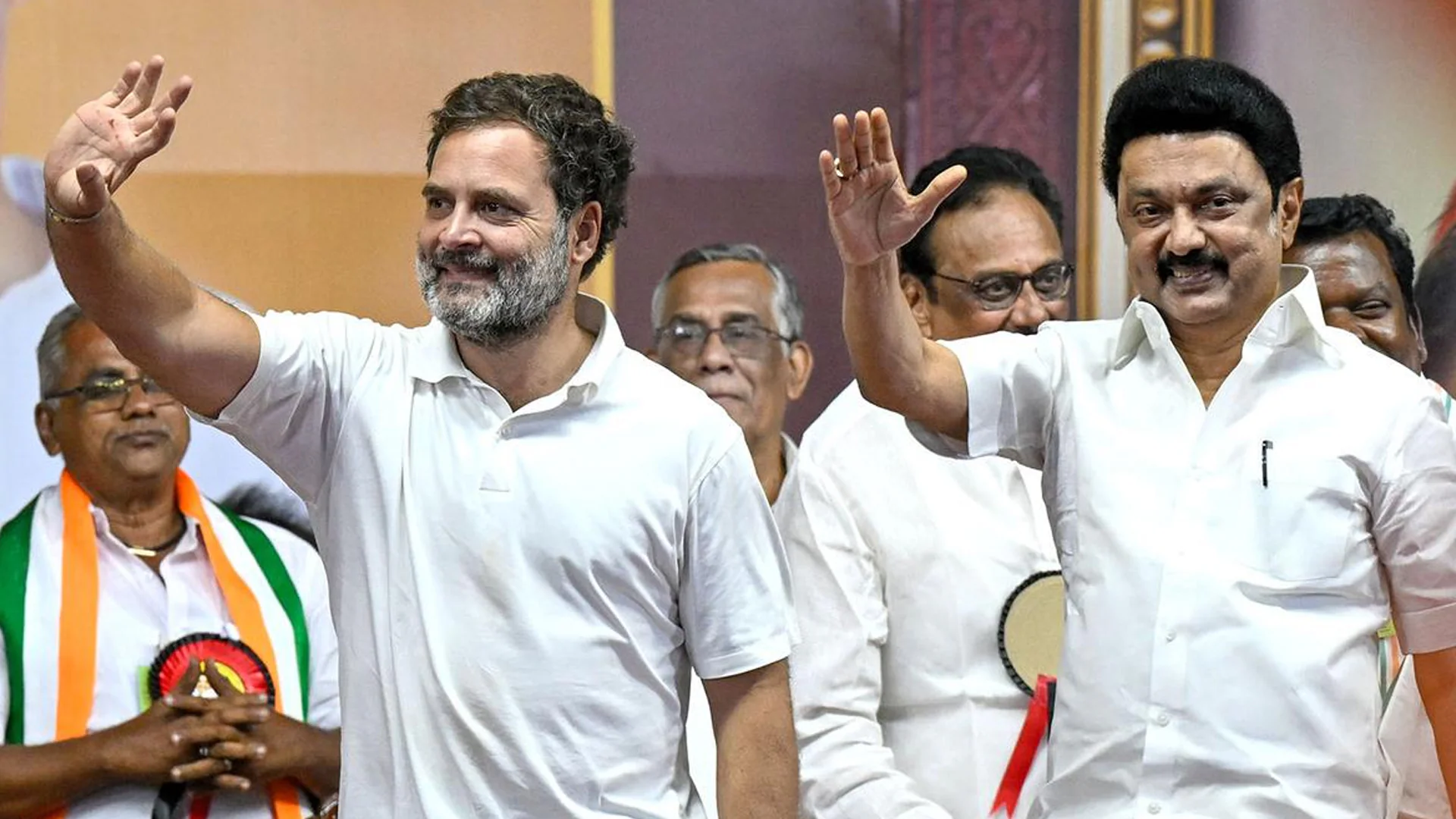
In a political rupture that has sent shockwaves through Tamil Nadu and beyond, the Congress party has formally ended its 55-year-old alliance with the Dravida Munnetra Kazhagam (DMK), choosing instead to align with actor-turned-politician Vijay’s Tamilaga Vettri Kazhagam (TVK). The move, unprecedented in both its timing and implications, has redrawn the contours of the state’s political battlefield ahead of the 2026 Assembly elections, setting the stage for a high-stakes contest defined by shifting loyalties, generational change, and strategic recalibration.
The break marks the end of one of India’s longest-standing political partnerships, a relationship that dates back to the late 1960s and has weathered multiple electoral cycles, ideological shifts, and leadership transitions. For decades, Congress and the DMK functioned as natural allies, united by a shared opposition to the AIADMK and a broadly aligned secular and welfare-driven political framework. That continuity has now been decisively disrupted.
A Sudden Break, Years in the Making
While the announcement appears abrupt, sources indicate that tensions between Congress and the DMK had been simmering for some time. Seat-sharing disagreements, perceived marginalisation of Congress within the alliance, and internal dissatisfaction over the party’s diminishing electoral footprint in Tamil Nadu contributed to a growing sense of unease.
In recent elections, Congress had increasingly played a secondary role within the DMK-led coalition, contesting fewer seats and struggling to assert independent relevance. Party insiders suggest that this imbalance, coupled with a desire to revive its organisational strength in the state, pushed the leadership toward exploring alternative political arrangements.
The emergence of Vijay’s TVK provided precisely that opportunity.
The Vijay Factor: Disruption Meets Momentum
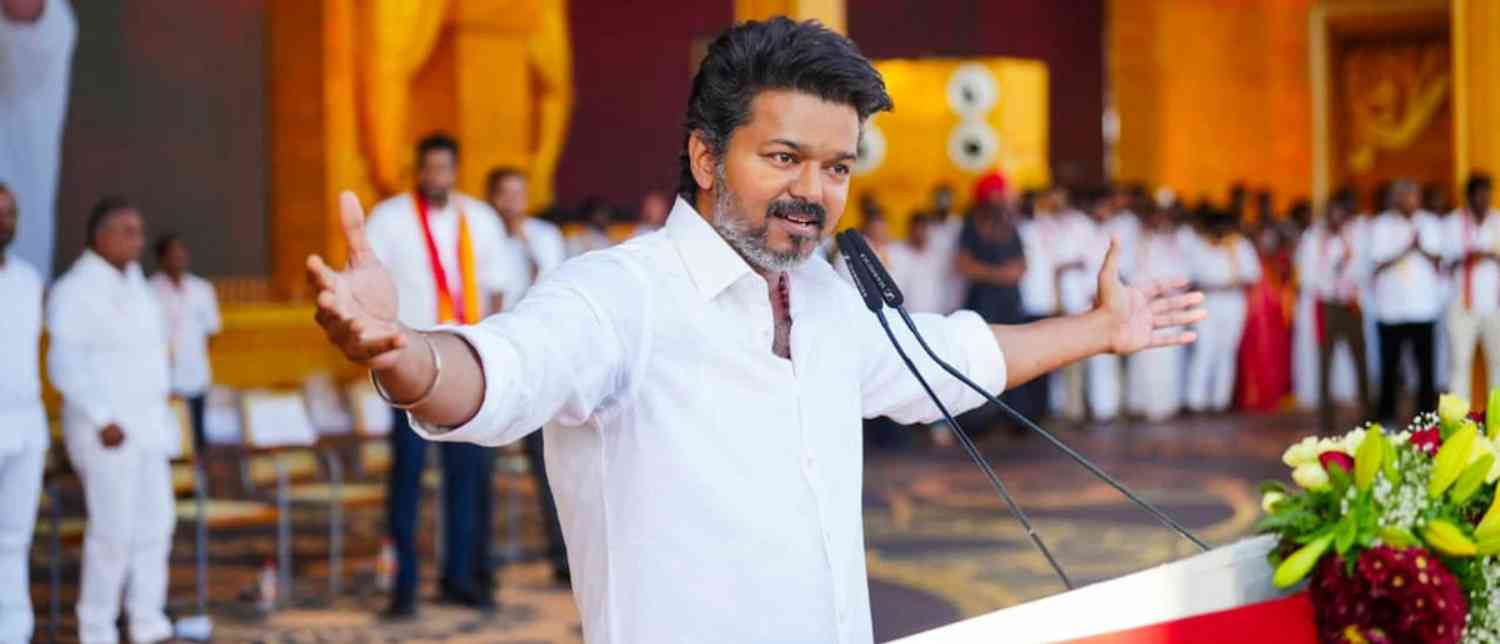
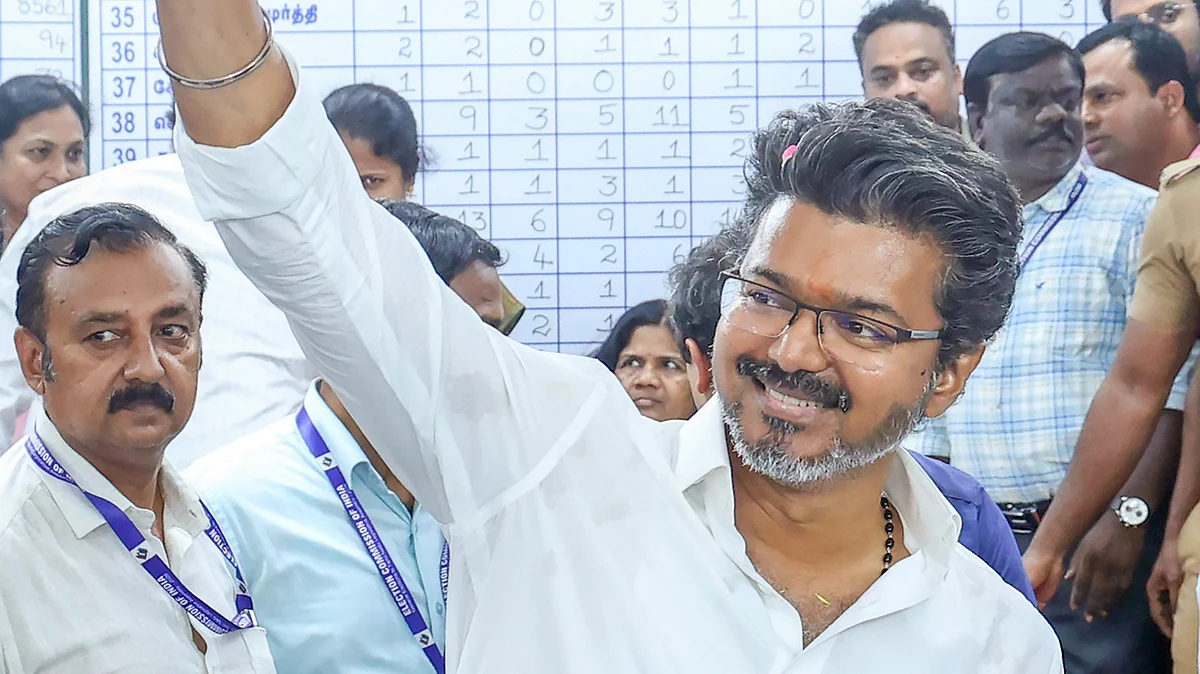
Vijay’s entry into politics has been one of the most closely watched developments in Tamil Nadu in recent years. With a massive fan base and a carefully cultivated public image that blends populism with reformist messaging, the actor’s transition into politics has rapidly translated into tangible political capital.
His party, Tamilaga Vettri Kazhagam, has positioned itself as a fresh alternative to the entrenched Dravidian majors, appealing particularly to younger voters and those disillusioned with traditional party structures. While still in its formative phase, TVK’s momentum has been significant enough to attract attention from established political players—none more consequential than Congress.
By aligning with TVK, Congress appears to be betting on a revival strategy anchored in association with a rising force rather than continued dependence on an established but dominant ally.
Strategic Calculations Behind Congress’s Move
The decision to exit the DMK alliance is not merely symbolic; it reflects a deeper strategic shift. Congress leadership is understood to believe that remaining within the DMK-led coalition would further erode its identity in Tamil Nadu, reducing it to a peripheral player with limited bargaining power.
Aligning with TVK, on the other hand, offers a chance to renegotiate its political standing. The partnership could allow Congress to contest more seats, regain visibility, and reconnect with voter segments that have drifted away over time.
Moreover, the move aligns with a broader national strategy where Congress has shown a willingness to recalibrate alliances based on regional dynamics rather than historical loyalties. Tamil Nadu, with its distinct political ecosystem, presents a unique test case for this approach.
DMK’s Response: Calm, Yet Calculated
The DMK, while acknowledging the significance of the split, has publicly maintained a composed stance. Party leaders have downplayed the impact of Congress’s exit, expressing confidence in their ability to retain electoral dominance through existing alliances and organisational strength.
Privately, however, the development is seen as a challenge that cannot be ignored. Congress, despite its reduced influence, still commands a loyal voter base in certain pockets. Its departure could lead to vote fragmentation, potentially complicating the DMK’s electoral arithmetic.
The party is expected to recalibrate its strategy, possibly strengthening ties with other allies or expanding its outreach to compensate for the loss.
Implications for the 2026 Assembly Elections
The immediate consequence of this realignment is a more fragmented and competitive political landscape. With Congress joining forces with TVK, Tamil Nadu could witness a three-cornered contest involving the DMK-led alliance, the AIADMK bloc, and the emerging TVK-Congress partnership.
This configuration introduces new variables into the electoral equation. The TVK-Congress alliance could consolidate anti-incumbency sentiment while attracting first-time voters and urban constituencies. At the same time, the DMK’s established grassroots network and governance record remain formidable advantages.
The AIADMK, meanwhile, may seek to capitalise on the division among its rivals, positioning itself as a stable alternative amid shifting alliances.
Historical Weight of the Break
What makes this development particularly significant is the historical depth of the Congress-DMK relationship. Since its inception, the alliance had survived political upheavals, leadership changes, and ideological debates. It was seen as a cornerstone of Tamil Nadu’s coalition politics, providing stability and continuity over decades.
The decision to sever ties, therefore, is not just a tactical move but a symbolic departure from a long-standing political tradition. It underscores the evolving nature of Indian politics, where legacy alliances are increasingly being reassessed in light of changing electoral realities.
Congress’s Gamble: Risk and Reward
For Congress, the move carries both promise and risk. While the alliance with TVK offers a pathway to revival, it also involves significant uncertainty. TVK’s electoral performance remains untested at the Assembly level, and its ability to convert popularity into votes is yet to be fully demonstrated.
There is also the risk of alienating traditional supporters who may view the break with the DMK as a departure from the party’s established ideological alignment. Managing this transition will require careful messaging and organisational coordination.
However, the potential rewards are equally substantial. If the TVK-Congress alliance gains traction, it could reshape the state’s political hierarchy and restore Congress as a relevant force in Tamil Nadu.
Vijay’s Political Test
For Vijay, the alliance represents both validation and a crucial test. Securing the support of a national party like Congress enhances TVK’s credibility and organisational reach. It signals that the party is not merely a celebrity-driven venture but a serious political contender.
At the same time, expectations will now be significantly higher. The success of the alliance will depend on TVK’s ability to translate its appeal into a coherent electoral strategy, build a robust ground network, and effectively coordinate with Congress.
A New Chapter in Tamil Nadu Politics
As Tamil Nadu moves closer to the 2026 Assembly elections, the Congress-DMK split and the emergence of the TVK-Congress alliance mark the beginning of a new political chapter. The state’s political landscape, long defined by stable alliances and predictable contests, is entering a phase of flux and unpredictability.
Voters will ultimately decide whether this realignment represents a genuine alternative or merely a reshuffling of political equations. What is clear, however, is that the old order has been disrupted.
The coming months will reveal whether this bold gamble by Congress—and the rising ambitions of Vijay’s TVK—can redefine power dynamics in one of India’s most politically vibrant states.
With inputs from agencies
Image Source: Multiple agencies
© Copyright 2026. All Rights Reserved. Powered by Vygr Media.