 By
By 
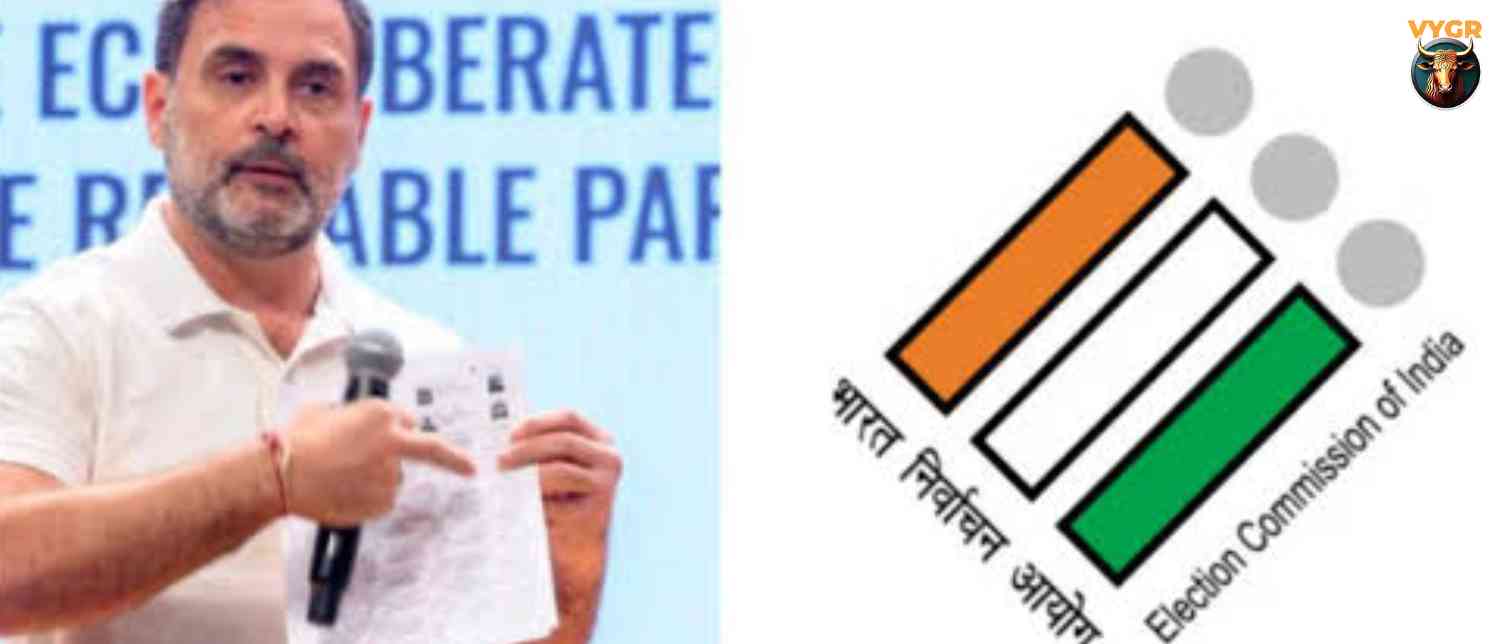
For years, one of the Opposition’s most repeated demands has been a simple-sounding one: give us the voter list in a form a computer can search. This week, the Election Commission of India (ECI) finally moved in that direction. Congress has noticed, and its answer has been sharp.
What the ECI has ordered
On Thursday, 15 October, the ECI ordered an annual Special Summary Revision (SSR) of electoral rolls in 17 states and Union Territories, with 1 January 2027 as the qualifying date. The key dates, according to the announcement:
- Draft roll published: 12 November 2026
- Claims and objections: 12 November to 11 December 2026
- Final roll published: 4 January 2027
The states include Uttar Pradesh, Uttarakhand, Goa, Punjab and Manipur, where elections are due early next year. An official explained that the SSR is an annual exercise under election law and is specially held in poll-bound states. In these 17 states and UTs, the Special Intensive Revision (SIR) has already been completed. Assam had a “special revision” instead, for legal reasons.
The change at the heart of it
The directive changes what political parties will receive. According to the reports:
- Draft and final electoral rolls, without photographs, will be supplied in a “readable PDF format” instead of the image-based PDFs used before.
- Electoral Registration Officers (EROs) must supply, free of cost, one hard copy and one soft copy of the roll for each polling station to every recognised political party, right after the draft and final publication.
- Parties will also get supplements recording additions, deletions and modifications at the draft stage.
- Weekly lists of claims and objections will be shared along with the printed copy of previous weeks’ records.
- Candidates in poll-bound states will receive draft and final rolls, and the rolls will be available for purchase by others before elections.
The reports describe this as a first.
Why a “readable” list matters
An image-based PDF is essentially a photograph of a page. You can look at it, but you can’t easily search it, sort it, or compare it across lists. A readable, text-based PDF can be searched and analysed far more easily, which matters when a party wants to check for duplicates, spot unusual deletions, or compare one roll against another.
There is a technical caveat. The directive specifies a “readable PDF”, and the reports don’t say whether that means fully structured, machine-readable data of the kind used for large-scale analysis. We are using the ECI’s wording and flagging the difference.
Why the ECI resisted before
For years, the Commission resisted demands for machine-readable or searchable voter lists, citing privacy concerns, the risk of data mining or fudging, and observations by the Supreme Court. Opposition parties, particularly Congress, repeatedly asked for such lists. The reports describe the new directive as a shift from the earlier stand.
Congress’s response
Congress didn’t welcome the move. General secretary K C Venugopal said on X that it was “too little, too late”, noting that the party had been demanding machine-readable lists since 2025. Reports say he called the decision a delayed reversal, or “U-turn”, and used the occasion to renew the demand for the resignation of Chief Election Commissioner Gyanesh Kumar, a reversal of the SIR and changes to how election commissioners are appointed. He also claimed that alleged “vote chori” had disenfranchised 13 crore Indians. That figure is Congress’s claim, and we have not independently verified it.
What the ECI says
The ECI has framed the SSR as a routine exercise to enrol eligible voters, especially young and first-time electors, correct entries, and improve the purity of the rolls. We have not seen a specific ECI response to Congress’s criticism.
Why the timing is notable
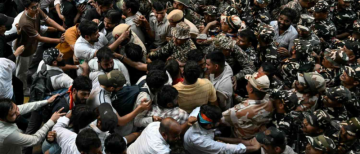
The directive arrives in the middle of a bitter dispute over the SIR. The Opposition has been marching and petitioning the Supreme Court over alleged mass deletions, and the court has issued notice on a plea seeking an independent audit and the production of records. The new rules on sharing rolls and weekly claims lists also address a specific complaint: deletions happening without keeping parties in the loop. Whether the changes are enough is now part of the argument.
What happens next
The next step is the draft roll on 12 November, when parties will get their first look at what the new format delivers. We will watch how the rolls are supplied, whether parties find them usable, and how the Supreme Court proceedings on the SIR develop.
© Copyright 2026. All Rights Reserved. Powered by Vygr Media.