 By
By 
The Supreme Court of India on Thursday, October 15, strongly questioned Congress leader and Leader of the Opposition Rahul Gandhi over his conduct during an Opposition protest march towards the court on October 12, 2026. Chief Justice of India Surya Kant said that nobody could intimidate or pressure the judiciary, making it clear that political demonstrations must not interfere with the functioning and independence of the courts.
The Supreme Court’s remarks came during a hearing on petitions challenging alleged irregularities in the Special Intensive Revision (SIR) of electoral rolls and seeking action over concerns surrounding Chief Election Commissioner Gyanesh Kumar. The hearing also covered the wider fallout of anti-CEC protests in Delhi, including alleged disruptions, police action, restrictions on protest sites and concerns raised about journalists.
While the court demanded an explanation from Rahul Gandhi over his conduct during the October 12 march, it also issued notices to the Election Commission of India (ECI) and other authorities on the electoral-roll petitions. The proceedings therefore brought two important questions into focus: how political leaders should express dissent without undermining judicial proceedings, and how allegations of voter-list irregularities should be examined through the legal process.
Supreme Court Questions Rahul Gandhi Over October 12 Protest March
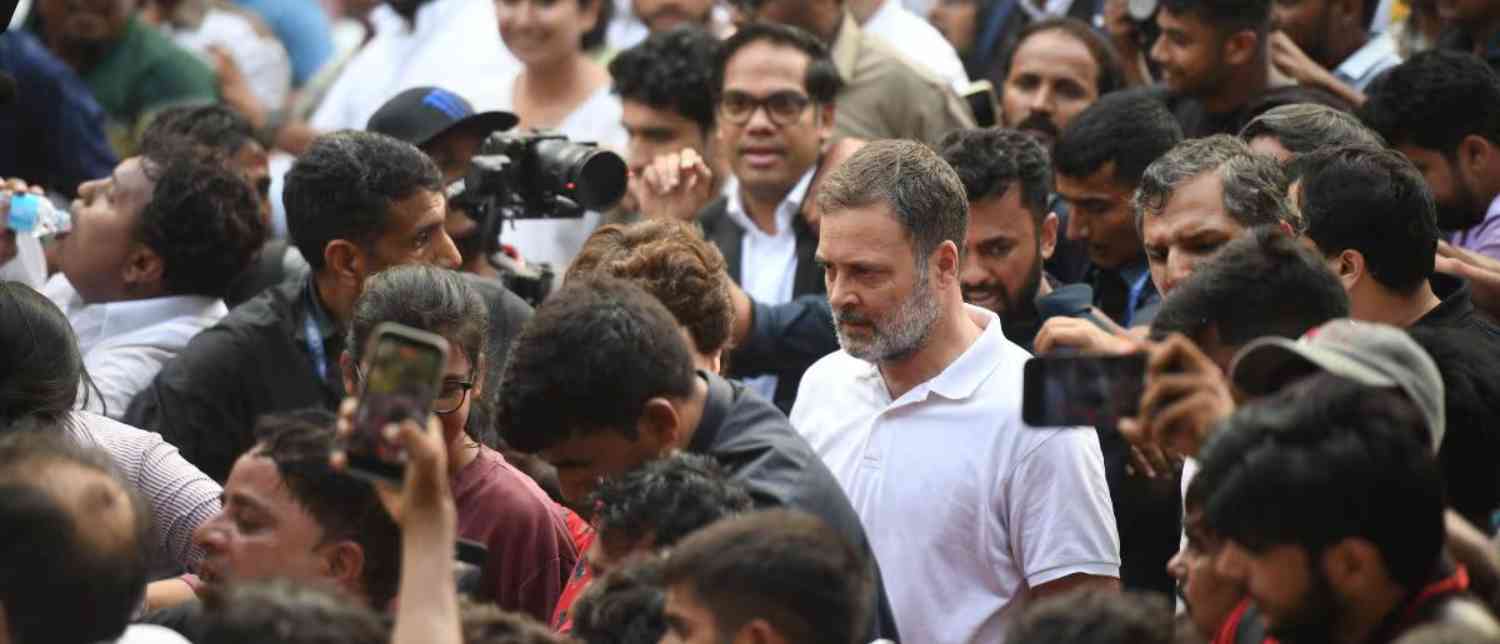
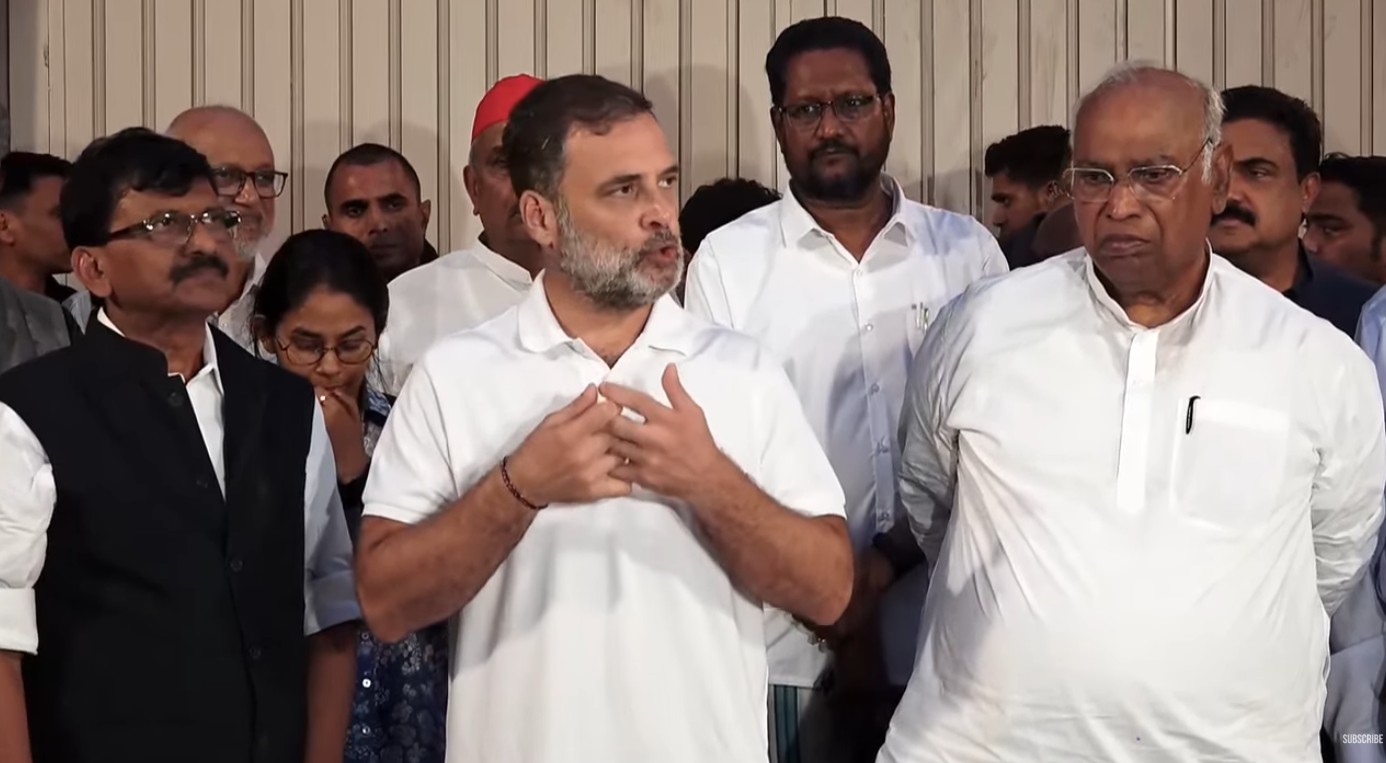
During Thursday’s hearing, the Supreme Court expressed strong reservations about the Opposition march towards its premises. Chief Justice Surya Kant indicated that Rahul Gandhi would have to explain his conduct at the next hearing, after objections were raised about the political demonstration and the resulting commotion around the court.
The matter was brought to the bench’s attention by Solicitor General Tushar Mehta and senior advocate Gaurav Bhatia. The court was told that a political procession had reached the Supreme Court, raising concerns about the appropriateness of such an event around a functioning judicial institution.
The Chief Justice responded with a firm message that the judiciary could not be browbeaten. His remarks underscored the importance of allowing courts to operate independently, without pressure from political leaders, organised demonstrations or public campaigns.
The observation was not a final finding against Rahul Gandhi. Instead, the bench indicated that it wanted an explanation for his conduct before proceeding further on that aspect of the matter. The distinction is important: the court’s criticism reflects its concern over the incident, while the legal implications, if any, remain to be determined.
The controversy has added another dimension to the political confrontation surrounding the Chief Election Commissioner and the revision of electoral rolls. It has also placed renewed attention on the boundaries between political protest, access to public institutions and respect for judicial authority.
Why Did Rahul Gandhi March Towards the Supreme Court?
The October 12 march was part of the INDIA bloc’s campaign against Chief Election Commissioner Gyanesh Kumar and the Special Intensive Revision of electoral rolls.
Rahul Gandhi and other Opposition leaders have raised concerns about the SIR exercise, alleging that it could result in large-scale voter deletions and irregularities in the preparation of electoral rolls. The Opposition has sought greater transparency in the Election Commission’s decision-making and has demanded accountability over the process.
The protest followed an earlier attempt by Opposition leaders to seek a meeting with Chief Justice Surya Kant. The Chief Justice had declined their request and advised them to pursue the legal route. The Opposition subsequently approached the court through petitions challenging the electoral-roll exercise.
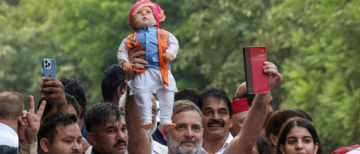
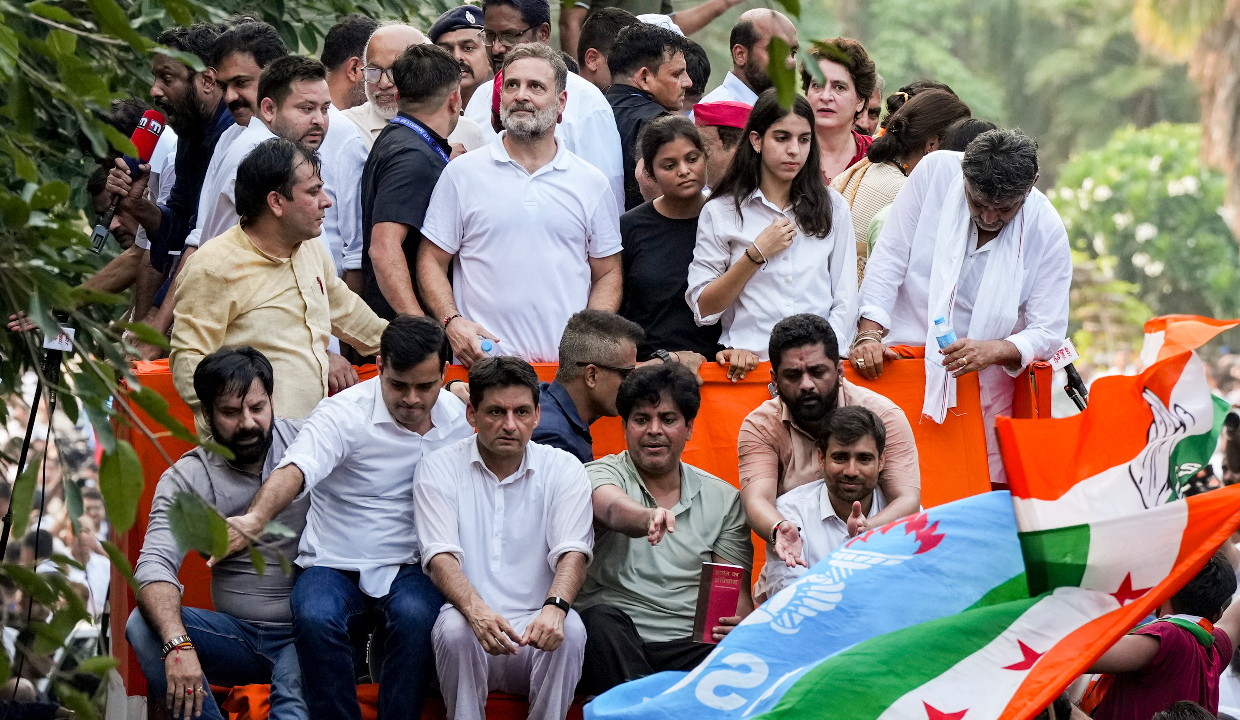
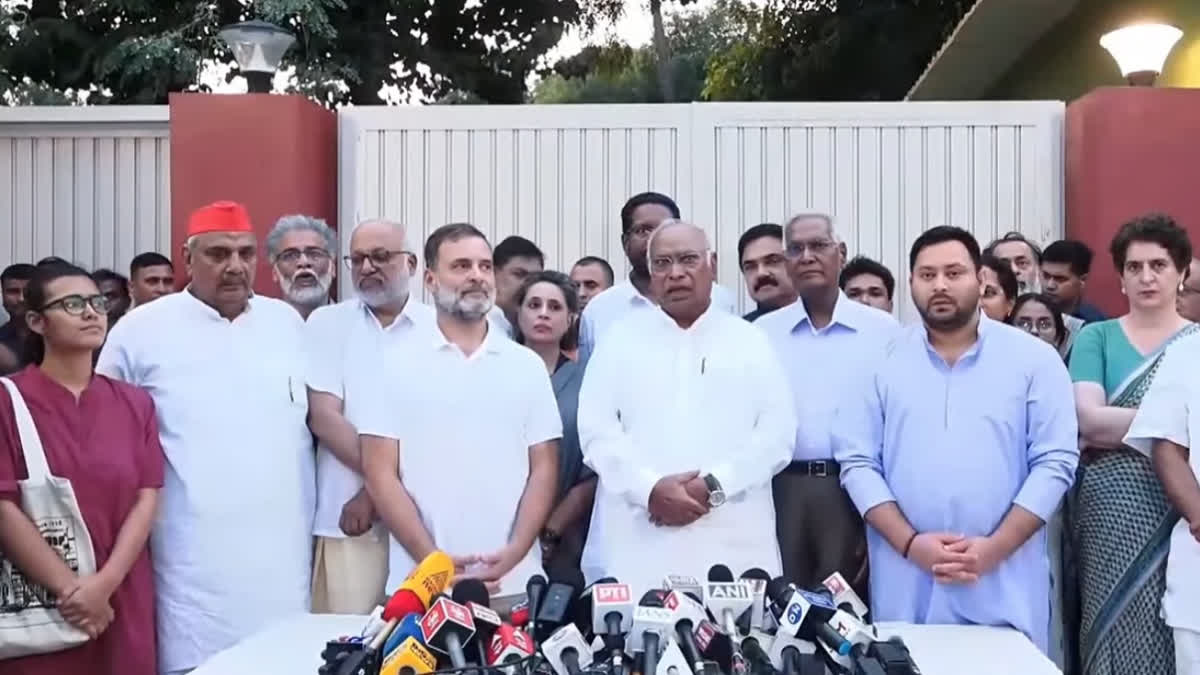
During the October 12 events, Rahul Gandhi and other INDIA bloc leaders marched towards the Supreme Court. Gandhi later entered the court premises in connection with the filing of a joint petition. However, because the registry was close to shutting for the day, the petition was ultimately filed through lawyers.
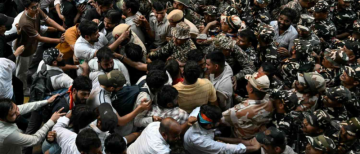
The episode reportedly led to a crowd gathering and commotion within the Supreme Court precincts, prompting concerns about the manner in which the premises were accessed during a politically charged demonstration.
For the Opposition, the central issue remains the fairness and transparency of the electoral process. For the Supreme Court, however, the manner in which political activity reaches the court premises has become a separate concern requiring an explanation.
Supreme Court Issues Notices on SIR and Alleged Voter Deletions
Alongside its criticism of the protest march, the Supreme Court took up the substantive electoral issues raised by Rahul Gandhi and other Opposition leaders. A bench comprising Chief Justice Surya Kant and Justice Joymalya Bagchi issued notices to the Election Commission of India, Chief Election Commissioner Gyanesh Kumar and Election Commissioners Sukhbir Singh Sandhu and Vivek Joshi.
The petitions challenge alleged irregularities in the Special Intensive Revision of electoral rolls and raise concerns about the possible deletion of large numbers of voters. The Opposition has argued that the process requires greater transparency and closer judicial scrutiny.
The petition also seeks disclosure of Election Commission records, including files, meeting minutes, objections and other material connected with decisions taken during the SIR exercise. The demand is aimed at establishing how the disputed decisions were reached and whether the process followed the applicable legal requirements.
The court’s decision to issue notices means that the respondents will have an opportunity to present their responses. It does not establish that the allegations made by the petitioners are true, nor does it amount to a final judgment on the legality of the SIR exercise.
The petitions filed by the INDIA bloc and AIMIM leader Asaduddin Owaisi are to be considered alongside an existing case concerning the electoral-roll revision. This approach could bring related challenges before the court within a common legal framework.
The development is significant because electoral rolls form the foundation of the voting process. Allegations of wrongful voter deletion can raise concerns about electoral participation, while a transparent and legally sound revision process is essential to maintaining public confidence in elections.
For the Opposition, the next stage will involve substantiating its claims through legal arguments and supporting material. For the Election Commission, the proceedings offer an opportunity to explain the procedures and decisions under challenge.
Delhi Protest Hearing: Supreme Court Orders Preservation of CCTV Footage
The Supreme Court’s October 15 hearing extended beyond the Rahul Gandhi controversy to the wider handling of protests in Delhi. The bench directed law enforcement agencies to preserve CCTV recordings, video footage and other digital material connected with the demonstrations.
The court also allowed private individuals and organisations to preserve and submit relevant recordings or other material. Such evidence could become important in examining competing accounts of what happened during the protests and the subsequent police response.
The direction is particularly relevant amid allegations concerning police conduct, treatment of demonstrators and the handling of journalists covering the events. Preserving available footage can help ensure that evidence remains accessible while the court considers the issues before it.
The hearing also brought concerns about journalists into focus. A plea concerning the alleged seizure of journalists’ devices was raised, with the Solicitor General stating that no such seizure had taken place. The court indicated that it would seek a response from the Union government on matters related to the protest crackdown.
In a separate development, the Chief Justice directed Delhi Police not to arrest a woman journalist in a case that came before the bench, with the Solicitor General stating that she would not be arrested if she joined the investigation.
The court also indicated that it could constitute a committee to examine allegations that women journalists were assaulted by police during the protests. Advocate Indira Jaising was asked to submit sealed envelopes containing the names of the journalists who allegedly faced assault and details of retired women judges and police officers who could be considered for the proposed committee.
These proceedings remain distinct from the electoral-roll petitions. Taken together, however, they show that the Supreme Court is examining several aspects of the unrest, including political conduct, police action, access to evidence and the protection of people involved in reporting on public demonstrations.
Jantar Mantar Protest Site Row Reaches the Supreme Court
Another important issue before the court was the decision to remove Jantar Mantar from the list of designated protest sites in Delhi.
The Supreme Court issued notice to the Centre and sought a response on the challenge to the decision. The bench also questioned whether the move was based on the court’s earlier oral observations or on an independent assessment of the site's suitability for public demonstrations.
The government’s representative maintained that the decision had not been taken on the basis of the Supreme Court’s observations. He said a committee had examined the issue and submitted a detailed report.
The petitioners argued that a designated protest site must allow demonstrators to make their voices heard. They sought restoration of Jantar Mantar’s status as an authorised venue for public protests.
The dispute has broader implications for the right to peaceful assembly in the national capital. While authorities must consider public order, traffic management and security, restrictions on designated protest venues can affect the ability of citizens and political groups to organise demonstrations.
Following the removal of Jantar Mantar’s designated status, authorities had proposed alternative locations, including Ramlila Maidan, Burari Ground and CBD Ground. The suitability and accessibility of such alternatives have become part of the wider debate over where demonstrations can take place.
The Supreme Court has sought responses rather than delivered a final ruling on the challenge. Its examination could clarify the considerations authorities must take into account when deciding whether a public space should remain available for demonstrations.
Metro Restrictions and Police Action Under Judicial Scrutiny
The October protests have also triggered questions about restrictions on public transport and the limits of police powers during demonstrations.
The Supreme Court proceedings included a contempt matter concerning restrictions imposed around the October 10 protest called by the Cockroach Janta Party. The demonstration had led to security measures affecting metro access and public movement in parts of Delhi.
Delhi Police Commissioner Anurag Kumar submitted an unconditional and unqualified apology to the court over the restrictions. In affidavits, he denied any deliberate or wilful disobedience of the court’s directions and sought discharge of the contempt notice.
The police chief stated that cellular internet services had been suspended within a four-kilometre radius of Raisina Hill and that metro entry and exit restrictions were reduced after the court’s October 9 order. According to the affidavits, full metro services were restored by 10 pm on October 10.
The Supreme Court also issued notice on petitions challenging the constitutional validity of Section 172 of the Bharatiya Nagarik Suraksha Sanhita (BNSS). The provision concerns compliance with lawful police directions and empowers officers to detain or arrest people who disobey such directions in the circumstances covered by the law.
The challenge places the scope of police authority and the protection of individual rights under judicial examination. The court will have to consider the legal arguments before reaching any conclusion on the provision’s validity.
What Happens Next in the Rahul Gandhi-Supreme Court Row?
The Supreme Court’s October 15 proceedings have opened several legal fronts at once. Rahul Gandhi has been asked to explain his conduct during the October 12 protest march, while the Election Commission and other respondents have been called upon to answer allegations concerning the SIR exercise.
The court is also examining questions surrounding protest restrictions, police conduct, journalists’ safety and the preservation of evidence from demonstrations in Delhi.
The immediate political significance lies in the Supreme Court’s warning that the judiciary cannot be pressured through demonstrations. At the same time, the court’s decision to hear petitions on electoral-roll irregularities and restrictions on protests shows that the underlying disputes remain open to judicial examination.
For the Opposition, the challenge is to establish its allegations through the legal process. For the authorities, the proceedings require responses to questions about electoral administration, public order and the handling of demonstrations.
The next hearings will be important in determining how these issues develop. Until the court reaches its conclusions, the allegations against the Election Commission and questions surrounding the October 12 march must be treated as matters under consideration rather than settled findings.
The larger issue extends beyond one political leader or one protest. It concerns the balance between democratic dissent, transparent elections, public order and the independence of the judiciary. How the Supreme Court resolves these questions could have implications for political demonstrations and electoral accountability in India.
© Copyright 2026. All Rights Reserved. Powered by Vygr Media.