 By
By 
As tensions in West Asia continue to rattle global energy markets, Prime Minister Narendra Modi has urged Indians to adopt fuel-saving habits reminiscent of the COVID-19 era, including a renewed push for work-from-home (WFH) and hybrid work models. The appeal comes against the backdrop of rising crude oil prices triggered by the escalating Iran conflict, with the Centre attempting to cushion India’s economy from potential external shocks.
The Prime Minister’s message, delivered during a high-level review on energy conservation and economic preparedness, has triggered widespread discussion among corporate professionals, economists, and industry leaders. While many urban employees welcomed the suggestion as practical and overdue, others questioned whether India’s corporate ecosystem is prepared for another large-scale shift toward remote work.
The appeal is part of a broader austerity-style advisory issued by the government, which includes multiple “dos and don’ts” aimed at reducing unnecessary fuel consumption, curbing non-essential imports, and managing household spending patterns amid global uncertainty.
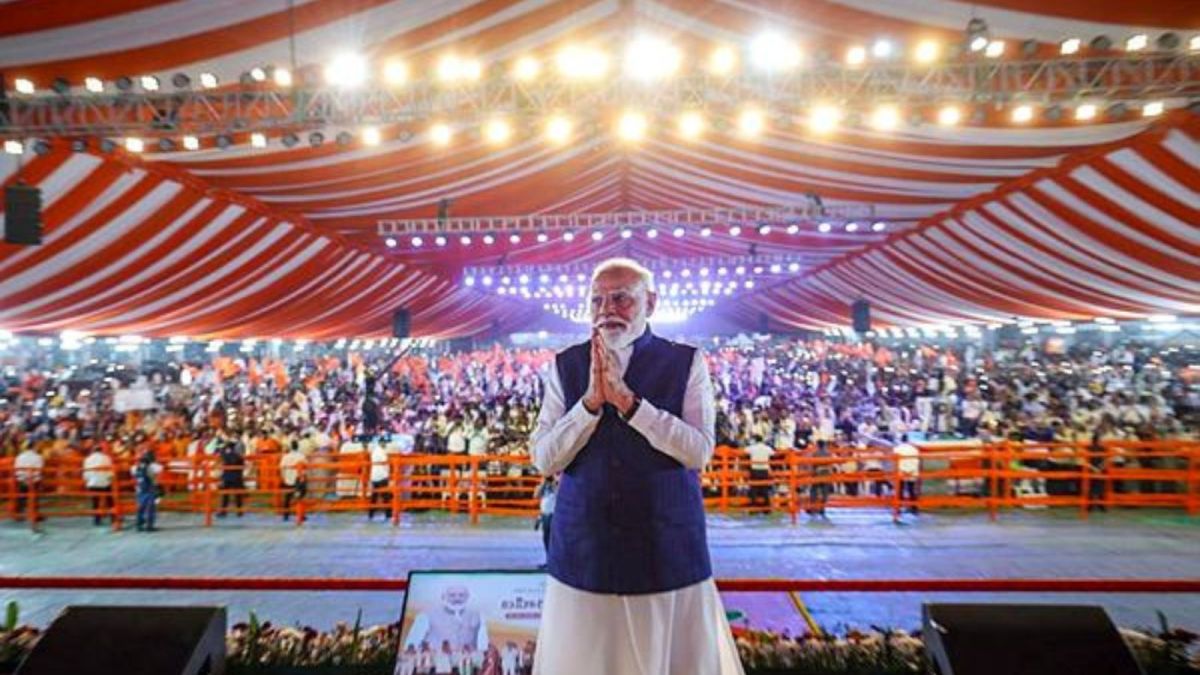
Why PM Modi Is Asking Indians to Work From Home Again
The renewed emphasis on remote work stems largely from fears of sustained increases in global crude oil prices due to the worsening Iran conflict. India imports more than 85% of its crude oil requirements, making the country particularly vulnerable to disruptions in global energy supply chains.
According to reports, the Centre fears that prolonged instability in the Middle East could significantly raise India’s import bill, fuel inflation, weaken the rupee, and increase pressure on public finances. To prevent excessive fuel consumption, the government is encouraging citizens and corporations to voluntarily reduce commuting wherever possible.
Officials reportedly referenced the COVID-era work culture as proof that large parts of India’s service economy can continue functioning efficiently without daily office travel. The Prime Minister is understood to have encouraged companies to adopt hybrid schedules and rotational attendance models to reduce traffic congestion and fuel demand.
The advisory does not amount to a mandatory order or lockdown-style restriction. Instead, it is being positioned as a preventive and cooperative economic measure designed to protect the country from external volatility.
Corporate India Asked to Revisit Hybrid Work Policies
The Centre’s suggestion has placed India Inc. in an uncomfortable but familiar position. Over the past two years, many major companies have pushed aggressively for a full return to office, arguing that in-person collaboration improves productivity, innovation, and team culture.
However, the government’s latest remarks may force several firms to reconsider those policies, especially in metro cities where daily commutes consume large amounts of fuel.
Industry observers note that hybrid work models could help reduce petrol and diesel demand significantly if implemented at scale across sectors such as IT, consulting, finance, digital services, media, and customer support.
Several professionals took to social media to welcome the proposal, arguing that commuting long distances to office spaces often serves little operational purpose in digitally driven jobs. Many employees pointed out that work-from-home had already proven successful during the pandemic years and that companies should not insist on mandatory office attendance merely for optics.
Online reactions showed strong support from professionals in cities such as Bengaluru, Mumbai, Pune, Gurugram, Hyderabad, and Noida, where daily travel times and fuel expenses have become major concerns.
One widely shared reaction stated that “there is no point burning fuel just to sit on Zoom calls from office cubicles,” reflecting a sentiment echoed by many remote-work supporters.
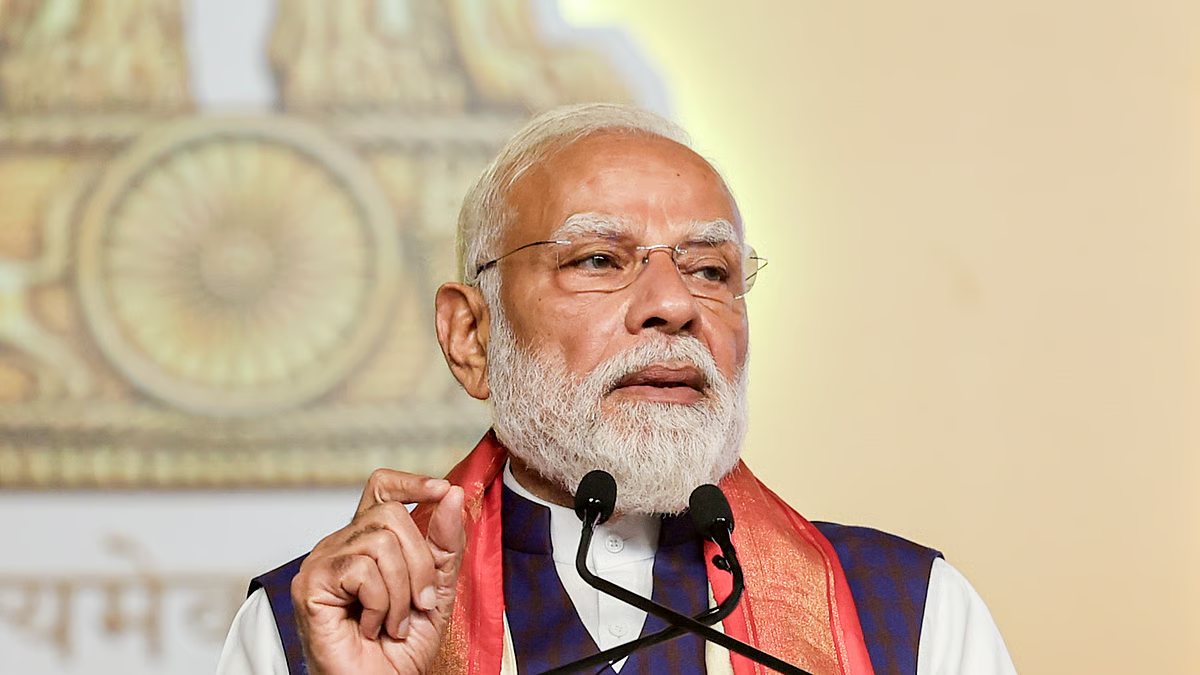
Professionals Cheer the Suggestion
The Prime Minister’s comments quickly gained traction online, especially among white-collar workers who had experienced greater flexibility during the pandemic years.
Many professionals argued that WFH not only saves fuel but also reduces stress, traffic congestion, and pollution. Some said they spend several hours daily commuting despite doing most of their work digitally.
Others pointed out that the return-to-office movement had increased living costs for employees already struggling with inflation and stagnant salary growth. Fuel expenses, rent near office hubs, parking charges, and food costs have collectively added financial pressure on urban households.
Social media users also highlighted environmental benefits. Reduced traffic during the COVID lockdown years had noticeably improved air quality in many cities, and some users argued that hybrid work could support India’s climate commitments while also saving foreign exchange spent on crude imports.
At the same time, not everyone supported the idea. Some users argued that remote work negatively affects workplace culture, mentorship opportunities, and employee discipline. A few also pointed out that certain sectors cannot operate remotely and may feel excluded from such discussions.
The Iran Conflict and Its Impact on India
The government’s caution comes amid fears that the Iran conflict could destabilize global oil shipping routes and trigger prolonged supply disruptions. The Strait of Hormuz, a crucial maritime chokepoint through which a large share of the world’s oil passes, remains central to global energy security.
Any escalation affecting oil movement through the region could rapidly increase international crude prices. Analysts have warned that even a moderate supply disruption may sharply impact import-dependent economies like India.
Higher crude prices generally translate into:
-
Increased petrol and diesel costs
-
Rising transportation expenses
-
Higher inflation in food and consumer goods
-
Pressure on airline and logistics sectors
-
Increased subsidy burdens
-
Rupee depreciation risks
-
Higher current account deficit
India has already faced energy-related inflation pressures in previous geopolitical crises, including the Russia-Ukraine conflict. Policymakers now appear determined to prevent similar economic stress by encouraging preventive conservation measures early.
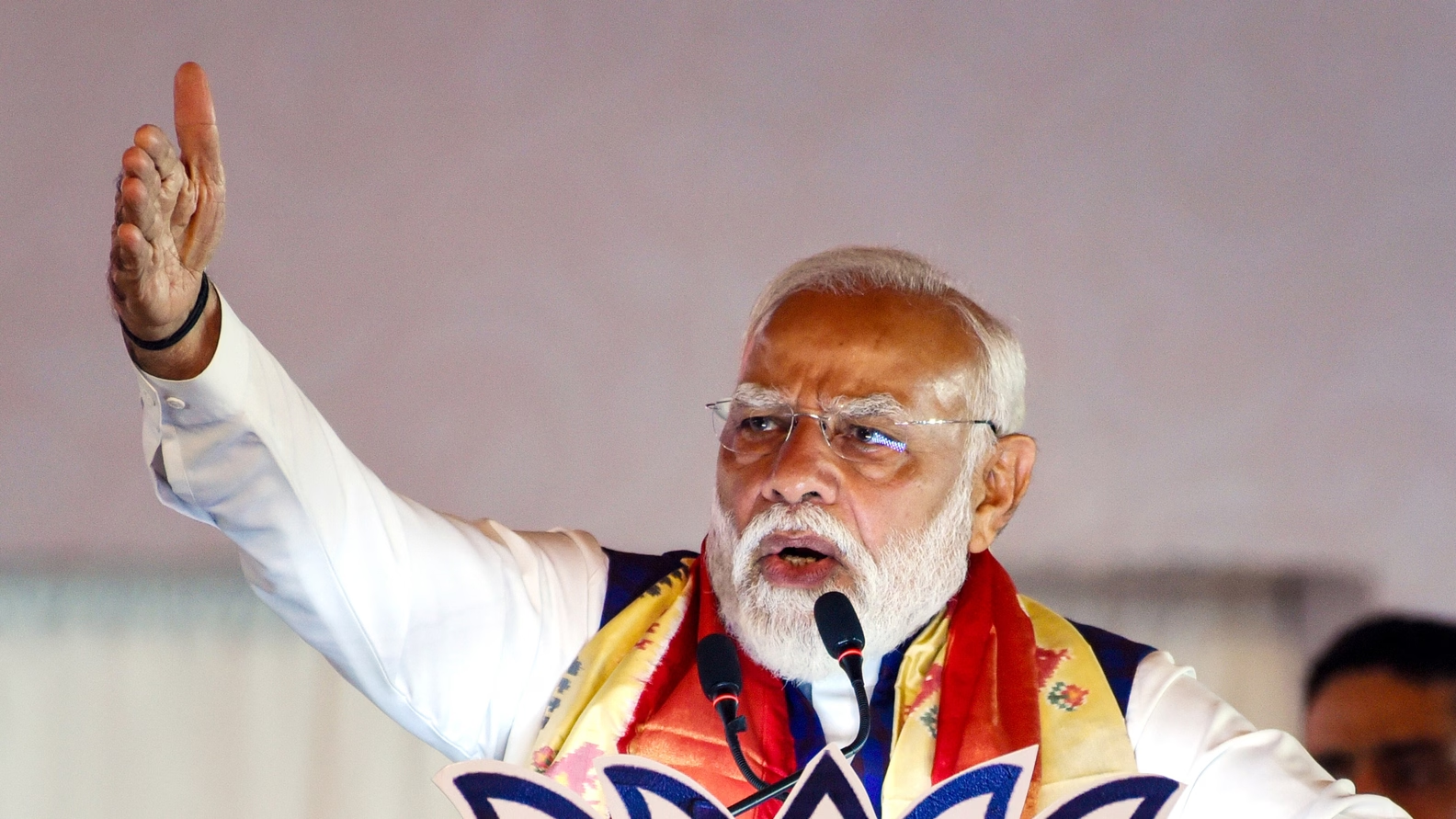
PM Modi’s Broader Austerity Push: Full List of Appeals
Apart from encouraging work-from-home practices, the Prime Minister reportedly outlined a broader list of measures aimed at conserving fuel and strengthening economic resilience.
Avoid Panic Buying
Citizens have been urged not to engage in panic purchases of fuel or essential goods. Officials fear that panic-driven demand spikes could worsen supply pressures and create artificial shortages.
Use Public Transport More Frequently
The government encouraged greater use of buses, metro services, and carpooling to reduce individual fuel consumption.
Reduce Non-Essential Travel
People have been advised to minimize avoidable road trips and unnecessary vehicle usage whenever possible.
Avoid Excessive Gold Purchases
One of the most discussed points from the advisory involved discouraging excessive gold buying. India imports large quantities of gold annually, and high imports can strain foreign exchange reserves during periods of global instability.
The Centre reportedly wants households to prioritize financial prudence rather than speculative or luxury spending.
Save Electricity
The Prime Minister also emphasized energy conservation in households and offices, including responsible electricity usage.
Promote Digital Meetings
Businesses and institutions were encouraged to prefer virtual meetings over unnecessary travel-intensive gatherings.
Encourage Carpooling
Shared transportation was highlighted as another simple but effective method to reduce fuel consumption.
Avoid Wasteful Consumption
Citizens were urged to adopt responsible spending habits and avoid wasteful consumption patterns during uncertain global conditions.
Focus on Domestic Economic Stability
Officials reportedly stressed the importance of supporting domestic manufacturing, conserving resources, and strengthening India’s economic resilience against global shocks.
Is India Heading Toward Another Work-From-Home Era?
Despite the strong public reaction, experts say India is unlikely to witness a full-scale return to pandemic-style remote work. Instead, hybrid work arrangements may become more common if crude oil prices remain elevated for an extended period.
Several technology firms already operate on partial hybrid schedules, allowing employees to work remotely for part of the week. The current geopolitical situation may encourage more companies to expand those arrangements voluntarily.
However, challenges remain.
Many firms have invested heavily in office infrastructure and commercial leases. Corporate leaders also continue to argue that physical collaboration strengthens creativity, accountability, and organizational culture.
Real estate and hospitality sectors may also resist any large-scale move back to remote work, as office attendance directly impacts demand for commercial spaces, restaurants, transport services, and urban retail ecosystems.
Experts believe the final response from corporate India will depend largely on how long the Iran conflict affects global oil prices.
Economic Experts Support Preventive Measures
Several economists have backed the government’s advisory, describing it as a precautionary strategy rather than a sign of immediate crisis.
Energy analysts argue that small behavioral changes across millions of households can significantly reduce fuel demand at the national level. If hybrid work reduces even a fraction of daily commuting traffic in major cities, the cumulative savings could be substantial.
Economists also say early conservation measures can help moderate inflationary pressures and reduce the need for aggressive interventions later.
India’s experience during the pandemic demonstrated that remote operations are viable for large sections of the economy. As a result, policymakers now view flexible work arrangements as an emergency-response tool that can be activated during periods of external economic stress.
Public Response Reflects Changing Workplace Priorities
The enthusiastic online response to the Prime Minister’s suggestion also reflects changing attitudes toward work culture in urban India.
For many professionals, remote work is no longer seen as a temporary pandemic arrangement but as a legitimate long-term model offering better work-life balance, lower expenses, and greater flexibility.
The debate has also reignited broader conversations around urban infrastructure, commuting inefficiencies, and employee well-being.
Long travel hours in congested metro cities remain a major quality-of-life concern for millions of workers. The renewed WFH discussion has once again highlighted how digital work systems can reduce pressure on transportation networks while improving productivity for many knowledge-sector jobs.
At the same time, companies remain cautious about permanently shifting away from office-centric models.
A Delicate Balance Between Economy and Conservation
The government’s messaging appears carefully calibrated to avoid creating panic while still encouraging responsible economic behavior. Unlike COVID-era restrictions, the current advisory is voluntary and focused on preparedness rather than emergency enforcement.
Officials are attempting to strike a balance between maintaining economic activity and reducing unnecessary fuel consumption.
The coming weeks will likely determine whether corporate India meaningfully responds to the Prime Minister’s appeal or treats it as temporary guidance linked to geopolitical uncertainty.
If crude prices continue rising sharply, hybrid work policies may gain stronger institutional support. But if tensions ease and energy markets stabilize, the WFH discussion could fade as companies continue their return-to-office push.
For now, however, the Iran conflict has unexpectedly revived one of the defining workplace debates of the post-pandemic era — whether India truly needs millions of employees commuting daily to offices in a digital-first economy.
With inputs from agencies
Image Source: Multiple agencies
© Copyright 2026. All Rights Reserved. Powered by Vygr Media.