 By
By 
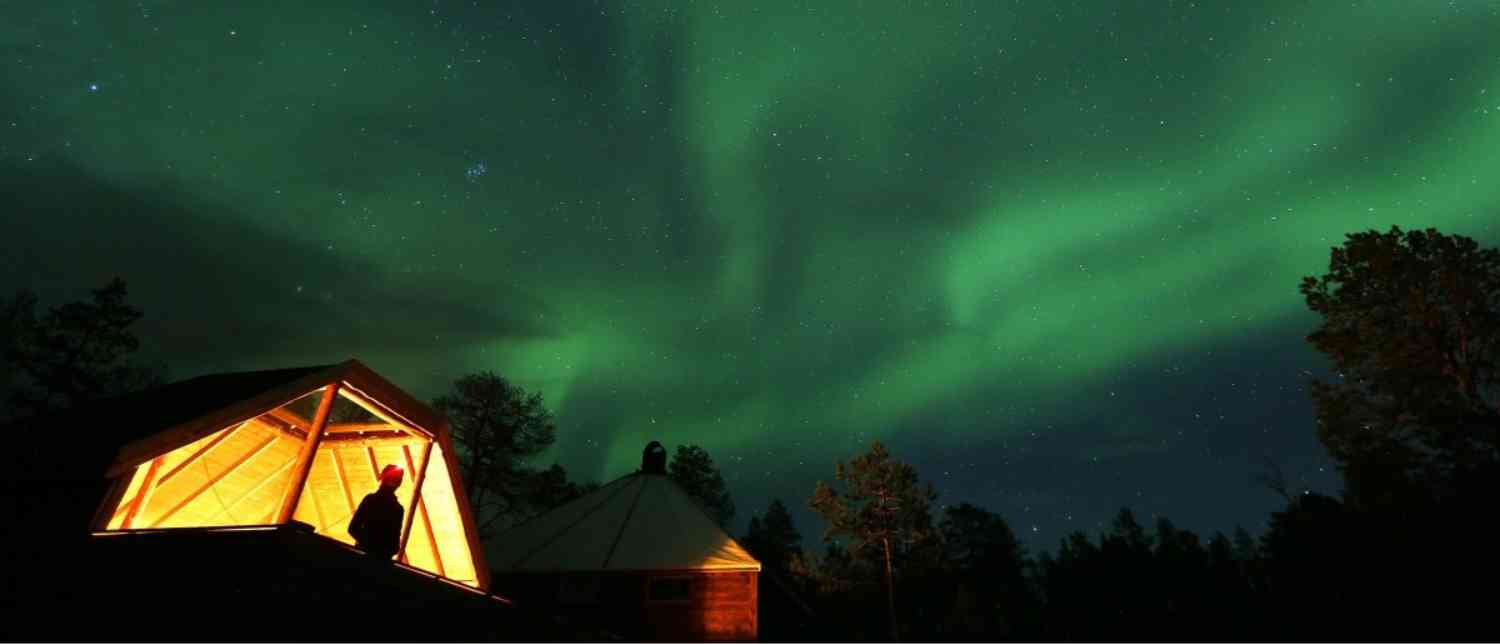
A rare celestial spectacle could unfold over parts of India tonight as a powerful solar storm races toward Earth, potentially bringing the Aurora Borealis — popularly known as the Northern Lights — into view across select high-altitude regions of the country. The phenomenon, typically associated with Arctic nations such as Norway and Iceland, may become visible in northern India due to an unusually strong geomagnetic storm triggered by intense solar activity.
According to space weather forecasts, a series of powerful eruptions from the Sun have launched massive clouds of charged particles toward Earth. These eruptions, known as Coronal Mass Ejections (CMEs), originated from an active sunspot region and are expected to interact with Earth’s magnetic field between June 8 and June 9. The resulting geomagnetic disturbance has prompted authorities, including the US National Oceanic and Atmospheric Administration (NOAA), to issue a G3 to G4 geomagnetic storm watch, categorizing the event as strong to severe.
The approaching storm has generated excitement among astronomers, researchers, and skywatchers because strong geomagnetic events can push the auroral oval much farther south than normal. If conditions align, residents and visitors in parts of northern India could witness a phenomenon that is rarely seen at these latitudes.
Why This Solar Storm Is Significant
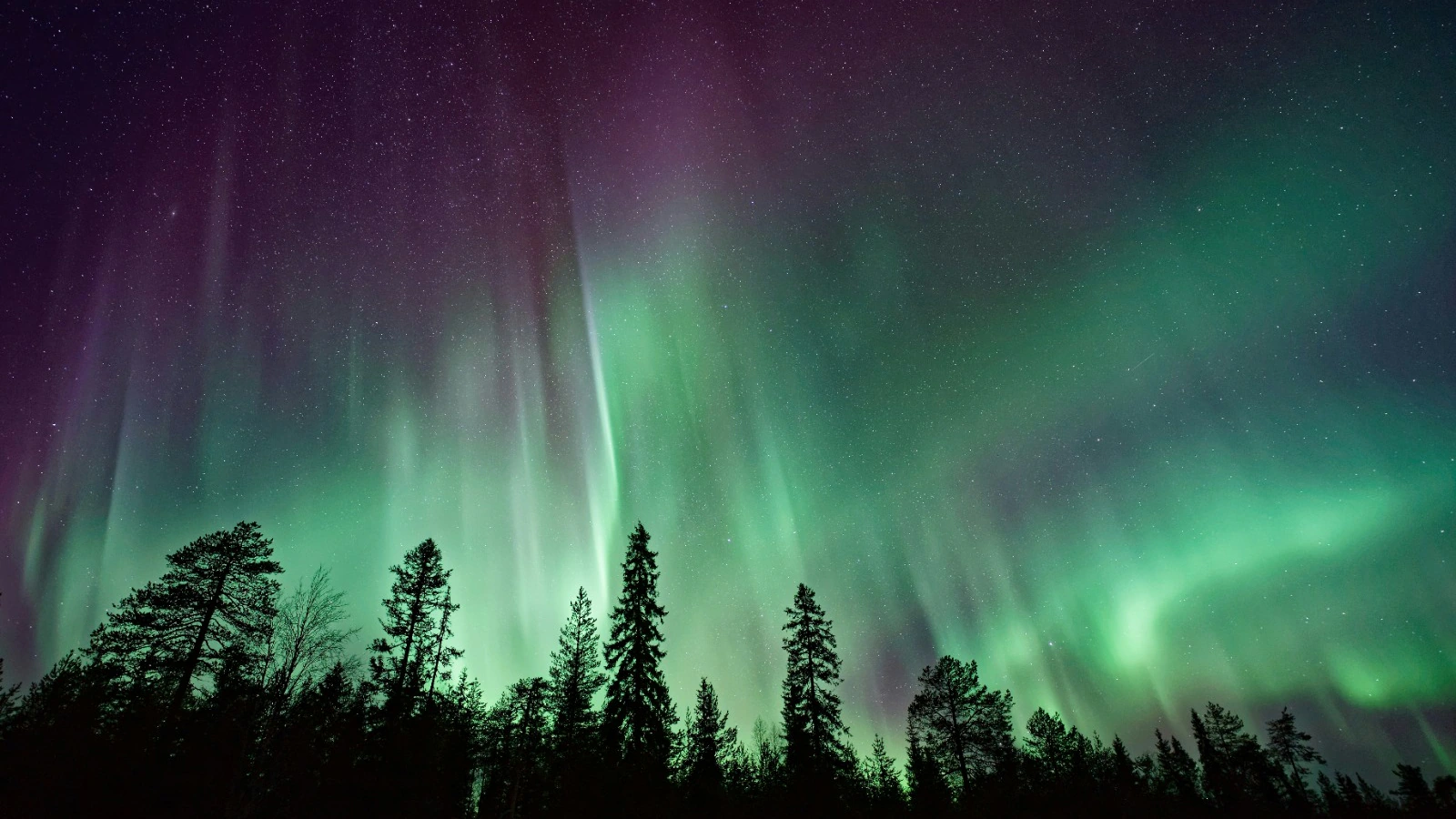
Auroras are usually confined to regions near Earth’s magnetic poles. However, during particularly intense geomagnetic storms, the area where auroras are visible expands significantly. This expansion can occasionally allow sightings in locations far from the Arctic Circle.
The current event is being driven by multiple CMEs carrying billions of tonnes of solar plasma and magnetic energy. As these charged particles collide with Earth’s magnetic shield, they energize atmospheric gases and create luminous displays in the night sky. Scientists say the strength of the incoming storm makes it one of the most promising opportunities in recent times for auroral visibility across parts of India.
The phenomenon comes as the Sun continues to experience heightened activity near its solar maximum phase, a period in the solar cycle characterized by increased sunspots, solar flares, and coronal mass ejections. Such periods often produce stronger space-weather events capable of generating auroras at lower latitudes than usual.
Where the Northern Lights Could Be Seen in India
Experts caution that aurora visibility in India will be limited to select locations with high altitude, dark skies, and minimal light pollution.
Among the most promising destinations is Ladakh, widely regarded as one of India's premier stargazing regions. The Hanle Dark Sky Reserve, already internationally recognized for its pristine night skies, is expected to offer one of the best opportunities for observing the event. Other parts of Ladakh, including Pangong Tso, Pangong Lake, Nubra Valley, Drass, and Kargil, are also considered favourable viewing locations.
Kashmir is another region being closely watched. Remote high-altitude areas around Gulmarg, Sonamarg, and other elevated locations could potentially provide clear views toward the northern horizon if weather conditions remain favourable.
The Upper Himalayas of Uttarakhand are also among the locations where sightings may be possible. Areas such as Munsiyari and Auli, which offer relatively dark skies away from urban centres, are considered suitable observation points. Similarly, Himachal Pradesh's Spiti Valley, Kaza, and surrounding Himalayan regions could provide opportunities for viewing the phenomenon.
In the northeastern region, Tawang in Arunachal Pradesh has also been identified as a potential observation site due to its altitude and relatively low levels of light pollution.
Best Time to Watch the Aurora
Astronomers have outlined a key observation window during which auroral activity is most likely to be visible from India.
According to forecasts, the geomagnetic storm is expected to reach peak intensity between approximately 10:00 PM and 2:30 AM IST, with some projections identifying the strongest activity between 11:30 PM on June 8 and 2:30 AM on June 9. However, experts note that the exact timing could shift depending on the arrival speed of the solar material and real-time satellite observations.
Skywatchers are advised to move to locations with clear northern horizons, avoid artificial lighting, and allow their eyes time to adjust to darkness. Cloud cover and local weather conditions will play a major role in determining visibility.
Metro Cities Unlikely to Witness the Display
While excitement surrounding the event has spread across the country, experts have made it clear that major metropolitan areas are unlikely to witness the Northern Lights.
Cities including Delhi, Mumbai, Bengaluru, Chennai, and Kolkata face significant disadvantages due to heavy urban light pollution, atmospheric haze, and their geographical locations farther south. Even if the geomagnetic storm reaches expected levels, the faint nature of any auroral glow over India would make it virtually impossible to observe from densely populated urban centres.
Public discussions on social media and online forums have reflected similar expectations, with many users noting that air pollution and city lights would likely prevent visibility in large Indian cities.
What the Aurora May Look Like in India
Anyone expecting the bright green curtains commonly seen in photographs from Scandinavia may need to adjust their expectations.
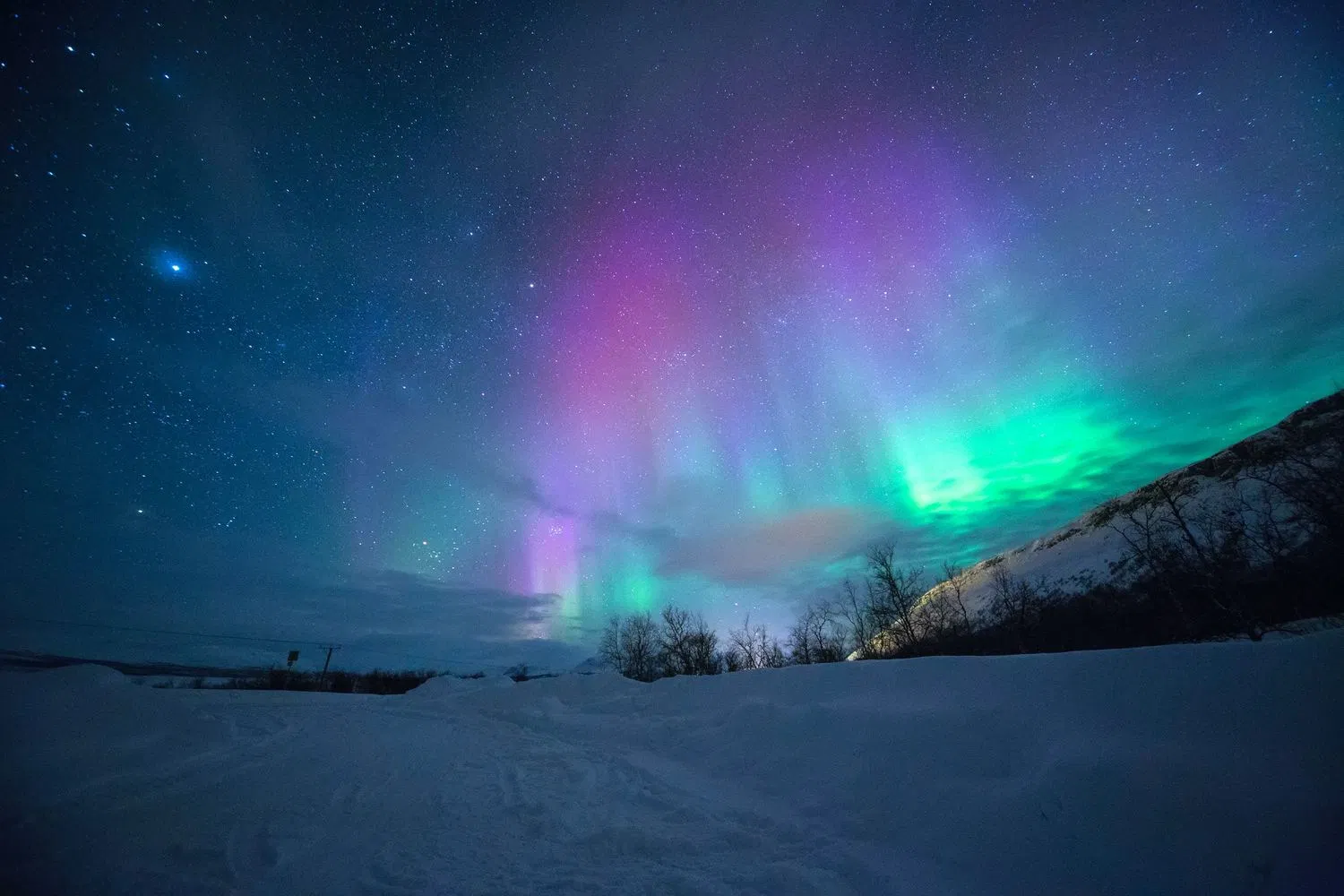
Scientists say that if auroras become visible from India, they are more likely to appear as faint crimson-red, deep purple, or reddish glows low on the northern horizon rather than dramatic green waves overhead. This is because observers in India would be viewing the uppermost edge of the auroral display from a considerable distance.
At altitudes above approximately 200 kilometres, charged solar particles interact with low-density oxygen atoms in Earth's atmosphere, producing the distinctive red colour. Green auroras, which are more commonly photographed in polar regions, occur when oxygen atoms at lower altitudes become excited by incoming solar particles.
Different atmospheric gases create different colours. Oxygen is responsible for green and red displays, while nitrogen can produce blue and purple hues. The exact appearance depends on altitude, atmospheric composition, and the intensity of the geomagnetic storm.
Understanding the Science Behind Auroras
Auroras occur when charged particles released by the Sun travel through space and interact with Earth's magnetic field. These particles are guided toward the planet’s polar regions, where they collide with oxygen and nitrogen atoms in the upper atmosphere.
The collisions release energy in the form of light, creating the shimmering ribbons, curtains, and glowing arcs associated with auroral displays. The stronger the solar storm, the farther from the poles these lights can be observed.
The scientific name for the Northern Lights is Aurora Borealis. The word "Aurora" comes from the Roman goddess of dawn, while "Borealis" refers to Boreas, the Greek god of the north wind. Together, the term translates roughly to "Dawn of the North." The Southern Hemisphere counterpart is known as Aurora Australis, or the Southern Lights.
Cameras May Perform Better Than the Naked Eye
Astronomers caution that even if auroral activity reaches northern India, the display may be too faint for many observers to see clearly with the naked eye.
Modern smartphones and cameras equipped with night mode or long-exposure photography settings could significantly improve the chances of capturing the phenomenon. Experts recommend using tripods, minimizing artificial light exposure, and photographing the northern horizon during the peak viewing window.
The possibility of witnessing the Aurora Borealis from Indian soil has generated considerable excitement because such opportunities are exceptionally rare. While visibility remains dependent on weather, atmospheric conditions, and the ultimate strength of the geomagnetic storm, skywatchers across the Himalayan region will be looking north tonight in hopes of catching a glimpse of one of nature’s most spectacular light shows.
With inputs from agencies
Image Source: Multiple agencies
© Copyright 2026. All Rights Reserved. Powered by Vygr Media.