
 By
By 
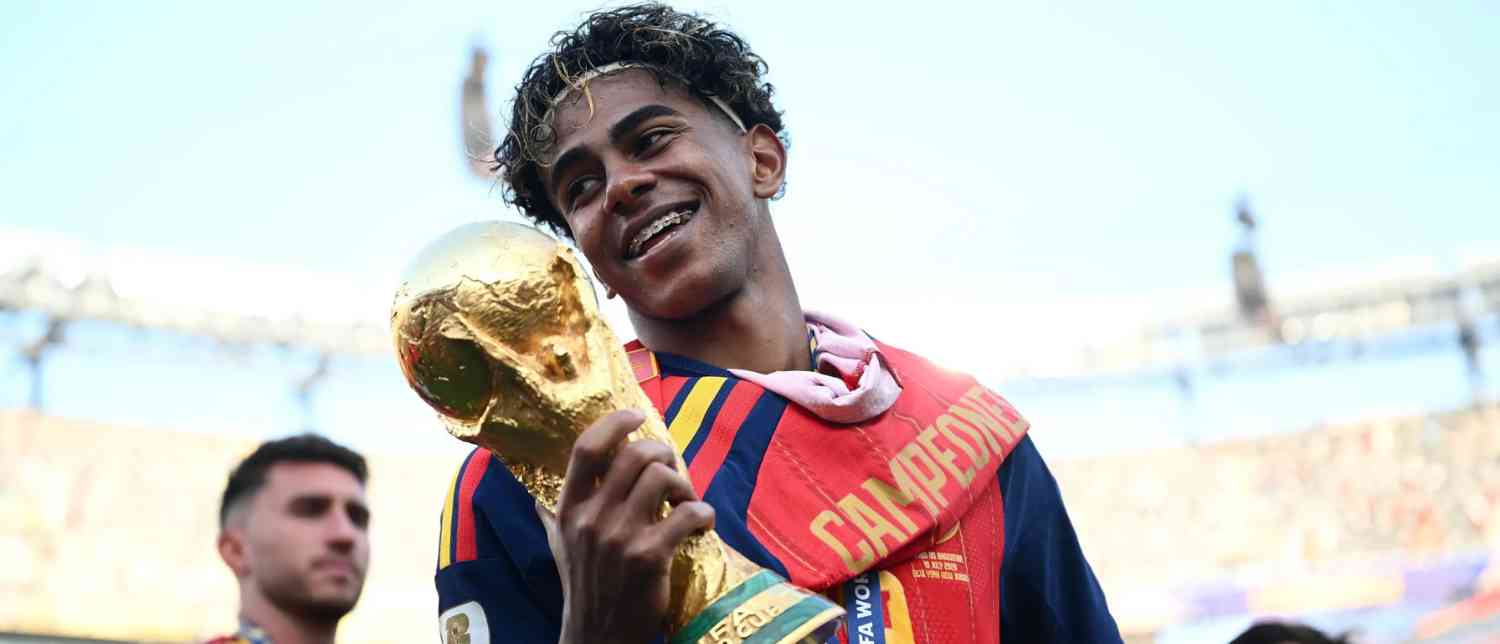
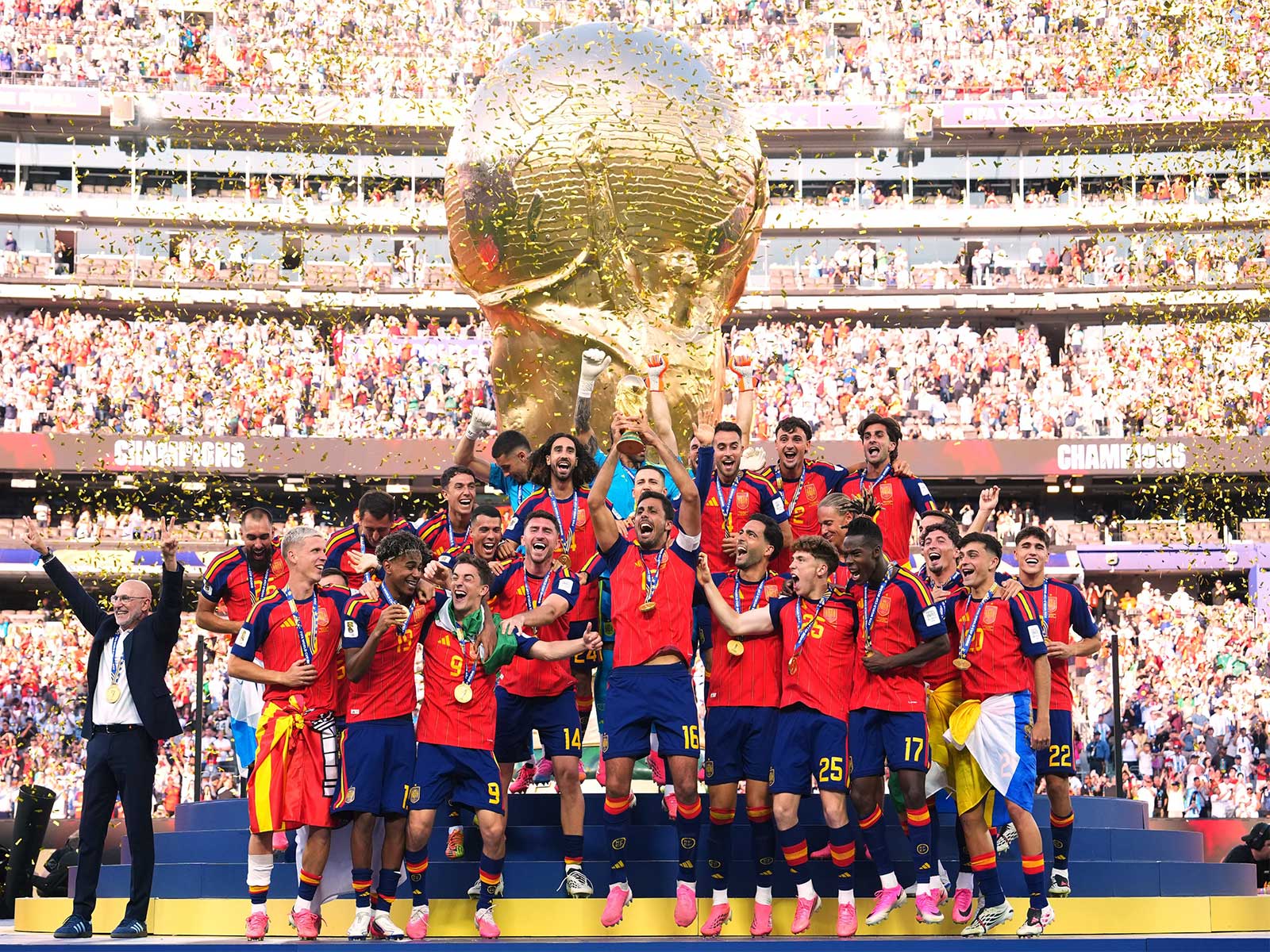
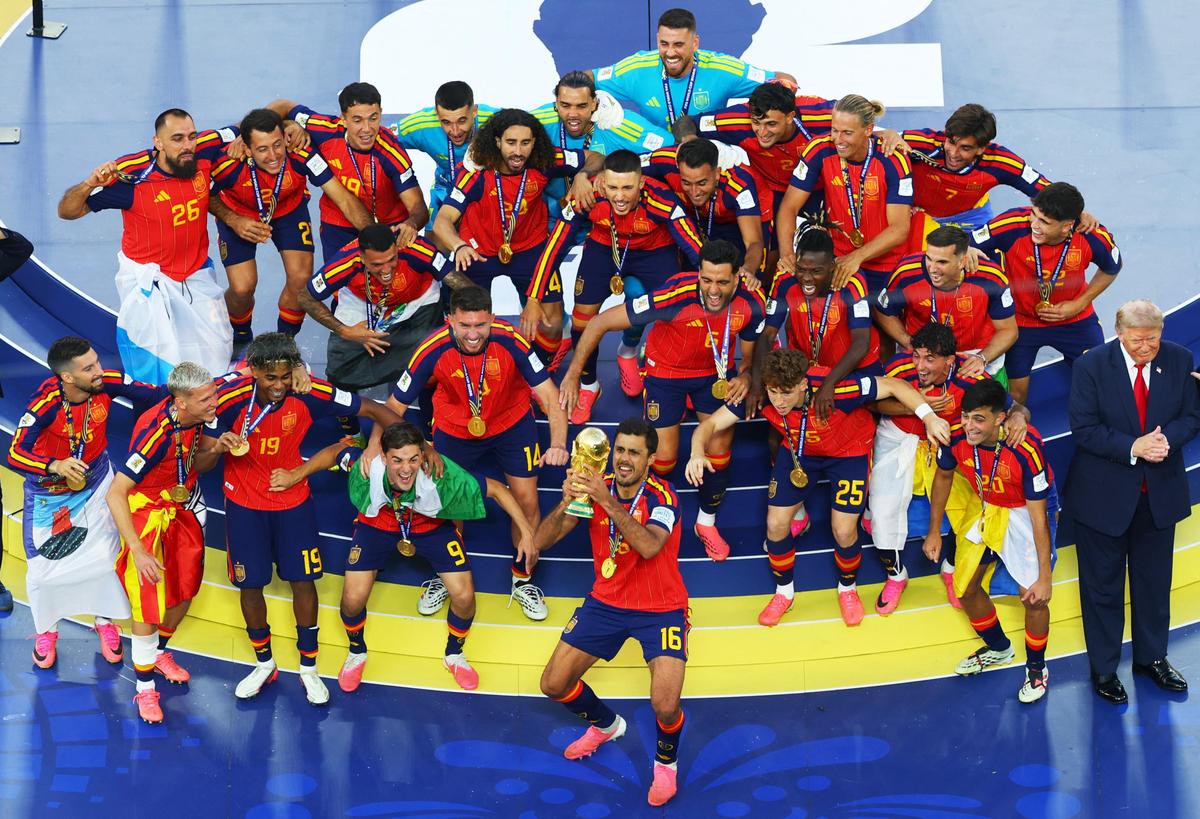
Spain are world champions once again. Sixteen years after lifting their maiden FIFA World Cup in South Africa, La Roja returned to the summit of international football with a dramatic 1-0 extra-time victory over defending champions Argentina in the 2026 FIFA World Cup final. A 106th-minute strike from substitute Ferran Torres proved decisive in a tense, tactical contest that may also have marked the final World Cup appearance of Lionel Messi.
Played before a packed crowd at the New York New Jersey Stadium, the final delivered everything expected from a clash between two footballing powerhouses. Spain dominated possession and dictated the tempo for much of the evening, while Argentina relied on defensive resilience, Emiliano Martínez's brilliance and moments of inspiration from their experienced stars. Ultimately, Spain's relentless pressure paid off, ending Argentina's reign as world champions and securing the country's second-ever FIFA World Cup title.
Ferran Torres Delivers the Defining Moment
For more than 100 minutes, Spain created opportunities but found Martínez almost impossible to beat. The Argentine goalkeeper produced a series of remarkable saves, frustrating Spain's attackers and keeping the reigning champions alive.
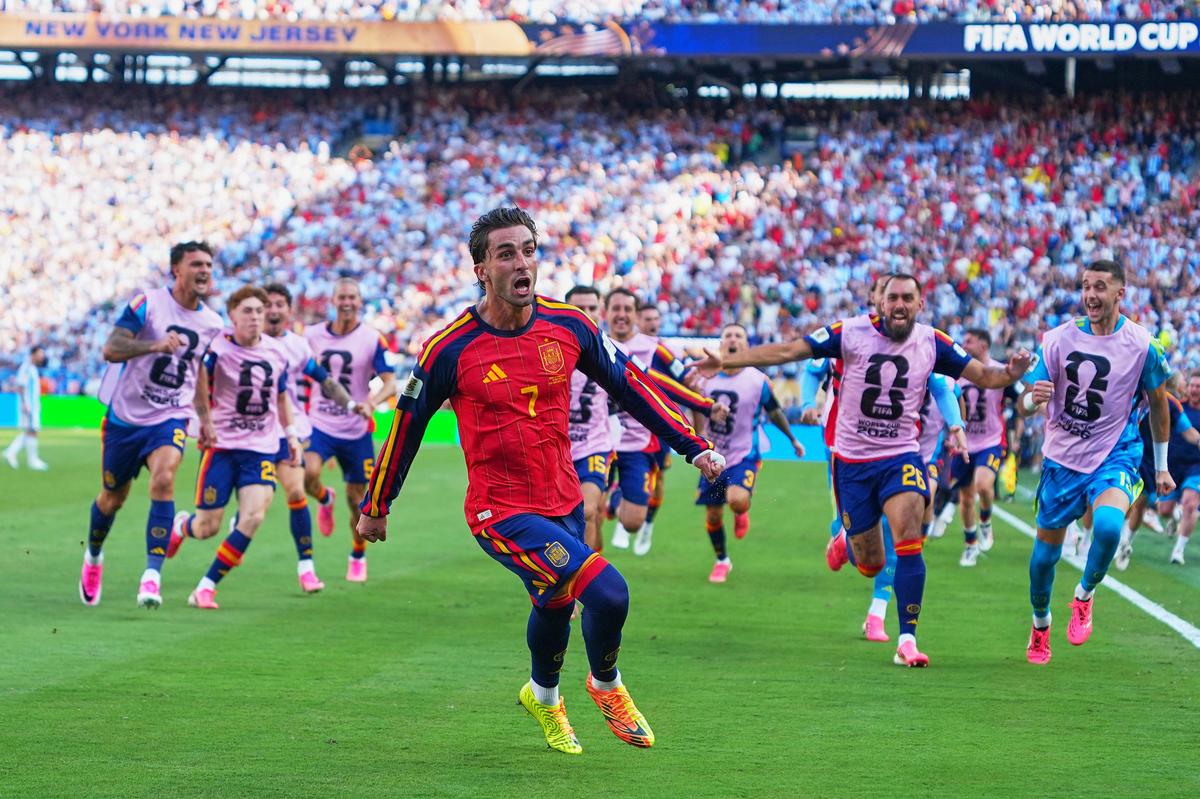
The breakthrough finally arrived in the 106th minute. Nico Williams surged down the flank before delivering an inviting pass into the penalty area, where Ferran Torres calmly finished past Martínez. It was Torres' first goal of the tournament, yet it could not have come at a bigger moment, instantly etching his name into Spanish football folklore.
The goal sparked wild celebrations among the Spanish players and supporters, while Argentina faced the daunting task of chasing an equaliser with just minutes remaining.
Spain's Dominance Finally Rewarded
Although the scoreline remained narrow, Spain were the superior side throughout most of the contest.
Luis de la Fuente's team controlled possession, patiently moved the ball across midfield and consistently tested Argentina's defence. Young sensation Lamine Yamal, Nico Williams and Pedri repeatedly found spaces between Argentina's defensive lines, but Martínez's heroics ensured the match remained scoreless through regulation time.
Spain's persistence reflected the philosophy that has defined their rise over the past two years—technical excellence, tactical discipline and collective teamwork rather than dependence on one superstar.
Statistically, Spain enjoyed the better chances, while Argentina struggled to create sustained attacking pressure for long stretches of the match. Their disciplined defensive organisation kept them alive until extra time, but eventually the pressure became too much.
Argentina's Fight Ends in Heartbreak
Argentina entered the final hoping to defend the World Cup they won in Qatar in 2022 and send Lionel Messi off with consecutive world titles.
Instead, Lionel Scaloni's side found themselves under pressure almost from kickoff. Their defensive unit, marshalled by Cristian Romero and backed by Martínez, absorbed wave after wave of Spanish attacks.
Their situation worsened when midfielder Enzo Fernández was sent off after receiving a second yellow card late in normal time, forcing Argentina to play the remainder of the match with ten men. The numerical disadvantage made Spain's control even more pronounced during extra time and ultimately contributed to the decisive breakthrough.
Despite the defeat, Argentina's players fought until the final whistle, refusing to surrender even after falling behind.
An Emotional Farewell for Lionel Messi?
One of the biggest storylines surrounding the final centred on Lionel Messi.
At 39, the Argentine captain had indicated that this tournament would likely be his final FIFA World Cup. Although he produced flashes of his trademark brilliance, Spain's organised defensive setup limited his influence for much of the evening.
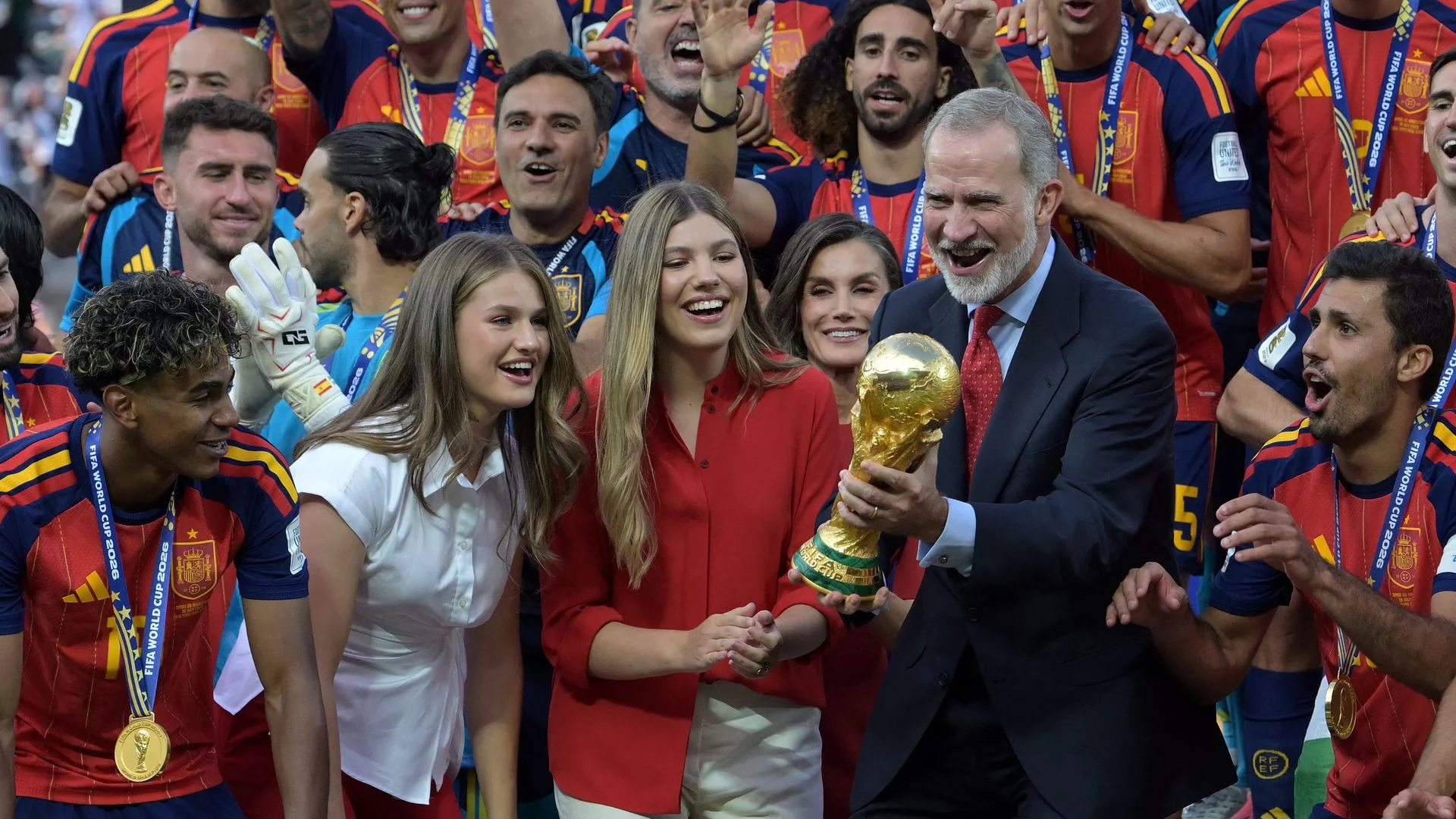
After the final whistle, Messi was visibly emotional as Spanish players, including teenage star Lamine Yamal, embraced the football icon in scenes that symbolised the passing of one generation to another.
Whether Messi officially retires from international football remains to be seen, but the images from New Jersey felt like the closing chapter of one of the greatest World Cup careers in history.
Lamine Yamal and Spain's Bright Future
While Torres scored the winning goal, much of Spain's tournament revolved around 19-year-old Lamine Yamal.
The Barcelona winger consistently dazzled throughout the competition with his creativity, confidence and maturity beyond his years. Though he did not find the scoresheet in the final, his movement and ability to stretch Argentina's defence created opportunities throughout the contest.
Alongside Pedri, Nico Williams, Rodri and an emerging generation of talented players, Yamal represents a new era for Spanish football.
Their triumph demonstrated that Spain's success is not built around one individual but around a cohesive system developed under head coach Luis de la Fuente, who has guided many of these players from youth level to the senior national team.
Luis de la Fuente's Masterclass
Spain's victory also served as a major validation of Luis de la Fuente's methods.
Since taking charge, the coach has prioritised unity, tactical flexibility and trust in young talent. His willingness to rotate players and maintain belief in the squad throughout the tournament proved crucial.
His decision to introduce Ferran Torres from the bench ultimately changed the final.
Speaking after the match, De la Fuente praised his players' resilience and described the squad as a family that had grown stronger with every challenge during the tournament. The coach also expressed confidence that Spain's young core could continue competing for major honours in the years ahead.
Spain's Road to World Cup Glory
Spain's triumph did not come easily.
Throughout the tournament, they combined attacking flair with defensive solidity, conceding only one goal on their way to lifting the trophy. Their unbeaten campaign showcased remarkable consistency and tactical maturity, qualities that proved decisive in the knockout rounds.
Rather than relying on individual brilliance, Spain consistently overwhelmed opponents through intelligent movement, patient passing and relentless pressing.
The final encapsulated that philosophy perfectly. Even after failing to score during regular time, they continued attacking with confidence until Torres finally broke Argentina's resistance.
Argentina Leave with Pride
Although Argentina fell short of retaining the World Cup, their tournament will still be remembered for determination, resilience and the enduring leadership of Lionel Messi.
Emiliano Martínez once again established himself among the world's elite goalkeepers, producing several outstanding saves in the final that prevented Spain from winning by a larger margin.
Lionel Scaloni's side battled through adversity and reached another World Cup final, reinforcing Argentina's status as one of international football's dominant forces over the past decade.
The defeat was painful, but it did little to diminish the remarkable legacy created by this generation.
A New Champion, A New Chapter
Spain's victory represents more than just another World Cup title.
It signals the arrival of a new generation capable of dominating international football for years to come. Led by emerging stars such as Lamine Yamal and supported by experienced leaders across the squad, La Roja have successfully blended youth, technical quality and tactical discipline into a championship-winning formula.
For Argentina, the night brought heartbreak and perhaps the emotional farewell of Lionel Messi's extraordinary World Cup journey. For Spain, it marked the beginning of a new golden chapter.
As Ferran Torres' extra-time winner settled one of the most anticipated finals in recent memory, football witnessed the symbolic passing of the torch—from the defending champions and one of the sport's greatest legends to a fearless Spanish side ready to shape the future of the global game.
With input from agencies
Image Source: Multiple agencies
© Copyright 2026. All Rights Reserved. Powered by Vygr Media.