 By

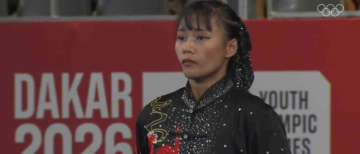
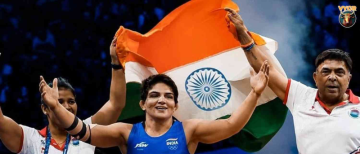
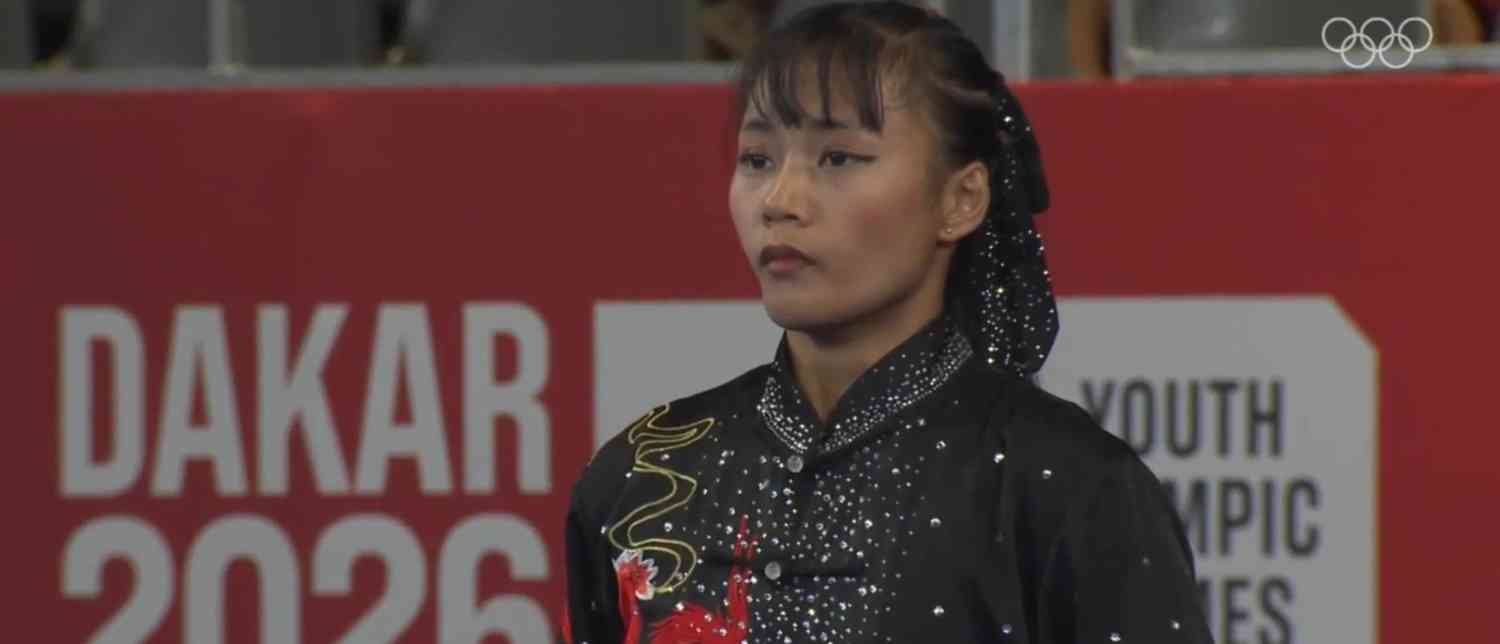
Indian sports witnessed a historic moment on Tuesday, November 3, as young Wushu athlete Rajkumari Lanchenbi Chanu brought home a landmark bronze medal at the Dakar 2026 Youth Olympic Games in Senegal. With an impressive performance in the women's Changquan combined event, Chanu became the first Indian athlete to win a Wushu medal at the Youth Olympic Games, opening a new chapter in the country's sporting history.
Her achievement is particularly significant because Wushu is making its debut at the Youth Olympic Games in Dakar. At a competition that offers young athletes an international platform to showcase their abilities, Chanu seized the opportunity and delivered a podium finish against some of the world's promising Wushu talents.
The Indian finished third with an overall score of 18.039 points, securing bronze behind Egypt's Sondos Sonbol, who claimed gold with 18.660 points, and Venezuela's Valeria Frannerys Dudamel Alvarado, who took silver with 18.199 points.
For Indian Wushu, this is more than another medal at an international sporting event. It is a breakthrough achievement that could help bring greater recognition to a discipline that has been steadily working towards a stronger presence on the global sporting stage.
A Remarkable Comeback Across Two Wushu Disciplines
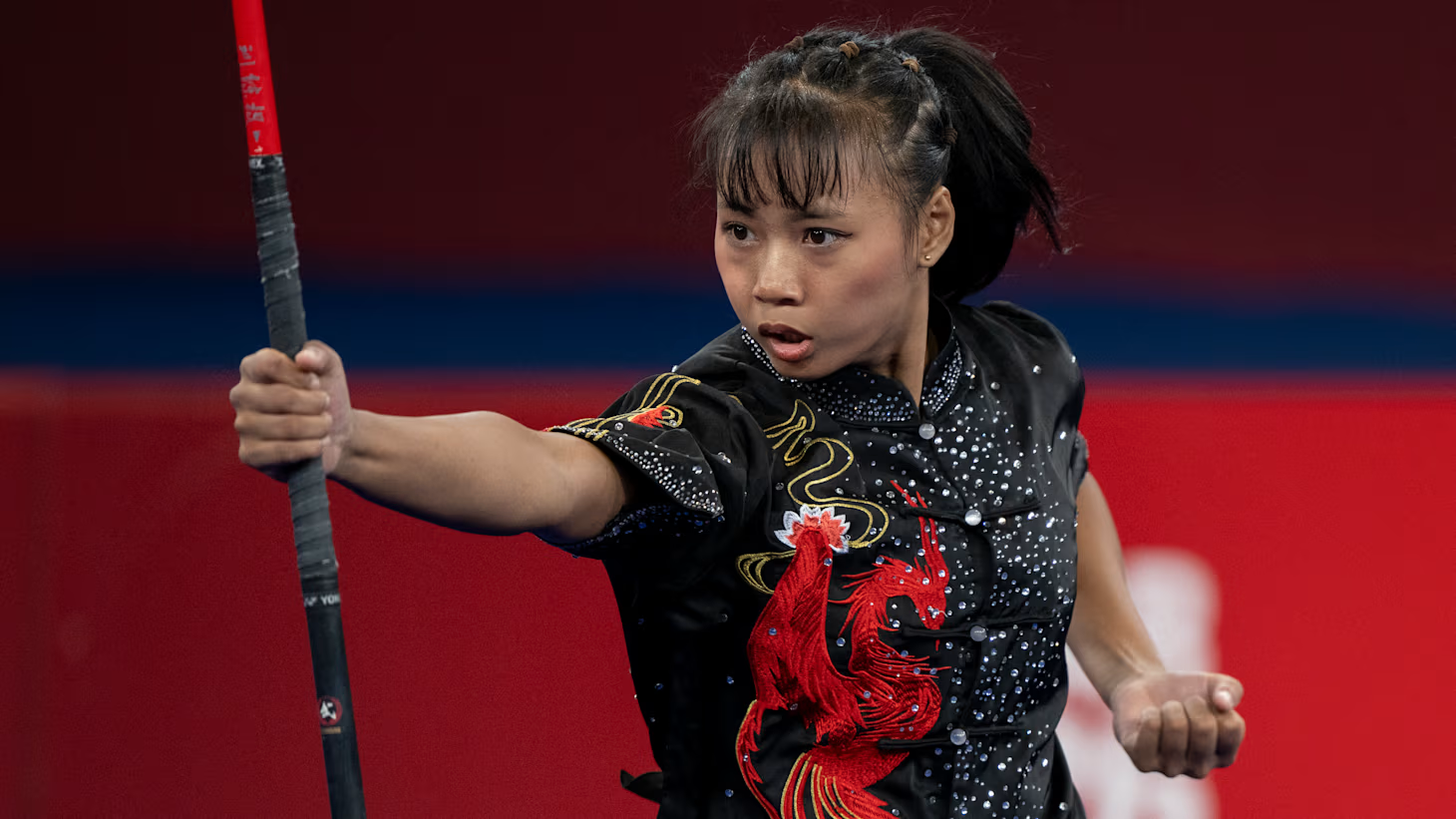
Chanu's bronze medal-winning performance was the result of two demanding routines, Gunshu and Changquan, whose scores were combined to determine the final standings.
The competition required athletes to demonstrate their abilities in both disciplines, testing their technical precision, physical control, coordination and consistency.
In the Gunshu routine, which involves performing Wushu movements with a staff, Chanu scored 8.723 points. The score placed her fourth in this segment, leaving her with work to do if she wanted to secure a place on the podium.
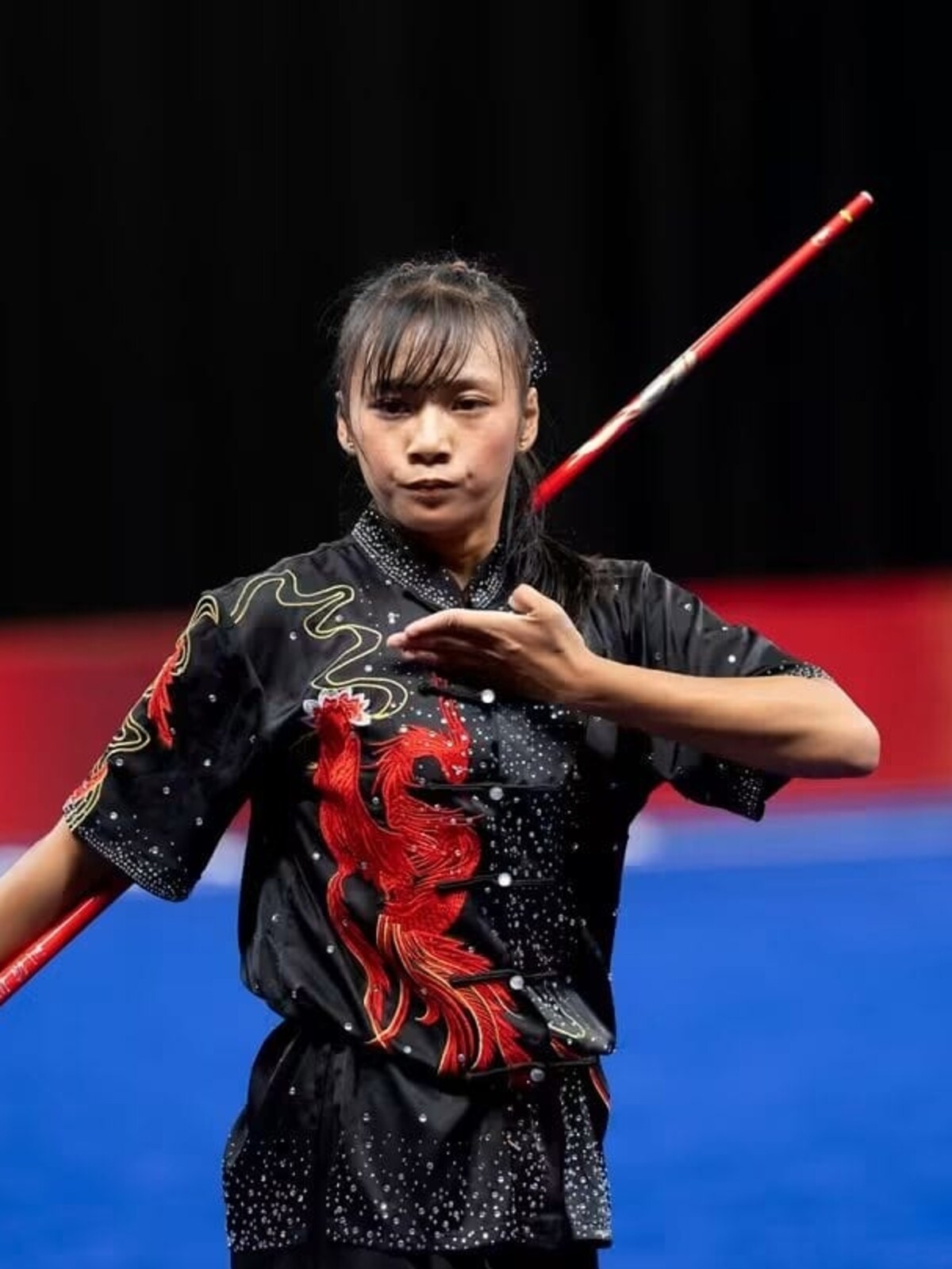
However, the Indian athlete responded strongly in the Changquan routine, a bare-handed form of Wushu that emphasises speed, strength, flexibility, balance and coordinated movements.
She produced an impressive performance, earning 9.316 points and finishing second in the Changquan segment among the eight finalists.
The strong second routine proved decisive. Combining her Gunshu and Changquan scores, Chanu reached 18.039 points, enough to secure third place overall and India's historic bronze medal.
Her performance demonstrated the importance of consistency and composure in a competition where even small differences in scores can determine the final medal positions.
From Second Place in Qualifiers to a Historic Podium Finish
Chanu's success in the final was not entirely unexpected. She had already established herself as one of the strongest contenders during the preliminary round, where she finished second with an aggregate score of 17.982 points.
Her preliminary performance included 8.876 points in Gunshu and 9.106 points in Changquan. This placed her among the top eight athletes who advanced to the final.
Egypt's Sondos Sonbol had topped the preliminary standings with 18.386 points, while Chanu secured the second position ahead of Venezuela's Valeria Frannerys Dudamel Alvarado.
The Indian athlete carried that momentum into the final, although the competition became considerably tighter as the medal positions were decided.
Sonbol maintained her strong form to claim the gold medal with 18.660 points. Dudamel Alvarado secured silver with 18.199 points, while Chanu's combined score of 18.039 earned her bronze.
Georgia's Gvantsa Karchava finished fourth with 17.700 points, narrowly missing out on a place on the podium.
The final standings reflected the competitive nature of the event, with athletes required to perform consistently across both routines. Chanu's ability to deliver a stronger Changquan performance after finishing fourth in Gunshu ultimately made the difference.
"Not Just Any Medal, I Will Take Gold": Chanu's Ambitious Target
What makes Chanu's achievement even more interesting is the confidence she displayed before entering the final.
After qualifying for the medal round, the young Indian athlete had expressed her determination to return home with a medal. She made her ambitions clear, saying, "I will take a medal, and go back home. Actually, not just any medal, I will take gold."
Although she narrowly missed her target of winning gold, her bronze medal was still a remarkable accomplishment.
More importantly, her words reflected the competitive mindset of a young athlete who was not simply satisfied with participating on a major international stage. She had arrived in Dakar with the intention of competing for the highest honour.
While the final result may not have matched her original gold-medal ambition, Chanu has achieved something that will remain a significant milestone for Indian Wushu. Becoming the country's first Wushu medallist at the Youth Olympic Games is an accomplishment that goes beyond her individual performance.
Why Chanu's Bronze Medal Matters for Indian Wushu
India has produced talented Wushu athletes who have competed at international competitions, but gaining wider recognition for the sport remains an important challenge.
Chanu's historic bronze at Dakar 2026 offers a valuable opportunity to change that.
Wushu combines elements of martial arts, athleticism, flexibility and controlled movement. Its competitive forms require years of training, discipline and technical refinement. Athletes must demonstrate strength and speed while maintaining precision and balance throughout their routines.
Winning a medal at an international multi-sport event such as the Youth Olympic Games can help bring this demanding discipline to the attention of a much wider audience.
For aspiring Indian Wushu players, Chanu's performance provides a tangible example of what can be achieved through dedication and international competition.
Her podium finish could also encourage greater interest in the sport among young athletes, coaches and sporting organisations. Recognition at this level can play an important role in strengthening the pathway for emerging talent.
The significance of the achievement is further amplified by the fact that Wushu is appearing at the Youth Olympic Games for the first time. Chanu has therefore become part of the sport's history at the event while simultaneously creating a first for India.
India Reaches Three Medals at Dakar 2026 Youth Olympic Games
Chanu's bronze medal has also strengthened India's overall campaign at the Dakar 2026 Youth Olympic Games, taking the country's medal tally to three.
Before her historic Wushu performance, India had already celebrated two medal-winning achievements on Monday.
Khushbu Rajakbhai Darjada secured silver in the women's 63kg Judo category, delivering an impressive performance on the international stage.
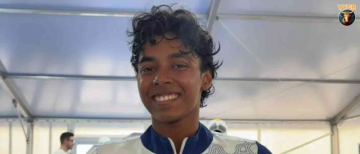
Meanwhile, swimmer Dhinidhi Desinghu won bronze in the women's 100m freestyle event, adding another achievement to India's growing presence at the competition.
With Chanu's bronze in Wushu, India's tally now stands at one silver and two bronze medals.
The three achievements have come from different sporting disciplines, highlighting the growing range of opportunities through which young Indian athletes are making their mark internationally.
For the Indian contingent, Chanu's medal is especially memorable because it represents a historic first for a sport making its Youth Olympic debut.
A New Chapter Begins for Indian Wushu
Rajkumari Lanchenbi Chanu's bronze medal at the Dakar 2026 Youth Olympic Games will be remembered as an important milestone in Indian sporting history.
Her performance was not simply about finishing third in a competition. It was about breaking new ground for Indian Wushu, demonstrating the country's potential in a discipline that deserves greater visibility and creating an achievement that future generations of athletes can aspire to surpass.
From her second-place finish in the preliminary round to her decisive Changquan performance in the final, Chanu displayed the determination and competitive ability required to succeed at the international level.
The gold medal may have remained beyond her reach this time, but the historic significance of her bronze cannot be understated.
As India continues its campaign at the Dakar Youth Olympic Games, Chanu's achievement offers another reason to celebrate the country's emerging sporting talent.
For Indian Wushu, a new chapter has begun — and Rajkumari Lanchenbi Chanu has secured her place in its history.
© Copyright 2026. All Rights Reserved. Powered by Vygr Media.