 By
By 
History repeated itself for Delhi Capitals—once again painfully, once again cruelly. Yet, of all their Women’s Premier League final defeats, this one may sting the most.
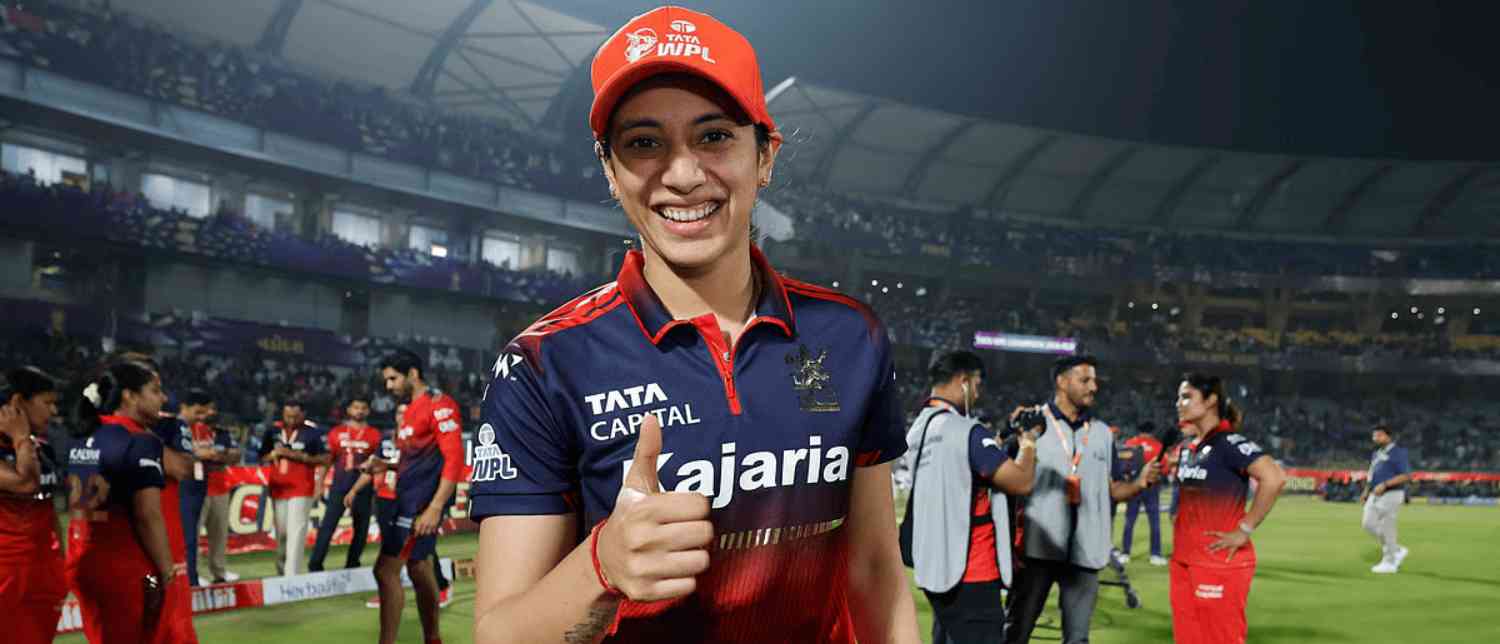
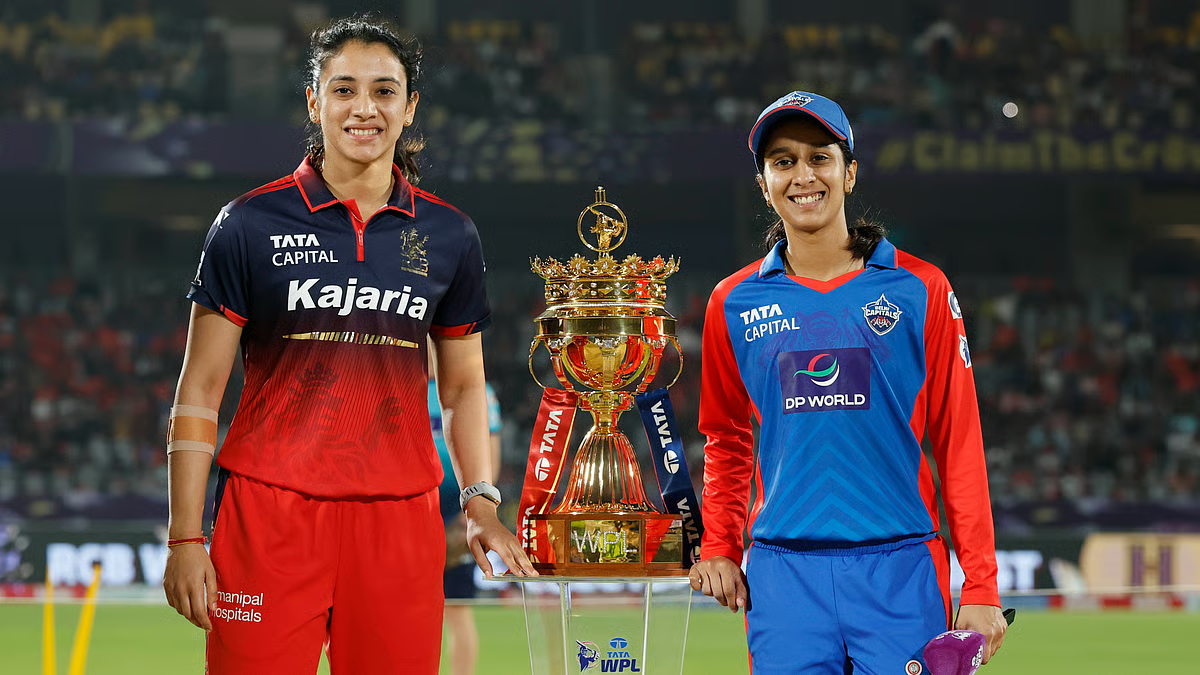
On a tense Wednesday night in Vadodara, Smriti Mandhana’s Royal Challengers Bengaluru clinched the WPL 2026 title, surviving a dramatic late collapse to pull off a six-wicket victory in a final-over thriller. The win secured RCB’s second WPL championship, making Mandhana only the second captain in league history to lift the trophy twice, while also etching RCB’s name into the record books as the first team to finish top of the league table and go on to win the WPL title.
For Delhi Capitals, however, the heartbreak deepened. Four WPL finals. Four defeats. And this time, they were agonisingly close.
Delhi Capitals’ Batting Brilliance Sets Up a Monumental Final
After losing the toss, Delhi Capitals produced one of their finest batting displays in a WPL final, posting a formidable 203 for 4—a total that looked match-defining for most of the evening.
Leading from the front, captain Jemimah Rodrigues delivered a knock that symbolised intent, composure, and leadership. Her 57 off 37 balls was fluent and fearless, anchoring the innings while allowing the batters around her to attack freely.
At the other end, Laura Wolvaardt played the perfect supporting role. Calm, elegant, and ruthlessly efficient, Wolvaardt remained unbeaten on 44 off 25 deliveries, keeping the scoreboard ticking with precision timing and smart placement.
Lizelle Lee added further momentum at the top, smashing 37 off 30 balls and ensuring Delhi never lost their grip on the innings. Her aggression became evident early when she launched into Sayali Satghare, smashing two sixes that blew the game wide open after RCB had conceded just nine runs in the first three overs.
The defining moment of Delhi’s innings, however, came at the death.
Enter Chinelle Henry.
In a blistering cameo that changed the complexion of the final, Henry unleashed pure power, smashing 35 runs off just 15 balls. What had been a strong total quickly turned into a towering one, pushing Delhi past the psychological 200-run mark and leaving RCB with a record chase in a championship match.
By the halfway break, 203 felt massive. For Delhi Capitals, it felt like destiny was finally leaning their way.
RCB’s Chase Begins With a Jolt but Quickly Turns Ruthless
Chasing a daunting 204, Royal Challengers Bengaluru suffered an early blow when Grace Harris, their designated power-hitter, was dismissed early—providing Delhi Capitals with what would turn out to be their last moment of early celebration.
From there, the final belonged to Smriti Mandhana and Georgia Voll.
What followed was one of the most commanding partnerships ever seen in a WPL final. Mandhana and Voll dismantled Delhi’s bowling attack with breathtaking ease, striking boundaries in every over of the chase and ensuring the required run rate never spiralled out of control.
With a fast outfield working in their favour, the duo punished even the slightest error. Delhi’s bowlers—Henry, Marizanne Kapp, Shikha Rana, and Nandini Sharma—were all taken apart as Mandhana and Voll found gaps, cleared ropes, and rotated strike seamlessly.
By the halfway mark, RCB were 100 for 1, cruising in what was supposed to be one of the toughest chases in WPL history.
𝘾.𝙃.𝘼.𝙈.𝙋.𝙄.𝙊.𝙉.𝙎 🏆🏆
Royal Challengers Bengaluru have Claimed the Crown once again in spectacular fashion to clinch the #TATAWPL 2026 title ❤️#ClaimTheCrown | #RCBvDC | #Final | @RCBTweets pic.twitter.com/JDKUm3BDqk— Women's Premier League (WPL) (@wplt20) February 5, 2026
Record Partnership Rewrites WPL History
The Mandhana–Voll stand wasn’t just effective—it was historic.
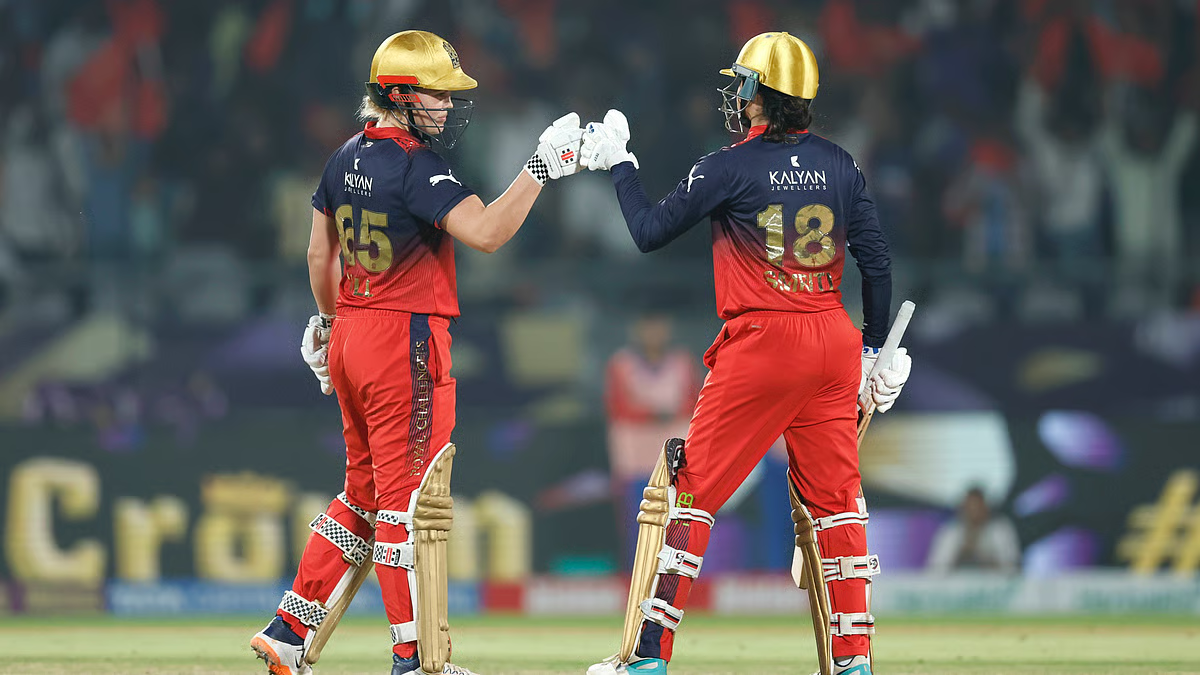
The pair stitched together a 76-run stand initially, which soon ballooned into a record-breaking partnership, becoming the highest partnership for any wicket in WPL history. By the 15th over, RCB had surged to 161 for 1, leaving them seemingly home and dry.
Both batters brought up rapid half-centuries. Mandhana’s innings of 87 was a masterclass in controlled aggression, blending elegant strokeplay with brutal finishing intent. In the process, she overtook Harmanpreet Kaur to claim the Orange Cap, underlining her dominance throughout the season.
Georgia Voll, meanwhile, matched her captain shot for shot, finding the boundary at will and playing with a maturity beyond her years.
At that stage, the contest looked all but over.
Then came the chaos.
Late Collapse Brings the Final to Life
Just when RCB appeared to be cruising towards the trophy, Delhi Capitals found a flicker of hope.
Minnu Mani struck first, removing Georgia Voll and breaking the monumental partnership. Moments later, Nandini Sharma dismissed Richa Ghosh, and suddenly, nerves began to creep in.
The biggest roar came when Chinelle Henry bowled Smriti Mandhana, denying the RCB skipper a deserved century. Mandhana walked back on 87, having done the heavy lifting but leaving the job unfinished.
In a matter of overs, a routine chase had turned into a pressure cooker.
With 24 needed off 12 balls, the equation tightened further. When the match reached the final over, 10 runs were required from six deliveries, with Radha Yadav and Nadine de Klerk at the crease.
Vadodara held its breath.
Radha Yadav Delivers the Final Blow—Against Her Former Team
If there was poetic cruelty in this final, it arrived through Radha Yadav, a former Delhi Capitals player.
Facing her old franchise, Radha showed ice-cold composure. She smashed two crunching boundaries in the final over, sealing the match and the championship for Royal Challengers Bengaluru.
Moments earlier, Delhi had a chance to turn the game once more. With 13 runs needed off eight deliveries, Minnu Mani dropped a sitter, handing Radha a crucial reprieve. That missed opportunity proved fatal.
Radha capitalised, and RCB crossed the line, completing a record chase of 204—the highest successful chase in a WPL final.
RCB’s Historic Triumph and Mandhana’s Legacy
With the win, RCB secured their second WPL title, reinforcing their dominance in women’s franchise cricket. The victory also meant that the RCB franchise now boasts both IPL and WPL titles, a rare and prestigious achievement.
For Smriti Mandhana, the triumph further cemented her legacy. Calm under pressure, tactically sharp, and fearless with the bat, she became only the second captain in WPL history to lift the trophy twice, leading from the front throughout the season and delivering when it mattered most.
RCB may have taken the scenic route, but champions often do.
Delhi Capitals: So Close, Yet So Far—Again
For Delhi Capitals, the night ended in familiar despair.
They had done almost everything right—posted 203 for 4, applied pressure early, broke a record partnership, and dragged the game to the final over. Yet, critical lapses—particularly shoddy bowling and missed chances—once again cost them a maiden title.
The statistic is now brutal and unavoidable: four WPL finals, four losses.
And perhaps most painfully, this final felt like the one they should have won.
As the celebrations erupted in the RCB camp, Delhi Capitals were left to process another what-if, another near-miss, and another chapter of heartbreak in their WPL journey.
Final Word
The WPL 2026 final delivered everything a championship match should—record runs, historic partnerships, late drama, individual brilliance, and emotional extremes.
Royal Challengers Bengaluru emerged as champions once again, powered by Smriti Mandhana’s leadership and a fearless chase led by her and Georgia Voll. Delhi Capitals, meanwhile, were left confronting the harshest truth in sport: sometimes, even your best isn’t enough.
And somehow, each loss hurts more than the last.
With inputs from agencies
Image Source: Multiple agencies
© Copyright 2025. All Rights Reserved. Powered by Vygr Media.