
 By

India’s push to defend itself against drones just reached a notable checkpoint. The indigenous Bhargavastra counter-drone system has cleared its development trials at the Pokhran field firing ranges in Rajasthan, a step that brings the homegrown platform closer to being shown to the armed forces in its final form.
The trials ran from November 20 to 24, 2026. They were carried out by Nagpur-based Solar Defence and Aerospace Limited (SDAL), the company behind the system. The result matters because drones, and especially coordinated swarms of them, have become one of the hardest problems in modern warfare.
What happened at Pokhran
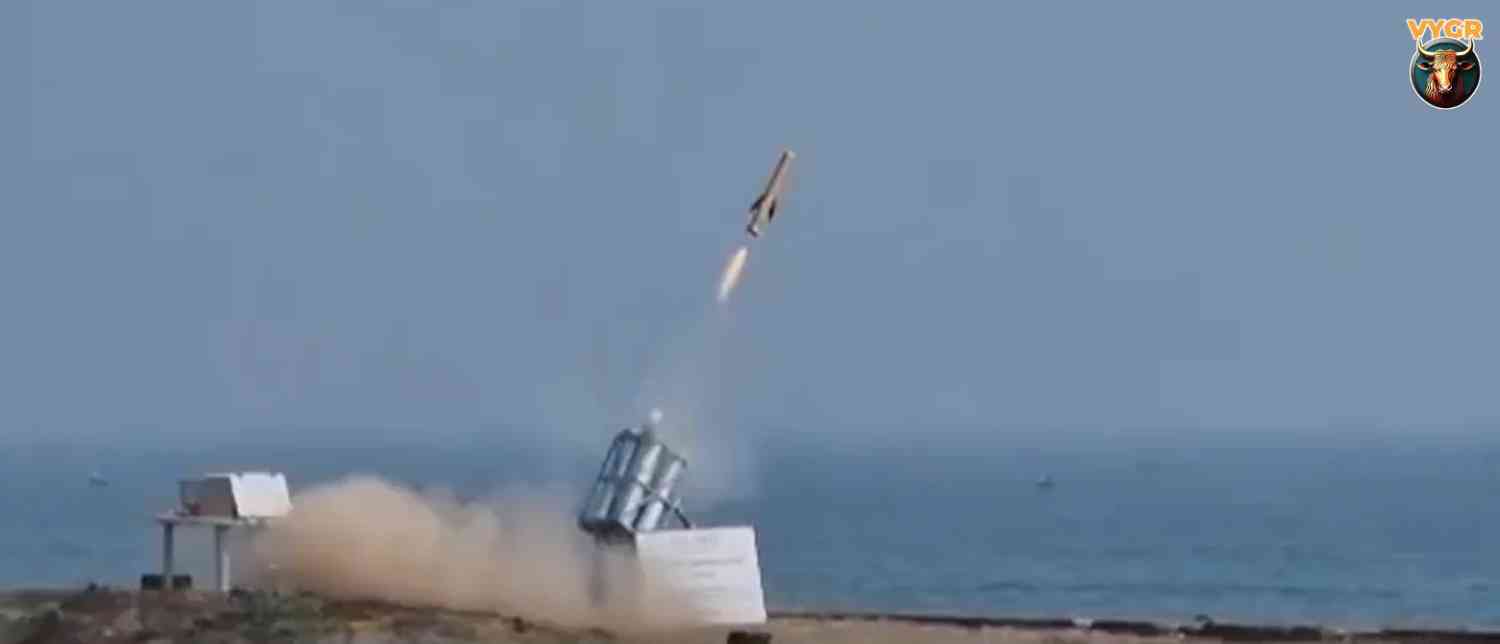
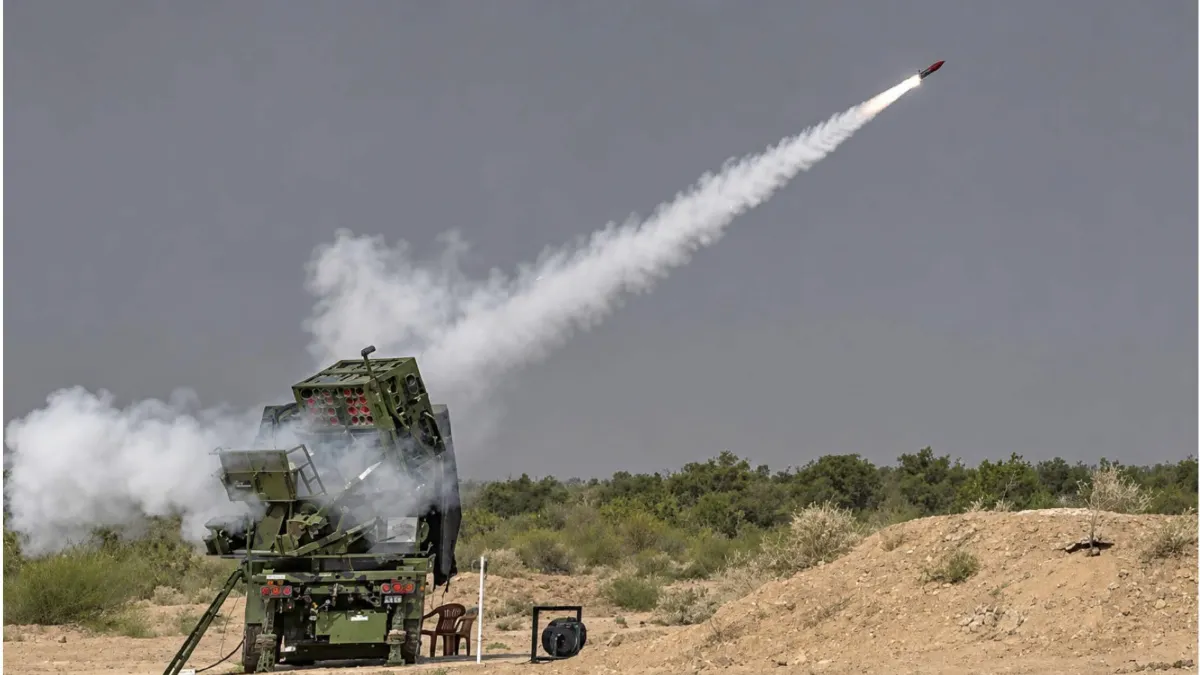
Over five days, the team put the fully integrated Bhargavastra through a series of firings in the Rajasthan desert. According to the company, the system fired both its rockets and its micro-missiles multiple times during the trials. Rockets were also fired at real swarm-drone targets that the system had detected and tracked using its own sensors and command network.
Separate trials tested the guided micro-missiles. These checked how well the missiles steer toward a drone and lock on in the final moments before impact, which is the hardest part of any intercept.
The company has also been candid that the work isn’t finished. Further optimisation and trials are planned to improve the system’s engagement performance and its kill probability, meaning how reliably it destroys a target once it fires.
Why drone swarms keep defence planners awake
A single drone is manageable. A swarm is a different problem. When dozens of cheap drones arrive together, they can overwhelm traditional defences simply by being numerous. Firing an expensive surface-to-air missile at a drone that costs a tiny fraction of that missile is also a losing trade over time.
Some autonomous drones are also designed to resist electronic jamming and spoofing, which are the usual soft-kill tools. When that happens, the only reliable answer is to physically destroy the drone. That is the idea behind Bhargavastra.
How Bhargavastra works
Bhargavastra is a vehicle-mounted system, so it can be moved and deployed wherever operations demand. It uses a two-layer approach.
Layer one: unguided rockets. These are meant to deal with groups of drones at once. Earlier disclosures about the system described a lethal radius of around 20 metres per rocket, which lets a single launch threaten several drones flying close together.
Layer two: guided micro-missiles. When precision matters, these small missiles go after specific targets. They suit individual drones, loitering munitions, or threats that need a more careful response than a rocket can offer.
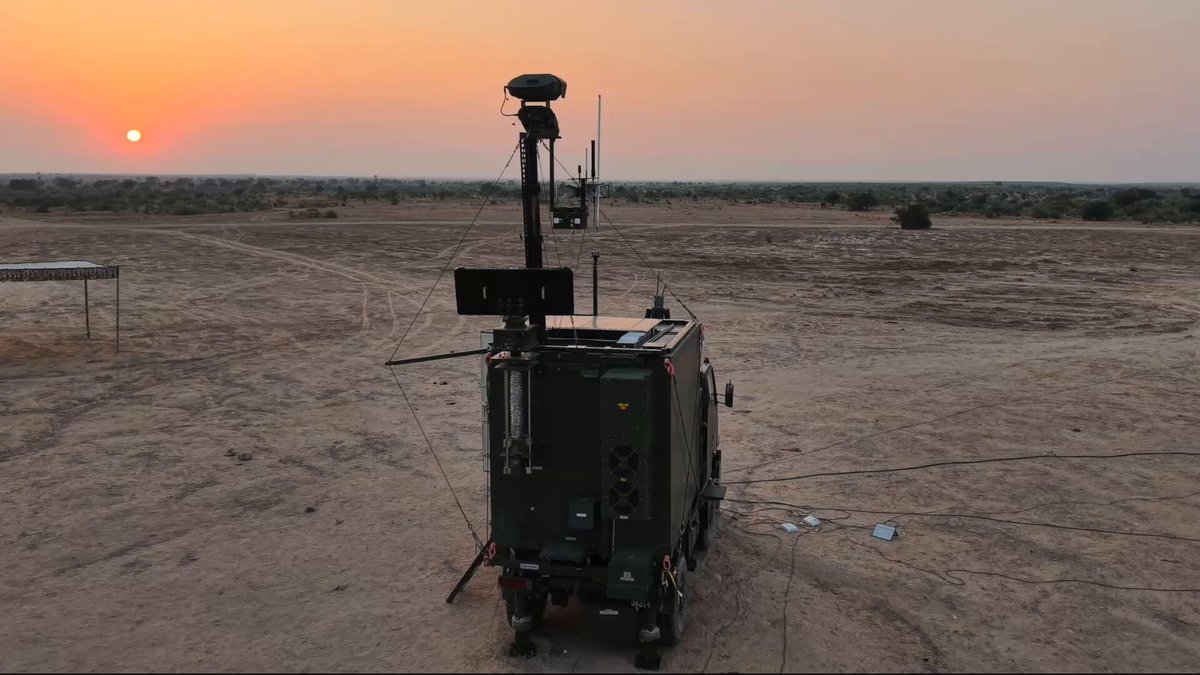
Behind both layers sits a detection and control setup that combines radar, electro-optical sensors and radio-frequency detection, all tied into a command-and-control network. In earlier demonstrations, the system was shown detecting aerial threats from as far as 10 kilometres away. The sensors find the targets, the software helps decide how to respond, and the right layer is used to engage.
Built in India, from hardware to software
The company says Bhargavastra was designed, developed and manufactured entirely in India, including its software. That detail carries weight in a sector where many countries still depend on imported components or foreign-built platforms. Controlling the code means India can adapt and improve the system without waiting on anyone else.
The rocket and micro-missile munitions come from Economic Explosives Limited, a sister company within the same industrial group. The development path stretches back to 2025, when early tests of the rockets and micro-missiles took place at the Gopalpur range in Odisha. Further component trials followed at Balasore and Pokhran, and a vehicle-mounted demonstration was held in Nagpur earlier this year.
Why this milestone matters
Plenty of countries are working on counter-drone tools, and several are developing micro-missile concepts. What sets Bhargavastra apart, according to its developers, is the combination: a fully integrated, vehicle-mounted, multi-layer system with dedicated swarm-neutralisation capability, built around cost-effective munitions.
Cost is the quiet star of the story. If you can stop cheap drones with cheap interceptors, you avoid spending costly missiles on low-value targets. That saves money, and it also preserves your high-end air defence stock for threats that truly need it.
There is a broader strategic backdrop too. Recent conflicts around the world, and India’s own experience with drone incursions along its western frontier, have shown how quickly drones have moved from a side concern to a central feature of the battlefield. A dependable homegrown answer reduces both operational risk and import dependence.
What comes next
With the in-house development trials complete, the company says Bhargavastra is now ready for a prototype demonstration in its deliverable configuration. Reports indicate a handover to the Indian Army is being planned for January 2027, though the timeline may shift as testing and optimisation continue.
It is worth keeping expectations realistic. These were the developer’s own trials, not an official acceptance test. Formal procurement and induction into service have not been confirmed. The usual next steps would be user trials with the Army, evaluation under varied conditions, and any refinements that come out of that process.
The bottom line
Bhargavastra isn’t in service yet, but clearing the Pokhran trials is a real step forward for a system that has been tested in stages since 2025. If the planned optimisation delivers, India could soon have a low-cost, indigenous, hard-kill answer to one of the most persistent threats in modern warfare. The coming months of user trials will show whether it can live up to what the firing ranges suggest.
Frequently Asked Questions
What is Bhargavastra?
It is an indigenous, vehicle-mounted counter-swarm drone system developed by Solar Defence and Aerospace Limited. It uses unguided rockets and guided micro-missiles to destroy hostile drones, loitering munitions and drone swarms.
When were the Pokhran trials held?
The development trials took place from November 20 to 24, 2026, at the Pokhran field firing ranges in Rajasthan.
Has the Indian Army inducted Bhargavastra?
Not yet. Procurement and induction haven’t been confirmed. The system is now ready for prototype demonstration, with a handover to the Army reportedly planned for January 2027.
Is it really made entirely in India?
According to the developer, yes. The hardware and the software were designed, developed and manufactured in India.
How is it different from jamming-based systems?
Jamming systems try to disrupt a drone’s signals or navigation. Bhargavastra physically destroys the drone, which helps against autonomous drones that don’t rely on signals that can be jammed or spoofed.
© Copyright 2026. All Rights Reserved. Powered by Vygr Media.