
 By
By 
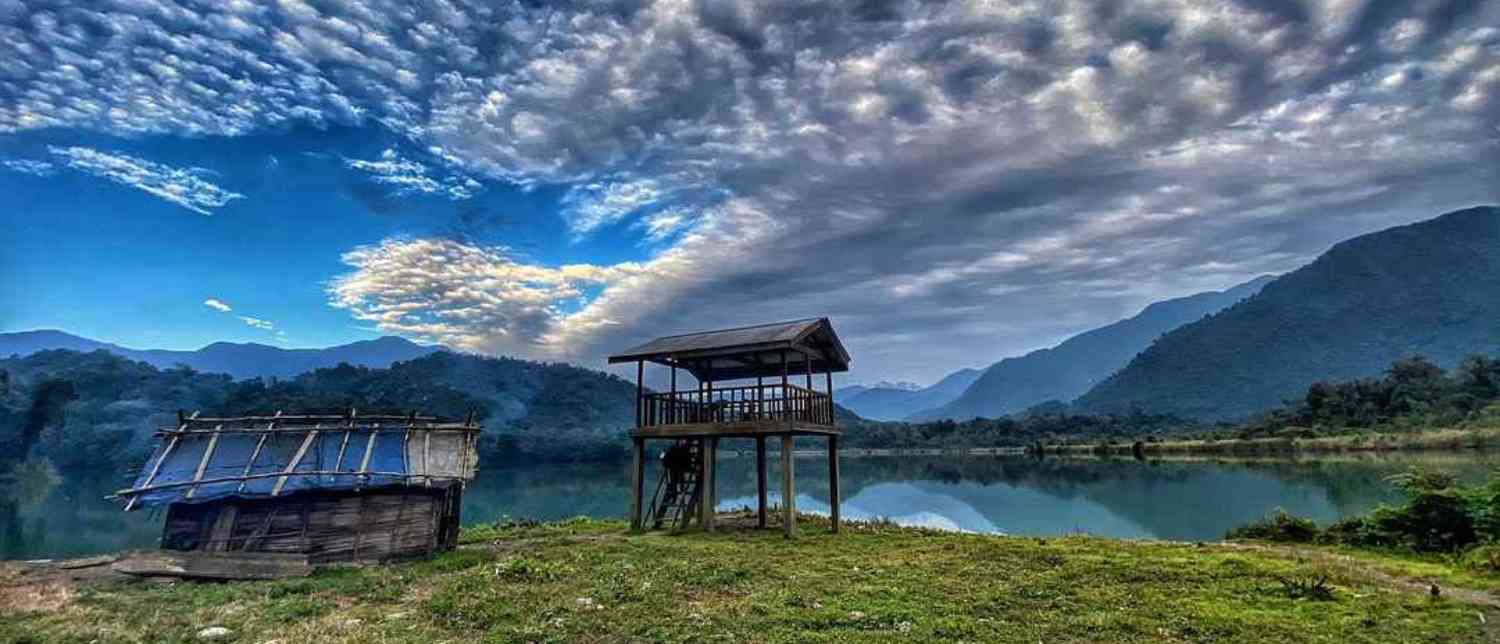
India has added another milestone to its environmental conservation journey with the designation of Glaw Lake in Arunachal Pradesh as the country's 101st Ramsar Site, making it the northeastern state's first wetland to receive international recognition under the Ramsar Convention. The announcement, made by Union Environment Minister Bhupender Yadav, marks a significant step in India's ongoing efforts to protect ecologically important wetlands while reinforcing its commitment to biodiversity conservation, climate resilience and sustainable development.
The inclusion of Glaw Lake in the prestigious global list of wetlands of international importance also underscores the growing recognition of India's rich and diverse wetland ecosystems. From having just 26 Ramsar Sites in 2014, the country has now expanded its protected wetland network to 101, reflecting an accelerated push towards ecological conservation over the past decade.
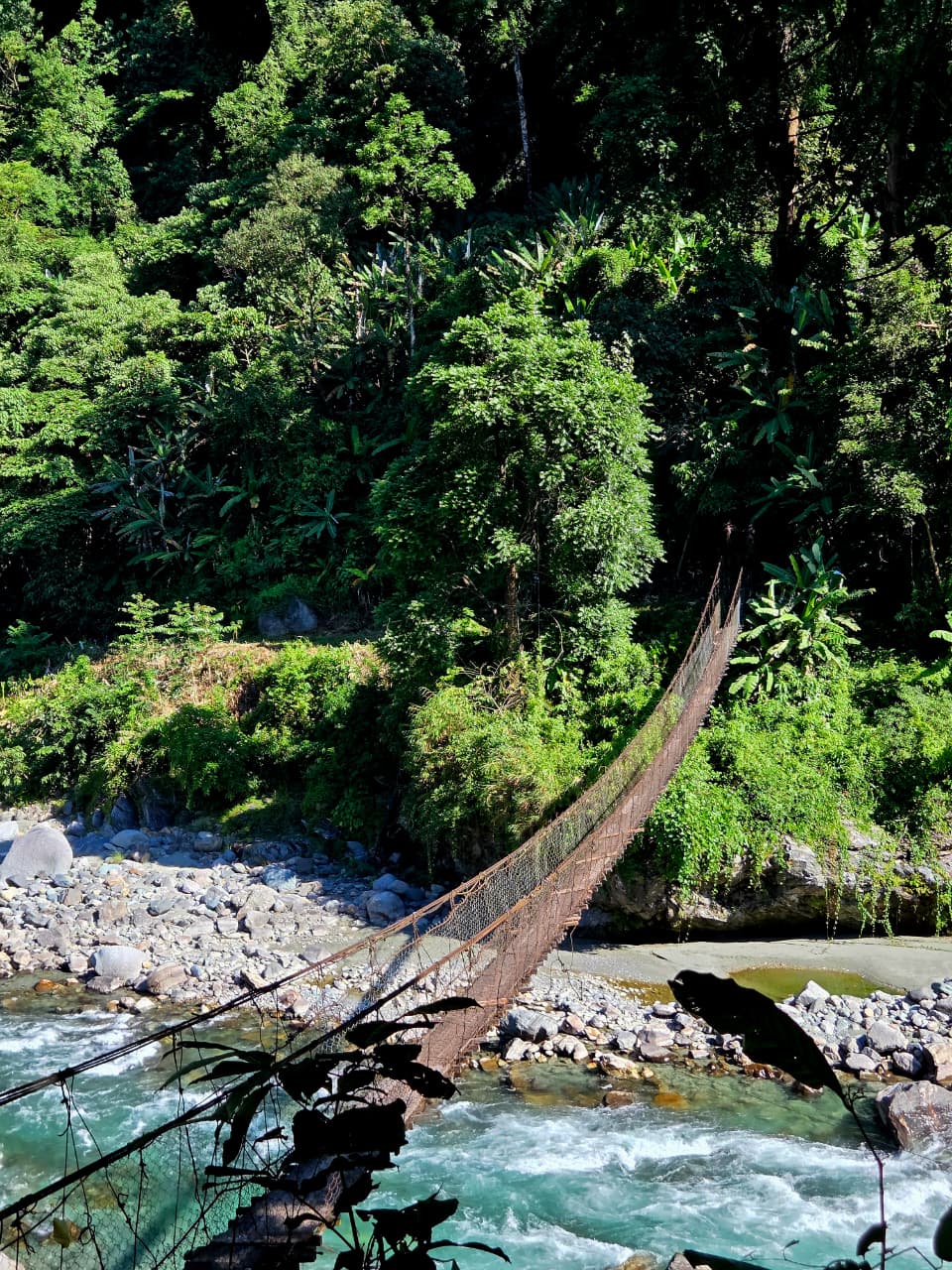
Arunachal Pradesh Gets Its First Ramsar Site
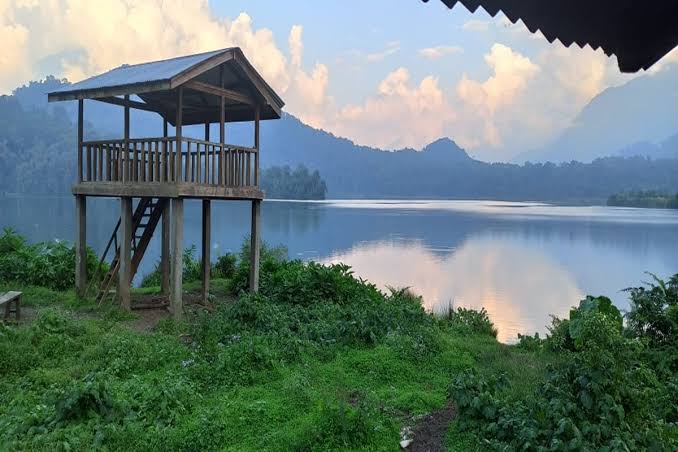
Located within the Kamlang Tiger Reserve and Wildlife Sanctuary in the Eastern Himalayas, Glaw Lake is a pristine freshwater ecosystem known for its exceptional ecological richness. Fed by perennial mountain streams and surrounded by dense forests, the lake serves as an important biodiversity hotspot that supports a wide range of plant and animal life.
According to the Ministry of Environment, Forest and Climate Change, more than 150 species of trees and 49 species of orchids have been documented within the lake and its catchment area. The surrounding landscape, characterised by lush vegetation and undisturbed habitats, plays a vital role in maintaining ecological balance in the Eastern Himalayan region.
The Ramsar recognition is expected to strengthen conservation measures for the wetland while promoting scientific research, sustainable tourism and community-led management initiatives.
Government Calls It a Milestone for Conservation
Announcing the development, Union Environment Minister Bhupender Yadav described Glaw Lake's inclusion as an important achievement for biodiversity protection, water security, climate resilience and sustainable livelihoods.
Sharing the announcement on social media, the minister said India continues its journey "beyond a century" in Ramsar site designations, adding that the recognition reflects the country's unwavering commitment to environmental protection and sustainable development.
He also highlighted the remarkable growth in India's Ramsar network over the years, stating that every newly designated site strengthens efforts to conserve nature while safeguarding communities that depend on these ecosystems for their livelihoods.
Why Ramsar Recognition Matters
The Ramsar Convention, adopted in 1971 in the Iranian city of Ramsar, is an international treaty dedicated to the conservation and sustainable use of wetlands. Wetlands recognised under the convention are considered ecosystems of global ecological importance because they provide critical environmental services.
Ramsar Sites help regulate water cycles, recharge groundwater, reduce flood risks, store carbon and support thousands of species of flora and fauna. They also sustain local communities through fisheries, agriculture, eco-tourism and other livelihood activities.
The designation does not transfer ownership or alter legal control of the wetland. Instead, it brings international recognition, encourages better conservation planning and promotes the wise use of wetland resources while balancing ecological and socio-economic interests.
Ecological Importance of Glaw Lake
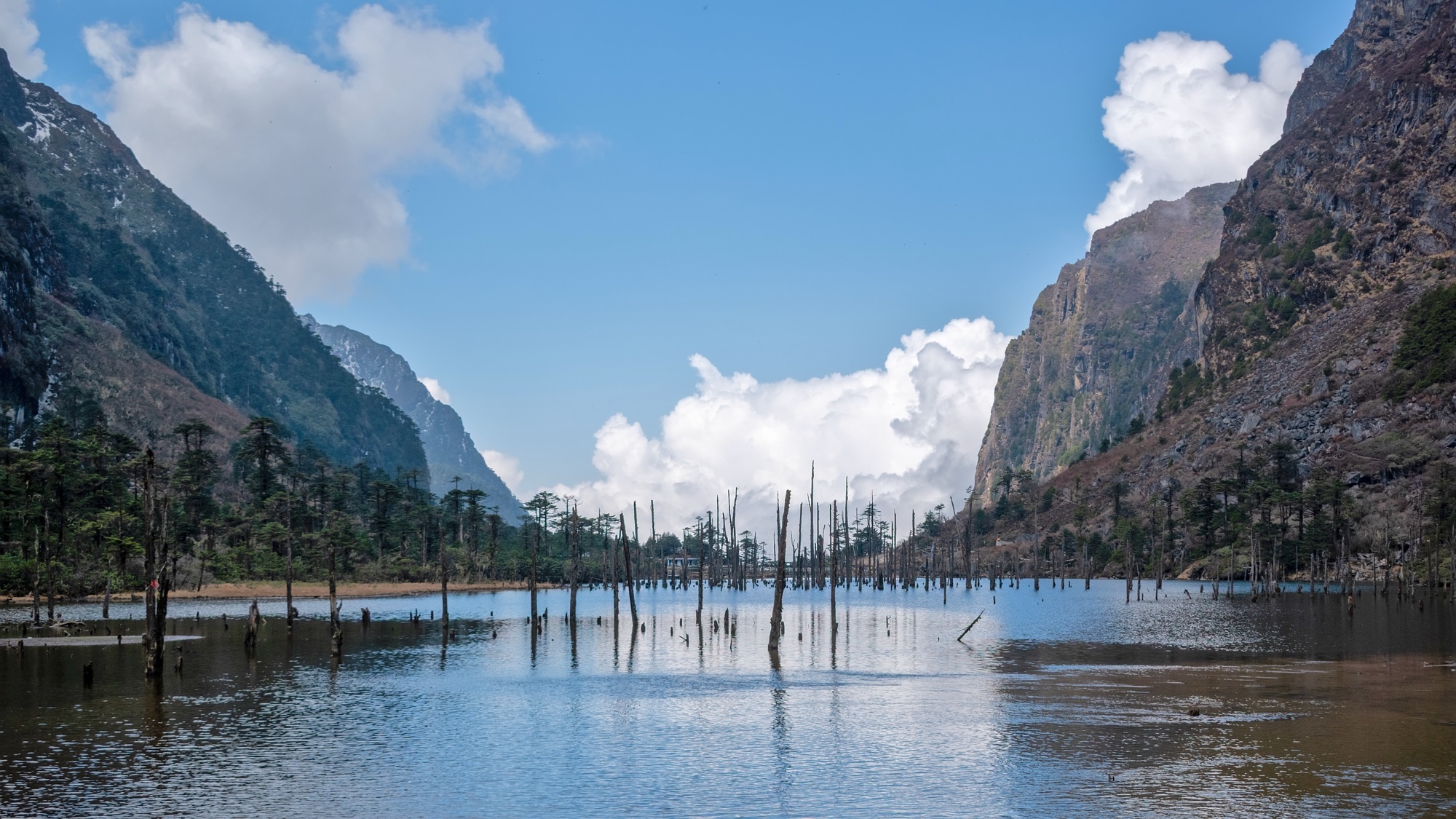
Glaw Lake's location within the Kamlang Tiger Reserve significantly enhances its ecological value. The reserve forms part of the biodiverse Eastern Himalayan landscape, one of the world's recognised biodiversity hotspots.
The freshwater lake provides habitat for numerous plant species while supporting healthy watershed functions. The extensive orchid diversity recorded around the wetland further highlights its botanical significance, as Arunachal Pradesh is already recognised as one of India's richest states for orchid diversity.
Being fed by perennial mountain streams, the lake contributes to downstream hydrological systems and helps maintain regional ecological stability. Conservation experts believe that international recognition will help strengthen monitoring, habitat protection and scientific documentation of the ecosystem.
A Boost for Arunachal Pradesh
For Arunachal Pradesh, the Ramsar designation represents more than environmental recognition. It places the state on the global conservation map and could open new opportunities for eco-tourism, biodiversity research and sustainable local development.
The recognition is also expected to encourage greater public awareness regarding wetland conservation across the state, while supporting long-term protection of fragile Himalayan ecosystems that face increasing pressures from climate change and human activities.
India's Expanding Ramsar Network
India has emerged as one of the leading countries in expanding its Ramsar network over the past several years. The country's wetlands range from high-altitude Himalayan lakes and floodplain wetlands to mangroves, estuaries, lagoons and bird sanctuaries.
The addition of Glaw Lake takes the national tally to 101 Ramsar Sites, reflecting sustained policy focus on wetland conservation and ecosystem restoration. These protected wetlands collectively contribute to biodiversity conservation, climate adaptation, water security and disaster resilience across different regions of the country.
Environmental experts note that expanding the Ramsar network also aligns with India's broader commitments under international biodiversity and climate agreements by promoting nature-based solutions for sustainable development.
Strengthening Conservation for the Future
Wetlands are increasingly recognised as critical natural assets in combating climate change and biodiversity loss. Healthy wetlands absorb excess rainfall, reduce flooding, filter pollutants, store significant amounts of carbon and provide habitat for countless species.
The international recognition of Glaw Lake is therefore expected to enhance conservation funding opportunities, encourage scientific collaboration and improve long-term ecological management of the site. At the same time, it reinforces the need to involve local communities in protecting these sensitive ecosystems while ensuring that conservation efforts support sustainable livelihoods.
With Glaw Lake joining the global Ramsar family, India continues to expand its environmental legacy, demonstrating that biodiversity conservation and sustainable development can move forward together. As the country's network of internationally recognised wetlands crosses the 100-site milestone, the focus now shifts from expanding the list to ensuring effective management and long-term protection of these invaluable ecosystems for future generations.
With input from agencies
Image Source: Multiple agencies
© Copyright 2026. All Rights Reserved. Powered by Vygr Media.