 By

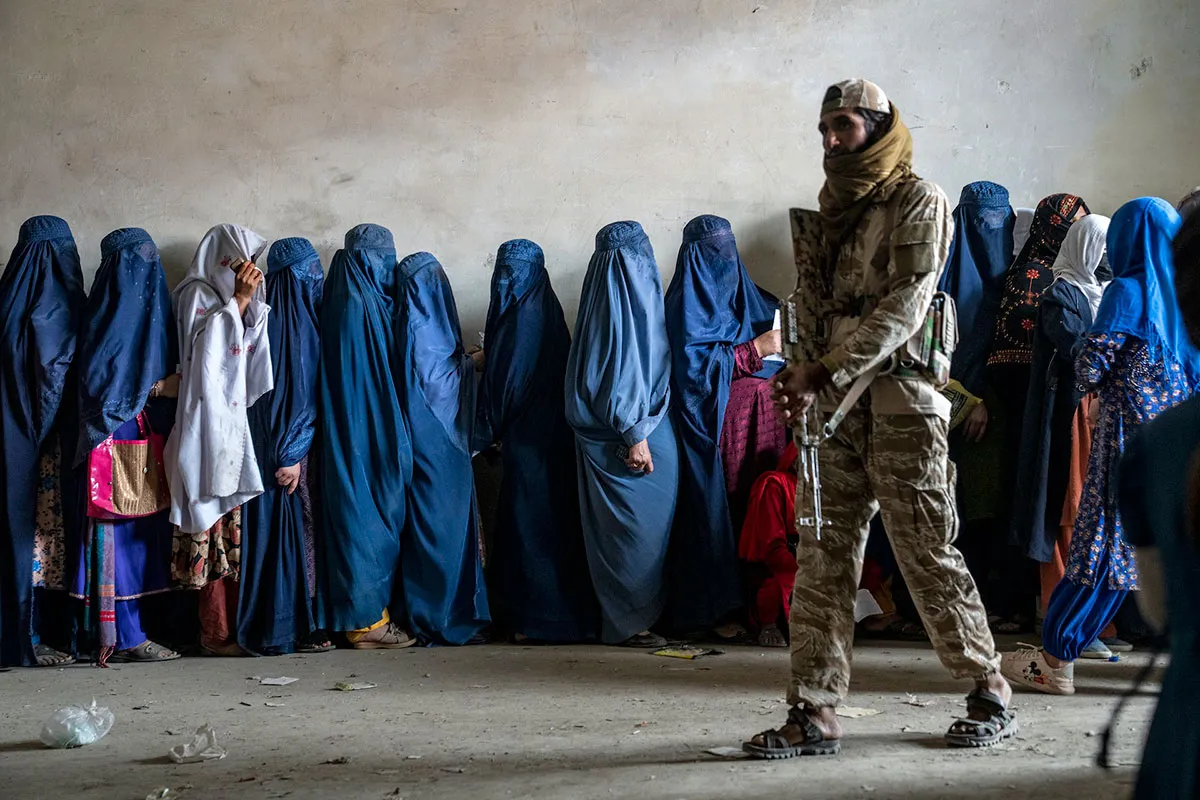
A woman’s name is more than a word used to identify her. It represents her individuality, her history, her relationships and her place in society. Yet, in Afghanistan, where women have already been pushed out of classrooms, workplaces and public spaces, even this fundamental part of their identity is reportedly becoming a target of Taliban restrictions.
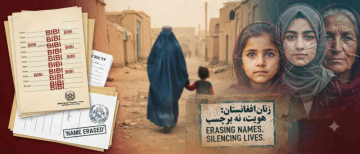
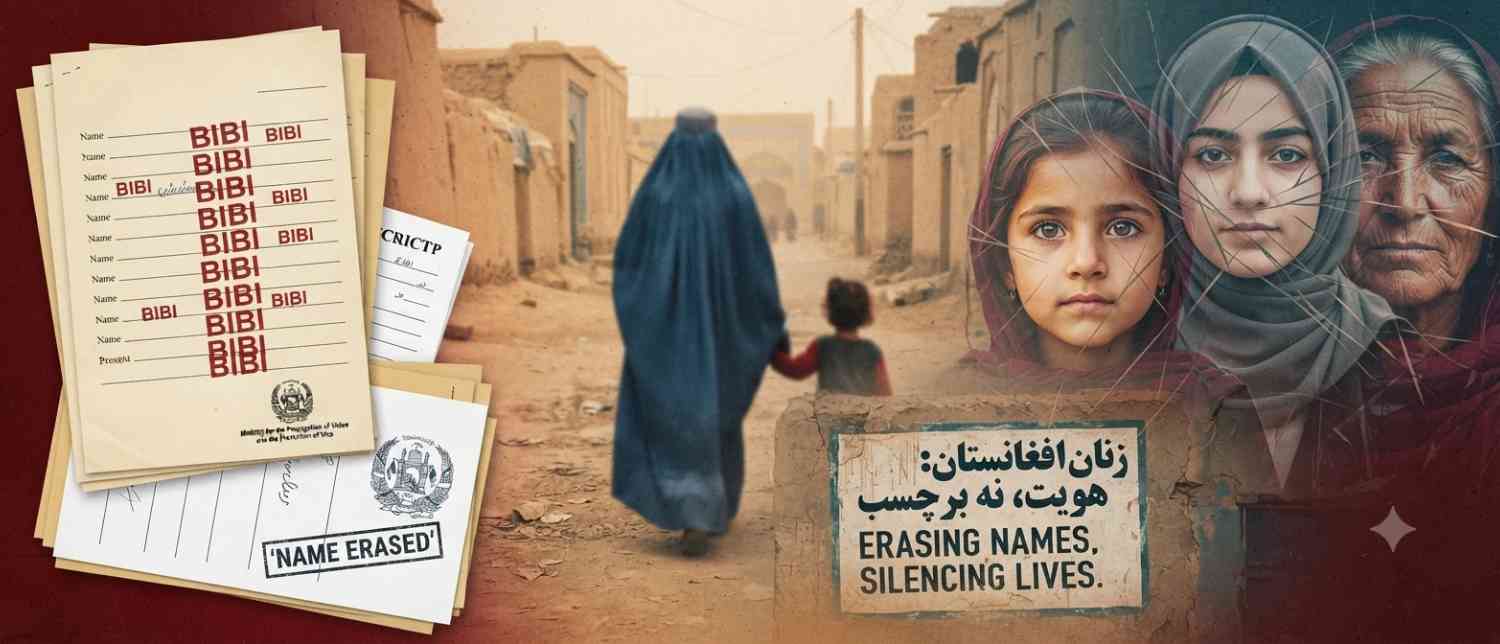
In a deeply disturbing development, authorities in the northern province of Balkh have reportedly directed government officials and healthcare facilities to stop using women's actual names in official documents, prescriptions and medical records. Instead, women are being referred to as “Bibi”, a generic term commonly used for an elderly woman or grandmother. More alarmingly, accounts from women and activists suggest that some have also been addressed using degrading terms such as “goat” and “cow”.
The reported directive marks another troubling chapter in the Taliban's treatment of Afghan women. What began with restrictions on education, employment, movement and personal freedom has gradually expanded into an attempt to control how women exist, communicate and are recognised by society.
For millions of Afghan women, the struggle is no longer simply about securing equal opportunities. It is about preserving their dignity, protecting their identity and holding on to the most basic human rights.
Taliban's Latest Restrictions: Why Are Afghan Women's Names Being Erased?
The reported naming restriction in Balkh has raised serious concerns among Afghan women's rights activists, particularly because it extends the restrictions on women into official and medical documentation.
According to accounts shared by women, healthcare professionals and civil rights activists, government employees and medical staff have been instructed to avoid mentioning women's actual names. The use of the generic term “Bibi” reportedly forms part of this directive.
While the term may traditionally be used as a respectful form of address in certain Afghan communities, imposing it as a replacement for women's individual names is an entirely different matter. It removes the distinction between one woman and another, reducing individual identities to a generic label.
Lalah Osmany, an Afghan women's rights activist based in Germany, has described the development as part of a systematic process of dehumanisation. She has also raised concerns about the reported use of animal-related terms to address women.
Another Afghan activist, speaking anonymously for safety reasons, reportedly confirmed the existence of the order but indicated that it had initially been ignored in some instances.
However, the possibility of stricter enforcement remains a concern.
Zubaida Akbar, who heads the Afghanistan programme at women's rights organisation Femena, has warned that restrictions initially introduced at a provincial level could eventually be extended across the country. The organisation has documented more than 144 decrees restricting women's rights in Afghanistan.
This possibility is particularly alarming because Taliban restrictions have repeatedly expanded beyond their initial scope.
The naming directive may appear to be another administrative instruction, but its implications are much deeper. A woman whose name is removed from official records risks becoming invisible not only in public life but also within the systems meant to recognise and protect her.
From Banning Education to Controlling Every Aspect of Women's Lives
To understand the significance of this latest development, it is important to examine how dramatically women's rights in Afghanistan have deteriorated since the Taliban returned to power in August 2021.
The restrictions were not introduced all at once. Instead, a series of decrees and prohibitions gradually reduced women's access to education, employment, healthcare, justice and public participation.
Education: An Entire Generation Denied Its Future
One of the most devastating decisions was the prohibition on girls attending secondary school beyond the sixth grade. Women were subsequently barred from universities, leaving thousands of aspiring doctors, teachers, lawyers and professionals unable to pursue their education.
According to figures cited by international organisations, more than 2.6 million girls have been denied secondary education since 2021.
The consequences extend far beyond missed classroom lessons. Education provides women with the ability to become financially independent, make informed decisions and participate in the development of their communities.
By denying girls access to education, the Taliban is not simply restricting their present opportunities. It is undermining Afghanistan's future by preventing an entire generation from developing its skills and potential.
Employment: Women Pushed Out of Economic Life
The restrictions have also systematically reduced women's participation in the workforce.
Women have been excluded from numerous professions, government positions and other employment opportunities. Restrictions on female aid workers have further affected humanitarian organisations that depend on women to reach vulnerable communities.
The closure of beauty salons, which once provided employment and financial independence to thousands of Afghan women, has added to the economic pressure.
Despite the restrictions, some women have continued operating businesses secretly to support their families. However, the threat of inspections, arrest and punishment has made even these limited opportunities increasingly dangerous.
For widows, single mothers and women heading households, the loss of employment can mean the difference between survival and extreme poverty.
Public Life: Freedom of Movement and Expression Restricted
Women's freedom of movement has also been severely curtailed.
Restrictions require women to observe strict dress codes and, in many circumstances, travel with a male guardian, commonly known as a mahram. These rules create additional difficulties for women who do not have male relatives available to accompany them.
The restrictions extend to public participation, entertainment, sports and even the ability to make their voices heard.
Women have also faced prohibitions on singing and speaking publicly in certain settings. Their visibility in television broadcasts and public spaces has been increasingly restricted.
The cumulative effect is a society in which women are expected to remain increasingly absent from everyday public life.
Violence and Forced Marriage: Women's Safety and Choices Under Threat
The systematic exclusion of Afghan women also raises serious concerns about their protection from violence, exploitation and abuse.
Women and girls facing domestic violence, forced marriage and other forms of gender-based violence have increasingly limited avenues to seek help. The weakening of legal protections, restrictions on women's access to justice and the closure or disruption of support services have made it particularly difficult for survivors to report abuse and obtain assistance.
The situation is especially concerning for girls and women who are pressured into forced or early marriages.
Child marriage can deprive girls of their education, expose them to early pregnancies and childbirth, and increase their vulnerability to domestic abuse and long-term health complications. Forced marriage, meanwhile, strips women of their ability to make fundamental decisions about their relationships and futures.
These practices cannot be viewed separately from the wider restrictions imposed by the Taliban. When girls are denied education, women are prevented from earning an independent income and access to legal protection becomes increasingly difficult, their ability to resist coercion and abuse is further weakened.
For many women, the absence of meaningful protection means that even their homes may not be places where they can exercise freedom or feel safe.
Political Participation: Women Excluded From Decision-Making
Another significant consequence of the Taliban's policies is the near-total exclusion of women from political leadership and decision-making.
Since returning to power, the Taliban has dismantled the institutional spaces through which women previously participated in public administration and governance. Women have been removed from important government positions, while the country's political structures provide them with virtually no meaningful representation.
This exclusion is particularly damaging because decisions affecting women's education, employment, healthcare, movement and personal freedoms are being made without their participation.
Women are not simply being denied opportunities to hold political office. They are also being denied the ability to influence the laws and policies that determine their everyday lives.
A society cannot achieve genuine equality when half its population has no meaningful voice in shaping its future.
Healthcare Restrictions Are Putting Afghan Women's Lives at Risk
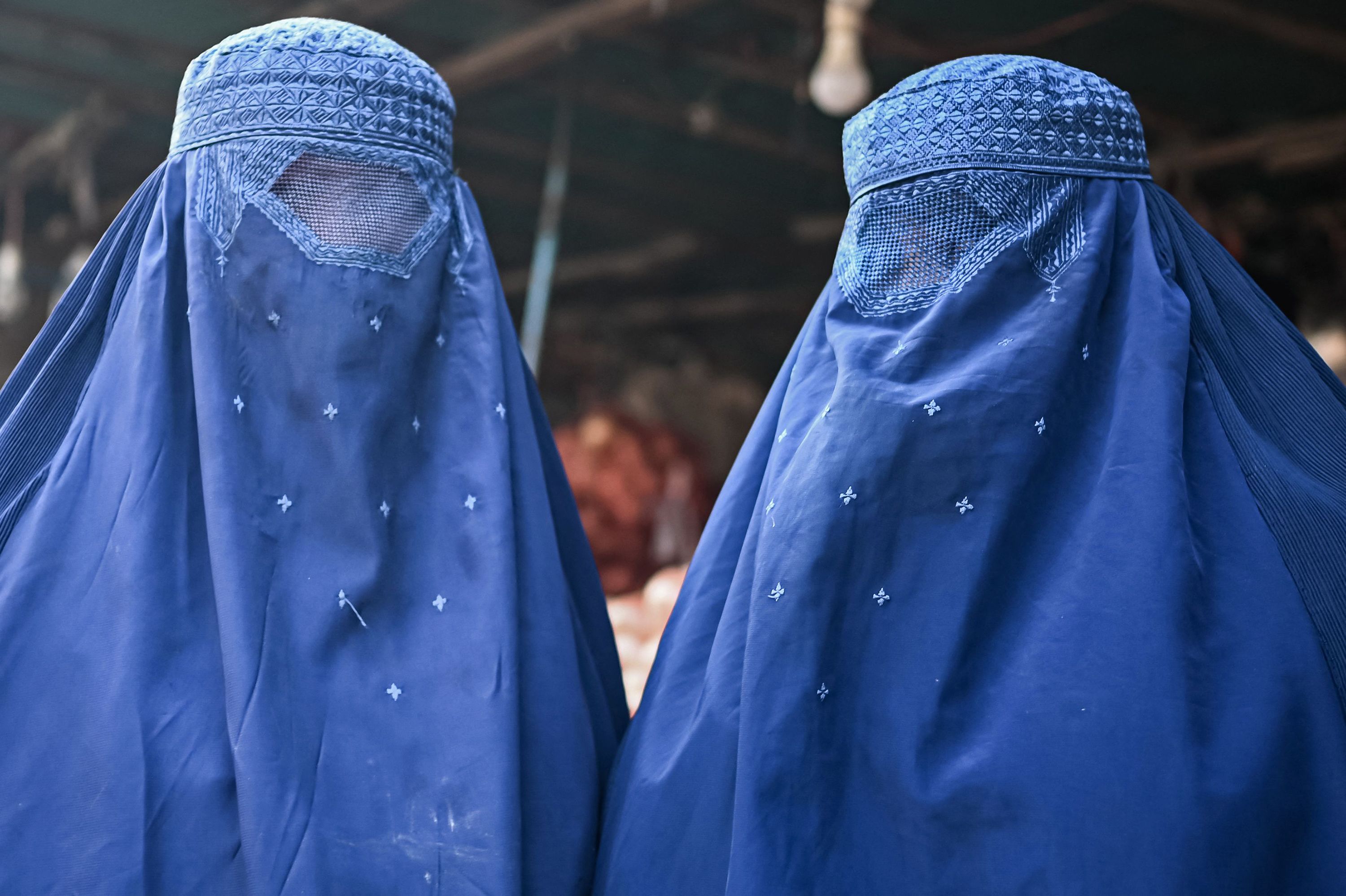
Perhaps one of the most dangerous consequences of the Taliban's policies is the growing healthcare crisis facing Afghan women.
In several provinces, male doctors have reportedly been prohibited from examining or treating female patients, including in situations requiring urgent medical attention. The enforcement of these restrictions has created fear among healthcare professionals and left women struggling to access essential treatment.
At the same time, the Taliban's December 2024 ban on women's medical education has further weakened the country's already fragile healthcare system.
This creates a devastating contradiction: women are being restricted from receiving treatment from male doctors while also being denied opportunities to train as the female doctors and medical professionals who could treat them.
The shortage of female healthcare workers is therefore becoming an increasingly serious concern.
UNICEF has warned of a dual crisis, with experienced female professionals leaving or retiring while younger women are prevented from entering medical fields. The consequences could be particularly severe in rural areas, where access to healthcare is already limited.
Afghanistan also faces serious maternal and infant health challenges. Maternal mortality, complications during pregnancy and childbirth, inadequate reproductive healthcare and limited access to trained medical professionals place women and newborns at considerable risk.
When women cannot access healthcare easily, the consequences can be life-threatening. Restrictions on movement, the need for male accompaniment and shortages of female medical professionals can delay treatment, particularly for pregnant women and those experiencing medical emergencies.
The ban on women's medical education threatens to make this situation even worse. The loss of an entire generation of potential female doctors, nurses and midwives could leave the country struggling to provide essential maternal and reproductive healthcare for years to come.
The reported ban on women's names in medical records introduces another worrying dimension.
Imagine a hospital where multiple female patients are registered under the same generic name. How would healthcare workers reliably distinguish between their medical histories, prescriptions, diagnoses and treatment requirements?
Apart from being an assault on personal identity, such a practice could create confusion, increase administrative errors and potentially compromise patient safety.
A woman's name is not an unnecessary detail in a medical record. It is an essential part of identifying her and ensuring that she receives the correct treatment.
When a Woman's Identity Disappears From Official Documents
The erasure of women's names is particularly concerning because Afghan women have historically faced barriers to being publicly identified as individuals.
In some traditional social settings, women's names have been omitted from public announcements, family invitations, gravestones and even certain official records. Women have sometimes been identified primarily through their relationships with male relatives, such as someone's wife, daughter or mother.
However, turning such practices into official restrictions takes the issue to another level.
A name is essential for establishing legal identity, accessing public services and exercising fundamental rights. Official documentation is particularly important for women who need to prove their identity, establish family relationships or access humanitarian assistance.
A 2024 United Nations report highlighted the difficulties Afghan women face when obtaining civil documentation, including the requirement for a male guardian in certain administrative processes.
These barriers can have serious consequences for women who are widowed, separated, heading households or living without male relatives.
The importance of documentation becomes even clearer when considering the experiences of Afghan women who have already been affected by the absence of proper identity records.
For example, Afghan journalist Khadija Amín reportedly faced difficulties establishing her legal identity as the mother of her children because her name had not appeared on their birth certificates. The absence of proper documentation complicated her efforts to pursue a legal case and reconnect with her children.
Her experience illustrates why the recognition of women's identities is not merely symbolic. It can directly influence their ability to protect their families, establish legal relationships and seek justice.
When women are denied recognition in official records, the consequences can follow them throughout their lives.
The Taliban's Restrictions Are Becoming a System of Gender Apartheid
The developments in Afghanistan cannot be understood as a collection of unrelated restrictions.
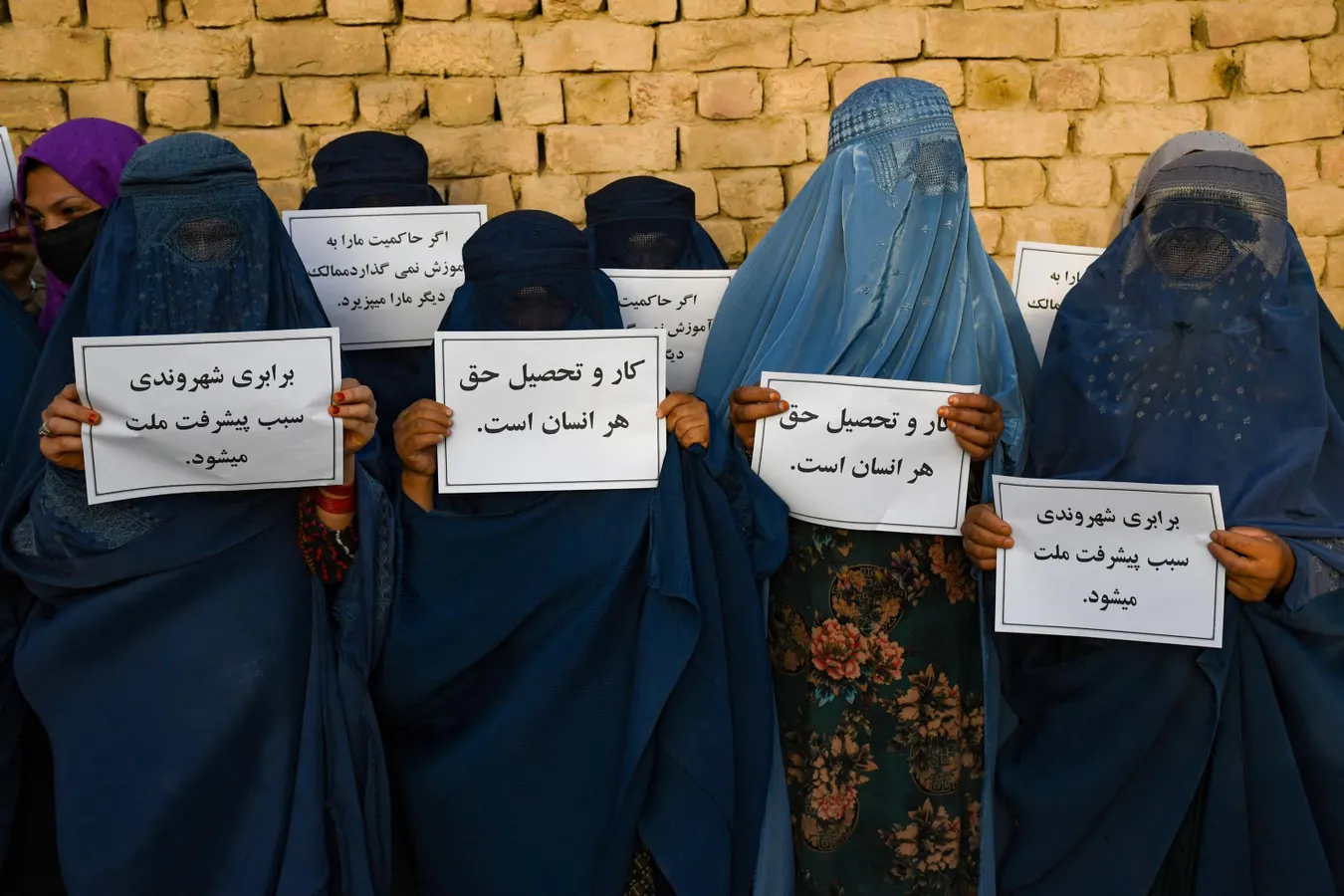
The exclusion of girls from schools, the removal of women from workplaces, restrictions on healthcare, control over movement and the reported erasure of women's names collectively point towards a wider system of gender-based discrimination.
Human rights experts and international organisations have increasingly described the situation as gender apartheid.
The term reflects a system in which women and girls are systematically subordinated through laws, policies and institutional practices because of their gender.
By June 2026, an assessment by the Georgetown Institute for Women, Peace and Security had documented 264 Taliban decrees affecting human rights, including 166 specifically targeting women and girls.
These restrictions have affected nearly every aspect of women's lives, from education and employment to healthcare, family relationships and participation in public institutions.
The Taliban's Ministry for the Propagation of Virtue and the Prevention of Vice has played a central role in enforcing these restrictions.
Its inspectors have reportedly monitored women's clothing, movement, access to public spaces and interactions with men. Such enforcement has also extended into healthcare facilities and private life.
Restrictions on women's personal grooming and well-being further demonstrate how far this control extends.
The closure of beauty salons, for example, was not merely an attack on a particular business sector. These establishments provided employment, financial independence and opportunities for women to socialise and access personal care services.
More broadly, restrictions on appearance, clothing, grooming and access to spaces where women could receive personal care have limited their ability to make even ordinary decisions about their bodies and well-being.
What makes this system particularly alarming is its cumulative nature. Each restriction reinforces another, gradually making it more difficult for women to challenge discrimination or exercise independence.
Afghan Women Continue to Resist Despite Fear and Restrictions
Despite the increasingly restrictive environment, Afghan women have not completely surrendered their aspirations or their fight for dignity.
Some continue to operate underground businesses, while others organise secret schools to provide girls with educational opportunities that have been taken away from them.
Women who once worked as teachers, journalists, doctors and entrepreneurs are finding ways to preserve their skills and support their communities.
However, these efforts come with considerable risks.
An underground school can expose its organisers to arrest. A secret business can invite inspections and punishment. Women who speak against the authorities may face intimidation, threats and violence.
The pressure on women's civil society organisations has made resistance even more difficult.
Women-led organisations, independent human rights groups and civil society networks have faced restrictions on their activities, staffing and ability to operate. The prohibition or limitation of women's participation in humanitarian and development work has also affected the delivery of essential services.
Female aid workers play a particularly important role in reaching women and girls who may not be able to interact freely with male workers because of social restrictions. Preventing these workers from carrying out their responsibilities can leave vulnerable women without access to food assistance, healthcare, education and protection services.
The closure of beauty salons offers another example of how women have attempted to resist economic exclusion. Even after the official prohibition, some continued running their businesses secretly, providing essential income for themselves and their families.
Such acts of resistance may appear small compared with the scale of the restrictions, but they demonstrate something important: Afghan women continue to assert their right to make decisions about their own lives.
Their resistance also challenges the assumption that restrictions can permanently erase women's ambitions, knowledge or determination.
International Community Faces Questions Over Its Response
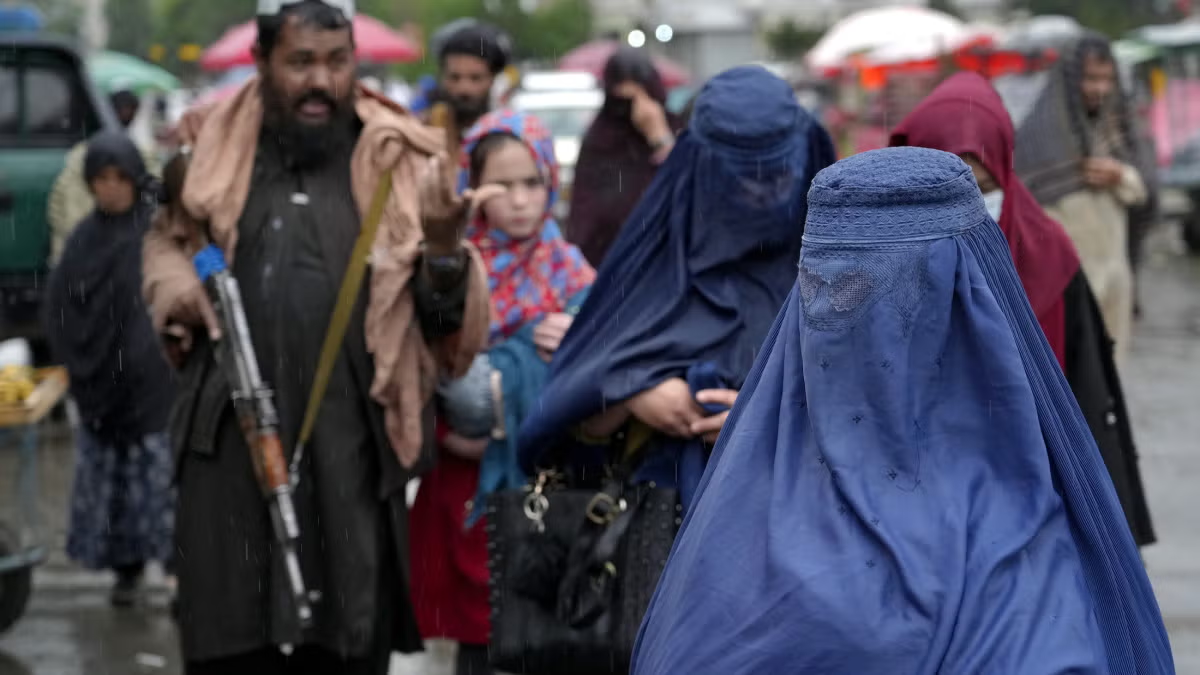
The situation also raises serious questions about the response of the international community.
Governments, international institutions and human rights organisations have repeatedly expressed concern about the treatment of Afghan women. However, declarations of concern have not translated into meaningful improvements in women's everyday lives.
The increasing diplomatic engagement with Taliban representatives has raised further concerns about the possibility of normalising a government accused of systematically excluding women from public life.
Diplomacy and humanitarian engagement remain important, particularly in a country facing severe economic and humanitarian challenges. However, engagement without accountability risks sending the message that violations of women's fundamental rights can be separated from broader international relations.
The situation of Afghan refugees abroad presents another contradiction.
Recent developments in the United States have highlighted the fear among Afghan families facing possible deportation to Taliban-controlled Afghanistan.
Nearly 200 Afghans were reportedly facing planned deportation through Pakistan, although a federal judge temporarily blocked a scheduled flight. Women and children could face particularly serious consequences if forced to return.
For women who escaped Afghanistan to protect their children, pursue education or avoid persecution, the possibility of being sent back represents an enormous source of anxiety.
An Afghan woman who previously worked as a doctor described her fears about returning, particularly because her daughter would lose the opportunity to continue her education and build an independent future.
The issue is not simply about immigration policy. It is also about whether people fleeing persecution can be forced to return to circumstances in which their fundamental rights and safety may be at risk.
International governments must therefore consider the specific vulnerabilities of Afghan women when making decisions about asylum, deportation and refugee protection.
Afghanistan's Women Need More Than Statements of Concern
The reported attempt to erase Afghan women's names is not an isolated administrative development. It is part of a wider pattern of restrictions that have steadily reduced women's freedom, independence and visibility.
A girl denied education loses the opportunity to shape her future. A woman denied employment loses her financial independence. A patient denied medical treatment risks her health and life. A woman facing forced marriage or domestic violence may find herself without meaningful protection. A woman whose identity disappears from official records may struggle to access justice, healthcare and basic public services.
These restrictions are connected by a common objective: limiting women's ability to exist as independent individuals.
The international community cannot afford to treat every new decree as another temporary controversy that will eventually fade from headlines. Each restriction creates lasting consequences, and the damage becomes more difficult to reverse with time.
Meaningful action must include continued humanitarian assistance, protection for women's rights defenders, support for independent education initiatives, safe access to healthcare and stronger international accountability.
Governments must also ensure that diplomatic engagement does not come at the cost of abandoning the rights of Afghan women.
Most importantly, the voices of Afghan women must remain central to discussions about their future. They should not be treated merely as victims of a political crisis but recognised as individuals with ambitions, knowledge, experiences and the right to make decisions about their own lives.
The Taliban may attempt to take away women's opportunities, silence their voices and even erase their names from official records. But a woman's identity cannot be reduced to a label, nor can her humanity be erased through a government decree.
A country cannot claim to uphold human dignity while denying half its population the right to learn, work, speak, receive medical care and be recognised by their own names.
© Copyright 2026. All Rights Reserved. Powered by Vygr Media.