
 By
By 
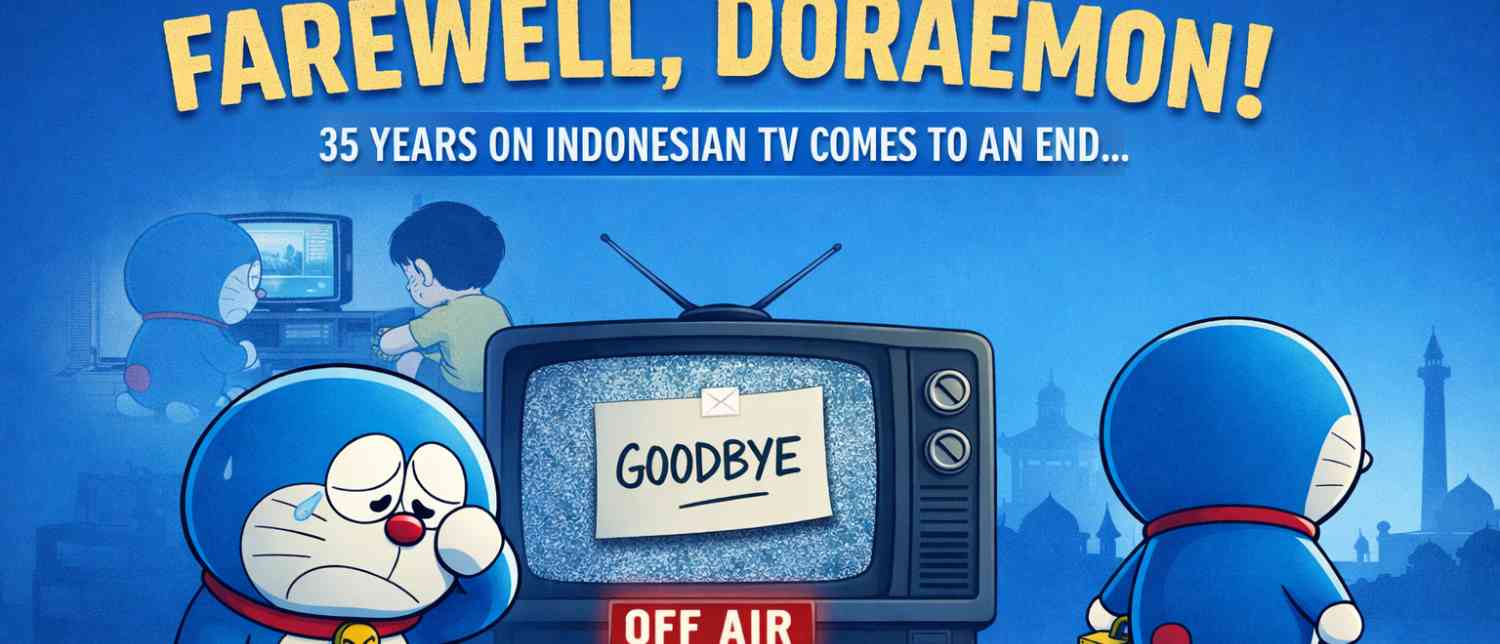
For millions of Indonesians, Sunday mornings once followed a comforting and unchanging ritual. At precisely 8 a.m., televisions flickered to life with the familiar image of a blue robotic cat stepping out of the future to rescue an endlessly unlucky boy named Nobita Nobi. For more than three decades, Doraemon was not just a cartoon—it was a shared national experience. That era has now quietly come to an end.
After approximately 35 years on Indonesian television, the iconic Japanese anime Doraemon has disappeared from the programming schedule of Rajawali Citra Televisi Indonesia (RCTI). The long-running series, which shaped the childhoods of multiple generations, has been absent from the channel since the end of 2025. The sudden removal has sparked confusion, nostalgia, and emotional reactions across social media, as viewers struggle to process the loss of a cultural mainstay.
A Sudden Absence That Didn’t Go Unnoticed
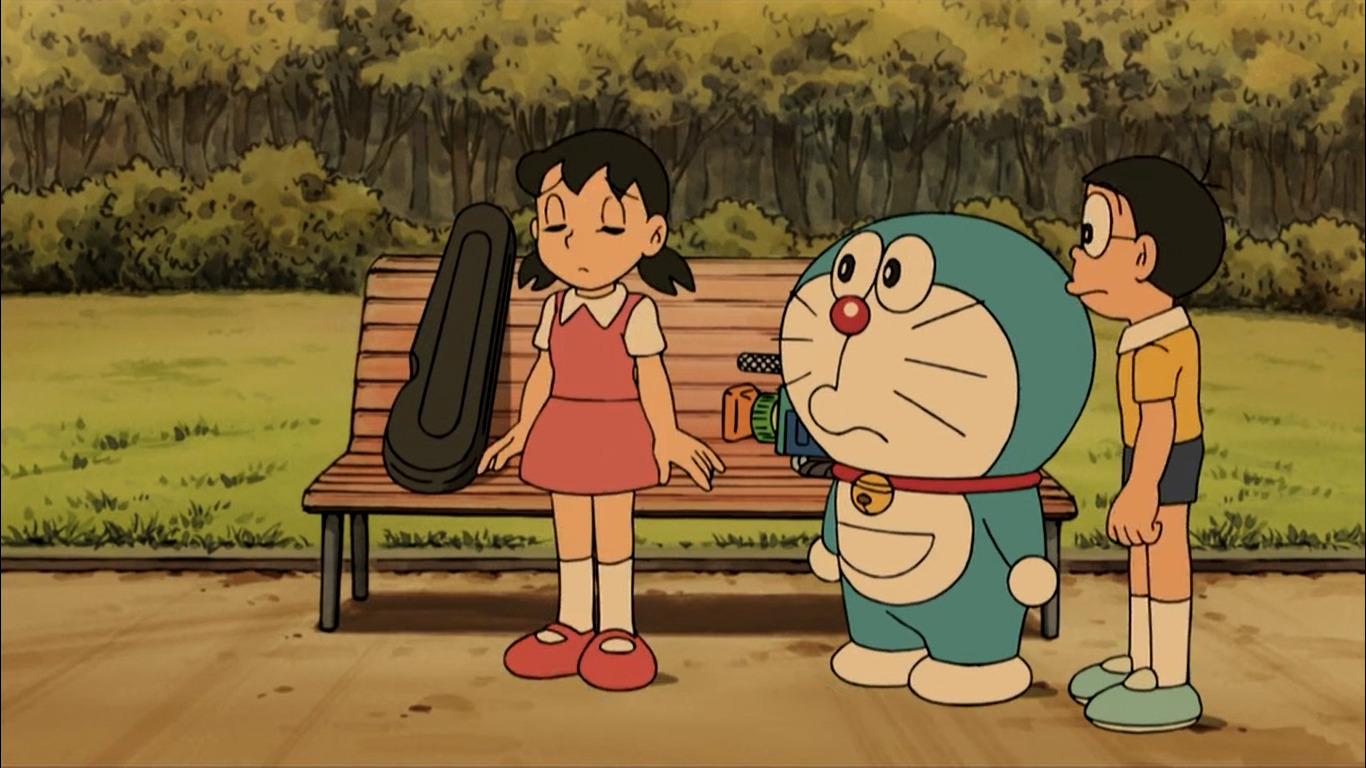
The disappearance of Doraemon from RCTI was first noticed by loyal viewers during what was once its most sacred time slot: Sunday mornings. By late December 2025, the show no longer appeared on the broadcaster’s schedule. According to programme data published on the RCTI+ website, Doraemon was missing from the lineup between December 29, 2025, and January 4, 2026. Since then, it has yet to return.
Despite the growing speculation, RCTI has not issued any official statement explaining why the anime was removed. There has been no clarification regarding licensing issues, scheduling changes, or a permanent cancellation. This silence has only intensified public reaction, with fans demanding answers and transparency from the network.
Adding to the concern, observers also noted that Doraemon feature films—once regularly aired—had become increasingly rare on the channel in recent months, suggesting that the anime’s departure may have been planned quietly.
Social Media Reacts: Nostalgia, Protest, and Emotional Fallout
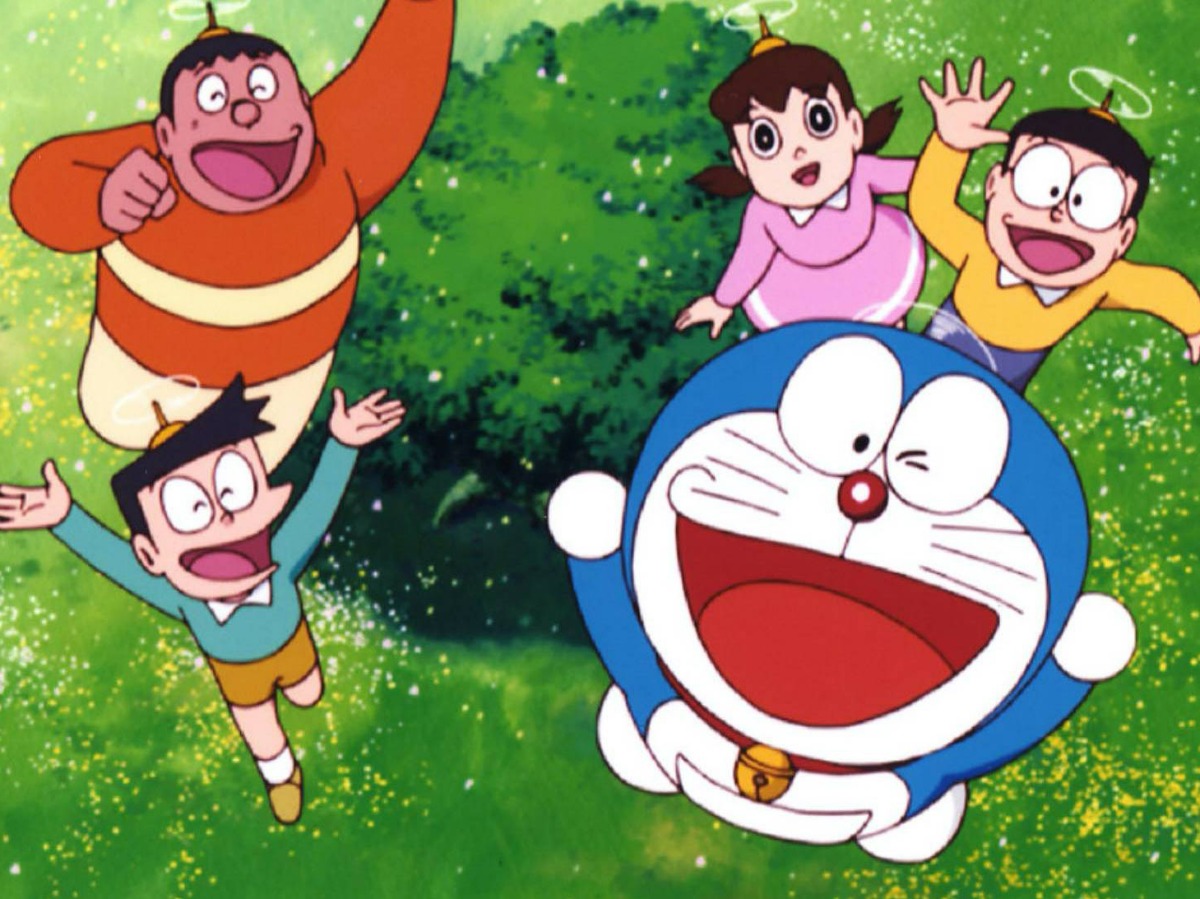
As of Sunday, January 4, 2026, RCTI’s social media platforms were flooded with comments from disappointed viewers. On Instagram alone, thousands of fans expressed frustration, sadness, and disbelief.
“Please re-air Doraemon on RCTI,” one user pleaded.
“Since Doraemon stopped airing, RCTI isn’t exciting anymore,” another commented.
A third wrote, “I only watch RCTI for Doraemon. Please bring it back.”
These reactions echoed a broader sentiment: for many viewers, Doraemon was the primary reason they tuned in to free-to-air television at all.
The verified Instagram account Catatan Film further fueled online discussion by sharing broadcast data that confirmed the anime’s disappearance from the schedule. The post quickly gained traction, prompting fans to question whether this marked a permanent end or merely a temporary hiatus.
On X (formerly Twitter), the account @indoPopBase reported that Doraemon had officially ended its run on RCTI after nearly four decades. The post resonated deeply, encapsulating the collective sense of loss felt by Indonesians who grew up alongside the series.
'DORAEMON' Anime has Officially Ended its run on the Indonesian Network RCTI after nearly four decades! pic.twitter.com/Z8u54wTltZ— Anime Updates (@animeupdates) January 5, 2026
More Than a Cartoon: Doraemon’s Cultural Impact in Indonesia
Doraemon first arrived on Indonesian television in the early 1990s and quickly embedded itself into everyday life. For many families, Sunday mornings at 8 a.m. became synonymous with Nobita’s misadventures, Doraemon’s seemingly magical gadgets, and stories that balanced humour with emotional depth.
The show followed Doraemon, a robotic cat from the 22nd century, who travels back in time to assist Nobita—a well-meaning but accident-prone schoolboy. While the gadgets from Doraemon’s four-dimensional pocket often drove the plot, the stories consistently revolved around timeless themes: friendship, responsibility, empathy, perseverance, and the consequences of taking shortcuts.
For Indonesian viewers, Doraemon wasn’t niche or generationally limited. Parents who once watched the anime as children later found themselves watching it again with their own kids. Few television shows managed to bridge age gaps so seamlessly.
In many ways, Doraemon served as one of the earliest emotional connections Indonesians formed with fictional storytelling. It taught children that no futuristic device could replace effort or kindness, often using Nobita’s failures as gentle life lessons wrapped in comedy.
Setelah setia menemani sejak tahun 1990, Doraemon kini sudah tidak ada lagi dalam jadwal siaran RCTI per awal Januari 2026.
Terima kasih untuk semua kenangan masa kecil yang luar biasa, Nobita dan Doraemon! pic.twitter.com/PoeHmHqTZG— Otaku Anime Indonesia (@Otaku_Anime_Ind) January 5, 2026
A Global Franchise With Deep Local Roots
Originally broadcast in Japan on TV Asahi in 1979, Doraemon has undergone numerous adaptations over the decades. Its enduring appeal lies in its unique blend of science fiction, humour, and deeply relatable storytelling. While the anime is globally recognised, its impact in Indonesia has been particularly profound.
The franchise’s ability to transcend cultural and linguistic boundaries helped it remain relevant long after many other imported cartoons faded away. In Indonesia, Doraemon became more than imported entertainment—it evolved into a cultural staple, referenced in everyday conversations and remembered fondly as a defining part of childhood.
Doraemon officially ends its run on RCTI after nearly four decades. pic.twitter.com/eficnZjSrL— Indonesian Pop Base (@iPopBase) January 5, 2026
Why the Goodbye Feels So Personal
What has made Doraemon’s departure particularly painful is not just the loss of a show, but the way it happened. There was no farewell episode, no tribute, no announcement acknowledging its decades-long presence. It simply vanished.
This abrupt exit has sparked wider conversations about the changing nature of television. Traditional broadcasters worldwide are quietly reshuffling priorities, cutting costs, and favouring content that delivers immediate ratings over long-term emotional investment. In a world dominated by streaming platforms, appointment viewing—waiting for a specific time each week—has become increasingly rare.
Today’s children grow up scrolling, streaming, and binge-watching entire series in days. They don’t structure their weekends around television schedules. In that context, Doraemon represented something older and increasingly fragile: the idea that millions of people could watch the same show at the same time and share that experience collectively.
Free-to-air television, once the great equaliser, has lost one of its last universally loved characters. Doraemon didn’t belong to a subscription service or a specific device. He belonged to anyone with a television and a bit of time to spare.
Not the End of Doraemon—But the End of an Era
While Doraemon may be gone from RCTI, the franchise itself is far from over. New episodes and films continue to be produced, and the character remains globally beloved. There is widespread belief that Doraemon will eventually resurface—perhaps on another channel or fully within the streaming ecosystem.
Still, that doesn’t soften the loss for Indonesian viewers who associate the anime with a simpler time. Doraemon came from the future, but for many, he anchored them to the past—a past filled with shared laughter, moral lessons, and Sunday mornings that felt endless.
His departure marks more than the end of a broadcast run. It symbolises the slow fading of a collective viewing culture, one where stories were experienced together rather than individually curated.
And so, Doraemon has moved on once again—without warning, without explanation—leaving behind a generation that didn’t realise it was watching its childhood say goodbye.
With inputs from agencies
Image Source: Multiple agencies
© Copyright 2025. All Rights Reserved. Powered by Vygr Media.