 By
By 
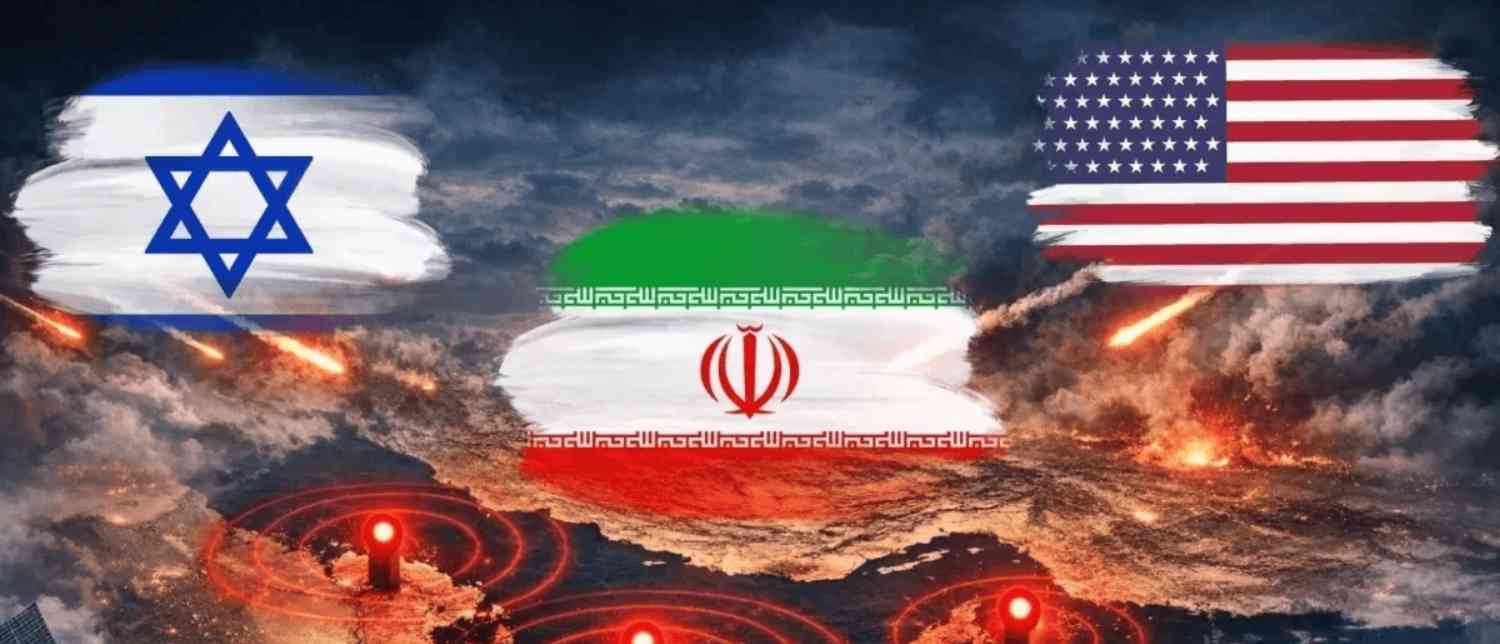
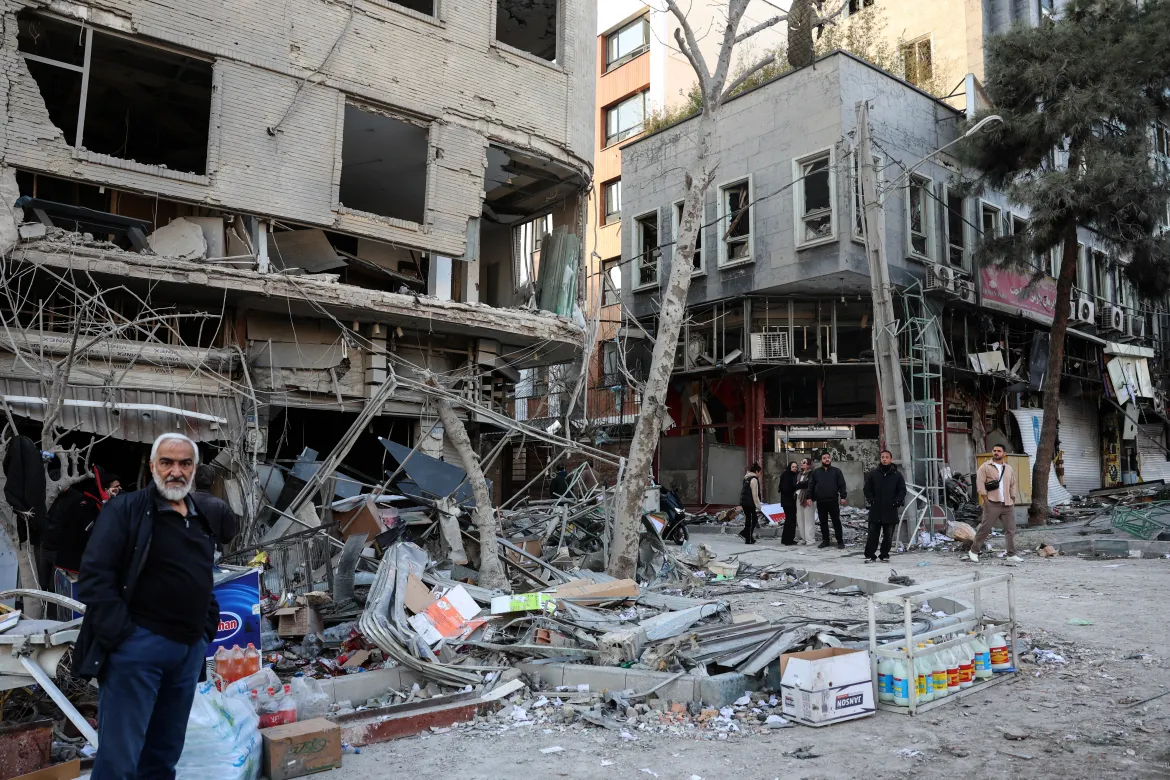
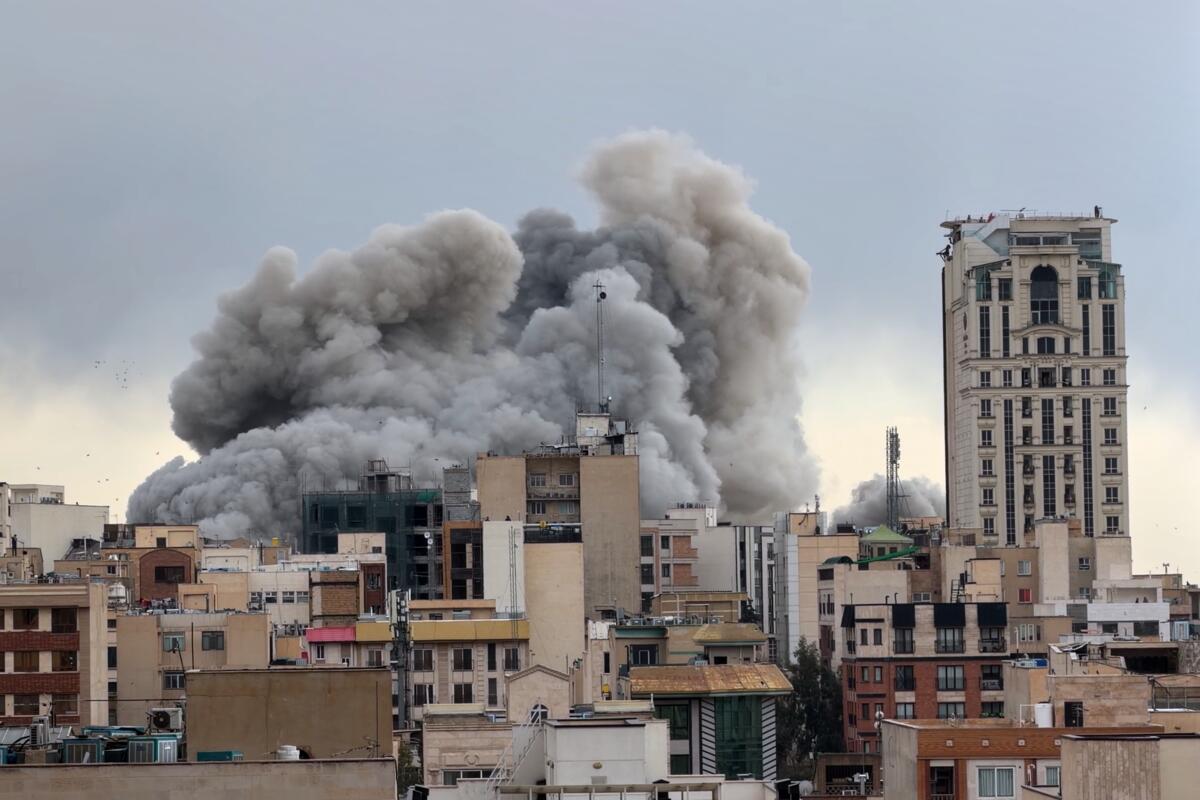
When the United States and Israel launched pre-emptive military strikes on Iran—hitting Tehran, Isfahan, Bandar Abbas and several other locations around the capital—the date was February 28. It was a Saturday.
It wasn’t the first time.
On January 3, 2026—also a Saturday—the United States intervened in Venezuela and captured President Nicolás Maduro, airlifting him to New York. On December 25, 2025—a national holiday—President Donald Trump approved an attack on the Islamic State in Nigeria. On June 22, 2025—a Sunday—the US launched airstrikes on Iran, targeting its nuclear facilities. Even earlier, the June 13, 2025 Iran attacks took place ahead of a weekend, on a Friday.
One pattern ties these events together: they happened when financial markets were closed or about to close.
Coincidence? Hardly.
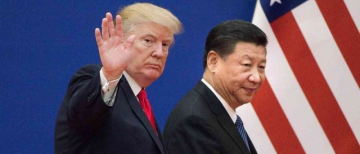
As the Middle East slid into a broader confrontation with Iran following the February 28 strikes, many began to ask a pointed question: Why does Trump prefer to attack on weekends?
The answer lies less in military doctrine and more in market psychology, oil flows, global capital movements—and political optics.
The Market Silence Strategy
Major global stock indices—from the S&P 500 in the United States to London’s FTSE 100, Japan’s Nikkei 225, France’s CAC 40 and India’s BSE Sensex—operate Monday through Friday. Trading halts over the weekend.
That two-day pause is not trivial. It creates what may be called a “cooling chamber” for financial panic.
If a military strike were to occur on a Monday morning, investors would react in real time. The result: immediate, often indiscriminate sell-offs. Markets do not like uncertainty, and war is uncertainty in its most combustible form. Without time to digest the implications, investors dump risk assets and rush into safe havens.
But when a strike happens on a Saturday, the reaction is delayed. Markets are silent. Investors speculate. Analysts publish weekend notes. Governments issue statements. Energy traders calculate possible supply impacts. By Monday morning, shock has often turned into structured positioning.
Academic literature supports this phenomenon. Studies examining wartime market reactions—from Japan’s attack on Pearl Harbor to the fall of Warsaw, the failed assassination attempt on Hitler, the death of US President Franklin Roosevelt, and the atomic bombings in Japan—show that such events create “blips” in markets. These blips produce sharp, abnormal movements tied directly to geopolitical shocks.
In a 2019 study published in The Review of Financial Studies, researchers coined the term “Flight to Safety” days—periods when equity returns are negative while bond returns are positive. In other words, investors flee stocks and rush into safer assets like government bonds.
Weekend warfare appears to be a way to manage that flight.
What Happened After the Iran Strikes?
Following two days of intense attacks across the Gulf after the February 28 strikes, US stocks initially opened lower on Monday. There was a sudden sell-off—predictable and swift.
But by the close of the trading day, markets had partially recovered.
Meanwhile, US Treasury bonds saw a predictable increase in value, reflecting investor preference for safe havens such as gold and sovereign debt. Bond-buying, however, is not necessarily a sign of US economic strength. It is a signal of risk aversion—sometimes even panic.
Investors are not expressing confidence in growth. They are seeking shelter.
And when geopolitical storms gather, shelter matters more than yield.
Oil: The Real Battlefield
If stock markets react sharply to war, oil markets react viscerally.
Conflicts involving oil-producing countries—especially in the Gulf—immediately ripple through crude prices. After the weekend strikes, the oil market absorbed the shock when trading resumed. Brent crude was trading at around $79 per barrel by lunchtime in London, up about $6 or 8.5% on the day.
By Tuesday, Brent futures for May delivery were up 2.7% to $79.84 a barrel.
But prices were only part of the story.
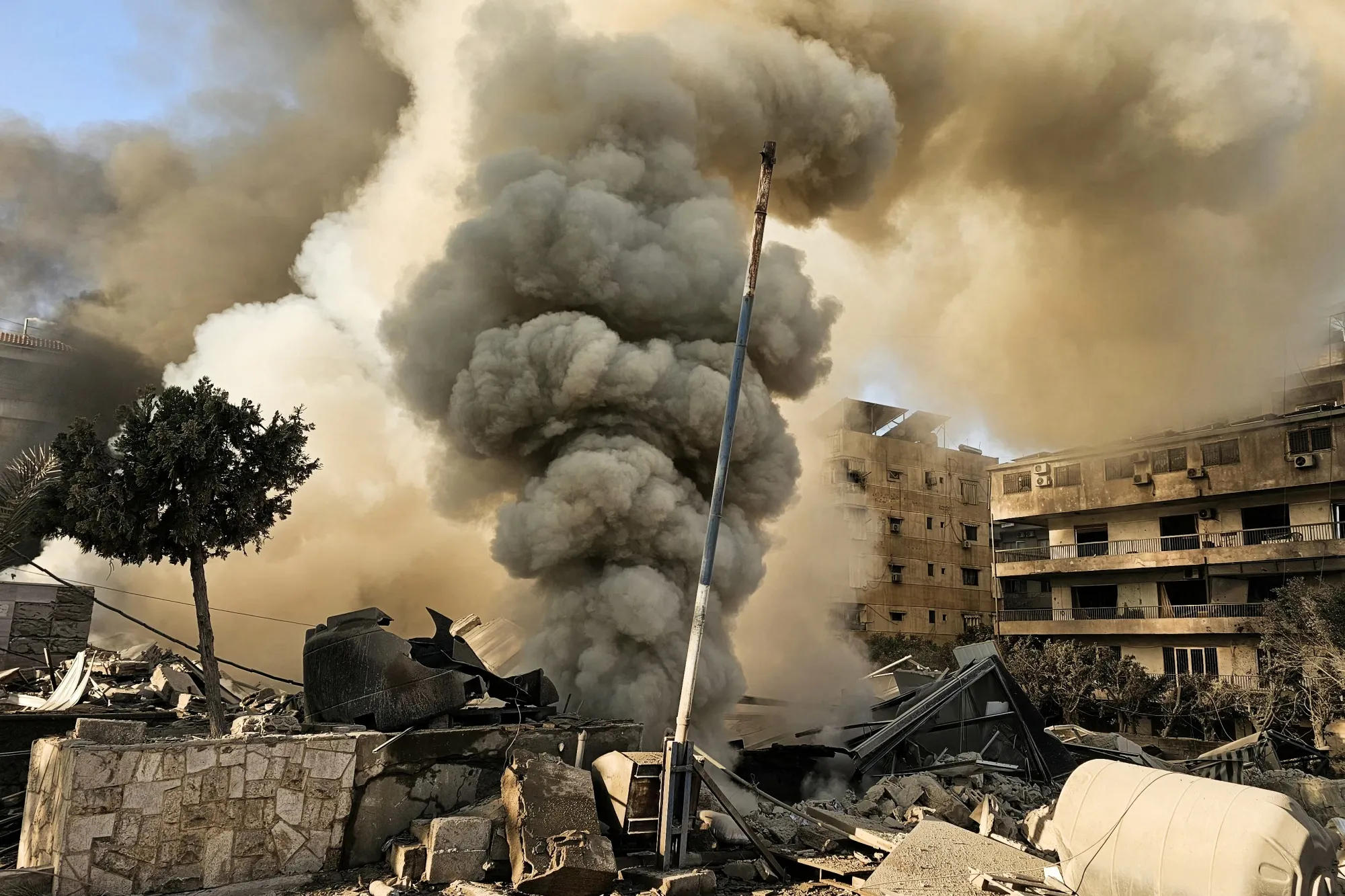
QatarEnergy halted production at Ras Laffan, the world’s largest liquefied natural gas export facility. Saudi Aramco shut down the Ras Tanura refinery following an Iranian drone strike. Earlier, reports indicated the Saudi Aramco refinery had been in flames after drone activity.
Even so, countries involved have appeared cautious about deliberately targeting core energy infrastructure. Escalation in that direction would risk uncontrollable global inflation.
And inflation is the silent amplifier of war.
As oil prices rise, fuel-dependent sectors—airlines, transportation, logistics—feel the impact first. Higher freight and insurance costs follow. Supply-chain bottlenecks intensify. Eventually, the costs reach households.
Short-term spikes can be absorbed. Markets assume some degree of persistence. But if Gulf instability continues for weeks or months, higher costs will inevitably pass through to consumers.
That prospect explains why gold tends to shine in wartime.
Why Investors Rush to Gold
Gold is not merely a metal. It is a hedge against inflation and currency debasement.
When the purchasing power of currencies weakens—especially during oil-driven inflationary shocks—investors seek gold as a store of value. Because global trade is largely conducted in US dollars, central banks accumulate dollar reserves. Gold complements those reserves as a safeguard against systemic stress.
In wartime conditions, the logic intensifies:
-
Oil rises.
-
Inflation expectations rise.
-
Equity markets wobble.
-
Bonds gain.
-
Gold rallies.
This pattern played out again after the recent strikes.
Treasury Bonds and the War Finance Machine
Buying US Treasury bonds is effectively lending money to the American government. The proceeds finance public programmes—road-building, school funding, support for veterans—funded by tax revenues and borrowing.
They can also finance defense operations.
During World War II, the US government issued “War Bonds” and raised $185 billion from 85 million Americans. The concept remains fundamentally similar today, though institutional investors dominate.
Bond inflows during crises represent caution—not necessarily economic strength. They signal that investors expect turbulence ahead.
And turbulence, by Trump’s own admission, may continue.
The Risk of a Long War
Speaking at the White House, Trump said the strikes could continue “for weeks or months.”
“From the beginning we projected four to five weeks, but we have capability to go far longer than that,” he said.
In an earlier interview with the New York Post, Trump—who campaigned on promises to end US involvement in wars—refused to rule out deploying US ground troops to Iran “if they were necessary.”
Speaking to NewsNation, he warned Iran it would “find out soon” how he planned to retaliate for the Riyadh embassy attack.
For the first time, Trump outlined operational objectives:
-
Destroying Iran’s missiles
-
Neutralizing its navy
-
Dismantling its nuclear programme
-
Halting its support for armed groups across the region
Notably absent from that list was regime change, though Trump and Israeli Prime Minister Benjamin Netanyahu have urged the Iranian people to rise up.
Meanwhile, Secretary of State Marco Rubio offered a new narrative about how the conflict began.
According to Rubio, Washington had built up forces in the Gulf to levels not seen since the 2003 Iraq invasion. The US intervened only after learning that Israel planned to strike Iran. Tehran, he claimed, was ready to retaliate against US forces in response to Israel’s actions, prompting Trump to act “pre-emptively” alongside Israel.
“The imminent threat was that we knew that if Iran was attacked—and we believed they would be attacked—that they would immediately come after us,” Rubio told reporters.
Democrats were unconvinced. Senator Mark Warner described it as “uncharted territory” for the United States to be triggered into military action by Israel’s perception of a threat.
Iran’s foreign minister, Seyed Abbas Araghchi, rejected the narrative entirely, stating there was never any Iranian “threat.” He accused Washington of entering “a war of choice on behalf of Israel.”
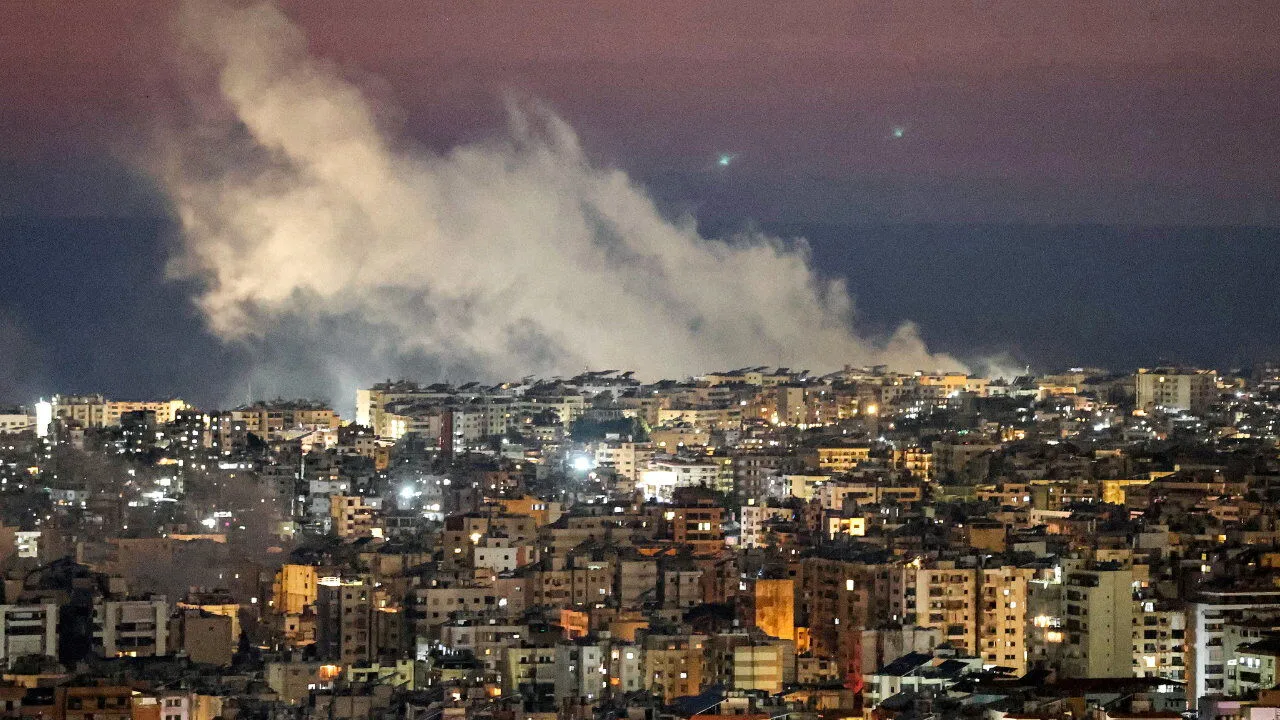
This lack of a unified objective—and what critics describe as a thin casus belli—may prolong the conflict for both the United States and Israel.
The OPEC+ Calculation
A Reuters report on February 28 cited sources suggesting OPEC+ could consider a larger-than-planned output increase of 411,000 barrels per day, after the UAE and Saudi Arabia raised exports in anticipation of disruptions.
This underscores the strategic sensitivity of timing.
Weekend strikes give oil-producing countries space to coordinate responses before markets reopen. They allow OPEC+ to signal supply adjustments, thereby moderating price spikes.
For Gulf Cooperation Council (GCC) economies—Saudi Arabia, UAE, Qatar—the implications are complex.
Higher oil prices support fiscal balances, liquidity and infrastructure spending in hydrocarbon-driven economies. But prolonged instability risks capital flight, delays in infrastructure and energy projects, supply-chain disruptions, higher insurance premiums and deferred private capital expenditure.
War can inflate revenues in the short term, but it corrodes planning horizons.
The Strait of Hormuz: A Global Chokepoint
At present, the Strait of Hormuz—through which roughly 20% of global oil supply transits—is closed.
That single statistic carries enormous weight.
For India, the implications are particularly ominous. More than 50% of India’s energy imports transit through the Strait. Even temporary disruptions would affect energy security, inflation trajectories and external balances, according to market observers.
China, India and Japan are Asia’s largest Gulf oil buyers. While analysts note that global oil supply remains ample—including from Venezuela—shipping and logistics costs would inevitably rise for Asian economies.
India maintains strong relations with GCC countries, offering some diplomatic cushion. But markets are focused less on diplomatic goodwill and more on physical flows.
Siddhartha Khemka of Motilal Oswal Financial Services noted that the greater concern is not necessarily a prolonged supply shock, but short-term disruptions and uncertainty—which themselves can sustain elevated prices.
Uncertainty, after all, is expensive.
Why Weekends Matter More Than Ever
Equity strategist Kranthi Bathini of WealthMills Securities put it bluntly: if escalation occurs on a weekend, there is time to assess consequences and risks. When a “Black Swan” event strikes during market hours, panic can become ferocious.
Weekend timing reduces the risk of uncontrolled financial contagion.
But Bathini also emphasized that such attacks involve precise internal calculations beyond market optics.
Military decisions are never purely financial.
Yet in a hyper-financialized global economy—where trillions of dollars move at algorithmic speed—the intersection of geopolitics and markets cannot be ignored.
A Pattern with Strategic Logic
From Iran to Venezuela, from Nigeria to renewed Gulf escalation, Trump’s weekend actions reveal a pattern grounded in three overlapping calculations:
-
Market Containment: Allow time for digestion before equities reopen.
-
Oil Shock Management: Give producers and OPEC+ space to signal supply adjustments.
-
Political Framing: Control the narrative cycle before weekday media and congressional scrutiny intensifies.
The result is not the absence of volatility—but its modulation.
Markets still sell off. Bonds still rally. Gold still climbs. Oil still spikes. But the reaction is staggered rather than explosive.
Whether this strategy ultimately shortens or prolongs conflicts remains unclear.
What is clear is that the economic dimension of warfare now rivals the military one. In a world where the S&P 500 can swing billions of dollars in minutes and oil prices transmit inflation across continents, timing is strategy.
And weekends, it seems, have become the new battleground.
With inputs from agencies
Image Source: Multiple agencies
© Copyright 2025. All Rights Reserved. Powered by Vygr Media.