 By
By 
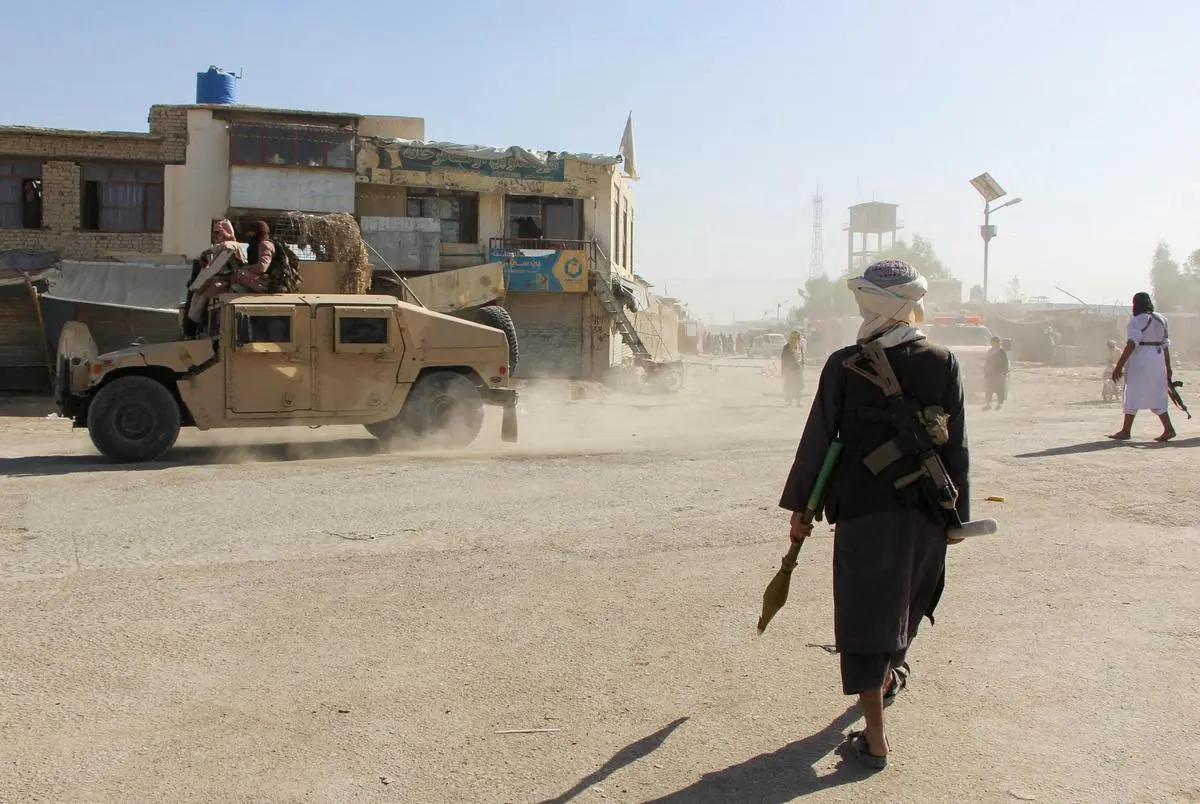
Pakistan has declared open war on Afghanistan after Afghan forces attacked Pakistani border positions on the night of February 26, 2026. What had simmered since the Taliban’s return to power in 2021 has now erupted into full-scale confrontation.
This is not an isolated flare-up. It is the culmination of decades of strategic miscalculations—of proxy warfare, internal repression, and geopolitical double games—that have finally boomeranged with devastating force. The very neighbour Islamabad once sought to control through proxies has turned into a hostile front. And inside Pakistan, militant violence is surging from multiple directions: the Baloch Liberation Front (BLF), the Tehrik-i-Taliban Pakistan (TTP), and the Islamic State – Khorasan Province (ISIS-K).
Pakistan today faces not India, but the monsters it midwifed.
A War Years in the Making
The deterioration began the moment the Taliban seized Kabul in 2021. For years, Pakistan’s security establishment pursued “strategic depth” in Afghanistan—an attempt to counter India by backing Taliban factions. But once the Taliban consolidated power, the calculus shifted. Afghanistan began cautiously improving ties with India.
In October 2025, Afghan Foreign Minister Amir Khan Muttaqi visited New Delhi, issuing joint statements condemning terrorism and boosting trade cooperation. Early in 2026, India increased aid to Afghanistan to 150 crore rupees—signalling a diplomatic realignment that left Islamabad deeply uneasy.
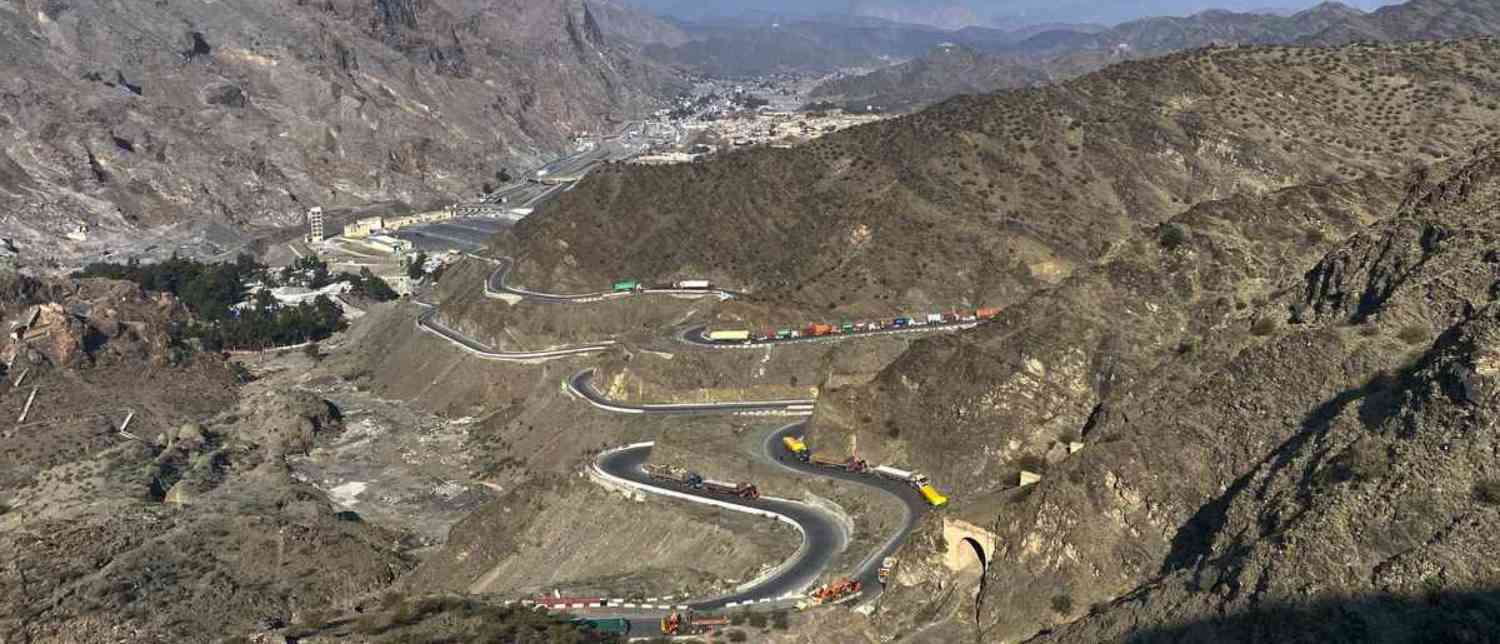
Pakistan’s fear of growing India-Afghanistan engagement became the tinderbox. The spark came on February 26, 2026, when Afghan forces attacked Pakistani border positions. Islamabad responded with major strikes and declared itself in “open war” with the Taliban administration. Since then, more than 50 airstrikes have reportedly targeted Afghan military positions.
Cross-border fighting along the Durand Line entered its fifth consecutive day. Diplomatic mediation attempts by Saudi Arabia and Qatar failed to secure a permanent ceasefire. The war that many saw coming is now fully underway.
The Bagram Escalation
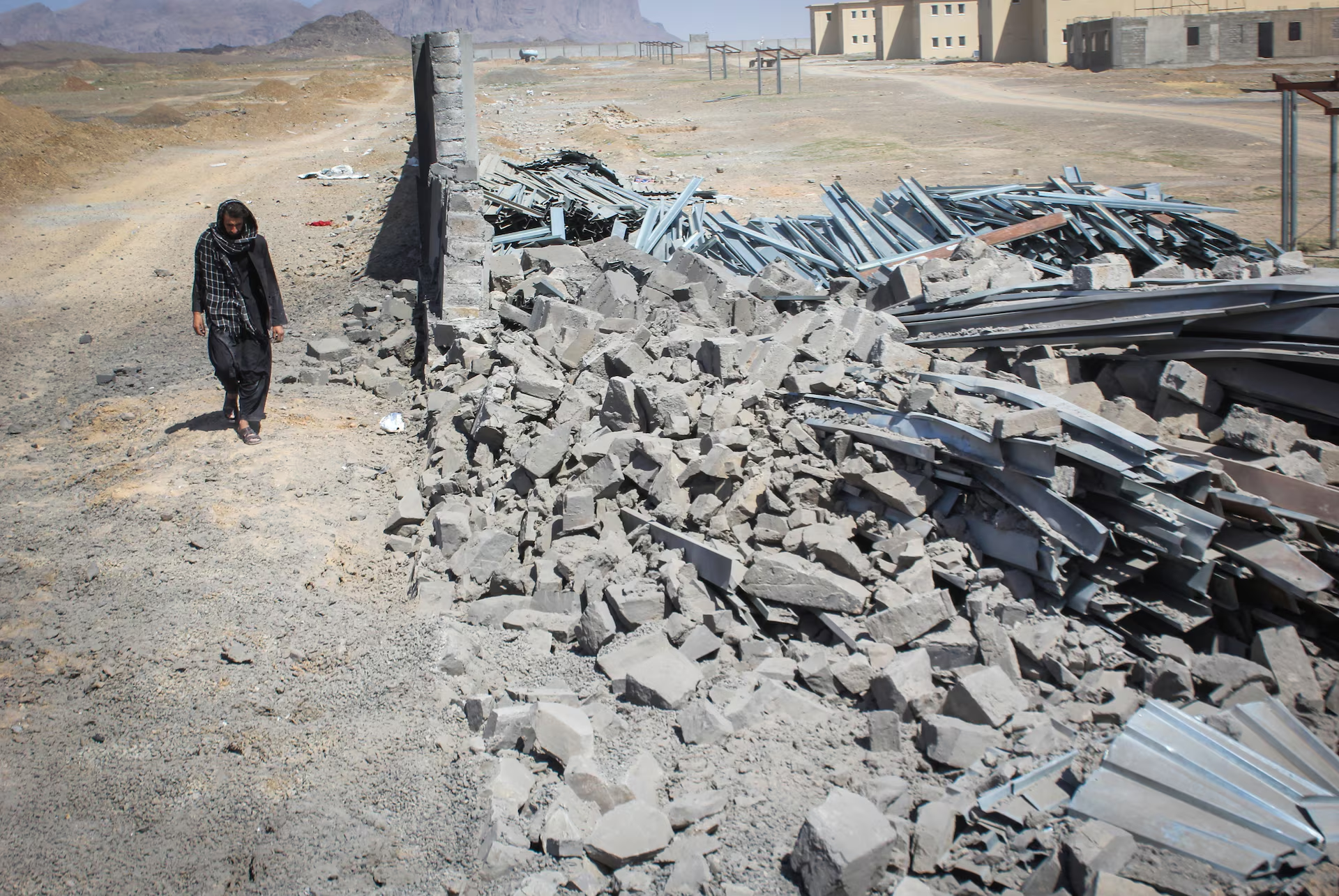
The conflict escalated dramatically when Pakistan struck Bagram Air Base, once the largest US military base in Afghanistan and now a symbol of Taliban sovereignty.
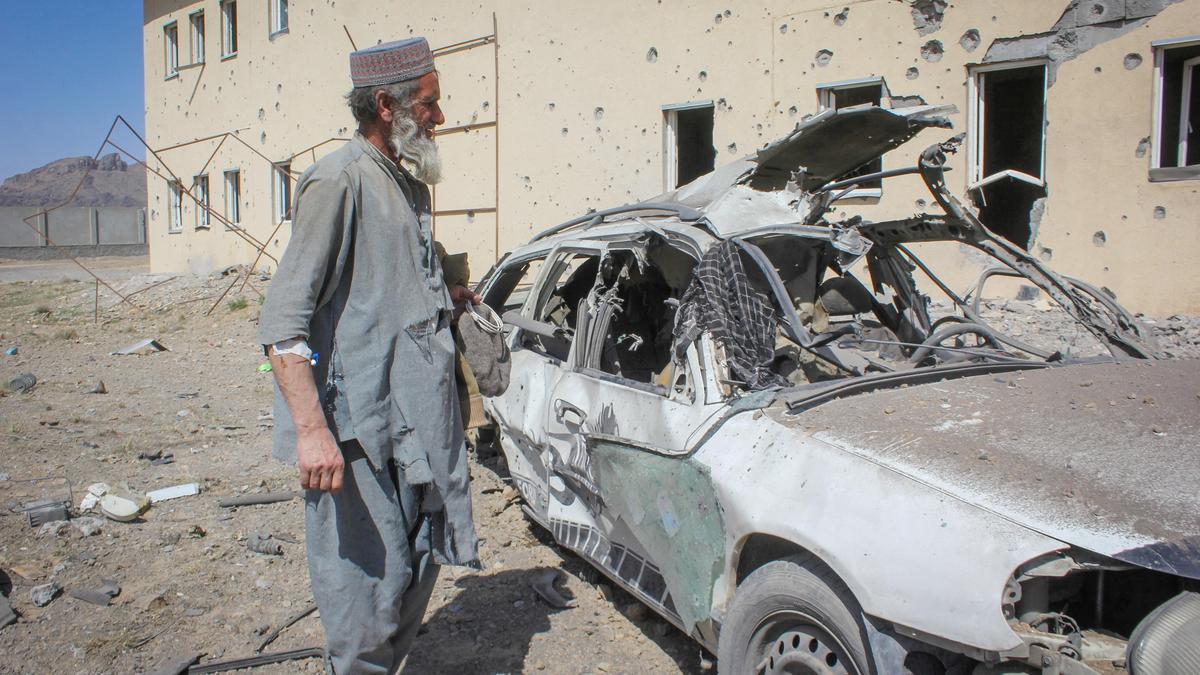
Satellite images obtained by The New York Times confirmed explosions and extensive structural damage within the base compound. At least one aircraft hangar and two large warehouses in the northern section were flattened. Residents in Bagram town, about 60 km north of Kabul, reported hearing two explosions shortly after 6 a.m., along with the roar of a jet overhead.
Afghan authorities initially claimed their air defence systems intercepted the attack. Officials in Parwan province said Pakistani jets entered Afghan airspace around 5 a.m. and attempted to bomb the base, and that Afghan anti-aircraft and missile systems responded. Pakistan has not publicly addressed those claims. However, a Pakistani military official—speaking anonymously—confirmed multiple strikes were conducted to destroy equipment and supplies.
The strike on Bagram came after Afghanistan reportedly used drones to target Pakistan’s Command and Control Centre at Nur Khan Air Base in Rawalpindi. That base had previously been targeted by Indian forces during Operation Sindoor, adding yet another layer of geopolitical symbolism.
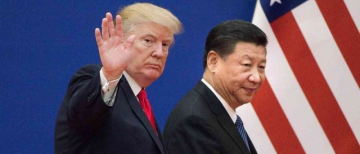
Bagram holds enormous strategic and symbolic value. With Afghanistan’s longest runway at 11,800 feet, it was the nerve centre of America’s 20-year war. The Taliban paraded captured US military hardware there after 2021. Former US President Donald Trump repeatedly argued Washington should never have abandoned Bagram because of its proximity to China. Amir Khan Muttaqi, however, rejected calls for renewed US presence, stating Kabul seeks positive relations with Washington “without any military presence.”
By striking Bagram, Pakistan targeted not merely infrastructure but the Taliban’s most prized military trophy.
The Blowback from Proxy Politics
Pakistan justifies its strikes by accusing the Taliban government of providing safe haven to the TTP, which has intensified attacks inside Pakistan since 2021. Kabul denies supporting the group, despite repeated UN and independent reports citing TTP presence in Afghanistan.
The irony is stark. For decades, Pakistan’s Inter-Services Intelligence cultivated Taliban factions to counter Indian influence. It provided sanctuary and resources to networks such as the Haqqani group, which orchestrated the 2008 and 2009 bombings of the Indian embassy in Kabul.
But the Taliban victory flipped the script. The TTP—once tolerated as a useful ideological cousin—now operates from Afghan soil and strikes Pakistan relentlessly. Over 600 TTP-linked incidents were reported in the past year alone, killing hundreds of Pakistani soldiers and civilians. In lethality, TTP attacks now surpass those of ISIS-K.
Clashes along the Durand Line escalated sharply in October 2025, with cross-border strikes claiming civilian lives and further poisoning relations. Islamabad’s decades-long strategy of proxy leverage has collapsed into mutual hostility.
Balochistan: The Oldest Fault Line
While Pakistan fights on its western frontier, internal insurgency continues to deepen—particularly in Balochistan.
The roots trace back to 1948, when Pakistani forces annexed the princely state of Kalat against the will of its leaders, triggering the first armed uprising. Successive governments—from the Pakistan Muslim League to the Pakistan Tehreek-e-Insaf, from the Pakistan People’s Party to the current coalition—have perpetuated economic marginalisation.
Despite vast natural gas reserves and mineral wealth, Balochistan remains Pakistan’s poorest province, with the highest poverty levels and lowest literacy rates. Islamabad sought to co-opt Baloch elites with development promises, hoping to rally them against India. Instead, heavy military deployments and enforced disappearances hardened resentment.
The result is a resilient insurgency. The Baloch Liberation Army (BLA) recently escalated operations, including the hijacking of the Jaffar Express in March 2025 that killed 26 people. Baloch insurgents have demonstrated advanced tactics, including suicide bombings and temporary occupation of towns.
What began as a peripheral grievance has become a full-blown security crisis.
The ISIS-K Gambit
Pakistan’s entanglement with ISIS-K has compounded the chaos. Intelligence reports have alleged links between elements of the Inter-Services Intelligence and ISIS-K, including a controversial “Dabori Agreement” that supposedly shielded the group in exchange for focusing attacks on Afghanistan rather than Pakistan.
The logic mirrored earlier proxy strategies: use militants as instruments of pressure while keeping them contained. That strategy has unravelled.
ISIS-K claimed responsibility for major international attacks, including the 2024 Moscow concert hall massacre and plots in Europe. Its Pakistani branch has turned inward, exemplified by the 2026 Islamabad mosque bombing. Former TTP defectors now form a core part of ISIS-K leadership.
In 2025, ISIS affiliates expanded operations to 22 countries, with deaths rising sharply inside Pakistan. The state that once sought to weaponise militancy now finds itself targeted by splintered, radicalised factions beyond its control.
Geopolitical Exploitation
As Pakistan weakens internally and externally, global powers maneuver.
China views Pakistan as a pliant partner in securing the China-Pakistan Economic Corridor—critical for energy routes and strategic access. Continued instability ensures Islamabad remains financially dependent on Chinese loans and investments.
The United States, meanwhile, leverages Pakistan’s fragility to counter Beijing’s influence, offering selective aid tied to cooperation on counterterrorism and rare earth minerals—while aligning more closely with India to contain China.
This dual external pressure ensures Pakistan remains fractured and strategically constrained.
A State at Risk of Implosion
Today, Pakistan’s primary threat is not India. It is fragmentation.
TTP attacks exceed ISIS-K in lethality. Baloch insurgents deploy increasingly sophisticated tactics. ISIS-K exploits sectarian divides. Border warfare with Afghanistan adds an external front to an already overstretched security apparatus.
The war with Afghanistan is not an accident of February 2026. It is the logical endpoint of decades of cynical proxy politics, economic exploitation, and heavy-handed repression.
Successive regimes prioritised short-term tactical gains over structural reform. Militancy was tolerated when convenient. Economic grievances were suppressed rather than addressed. Diplomatic paranoia replaced pragmatic engagement.
Without addressing root causes—ending repression in Balochistan, dismantling militant networks rather than redirecting them, demilitarising volatile regions, and pursuing honest peace with neighbours—Pakistan risks systemic collapse.
The state now confronts a brutal truth: the tools it once wielded as instruments of influence have become architects of instability.
Pakistan is not merely fighting Afghanistan. It is fighting the consequences of its own strategic doctrine. And unless it abandons that doctrine decisively, the spiral will only tighten.
With inputs from agencies
Image Source: Multiple agencies
© Copyright 2025. All Rights Reserved. Powered by Vygr Media.