

 By
By 
A deadly hantavirus outbreak linked to the expedition cruise ship MV Hondius has triggered international concern after multiple passengers died, several others fell critically ill, and health authorities across continents launched emergency tracing and containment operations. While comparisons with the early days of the Covid-19 pandemic quickly surfaced online, the World Health Organization (WHO) has sought to calm fears, insisting that the situation remains contained and fundamentally different from the coronavirus crisis.
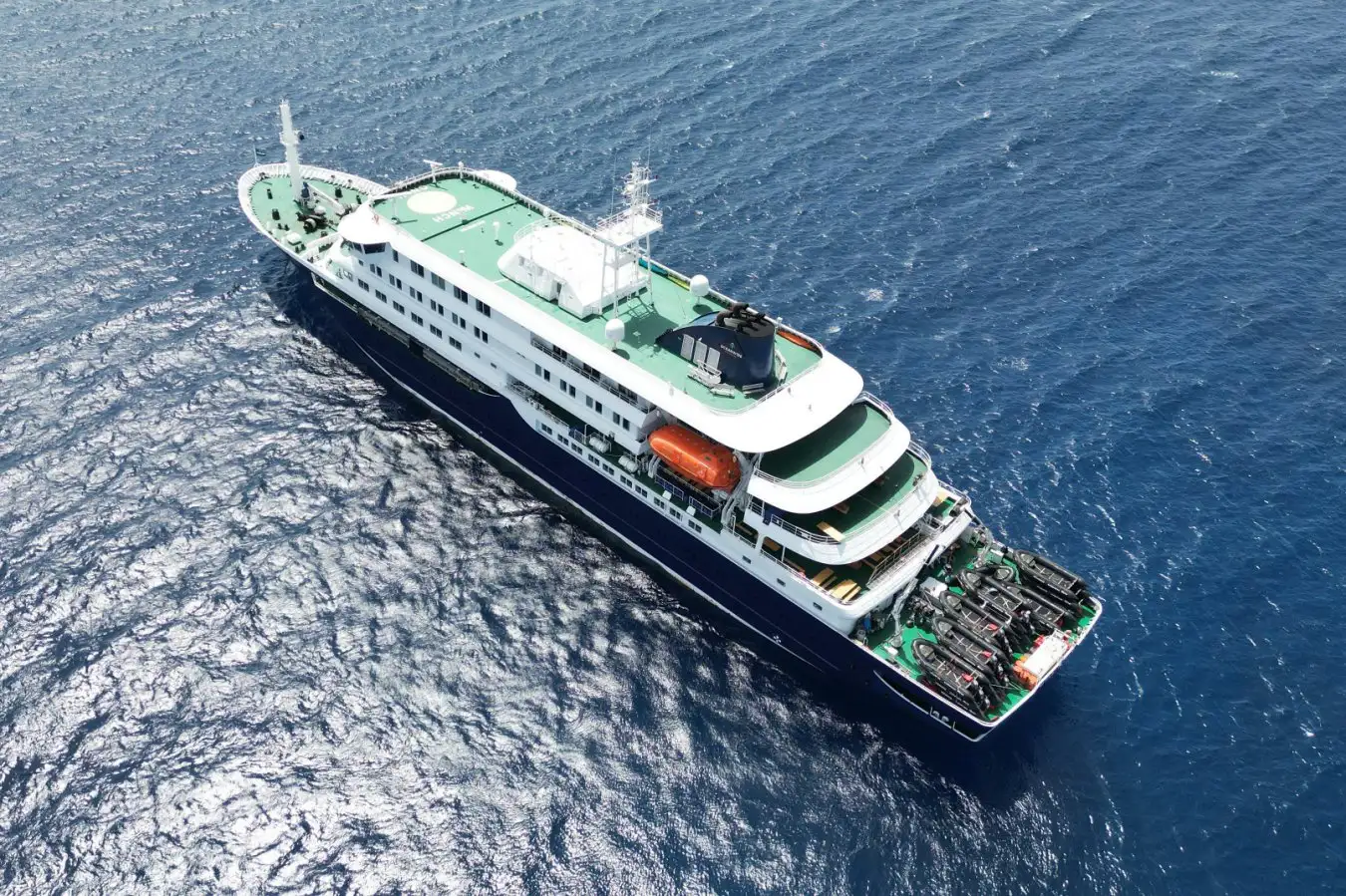
The outbreak, centred around the Dutch-operated polar expedition vessel MV Hondius, has become one of the most closely watched infectious disease incidents of 2026. The ship, carrying roughly 170 passengers and 70 crew members, had been sailing between South America, Antarctica, Saint Helena and Cape Verde when passengers began developing severe flu-like symptoms.
As of the latest WHO-linked assessments, at least seven cases — including confirmed and suspected infections — have been identified. Three people have died, one passenger remains critically ill, and multiple others continue to be monitored in different countries.
WHO Moves to Contain Panic
The rapid spread of headlines about a “deadly virus on a cruise ship” immediately drew parallels with Covid-era cruise outbreaks. However, WHO Director-General Tedros Adhanom Ghebreyesus rejected the comparison in comments to AFP.
Asked whether the hantavirus cluster resembled the beginning of the Covid pandemic, Tedros said, “No, I don’t think so.”
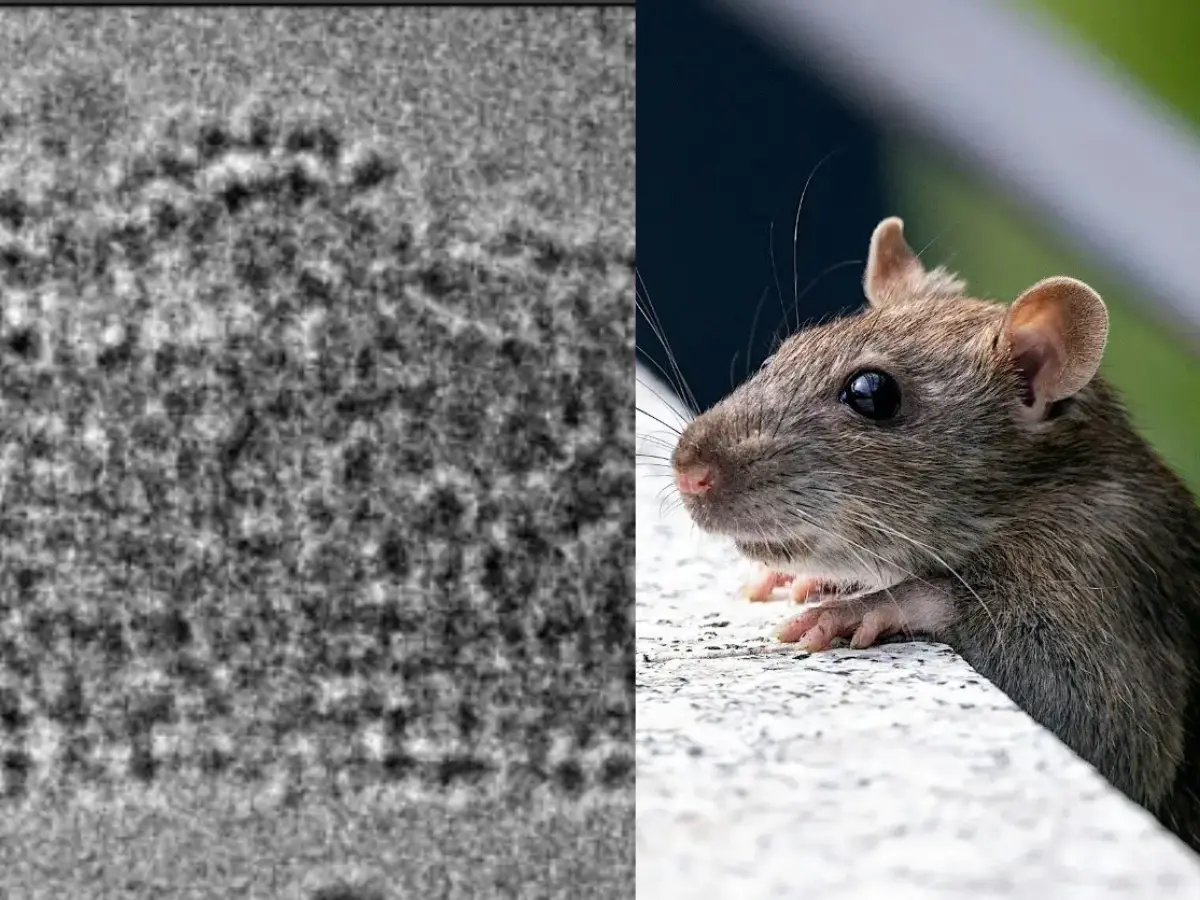
WHO officials stressed that hantavirus behaves very differently from SARS-CoV-2. Unlike Covid-19, hantavirus is not generally considered highly transmissible between humans. Most infections occur through exposure to infected rodent urine, droppings or saliva, particularly when contaminated particles become airborne in enclosed spaces.
Still, investigators are examining whether the strain involved in the cruise outbreak may be the Andes strain — a rare variant known to allow limited person-to-person transmission among close contacts.
That possibility has significantly heightened global attention around the incident.
The Andes Strain Raises New Questions
Medical experts tracking the outbreak believe the virus may belong to the Andes hantavirus lineage, primarily found in parts of Argentina and Chile. Unlike most hantaviruses, which spread only through rodents, the Andes strain has historically shown evidence of human-to-human transmission, particularly among family members or intimate contacts.
WHO officials acknowledged that some limited human transmission “may have occurred among close contacts,” although they emphasised that evidence remains under investigation.
This distinction is critical because the Andes strain remains one of the few hantavirus variants known to spread between people under specific conditions.
Experts explained that transmission generally requires prolonged, close interaction, unlike airborne respiratory viruses such as Covid-19. Scientists are therefore attempting to determine whether infections aboard the MV Hondius came from rodent exposure somewhere during the voyage, from contaminated environments visited during excursions, or from close passenger interactions after the first cases emerged.
How the Outbreak Began
Investigators believe the earliest infected passengers may have contracted the virus before boarding the vessel.
One Dutch couple, aged 70 and 69, has emerged at the centre of the early transmission timeline. Reports indicate they travelled extensively across Argentina, Chile and Uruguay before joining the cruise.
The husband reportedly became seriously ill first and later died on Saint Helena. His wife subsequently deteriorated and died after being evacuated to South Africa.
Health authorities are now tracing the couple’s movements across South America in an effort to identify the original source of exposure.
The ship itself had travelled through areas considered ecologically compatible with rodent-borne infections, including parts of Patagonia and Antarctic gateway regions. Experts are also investigating whether contaminated storage spaces, docking sites, or excursion areas could have exposed passengers to infected rodents.
Three Dead, Multiple Countries on Alert
The outbreak has evolved into a multi-country public health operation involving authorities in South Africa, the Netherlands, Switzerland, United Kingdom, Argentina and other nations.
South Africa confirmed that infected passengers were transferred to medical facilities there after the ship’s emergency diversions. One British passenger, aged 69, tested positive and remains in intensive care in Johannesburg.
Swiss authorities are also monitoring a suspected linked case after the infection reportedly reached Switzerland.
At least two crew members aboard the vessel also developed symptoms, though their conditions were initially reported as milder.
The deaths and cross-border movement of passengers have prompted an extensive international contact-tracing exercise. WHO and national health agencies are tracking dozens of individuals who may have interacted with infected passengers during flights, port transfers, hospital visits and cruise activities.
One infected passenger reportedly boarded an international flight briefly before diagnosis, prompting Dutch authorities and airline officials to contact fellow travellers as a precaution.

Why Cruise Ships Become High-Risk Environments
Although hantavirus outbreaks on cruise ships are extremely rare, infectious disease specialists say ships can amplify transmission risks due to prolonged close contact, enclosed ventilation systems and international passenger movement.
The MV Hondius incident has revived memories of the Diamond Princess Covid outbreak in 2020, where cruise vessels became floating quarantine zones. However, experts caution that the epidemiological dynamics are entirely different in the current case.
Passengers aboard the MV Hondius described uncertainty and frustration as the ship remained effectively stranded for days while authorities coordinated medical evacuations and assessed disembarkation permissions.
Some travellers claimed that precautions were initially limited and that clearer communication only emerged after deaths began occurring.
The ship eventually headed toward the Canary Islands after authorities evacuated several passengers for advanced medical treatment.
What Exactly Is Hantavirus?
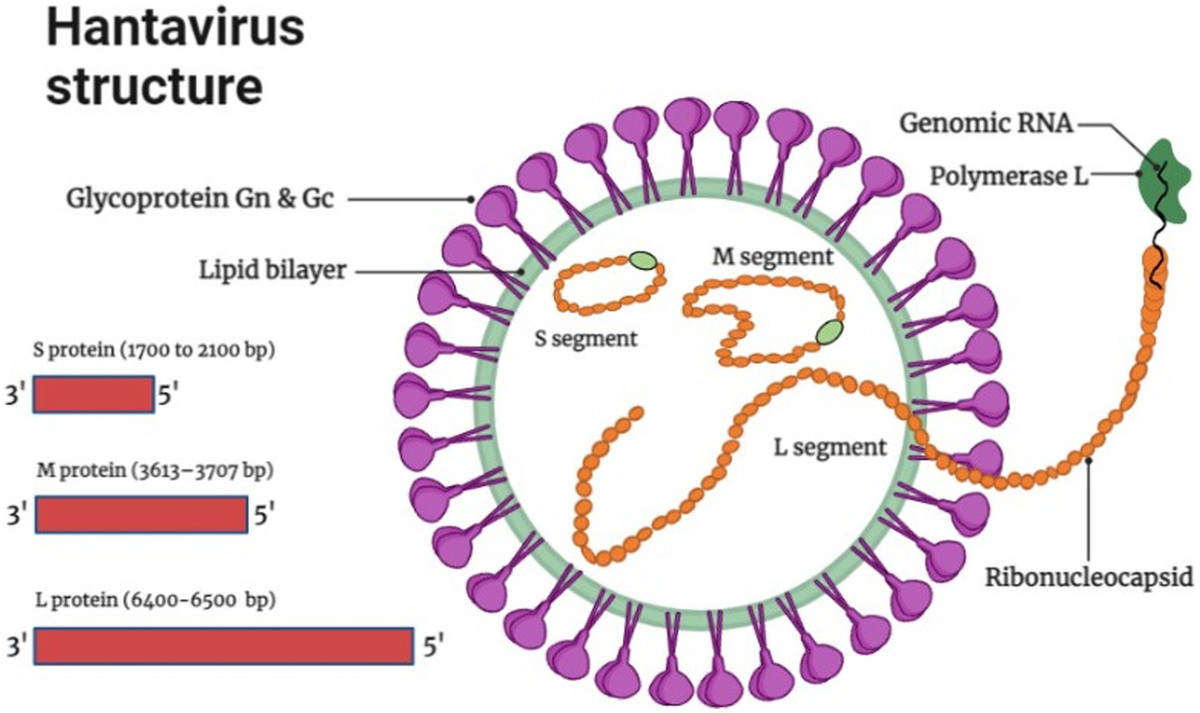
Hantavirus refers to a family of viruses primarily spread through infected rodents. Humans usually become infected by inhaling aerosolised particles from rodent urine, droppings or saliva. In some cases, touching contaminated surfaces and then touching the face can also transmit infection.
The disease can cause two major syndromes:
-
Hantavirus Pulmonary Syndrome (HPS), which severely affects the lungs
-
Hemorrhagic Fever with Renal Syndrome (HFRS), which impacts the kidneys and blood vessels
Early symptoms typically resemble influenza and may include fever, muscle pain, fatigue, headaches and chills. However, patients can deteriorate rapidly, developing breathing difficulties, low oxygen levels and organ complications.
Medical experts warn that the illness can be particularly dangerous because symptoms initially appear mild before suddenly escalating.
There is currently no universally approved antiviral cure for hantavirus infection. Treatment mainly focuses on intensive supportive care, oxygen support and management of complications.
WHO Says Global Risk Remains Low
Despite mounting media attention, WHO has repeatedly stated that the current overall public health risk remains low.
The organisation noted that hantavirus outbreaks generally do not produce sustained community transmission. Even in Andes strain cases, transmission chains have historically remained limited and relatively contained compared with highly contagious respiratory viruses.
WHO officials are nevertheless maintaining heightened surveillance because of the unusual setting of the outbreak and the possibility of international exposure through maritime travel.
Specialist infectious disease teams from the Netherlands were dispatched toward the ship to assist with testing, sequencing and containment.
Laboratory analysis is now underway to confirm the precise strain involved and determine whether infections aboard the vessel resulted from a single exposure event or multiple transmission episodes.
The Search for the Original Source
One of the biggest unanswered questions remains how the virus first entered the cruise environment.
Investigators are pursuing two primary theories:
-
Passengers contracted the infection from rodents before boarding or during shore excursions.
-
Limited person-to-person spread occurred after the initial infection entered the ship.
Because the Andes strain exists in parts of southern Argentina and Chile, health authorities are paying close attention to pre-boarding travel histories.
The outbreak timeline suggests infected individuals may have been incubating the virus before symptoms emerged during the voyage. Hantavirus incubation periods can range from one to several weeks, complicating tracing efforts.
Investigators are also examining environmental conditions aboard the vessel, including food storage areas and potential rodent access points.
Contact Tracing Expands Across Continents
The multinational nature of the outbreak has forced health agencies into a complex coordination effort.
Authorities are tracing cruise passengers, airline travellers, medical personnel and close contacts across Europe, Africa and South America.
WHO guidance for contact tracing involves identifying high-risk exposure categories, monitoring symptoms and isolating individuals if necessary.
Dutch authorities reportedly contacted more than 80 individuals linked to one infected passenger. Airlines, hospitals and port authorities are also assisting in the investigation.
So far, there is no evidence of widespread uncontrolled transmission outside the cluster connected to the ship.
Public Fear Grows as Social Media Fuels Comparisons With Covid
Online discussion around the outbreak intensified rapidly because of the cruise-ship setting, international spread and reports of possible human transmission.
Social media users frequently compared the situation to the early coronavirus outbreak, especially after footage emerged showing medical teams in hazmat suits evacuating patients from the vessel.
But epidemiologists insist the comparison is misleading.
Unlike SARS-CoV-2, hantavirus is not known for easy airborne spread through casual contact. Transmission generally requires either rodent exposure or prolonged close interaction in the case of the Andes strain.
Experts say the outbreak nevertheless serves as a reminder that zoonotic diseases — infections originating in animals — remain a persistent global threat, particularly as international travel resumes at full scale.
A Wake-Up Call for Global Health Surveillance
The MV Hondius outbreak has underscored how rapidly infectious disease scares can become international incidents in an interconnected world.
From South America to Africa and Europe, the outbreak forced multiple governments and health systems into coordinated action within days.
While WHO maintains that the risk of a broader global emergency remains low, the incident has renewed focus on disease surveillance aboard cruise ships and the importance of rapid international communication.
For now, scientists continue sequencing viral samples, tracing passenger movements and monitoring potential secondary cases.
The central question remains unresolved: whether the outbreak stemmed purely from rodent exposure or whether limited human transmission aboard the ship accelerated the crisis.
Until that answer becomes clearer, the MV Hondius remains at the centre of one of the world’s most closely watched public health investigations.
With inputs from agencies
Image Source: Multiple agencies
© Copyright 2026. All Rights Reserved. Powered by Vygr Media.