 By
By 
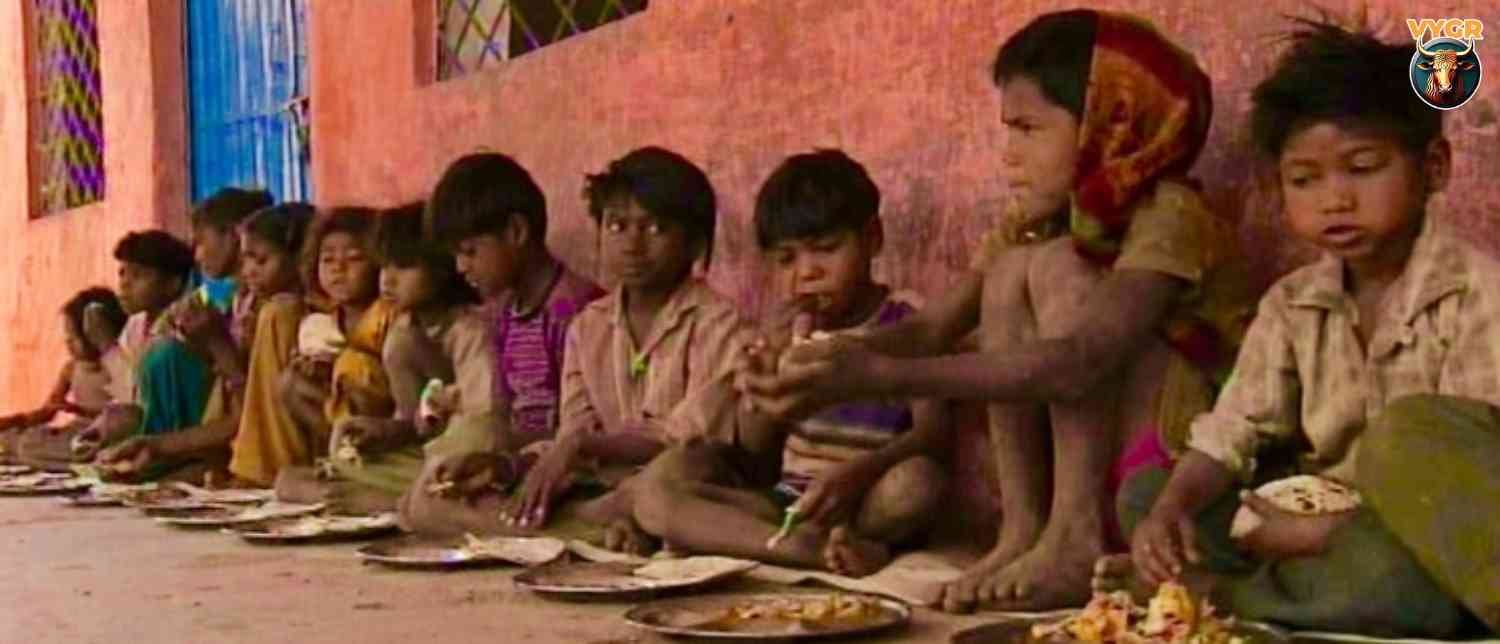
Tonight, in lakhs of homes across India, dinner will be rice and dal. It will fill people up. Whether it counts as a healthy diet is the question the United Nations has put in front of the world on World Food Day.
October 16 marks the day the Food and Agriculture Organization was founded in 1945. This year’s theme is “Innovate today. Nourish tomorrow.” The figures the UN published in July sit awkwardly beside that cheerful slogan.
The global figures
According to the UN’s latest State of Food Security and Nutrition in the World report, released on July 21, about 645 million people went hungry in 2025. That is 7.8 per cent of the world’s population. It is the third year running that the number has fallen, down by nearly 14 million from 2024 and by 43 million from the 2022 peak.
The same report carries numbers that are harder to look at. Around 2.1 billion people had moderate or severe food insecurity. About 2.69 billion, nearly a third of the world, could not afford a healthy diet. Africa now has the largest number of hungry people, 309 million. If current trends hold, somewhere between 510 million and 520 million people will still be hungry in 2030, which is a long way from the Zero Hunger goal.
Where India stands
India’s record is mixed, with good news and a gap that has refused to close.
Start with the good news. The report counts 142.5 million undernourished Indians in 2023-25, or 9.8 per cent of the population. In 2004-06 the figure was 243.9 million, or 21.1 per cent. That is about 100 million fewer people living with chronic hunger, and the share has more than halved. The report also says India has been the main reason lower-middle-income countries as a group are doing better on diet affordability.
The government credits its food safety net. In a statement to a UN food security committee last year, it said more than 800 million people receive free foodgrain every month. Fortified rice and school meals are part of the same effort.
What a ration card doesn’t cover
The other side of the ledger is less encouraging. India grows enough to feed itself, but about 520 million Indians, 35.5 per cent of the population, could not afford a healthy diet in 2025, according to the report. A healthy diet there costs roughly $4.11 per person a day in purchasing-power terms, nearly 48 per cent more than in 2017.
Eating enough and eating well are different things. A person can have a full stomach and still go without enough protein, fruit, vegetables or variety. The previous edition of the report put India’s child wasting rate at 18.7 per cent and found more than half of women aged 15 to 49 to be anaemic. Those numbers describe the quality of what people eat, not just the quantity.
Reading the two sets of numbers together
On the global side, the world produces enough food and 645 million people are still hungry. On the Indian side, hunger has dropped steeply and the food stocks are healthy, yet more than a third of the country cannot afford a balanced plate. One figure counts people without enough food. The other counts people without good food.
What “innovate” might mean
FAO says innovation covers more than new technology. It includes combining science with traditional farming knowledge, using better methods, and reducing losses along the supply chain. Worldwide, about 13.3 per cent of food is lost after harvest, in transport, storage, wholesale and processing, according to FAO’s figures for 2023. In India, where vegetable and pulse prices can swing sharply from one month to the next, cutting those losses and lowering the cost of nutritious food would probably matter as much as another scheme.
India has largely dealt with the question of whether people have enough to eat. The one left is whether they can afford to eat well.
© Copyright 2026. All Rights Reserved. Powered by Vygr Media.