 By
By 
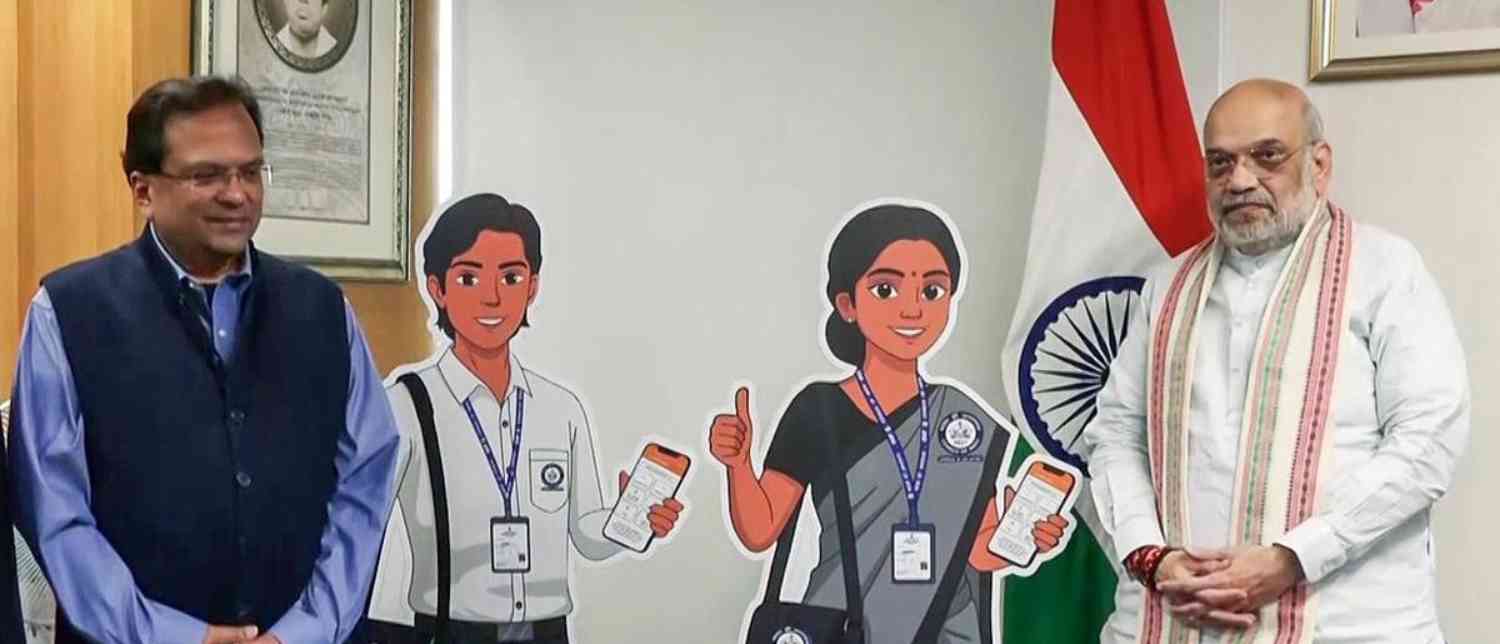
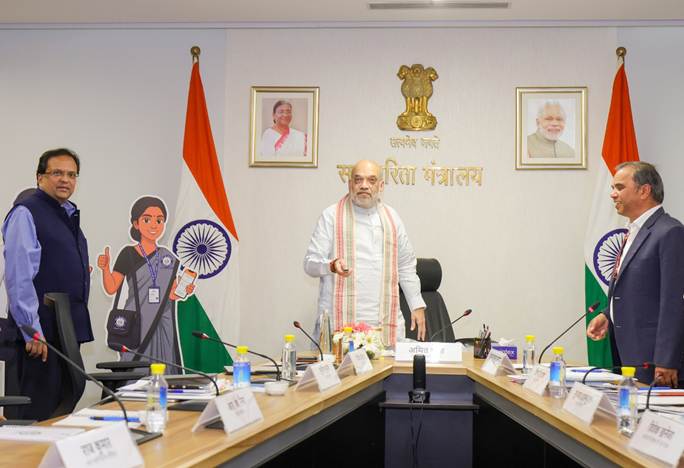
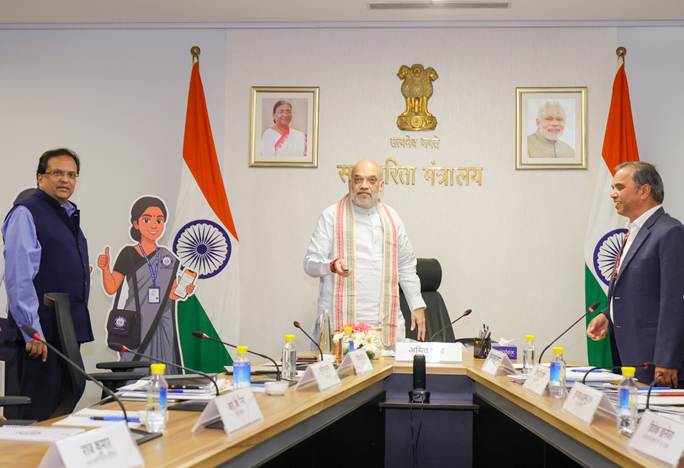
Union Home Minister and Minister of Cooperation Amit Shah on March 5, 2026, soft-launched a set of advanced digital tools and unveiled two mascots—“Pragati” and “Vikas”—for the upcoming Census 2027 in New Delhi. The initiative marks a major technological transformation in India’s census operations, as the next census will be conducted digitally for the first time and will also introduce self-enumeration for citizens.
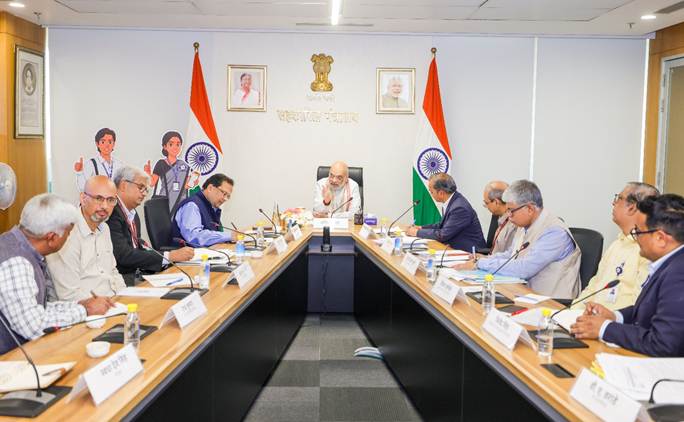
Developed by the Centre for Development of Advanced Computing (C-DAC), the newly introduced digital platforms aim to streamline the census process, improve data accuracy, and ensure nationwide coverage through secure digital infrastructure. The event was attended by several senior officials, including Union Home Secretary Govind Mohan and Registrar General and Census Commissioner of India Mritunjay Narayan.
Census 2027 is expected to be the world’s largest census exercise, involving more than 30 lakh (3 million) enumerators, supervisors, and other officials across the country.
Census 2027 Officially Announced
The Central Government formally initiated the census process through a Gazette Notification issued on June 16, 2025, announcing its intent to conduct the nationwide population census in 2027.
The exercise will be conducted in two phases and will incorporate digital technologies to modernize data collection and monitoring. The upcoming census will also be notable for two major firsts:
-
First fully digital Census in India
-
First Census allowing self-enumeration by citizens
-
Inclusion of caste-related questions in the population enumeration phase
These changes aim to enhance efficiency, transparency, and citizen participation in the national data collection process.
Mascots “Pragati” and “Vikas” Represent Inclusive Development
During the launch event, Amit Shah unveiled two mascots for Census 2027:
-
Pragati – representing a female enumerator
-
Vikas – representing a male enumerator
These mascots serve as friendly and relatable faces of the census campaign, helping communicate information and encourage participation among citizens.
Beyond their symbolic role, Pragati and Vikas represent gender equality and the equal participation of women and men in nation-building. According to the Ministry of Home Affairs, the mascots highlight the collective commitment toward transforming India into a developed nation by 2047.
They will also play a key role in public awareness campaigns, disseminating information about the census, its objectives, and participation guidelines across diverse sections of society.
India’s First Fully Digital Census
Census 2027 will mark a significant shift in the way data is collected and processed. For the first time, digital platforms and mobile applications will replace traditional paper-based census methods.
The government has introduced four key digital tools to support this transition. These tools aim to simplify enumeration, improve accuracy, and enable real-time monitoring of census operations.
1. Houselisting Block Creator (HLBC) Web Application
The Houselisting Block Creator (HLBC) is a web-based mapping application designed to help Charge Officers create houselisting blocks digitally.
Using satellite imagery, the platform allows officials to map and define enumeration areas with greater precision. This ensures standardized geographic coverage across the country, reducing overlaps and improving planning for field operations.
2. HLO Mobile Application for Enumerators
The HLO (Houselisting Operations) Mobile Application is a secure offline app developed for enumerators to collect and upload houselisting data directly from the field.
Key features include:
-
Secure access limited to enumerators registered on the CMMS portal
-
Direct field-to-server data transmission
-
Elimination of traditional paperwork
-
Operation through registered mobile numbers only
-
Compatibility with Android and iOS platforms
-
Support for 16 regional languages
Through this application, enumerators will collect houselisting data during the field survey and upload it digitally, significantly reducing processing time and errors.
3. Self-Enumeration (SE) Portal
One of the most innovative features of Census 2027 is the introduction of the Self-Enumeration (SE) Portal.
This secure web-based facility allows eligible members of a household to submit their household information online before enumerators visit their homes.
Once the information is submitted successfully, the system generates a unique Self-Enumeration ID (SE ID). This ID can then be shared with the enumerator during the field visit, enabling them to verify the information instead of re-collecting it.
The SE portal is expected to improve convenience for citizens and streamline the enumeration process.
4. Census Management and Monitoring System (CMMS) Portal
The Census Management and Monitoring System (CMMS) is a centralized digital platform designed to oversee the entire census operation.
The portal will allow officials at the Sub-district, District, and State levels to:
-
Plan census activities
-
Monitor field operations
-
Track enumeration progress
-
Evaluate field performance
-
Assess operational readiness
An integrated real-time dashboard will enable administrators to track the progress of the census across the country.
Massive Nationwide Workforce for Census Operations
Given the scale of India’s population, Census 2027 will involve a massive workforce.
More than 30 lakh enumerators, supervisors, and other census officials will participate in the nationwide exercise. These officials will conduct door-to-door surveys using secure mobile applications, ensuring complete coverage of households across India.
The government has emphasized that the adoption of technology will balance innovation with inclusivity, ensuring that the census remains accurate, secure, and comprehensive.
Two Phases of Census 2027
The Census 2027 exercise will be conducted in two distinct phases, each focusing on different types of data collection.
Phase 1: Houselisting and Housing Census (HLO)
The first phase focuses on gathering information related to housing conditions and household amenities.
A notification for this phase was issued on January 7, 2026.
The Houselisting and Housing Census will be conducted between:
-
April 1, 2026 and September 30, 2026
However, the actual survey will take place during a continuous 30-day period, which will be notified separately by each State and Union Territory.
Before the door-to-door survey begins, there will be an optional 15-day self-enumeration period, allowing households to submit their information online through the Self-Enumeration portal.
Phase 2: Population Enumeration (PE)
The second phase of the census will collect demographic, social, and economic information about every individual in the country.
Population Enumeration will take place in:
-
February 2027 across most of India.
However, in regions affected by harsh winter conditions, the schedule will differ. Enumeration will occur in September 2026 in:
-
Ladakh
-
Snow-bound non-synchronous areas of Jammu and Kashmir
-
Himachal Pradesh
-
Uttarakhand
Notably, caste-related questions will be included during this phase of the census.
Reference Date for Census 2027
For statistical accuracy, census data is recorded with reference to a specific date.
For Census 2027:
-
The reference date will be 00:00 hours of March 1, 2027 for all States and Union Territories.
For the snow-bound regions mentioned earlier, the reference date will be:
-
00:00 hours of October 1, 2026
A Technological Leap for India’s Census
The transition to digital tools represents a major modernization step for India’s census operations. By integrating mobile applications, satellite mapping, and centralized monitoring systems, the government aims to improve both the efficiency and reliability of the census process.
At the same time, the introduction of self-enumeration empowers citizens to participate directly in the data collection process, making the census more accessible and convenient.
With the participation of millions of officials and the adoption of advanced technology, Census 2027 is poised to become the most comprehensive population data exercise ever conducted in India.
As the world’s largest census exercise unfolds, the mascots Pragati and Vikas will symbolize the collaborative spirit of a nation moving toward its goal of becoming a developed country by 2047.
With inputs from agencies
Image Source: Multiple agencies
© Copyright 2025. All Rights Reserved. Powered by Vygr Media.