 By
By 
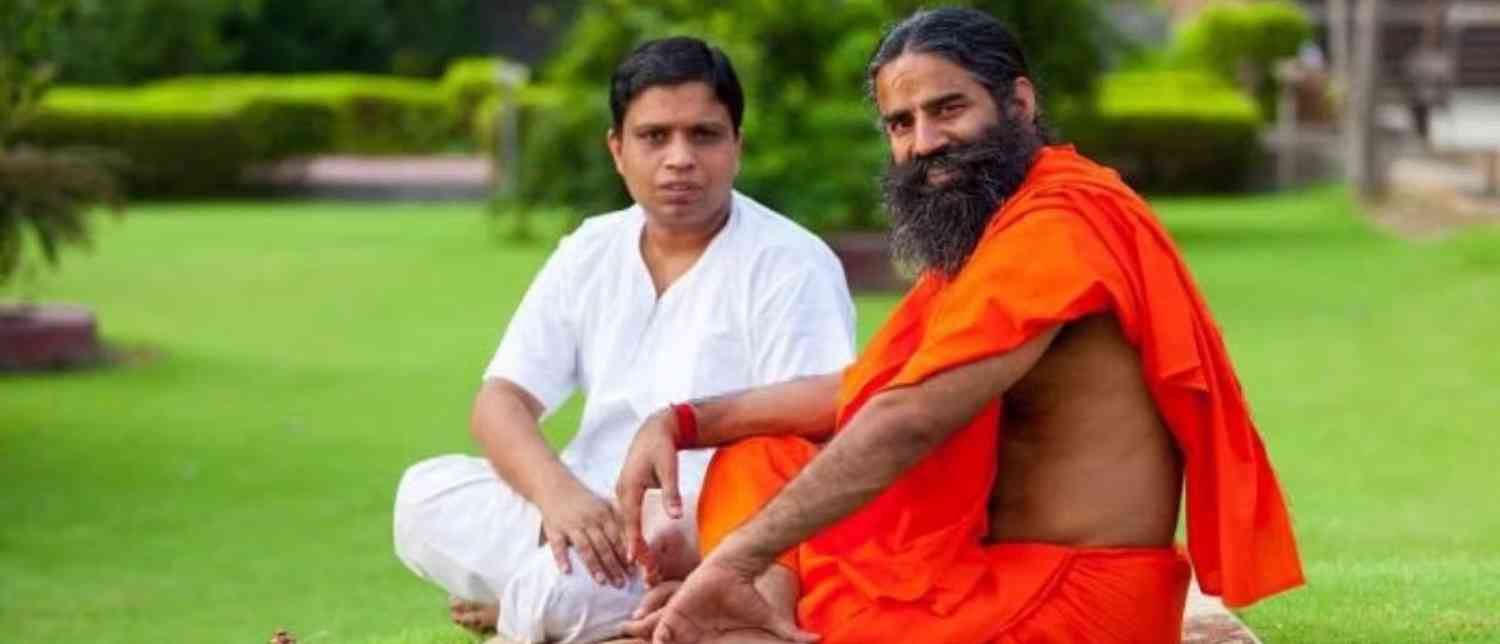
Two separate cases involving questions over official documents and identity records drew attention on September 8, 2026. In Uttarakhand, a CBI court acquitted Acharya Balkrishna, close associate of yoga guru Baba Ramdev and general secretary of Patanjali Yogpeeth, in a 15-year-old case linked to allegations of obtaining an Indian passport using forged educational and other documents.
In Karnataka, meanwhile, the Election Commission withdrew a discrepancy notice issued to Padma Shri awardee and educationist Harekala Hajabba after officials flagged a mismatch between his name in an old electoral roll and his subsequent official records.
While the two cases are unrelated, both highlight how discrepancies in official records can trigger prolonged legal or administrative scrutiny—and how such matters can eventually be resolved after verification.
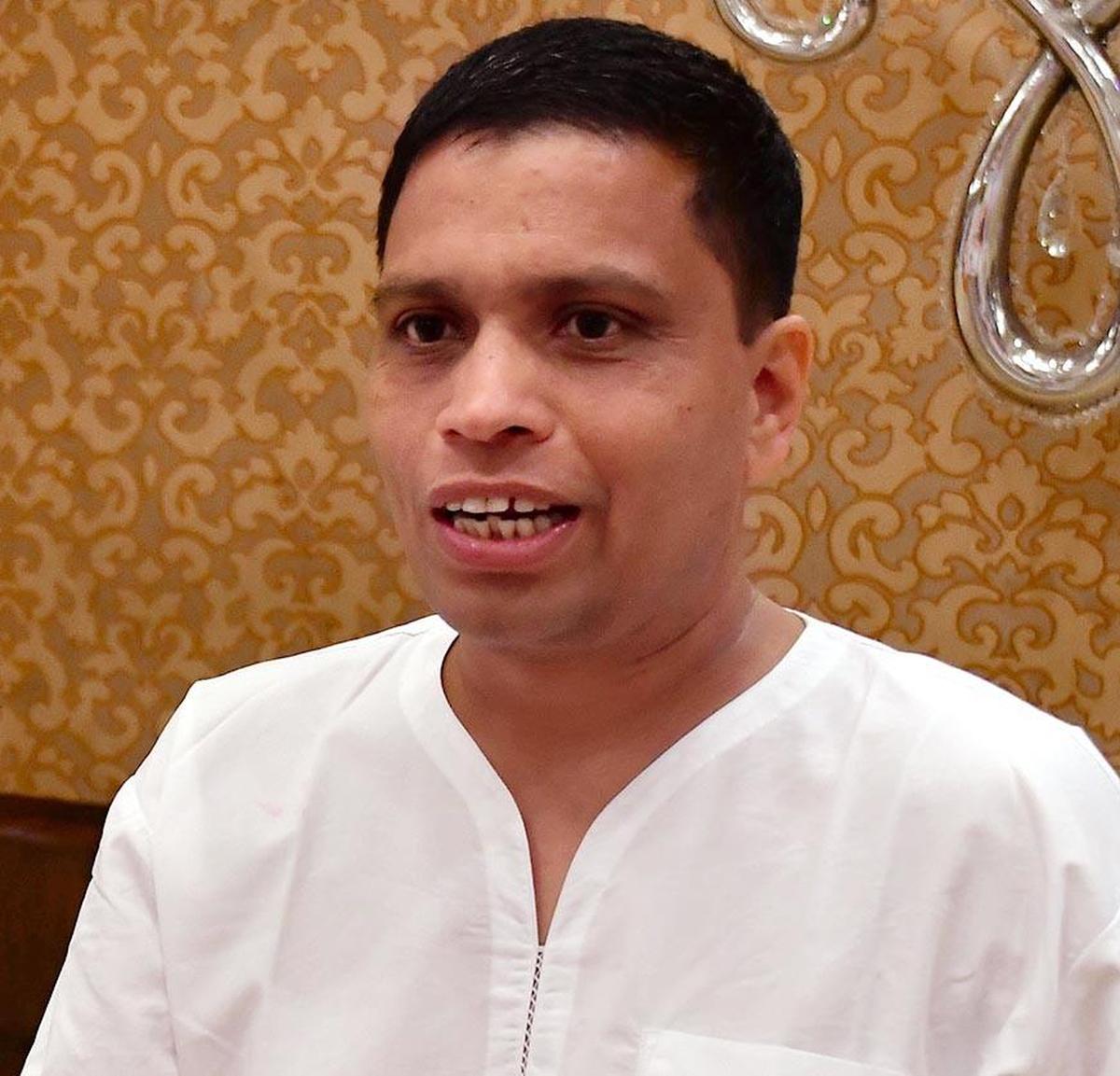
Acharya Balkrishna acquitted in 15-year-old passport case
A Special Judicial Magistrate court dealing with CBI cases in Dehradun acquitted Acharya Balkrishna in a case that had remained pending for around 15 years.
Balkrishna, who is closely associated with Baba Ramdev and serves as the general secretary of Patanjali Yogpeeth, had faced allegations concerning the procurement of an Indian passport on the basis of forged educational and other documents.
The Central Bureau of Investigation registered the case and began its investigation in 2011 following a complaint alleging that Balkrishna was a Nepali national who had obtained an Indian passport using fabricated documents.
The case also involved Naresh Chandra Dwivedi, who was accused of supplying forged documents to Balkrishna. The court acquitted Dwivedi as well.
The conclusion of the case brings an end to a lengthy legal process that began more than a decade ago. The acquittal means that the allegations against Balkrishna did not result in a conviction after the prolonged trial.
Following the verdict, Balkrishna expressed faith in the judicial system. At the same time, he spoke about the personal toll of the long-running proceedings, describing the legal process as exhausting and saying that he had faced humiliation, disrepute and negative perceptions during the years the case remained pending.
What was the case against Balkrishna?
The case originated from allegations concerning Balkrishna's nationality and the documents allegedly used to obtain his Indian passport.
According to the allegations that prompted the CBI investigation, Balkrishna was a Nepali national who had used forged educational and other documents to secure an Indian passport.
The CBI registered the case in 2011, beginning what would eventually become a 15-year legal journey. The matter continued through a prolonged trial before the Dehradun court delivered its verdict.
The acquittal is significant because the case had remained associated with Balkrishna for years despite its eventual conclusion in his favour.
The court also cleared Dwivedi, who had been accused of facilitating the alleged forgery by providing documents to Balkrishna.
For Balkrishna, the verdict therefore represents more than the closure of an old criminal case. It also brings an end to a long period during which allegations concerning his identity and documents remained part of his public profile.
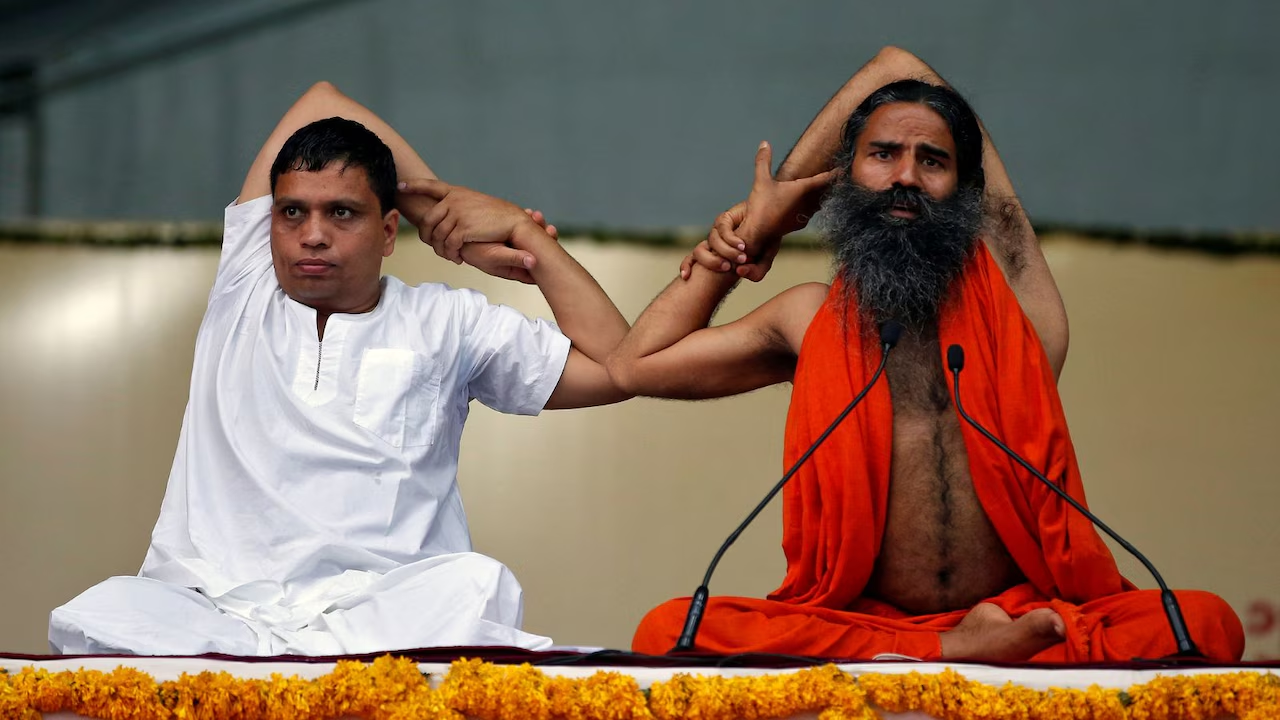
Harekala Hajabba caught in electoral roll discrepancy
In Karnataka, a very different kind of documentation issue briefly placed another well-known figure under official scrutiny.
Padma Shri awardee Harekala Hajabba, an education campaigner from Mangaluru, was issued a notice during the ongoing Special Intensive Revision (SIR) of electoral rolls after officials detected a discrepancy in his name.
The issue arose because his name appeared simply as “Hajabba” in the 2002 electoral roll, while his subsequent official documents carried the fuller name “Harekala Hajabba”.
The discrepancy was flagged during the electoral roll verification exercise. Hajabba was initially asked to appear before the local gram panchayat on September 11 and produce his original documents for verification.
However, the matter was resolved without requiring him to go through the scheduled appearance.
Officials subsequently visited his residence, examined and collected the relevant documents, and withdrew the notice. The administration indicated that the records would be examined and the discrepancy corrected.
Hajabba had said that his official records since 2004 carried the name Harekala Hajabba. His Aadhaar card, ration card, passport and current voter ID all bear the same name. The name also appears in records connected with his Padma Shri and other honours.
The episode therefore turned out to be a records mismatch rather than a substantive dispute over Hajabba's identity.
From orange seller to Padma Shri awardee
The notice attracted particular attention because of Hajabba's remarkable personal journey.
A former orange seller from Newpadapu in the Mangaluru region, Hajabba became nationally known for using his earnings to promote education in his native village.
He saved money from selling oranges and eventually used those savings to establish a primary school, driven by his desire to ensure that children in his community had access to education.
His social work later earned him the Padma Shri, one of India's highest civilian honours. The award recognised his contribution to education and social service.
The fact that a Padma Shri awardee found himself flagged during an electoral verification exercise underscored how even minor differences in historical records can create administrative complications.
In Hajabba's case, the distinction was between an older electoral entry carrying only his shorter name and newer records carrying his full name.
Karnataka SIR and the wider verification exercise
Hajabba's case comes against the backdrop of Karnataka's ongoing Special Intensive Revision of electoral rolls.
The exercise is intended to scrutinise voter records and identify discrepancies, including cases falling under categories such as “no mapping” and other anomalies.
According to the information available on the exercise, more than 43.81 lakh notices are expected to be issued to voters whose records require further verification.
The claims and objections process is scheduled to continue until October 22, while the final electoral roll is expected to be published on October 27.
The scale of the exercise means that discrepancies involving names, addresses and historical electoral records can affect a large number of voters.
Hajabba's experience illustrates one of the practical challenges of reconciling old electoral databases with newer identity documents. Names recorded decades ago may not always correspond exactly with the names used in subsequent government records.
Such differences can arise from shortened names, missing surnames, spelling variations or changes made when individuals update their documentation.
Two cases, one larger issue: the importance of records
The acquittal of Balkrishna and the withdrawal of the notice issued to Hajabba are legally and administratively distinct developments. One involved a criminal investigation and a court trial lasting 15 years, while the other involved electoral verification and was resolved within a short period after officials examined the relevant documents.
Yet both cases demonstrate the importance of accurate documentation and verification in India's administrative and legal systems.
For Balkrishna, allegations concerning forged documents resulted in a lengthy legal battle before the court ultimately acquitted him. For Hajabba, a mismatch between an old voter-list entry and his current official identity temporarily triggered an electoral notice before officials reviewed the records and withdrew it.
The contrasting outcomes also underline the difference between an allegation, an administrative discrepancy and an established finding. A complaint or mismatch can initiate scrutiny, but it does not by itself establish wrongdoing.
In Balkrishna's case, the 15-year-old proceedings ended in acquittal. In Hajabba's case, officials withdrew the notice after examining the documentary record.
Both developments ultimately turned on the process of verification—one through the criminal justice system and the other through electoral administration.
For the individuals involved, however, the consequences of being placed under scrutiny were very different. Balkrishna described the prolonged legal proceedings as exhausting and said he had endured humiliation and disrepute. Hajabba, meanwhile, was spared the need to appear before authorities after officials intervened and reviewed his documents at his residence.
As India undertakes increasingly large-scale exercises to authenticate and update public records, such cases also serve as reminders of the importance of careful verification, particularly when historical records do not perfectly match current documentation.
With input from agencies
Image Source: Multiple agencies
© Copyright 2026. All Rights Reserved. Powered by Vygr Media.