 By
By 
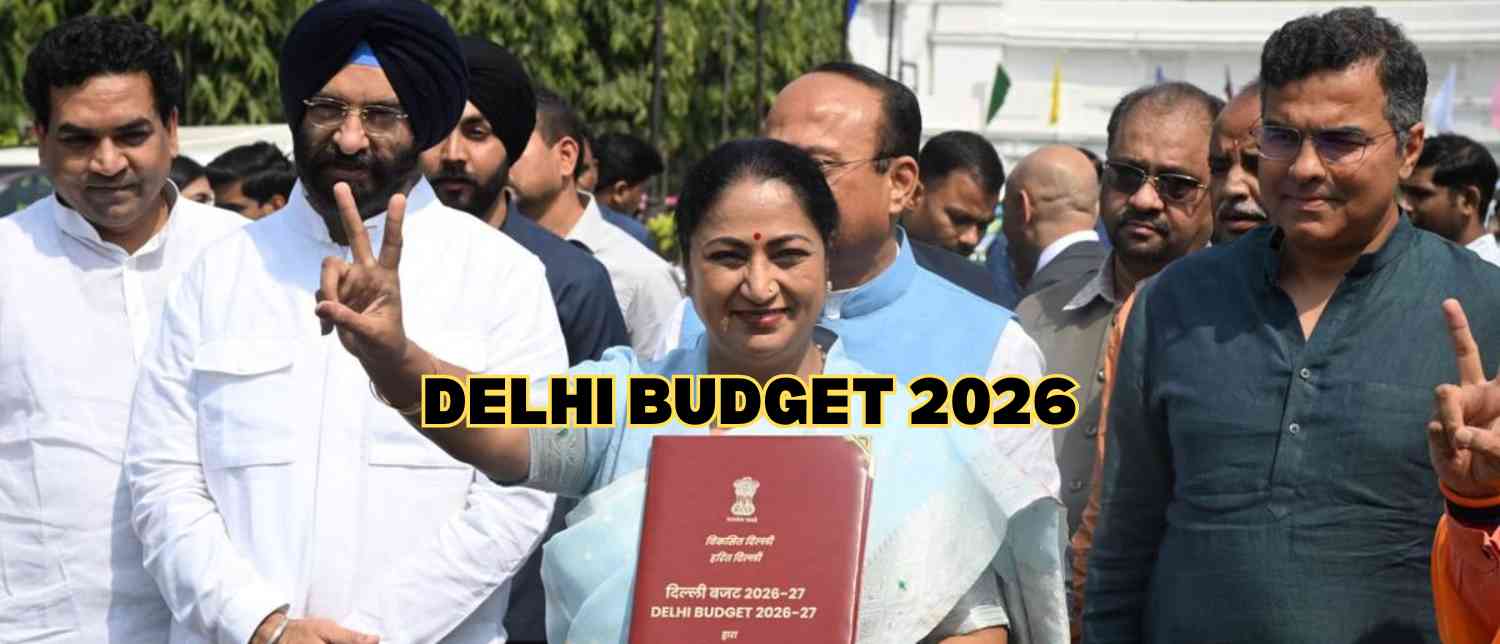
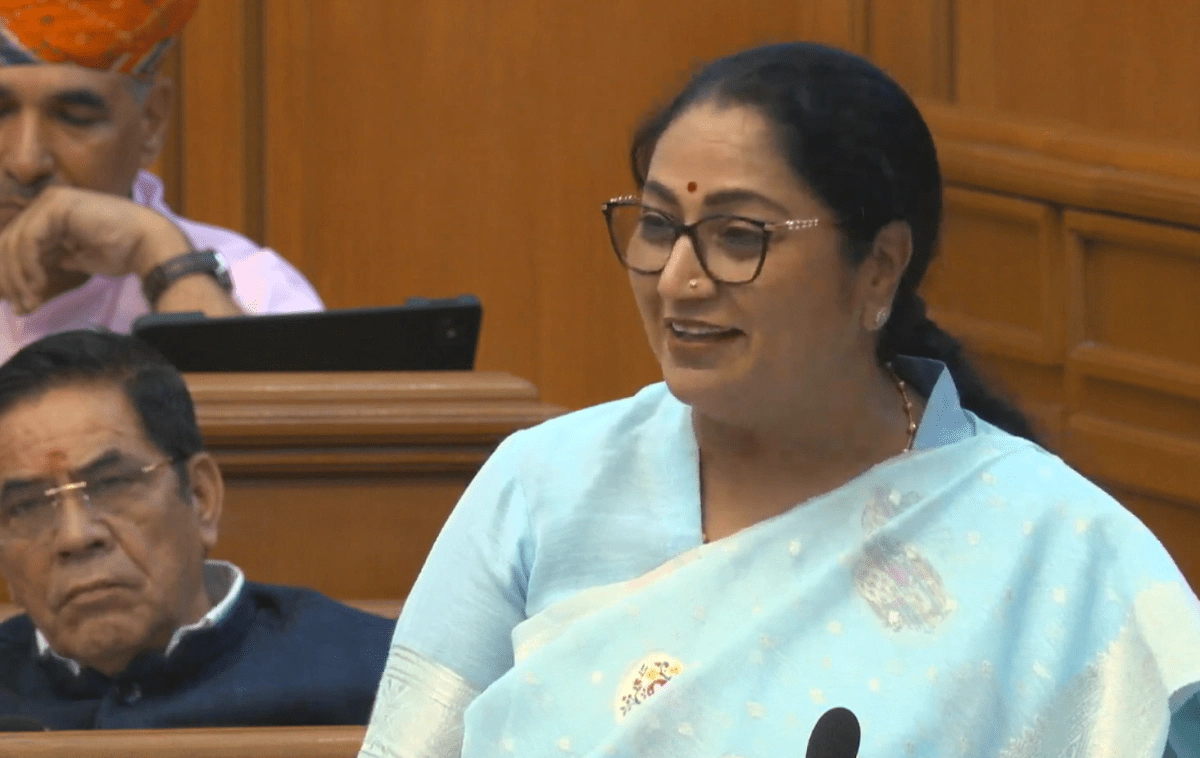
In a sweeping financial blueprint aimed at reshaping the national capital, the Delhi government on Tuesday unveiled a ₹1,03,700 crore Budget for the financial year 2026–27. Presented by Chief Minister Rekha Gupta, the plan has been positioned as a “green budget,” blending welfare initiatives with infrastructure expansion, environmental sustainability, and a strong emphasis on education and civic services.
From a massive ₹19,148 crore allocation for education to major investments in water, sewage, and transport systems, the Budget reflects a multi-sector push to modernise Delhi while addressing long-standing urban challenges.
Record Outlay with ‘Green’ Vision
The ₹1,03,700 crore outlay marks one of the largest budgets in Delhi’s history, with the government projecting tax revenues of around ₹74,000 crore.
Chief Minister Rekha Gupta described the Budget as a turning point for Delhi’s development trajectory, highlighting a shift toward sustainable growth. The “green” tag underscores investments in clean energy, electric mobility, and eco-friendly infrastructure, alongside efforts to improve public services and quality of life.
The Budget also reflects a broader governance philosophy aimed at balancing welfare with economic growth, while moving away from what the government termed a “freebie culture” that previously impacted revenue growth.
Education Gets ₹19,148 Crore: Expansion and Modernisation
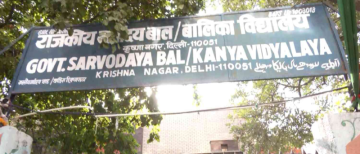
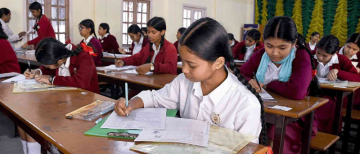
Education remains one of the biggest priorities in the new Budget, with ₹19,148 crore earmarked for the sector. The funding is intended to expand access, upgrade school infrastructure and modernise learning systems across government schools.
The main focus areas include the construction of new schools, infrastructure upgrades to address capacity gaps, and the expansion of smart classrooms. The Budget also aims to modernise existing institutions so that students can study in better-equipped environments with improved facilities.
This continued push toward digital and technology-enabled education builds on previous efforts to introduce smart classrooms, computer labs and other modern learning tools. The latest allocation suggests that the government wants to scale up those initiatives further.
The Budget direction also reflects feedback received ahead of its presentation. Students and educators had asked for better infrastructure, digital libraries, AI-enabled learning, clean facilities, sports support and counselling services, many of which align with the current allocation focus.
Welfare Measures, Including Free LPG Cylinders
One of the most talked-about announcements in the Budget is the provision of two free LPG cylinders annually for eligible households. The move is meant to reduce the financial burden on economically weaker sections.
The relief is expected to be timed around key festivals such as Holi and Diwali, giving families additional support during periods of higher household spending.
Alongside this, the Budget keeps a wider focus on inclusive development, with spending directed toward women’s safety, healthcare and social welfare programmes intended to improve living standards across different sections of society.
₹9,000 Crore for Water and Sewage
A major highlight of the Budget is the ₹9,000 crore allocation for the Delhi Jal Board, aimed at strengthening water supply and sewage management across the city.
The money is expected to support pipeline expansion, sewage treatment improvements and better access to reliable water supply in neighbourhoods that continue to face shortages. This spending is intended to address long-standing problems such as ageing pipelines, water scarcity and weak sewage infrastructure.
The Budget also includes ₹475 crore for the Chandrawal water treatment plant, a critical project expected to improve water supply capacity and reduce dependence on tankers.
Infrastructure Push: Roads, Connectivity, and Urban Development
The Budget places strong emphasis on infrastructure development, with several major allocations:
-
₹5,921 crore for the Public Works Department (PWD)
-
₹7,887 crore for urban development and shelter projects
-
₹1,352 crore for dust-free roads, including recarpeting of 750 km of roads
-
₹1,000 crore for road improvements via the Municipal Corporation of Delhi (MCD)
The government has also prioritised improving connectivity and reducing pollution through better road infrastructure and urban planning.
Additional allocations include:
-
₹300 crore for development of the trans-Yamuna region
-
₹787 crore for the Delhi Gram Vikas Board
-
₹160 crore for industrial area development
-
₹151 crore for extending the Modi Mill flyover
-
₹674 crore to strengthen firefighting infrastructure
These measures are intended to address long-standing issues such as congestion, uneven development, and emergency response limitations.
Focus on Environment and Clean Mobility
The “green budget” theme is reflected in the government’s focus on environmental sustainability.
Key initiatives include:
-
Expansion of electric vehicle infrastructure
-
Continued electrification of public transport systems
-
Measures to reduce dust pollution and improve air quality
The push for dust-free roads and improved urban planning is expected to contribute to better environmental outcomes in a city long plagued by air pollution challenges.
Industrial and Local Development Initiatives
The Budget also introduces targeted investments in industrial and local development:
-
₹160 crore allocated for developing non-conforming industrial areas
-
₹350 crore for the MLA Local Area Development Scheme
-
Continued support for local infrastructure and community-level projects
These initiatives aim to boost economic activity while addressing grassroots infrastructure needs.
Inclusive Governance and Pre-Budget Consultations
A notable feature of the 2026 Budget process was the government’s outreach to citizens before finalising allocations.
Through consultations with students, teachers, women, and sportspersons, the administration gathered suggestions on issues ranging from school infrastructure and safety to sports funding and AI training.
This participatory approach reflects an effort to align policy decisions with public expectations and ground realities.
Balancing Welfare and Growth
The Delhi Budget 2026 attempts to strike a balance between welfare measures and long-term development.
On one hand, schemes like free LPG cylinders and investments in education and healthcare aim to provide immediate relief and social support. On the other, large-scale spending on infrastructure, water systems, and environmental initiatives seeks to build a more sustainable and resilient urban ecosystem.
The government’s emphasis on inclusive growth, sustainability, and modernisation indicates a comprehensive strategy to meet the evolving needs of a rapidly growing metropolis.
The Road Ahead
With substantial allocations across key sectors, the success of the Delhi Budget 2026 will hinge on effective implementation and timely execution.
From modern classrooms and improved water supply to cleaner roads and greener transport systems, the Budget lays out an ambitious roadmap for transforming the capital.
As Delhi continues to grapple with urban challenges such as pollution, congestion, and infrastructure gaps, the 2026–27 fiscal plan represents a decisive attempt to address these issues while preparing the city for future growth.
With inputs from agencies
Image Source: Multiple agencies
© Copyright 2025. All Rights Reserved. Powered by Vygr Media.