 By

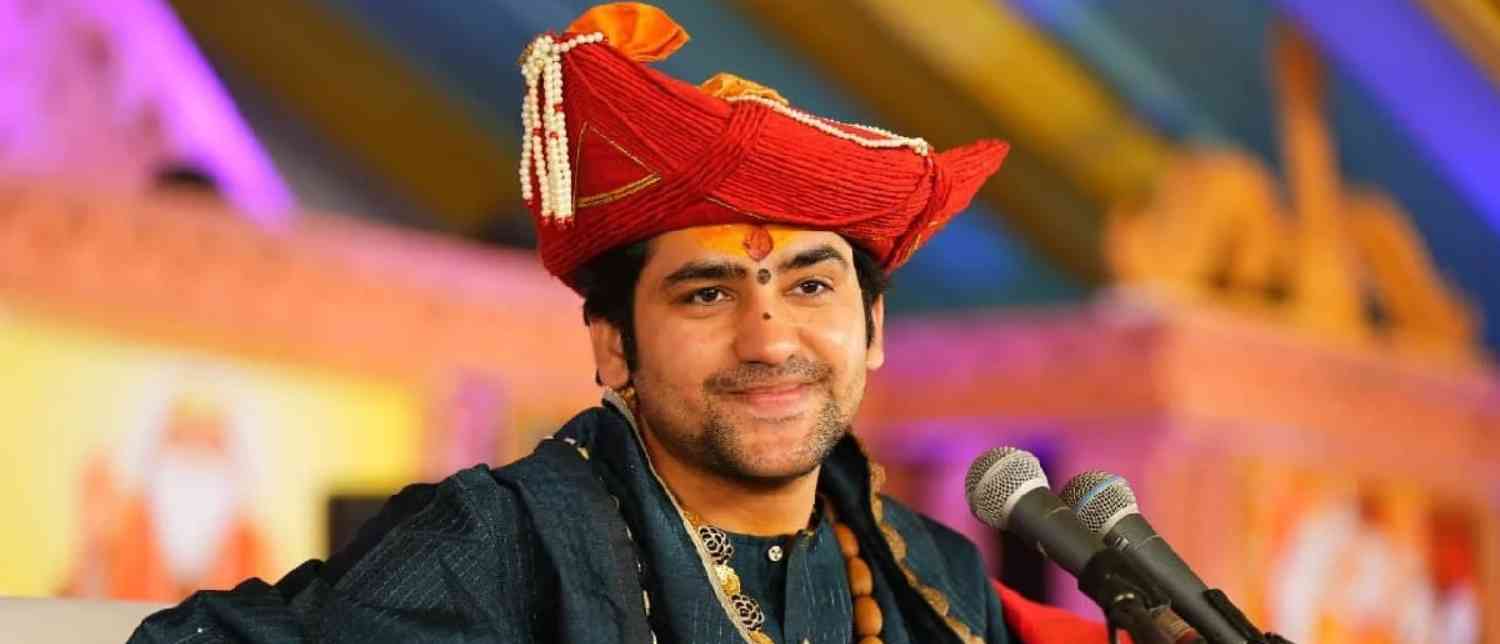
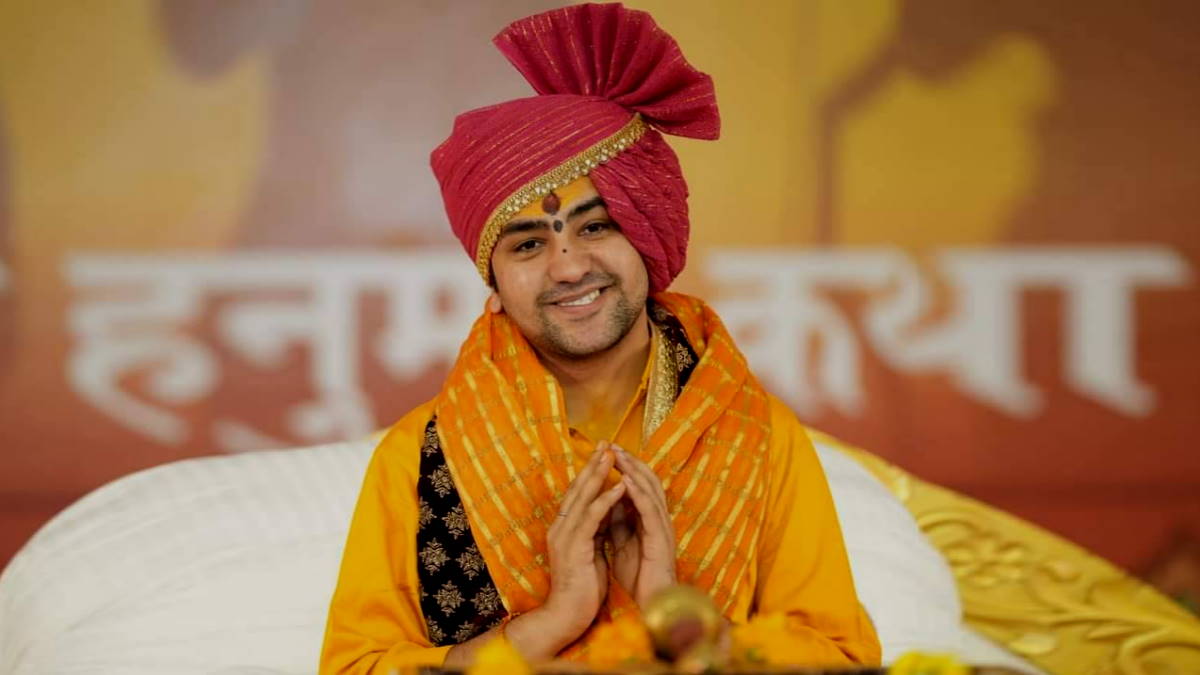
A controversy surrounding Bageshwar Dham's chief priest, Dhirendra Krishna Shastri, has escalated after his remarks comparing Lord Ram and Lord Krishna sparked widespread criticism among devotees and religious leaders. What initially began as a debate over comments made during a religious discourse in Madhya Pradesh has now taken a legal turn, with a criminal defamation complaint filed against the preacher in an Agra court.
The controversy intensified after a video featuring Shastri's remarks circulated widely on social media, triggering objections from sections of the Hindu community. Although the religious leader subsequently issued an apology, clarifying that he never intended to disrespect Lord Krishna or hurt anyone's religious sentiments, the matter has continued to attract attention.
The latest development has brought the issue into the legal domain, raising questions about the responsibility of religious leaders when addressing sensitive religious subjects in public.
How the Controversy Over Dhirendra Shastri's Remarks on Lord Krishna Began
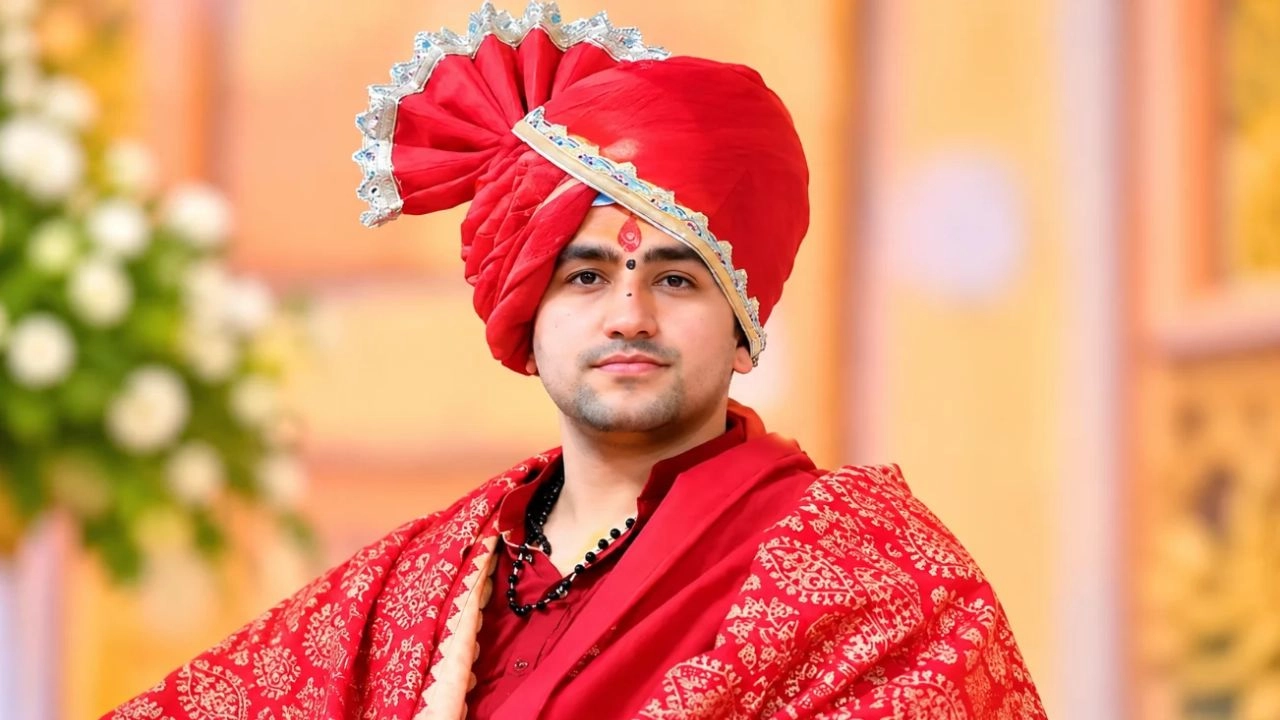
The controversy originated during a Ram Katha programme organised in Karera, located in Madhya Pradesh's Shivpuri district. While delivering his religious discourse, Dhirendra Krishna Shastri made remarks comparing the physical appearance, posture and mannerisms of Lord Ram and Lord Krishna.
During the discourse, Shastri described Lord Ram as straightforward in his appearance and movements, contrasting this with Lord Krishna's characteristic three-bend posture, traditionally associated with his depiction playing the flute.
His comments included references to Lord Krishna's crossed feet, bent waist and tilted neck. He also questioned the significance of Krishna playing the flute, drawing a comparison with Lord Ram's use of the bow.
In one particularly controversial portion of the discourse, Shastri suggested that playing the flute was merely an activity, whereas using a bow represented something more serious. He even pointed towards a flautist present on the stage while making his comparison.
A video of these remarks subsequently gained traction on social media, bringing the preacher under scrutiny.
For many devotees, the issue was not simply about comparing two different representations of Hindu deities. Rather, they believed the language used during the discourse was inappropriate and could be interpreted as disrespectful towards Lord Krishna.
The comments also attracted criticism from religious figures associated with the Mathura and Braj regions, where Lord Krishna holds immense religious and cultural significance.
Dhirendra Shastri Issues Apology, Says Remarks Were Misinterpreted
Following the backlash, Dhirendra Krishna Shastri released a video clarification in which he expressed regret over the controversy and apologised to devotees who might have felt offended.
In his explanation, the preacher maintained that his comments had been misunderstood because people were reacting to a short video clip without watching the complete discourse. He insisted that he had neither intended to insult Lord Krishna nor wanted to establish any distinction between Lord Ram and Lord Krishna.
Shastri explained that his remarks were made while discussing a devotional verse attributed to a saint. He referred to the traditional devotional practice in which the gopis express playful grievances towards Lord Krishna and said his words were intended in a similar spirit.
He also explained the reference to Lord Krishna's distinctive posture, known as Tribhanga, in which the body bends at three points. According to him, the comparison was part of a broader religious explanation rather than an attempt to portray one deity as superior to another.
The preacher further emphasised his personal devotion to Lord Krishna, describing himself as a follower of the Braj tradition. He pointed out that he regularly speaks about the Shrimad Bhagwat Katha and has supported the cause of Krishna Janmabhoomi.
Shastri also maintained that Lord Krishna is deeply connected to his own identity and that he has no reason to oppose or disrespect the deity.
Nevertheless, acknowledging that his words and interpretation may have caused distress, he offered an apology, saying he never intended to hurt anyone's religious sentiments or create divisions within the Sanatan community.
Criminal Defamation Complaint Filed Against Dhirendra Shastri in Agra Court
Despite the apology, the controversy took a significant turn when advocate Ajay Pratap Singh filed a criminal defamation complaint against Dhirendra Krishna Shastri in the Agra Civil Court.
The complaint alleges that the preacher made derogatory remarks about Lord Krishna during his religious discourse, thereby hurting the sentiments of devotees and affecting the social reputation of people who identify themselves as descendants of the deity.
According to the complainant, Lord Krishna was born in human form during the Dwapar Yuga, and his descendants continue to live in different parts of India. To support his argument, Singh referred to historical accounts associated with communities such as the Jadoons, Jadejas and Bhatis.
The advocate also claimed to belong to Lord Krishna's lineage through his maternal side. He argued that the preacher's remarks were not merely offensive to devotees but also damaging to the social standing of people who consider themselves descendants of Lord Krishna.
The complaint reportedly referred to Shastri's statement describing Lord Krishna as crooked, including the allegation that the deity remained bent at three places even while standing.
The matter was taken up for a preliminary hearing before Civil Judge Kanchan Kumar. The court registered the case and scheduled the next hearing for December 14.
The legal development has added another dimension to the controversy, which had initially centred on the interpretation of religious remarks and the sentiments of devotees.
It is important to note that the filing and registration of a complaint do not establish guilt. The allegations will have to be examined through the judicial process, and the court will determine the appropriate course of action.
Why the Remarks Triggered Strong Reactions Among Krishna Devotees
The controversy surrounding Dhirendra Shastri's comments is particularly sensitive because Lord Ram and Lord Krishna occupy central positions in Hindu religious traditions.
Both are widely worshipped as incarnations of Lord Vishnu, and devotees regard them with profound reverence. Although their stories, personalities and representations differ, many religious traditions emphasise their shared divine identity.
Lord Ram is commonly associated with righteousness, discipline, duty and the ideal of a just ruler. Lord Krishna, meanwhile, is celebrated for his wisdom, divine playfulness, teachings in the Bhagavad Gita and association with the traditions of Vrindavan and Mathura.
His distinctive Tribhanga posture and flute are also deeply embedded in Hindu devotional art, music and culture.
For devotees, these characteristics are not simply physical descriptions. They represent different dimensions of divine expression and carry considerable spiritual significance.
Consequently, critics felt that comparing the two deities in a manner that appeared to favour one over the other was inappropriate. Religious figures from the Mathura region reportedly objected to the remarks, arguing that such comparisons could unnecessarily create differences among devotees.
Their criticism also highlighted the responsibility of religious preachers to exercise caution when discussing sacred figures, particularly when addressing large audiences.
At the centre of the disagreement is a broader question: how should religious leaders balance freedom of expression, devotional interpretation and the responsibility to respect the beliefs of millions of people?
Akhilesh Yadav Demands Action, Political Debate Adds to Controversy
The controversy also attracted political attention, with Samajwadi Party president Akhilesh Yadav expressing strong objections to the alleged remarks.
Without directly naming the preacher in his criticism, Yadav argued that derogatory comparisons involving revered Hindu deities could undermine the unity of the Sanatan community.
He called for action against those making such controversial statements and urged organisers and sponsors of religious programmes to reconsider their association with preachers who repeatedly attract controversy.
His comments added a political dimension to an issue that had already generated considerable religious and social debate.
BJP Uttar Pradesh president Pankaj Chaudhary subsequently responded to Yadav's criticism by referring to a couplet from the Ramcharitmanas. His response suggested that individuals should examine their own conduct before questioning others.
The exchange highlighted how the controversy had moved beyond the original religious discourse, becoming part of a wider political discussion about public conduct, religious responsibility and freedom of expression.
Meanwhile, objections and complaints from different quarters demonstrated that the issue was not limited to social media criticism alone.
What Happens Next in the Dhirendra Shastri Controversy?
With the criminal defamation complaint now registered in Agra, attention has shifted towards the upcoming court proceedings scheduled for December 14.
The next hearing is expected to bring further clarity regarding the legal process and the allegations raised by the complainant. However, the outcome will depend on the court's assessment of the complaint and the relevant legal provisions.
The controversy also raises important questions about the responsibilities of influential religious personalities in India. Spiritual leaders often command significant public attention, and their words can influence religious discussions, social relationships and public sentiment.
While religious discourses naturally involve interpretations, references to scriptures and discussions about different traditions, the language used during such programmes can have consequences beyond the immediate audience.
At the same time, allegations of hurting religious sentiments or defamation must be examined through established legal procedures rather than treated as proof of wrongdoing.
For Dhirendra Shastri, the immediate challenge is to address the concerns raised by devotees while allowing the judicial process to take its course. His apology has clarified his stated intentions, but it has not brought the controversy to an end.
The Controversy Continues
The controversy over Dhirendra Krishna Shastri's remarks on Lord Krishna has evolved from a viral video controversy into a wider religious, political and legal debate.
His comparison of Lord Ram and Lord Krishna during a Ram Katha in Madhya Pradesh triggered criticism from devotees and religious leaders, eventually prompting him to issue an apology. However, the subsequent criminal defamation complaint filed in Agra has ensured that the matter remains in the spotlight.
As the December 14 court hearing approaches, the focus will remain on the allegations, the preacher's clarification and the legal proceedings.
Beyond the immediate controversy, the incident serves as a reminder of the sensitivity surrounding religious discussions in India. Public figures, particularly those with considerable religious influence, must recognise the impact their words can have on communities and maintain an appropriate balance between expressing their interpretations and respecting the beliefs of others.
For now, the legal proceedings and the response from the religious community will determine how this controversy develops in the coming weeks.
© Copyright 2026. All Rights Reserved. Powered by Vygr Media.