
 By
By 
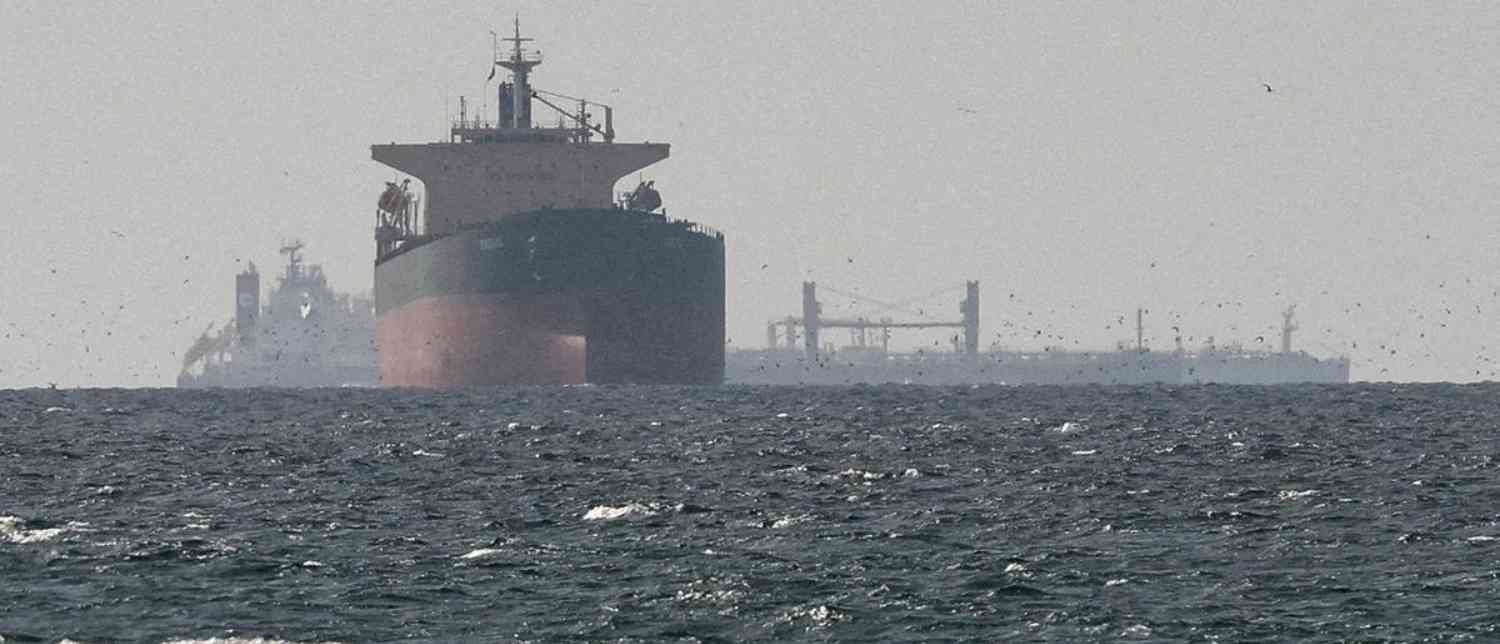
Amid intensifying tensions in West Asia and growing fears over energy supply disruptions, a cluster of oil and LPG tankers—including multiple Indian vessels—has successfully navigated the strategically critical Strait of Hormuz using an alternative route hugging the Oman coastline. The development marks a significant operational shift in global shipping patterns as the ongoing Iran-Israel conflict raises security risks in one of the world’s most vital maritime chokepoints.
At the center of this evolving story is the Indian-flagged LPG tanker Green Sanvi, which has now crossed the Strait of Hormuz, becoming the seventh such Indian vessel to do so under heightened security conditions. Its passage is not an isolated event but part of a broader, carefully coordinated maritime response to the deteriorating geopolitical climate in the region.
A Strategic Detour in Troubled Waters
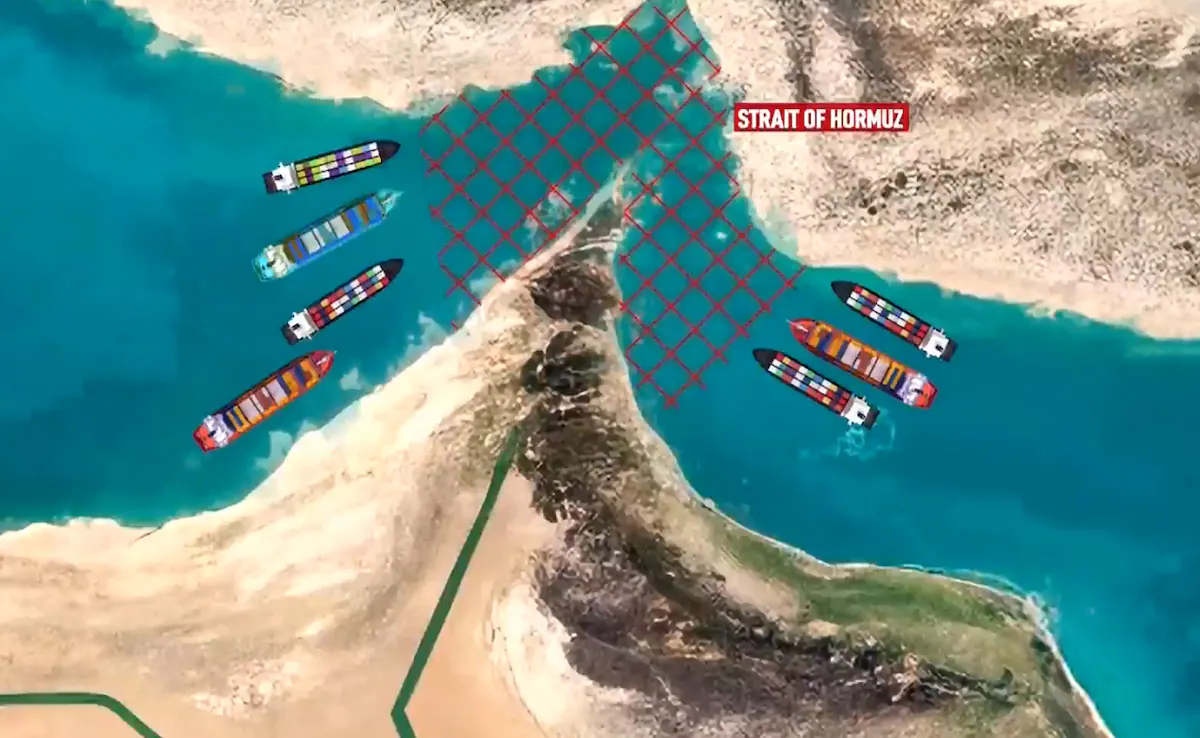
The Strait of Hormuz, through which nearly a fifth of the world’s oil supply passes, has long been a flashpoint during regional conflicts. However, recent escalations have forced shipping companies and governments to rethink traditional navigation routes.
Instead of taking the conventional path through the center of the strait, vessels are increasingly adopting a new route that runs close to the Omani coast. This alternative corridor is perceived as relatively safer, reducing exposure to Iranian-controlled waters and minimizing the risk of confrontation or collateral damage amid military hostilities.
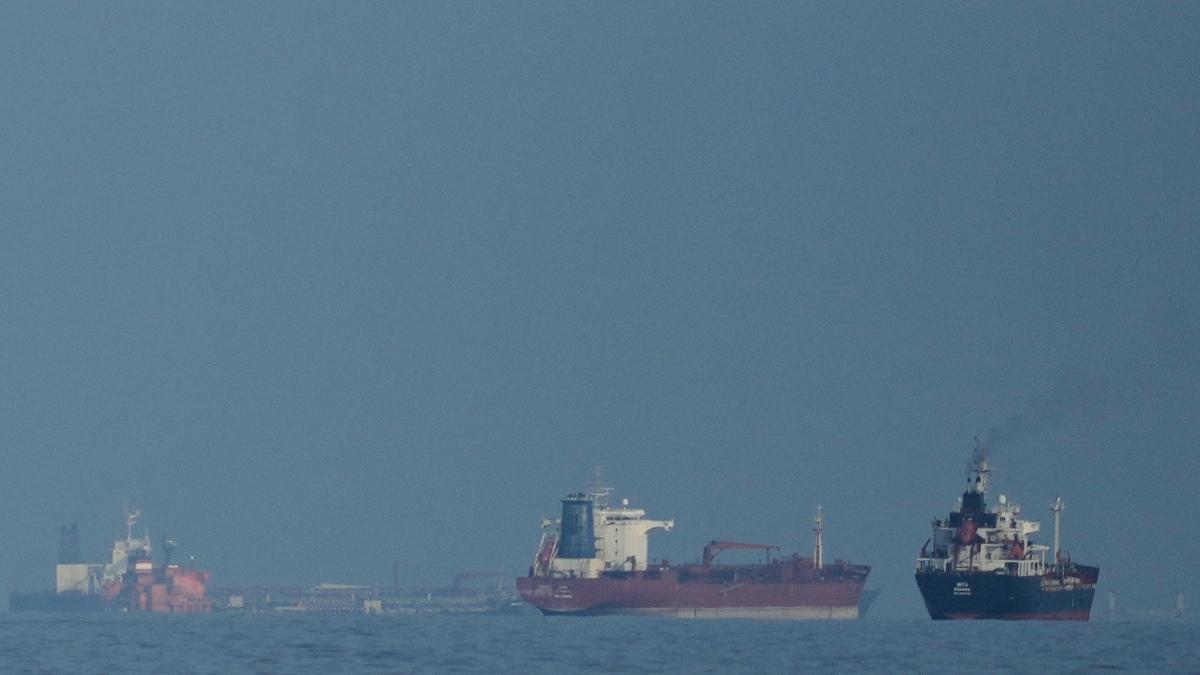
Satellite tracking data and maritime intelligence reports indicate that at least three ships—comprising oil and LPG carriers—were recently observed entering the Strait of Hormuz via this Oman-aligned route. Among them was a Japanese-owned tanker, underscoring the global scale of the shift and the shared concerns among energy-importing nations.
India’s Energy Lifeline Under Watch
India, heavily dependent on imported crude oil and LPG, has been closely monitoring the situation. The safe passage of Green Sanvi is particularly significant given the country’s reliance on West Asian energy supplies.
According to shipping and government sources, multiple Indian vessels have either already crossed or are lined up to transit the strait using the revised route. At least two more Indian-flagged LPG tankers are expected to follow Green Sanvi, indicating a steady continuation of supply chains despite the geopolitical turbulence.
The earlier successful crossings of six Indian vessels had already provided some reassurance. With Green Sanvi now adding to that tally, the number rises to seven, signaling that contingency planning and route adjustments are proving effective—for now.
Global Shipping Adjusts to Conflict Reality
The use of the Oman coastal route is not merely a tactical maneuver but a reflection of deeper anxieties within the global shipping industry. Shipowners, insurers, and operators are recalibrating risk assessments daily as the Iran-Israel conflict evolves.
Maritime security analysts point out that while the new route may reduce certain risks, it is not without challenges. Navigating closer to the Omani coastline requires precise coordination, adherence to maritime traffic regulations, and constant monitoring to avoid congestion or navigational hazards.
Nevertheless, the shift highlights the adaptability of global shipping networks in the face of crisis. The fact that vessels from multiple countries—including India and Japan—are using similar strategies suggests a level of informal coordination and shared intelligence among stakeholders.
A Delicate Balance of Risk and Necessity
For India, the stakes are particularly high. Any disruption in LPG supplies could have immediate domestic repercussions, affecting cooking fuel availability and prices for millions of households. Similarly, oil supply interruptions could ripple across the broader economy.
Officials have emphasized that all necessary measures are being taken to ensure the safety of Indian vessels and crew members. This includes real-time tracking, coordination with international maritime agencies, and adherence to advisories issued by regional authorities.
The successful transit of Green Sanvi and other vessels offers a measure of relief but does not eliminate the underlying risks. The situation remains fluid, with the potential for sudden escalations that could impact shipping lanes without warning.
International Dimensions and Shared Concerns
The presence of a Japanese-owned tanker among those using the alternative route highlights the interconnected nature of global energy markets. Countries across Asia, heavily reliant on Middle Eastern oil and gas, are equally vulnerable to disruptions in the Strait of Hormuz.
Reports from international observers confirm that at least three tankers recently crossed the strait near Oman, reinforcing the trend toward route diversification. This collective movement suggests that shipping companies are not acting in isolation but are responding to a broader pattern of risk mitigation.
South Korean and other international media have also tracked these developments, noting the cautious optimism among industry players as vessels continue to transit the region without incident.
The Road Ahead: Uncertainty Persists
While the successful crossings provide short-term reassurance, the long-term outlook remains uncertain. The Iran-Israel conflict shows no immediate signs of de-escalation, and the Strait of Hormuz will likely remain a focal point of concern for the foreseeable future.
Shipping companies may continue to rely on the Oman coastal route, but its sustainability depends on several factors, including regional stability, maritime traffic density, and the willingness of all parties to avoid direct confrontation in these waters.
For now, the passage of Green Sanvi and its counterparts stands as a testament to the resilience and adaptability of global shipping in times of crisis. Yet it also serves as a stark reminder of the fragility of energy supply chains in an increasingly volatile world.
As nations like India navigate this complex landscape, the balance between risk and necessity will remain at the forefront of decision-making—both on the high seas and in the corridors of power.
With inputs from agencies
Image Source: Multiple agencies
© Copyright 2025. All Rights Reserved. Powered by Vygr Media.