 By
By 
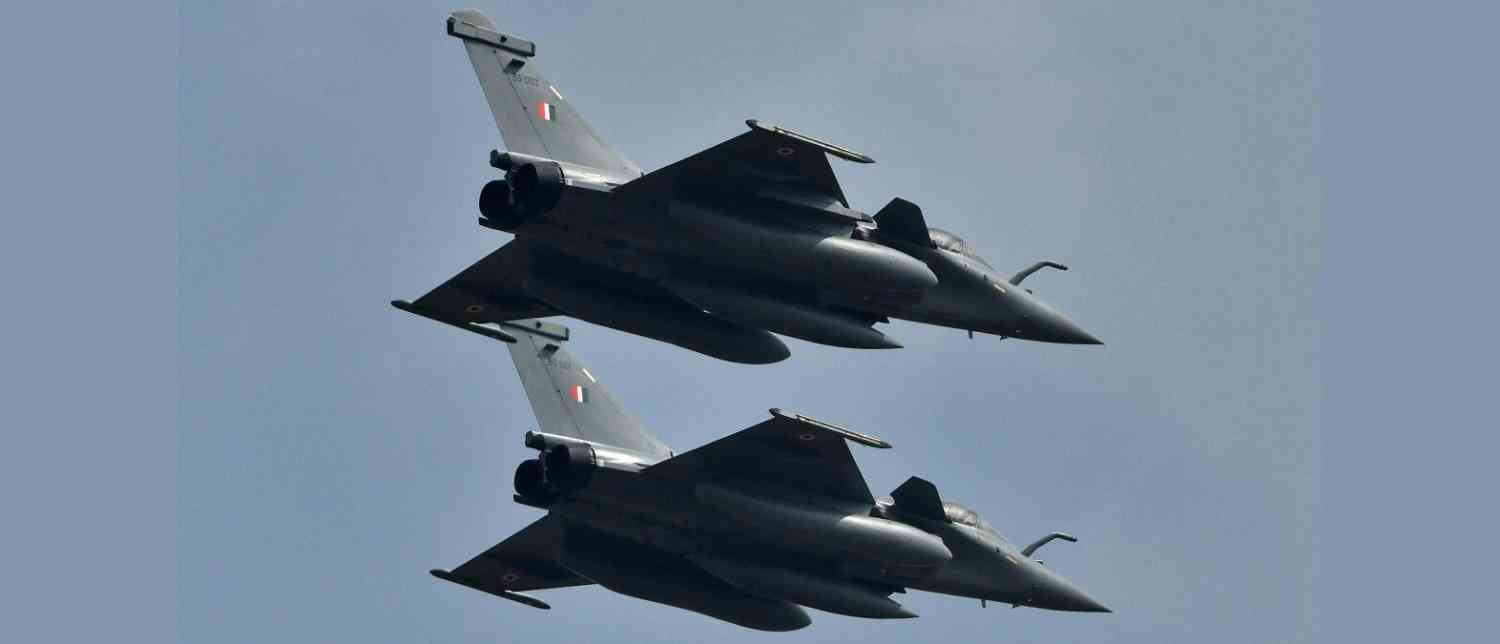
India is on the verge of taking a decisive step in strengthening its air power as the Defence Ministry prepares to deliberate on a massive proposal to acquire 114 Rafale fighter jets from France, a deal estimated to be worth approximately Rs 3.25 lakh crore. If cleared, this acquisition would become India’s largest-ever defence procurement, marking a major milestone in the country’s military modernisation and indigenous manufacturing push.
According to senior defence officials cited by ANI, the proposal is scheduled to be discussed at a high-level Defence Ministry meeting later this week, with deliberations expected to take place within the next two to three days. The deal, structured as a government-to-government agreement between India and France, reflects India’s urgent operational requirements amid evolving regional security challenges.
What the Proposed Rafale Deal Includes
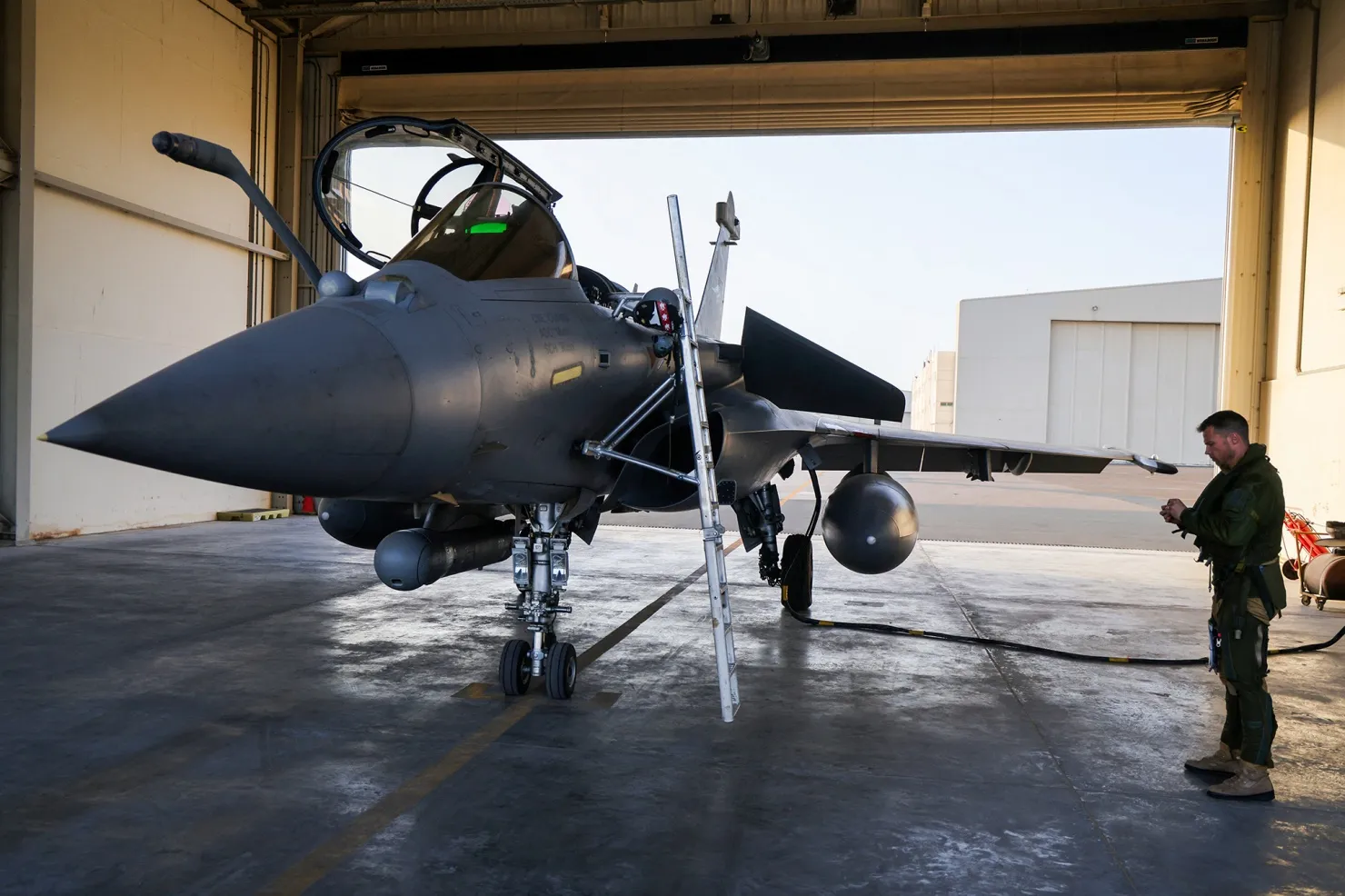
The proposal outlines the procurement of 114 Rafale multirole fighter aircraft, with a significant emphasis on domestic manufacturing. Under the current plan, around 80 per cent of the jets are to be built in India, with the remaining aircraft supplied in fly-away condition.
Officials said the deal includes provisions for 12 to 18 Rafale jets to be delivered directly to the Indian Air Force (IAF) in ready-to-fly condition, allowing for rapid induction to address immediate operational needs. The remaining aircraft would be manufactured within India, incorporating approximately 30 per cent indigenous content in the initial phase.
While this indigenous share is lower than the usual 50–60 per cent localisation requirement under Make in India norms, defence sources indicated that the figure is expected to rise significantly during production, with projections suggesting it could eventually exceed 60 per cent.
Integration of Indian Weapons, But With Key Restrictions
A crucial aspect of the ongoing negotiations involves India’s request to integrate Indian-made weapons systems and indigenous technologies into the Rafale aircraft. According to sources, France has been asked to facilitate this integration under the proposed agreement.
However, one major limitation remains: the Rafale’s source codes will stay exclusively with the French side. This means while India may integrate its weapons and systems, core proprietary software and sensitive technologies will not be transferred.
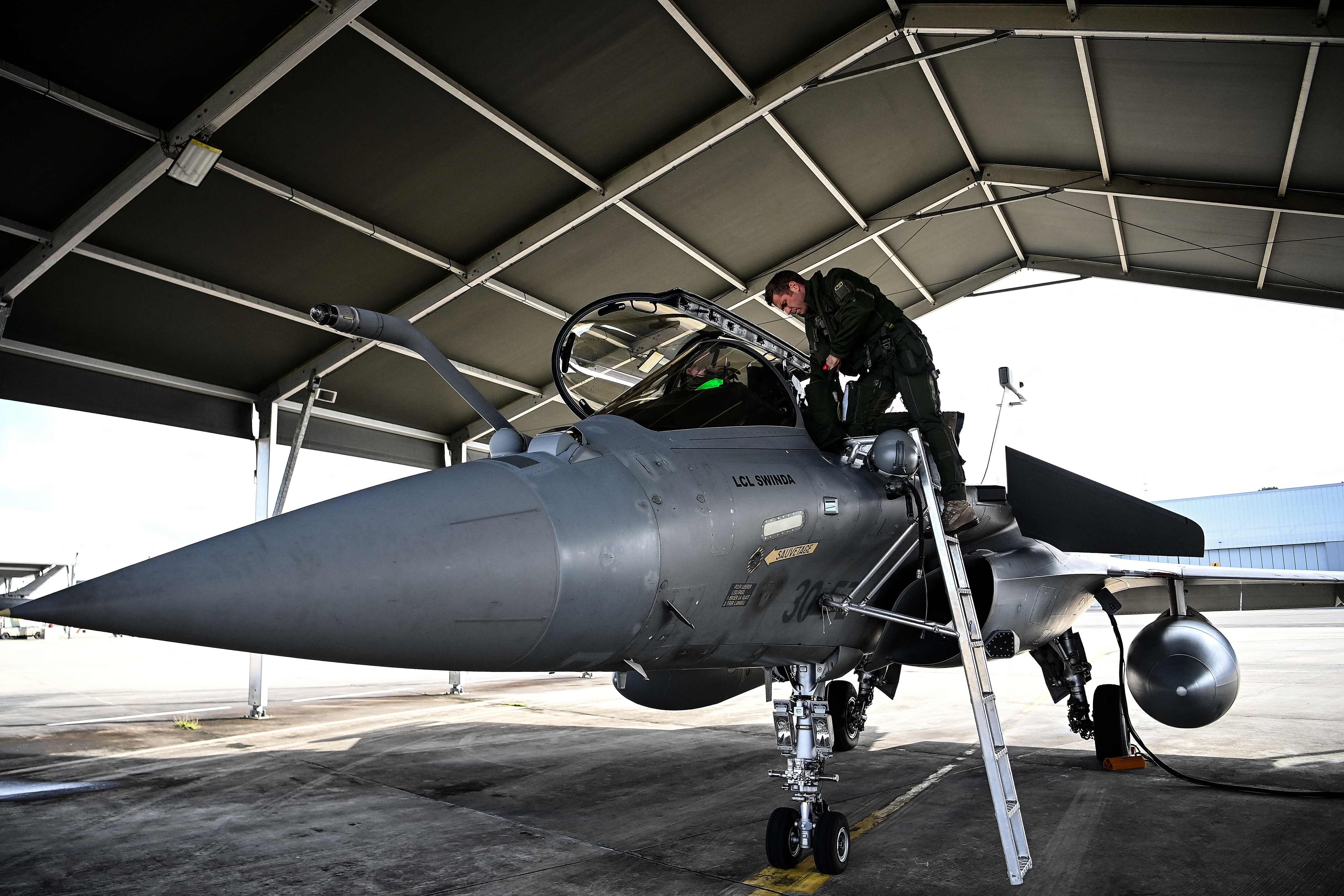
Why India Is Prioritising Rafale Over Fifth-Generation Fighters
The timing of the Rafale discussions is particularly notable. Both the United States and Russia have recently offered their fifth-generation fighter jets—the F-35 Lightning II and the Su-57, respectively—to the Indian Air Force. Despite these offers, India has chosen to continue negotiations with France for additional Rafale aircraft.
Officials familiar with the process said the decision reflects the IAF’s assessment that the Rafale is currently the best-suited aircraft for India’s operational environment, offering a balance of capability, availability, and high serviceability rates.
Rafale’s Performance in Operation Sindoor Boosts Confidence
The push to advance the Rafale proposal comes in the aftermath of Operation Sindoor, during which the Rafale reportedly demonstrated exceptional combat performance. Defence officials said the aircraft successfully countered Chinese-origin PL-15 air-to-air missiles using its advanced Spectra electronic warfare suite.
This reported success against sophisticated missile threats has significantly strengthened the IAF’s confidence in the platform. Sources noted that the Rafale’s performance during the operation played a key role in accelerating discussions on the large-scale acquisition.
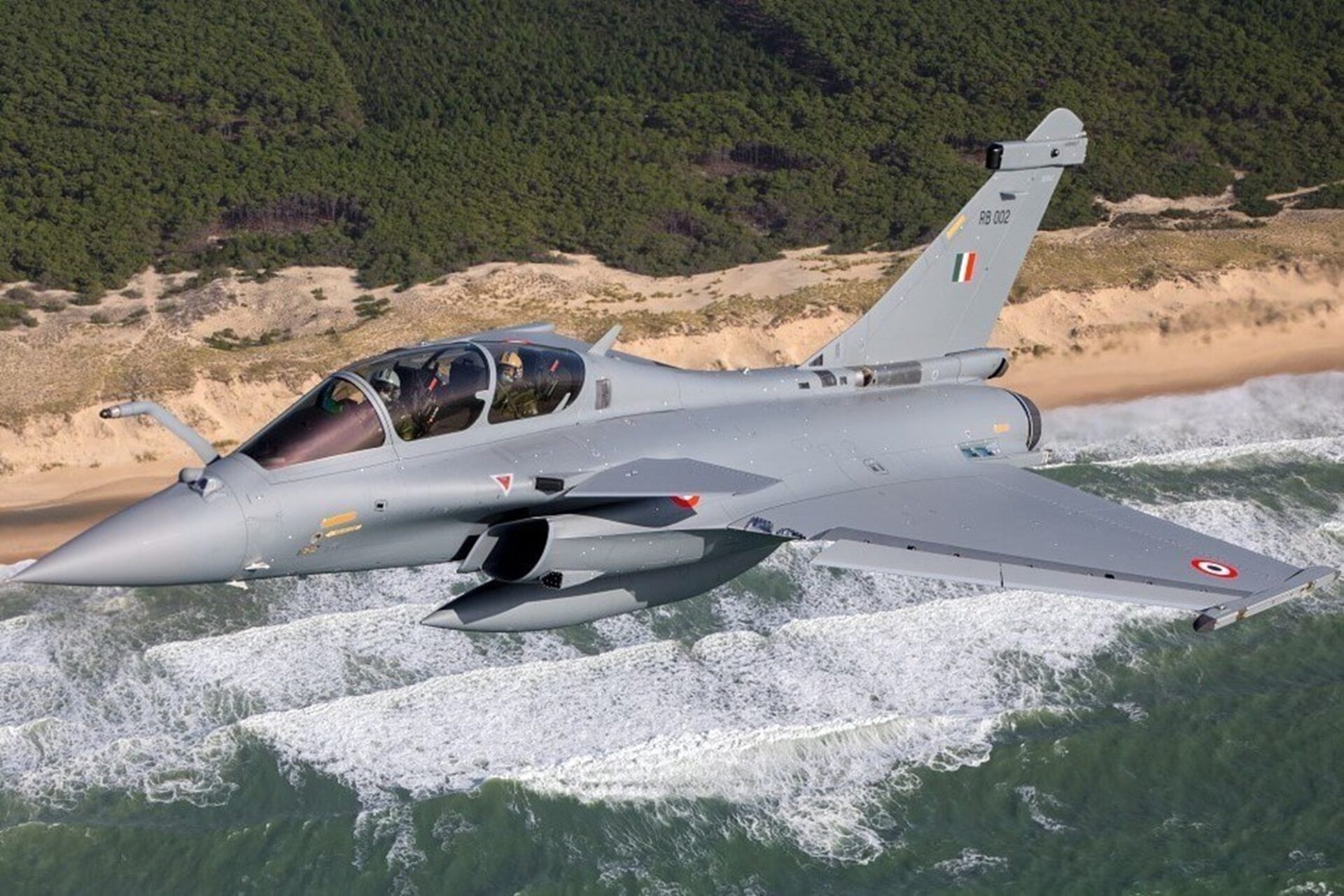
Existing Rafale Fleet and Impact of the New Deal
If approved, the deal would take the total number of Rafale aircraft in Indian service to 176 jets. Currently:
-
The Indian Air Force operates 36 Rafale jets, inducted under a previous contract.
-
The Indian Navy has placed orders for 26 Rafale-M jets, intended for deployment aboard aircraft carriers.
With the proposed 114 additional aircraft, Rafale would become one of the central pillars of India’s combat aviation capability.
Clearance Process and Government Approval
Defence sources confirmed that the Statement of Case (SoC) for the acquisition—prepared by the Indian Air Force—was submitted to the Defence Ministry several months ago. Once the proposal receives approval from the ministry, it will be forwarded to the Cabinet Committee on Security (CCS) for final clearance.
Only after CCS approval can formal contract negotiations and timelines be finalised.
Manufacturing in India and Industrial Benefits
One of the most significant aspects of the proposed deal is the scale of manufacturing activity to be shifted to India. Officials said that several production facilities currently located in France are expected to be relocated or replicated in India as part of the agreement.
The deal also opens the door for Indian aerospace companies to play a major role. Firms such as Tata are expected to participate in manufacturing and supply-chain activities, reinforcing India’s defence industrial base.
MRO Facility for Rafale Engines Planned in Hyderabad
France is also planning to establish a Maintenance, Repair and Overhaul (MRO) facility for the M-88 engines used by Rafale jets in Hyderabad. This facility is expected to significantly improve fleet availability and reduce turnaround time for maintenance.
Dassault Aviation has already set up an Indian entity dedicated to supporting the maintenance of French-origin fighter aircraft. Officials said the upcoming MRO hub could eventually serve not only India but also other Rafale-operating countries in the region, positioning India as a regional maintenance and logistics hub.
There is also a possibility that Dassault could use Indian manufacturing facilities for future export orders, further integrating India into global aerospace supply chains.
Cost Negotiations and Inflation Considerations
Government sources revealed that cost negotiations are still ongoing. The French price offer reportedly factors in an annual inflation rate of around four per cent. However, Indian negotiators believe that increased localisation and domestic manufacturing could help optimise costs over the long term.
High Serviceability Gives Rafale an Edge
One of the Rafale’s strongest advantages, according to officials, is its exceptionally high serviceability rate, estimated at around 90 per cent. This figure is said to be higher than that of most modern fighter jets globally, including the American F-35.
For the Indian Air Force, which faces persistent challenges related to fleet availability, this level of readiness is a critical factor in platform selection.
IAF’s Growing Need Amid Multiple Security Challenges
The Indian Air Force is under mounting pressure to rapidly induct new fighter aircraft as it grapples with shrinking squadron strength and delays in indigenous programmes. Challenges related to engine availability and the integration of foreign systems have slowed the induction of the Light Combat Aircraft (LCA) Mark 1A.
Compounding these issues is India’s complex security environment. The IAF is currently required to remain prepared for two active fronts involving Pakistan and China, while officials have also flagged Bangladesh’s evolving security posture as an emerging concern.
Given these dynamics, the IAF’s requirement for fighter squadrons is now expected to exceed the long-standing benchmark of 42 squadrons, making rapid induction of proven platforms like Rafale a strategic necessity.
Future Fighter Fleet Vision
Looking ahead, the Indian Air Force’s combat fleet is expected to be centred around three main pillars:
-
Su-30 MKI heavy fighters
-
Rafale multirole aircraft
-
Indigenous fighter programmes
India has already placed orders for 180 LCA Mark 1A jets and plans to induct an indigenous fifth-generation fighter aircraft in large numbers beyond 2035. Until then, Rafale is expected to play a critical bridging role in maintaining operational readiness.
A Defining Moment for India’s Air Power
If approved, the Rs 3.25 lakh crore Rafale deal will not only redefine India’s fighter aircraft inventory but also significantly advance its ambitions in defence manufacturing, technology absorption, and regional aerospace leadership.
As the Defence Ministry prepares for key deliberations this week, all eyes are on what could become one of the most consequential military procurement decisions in India’s history—one that blends immediate operational needs with long-term strategic and industrial goals.
With inputs from agencies
Image Source: Multiple agencies
© Copyright 2025. All Rights Reserved. Powered by Vygr Media.