 By
By 
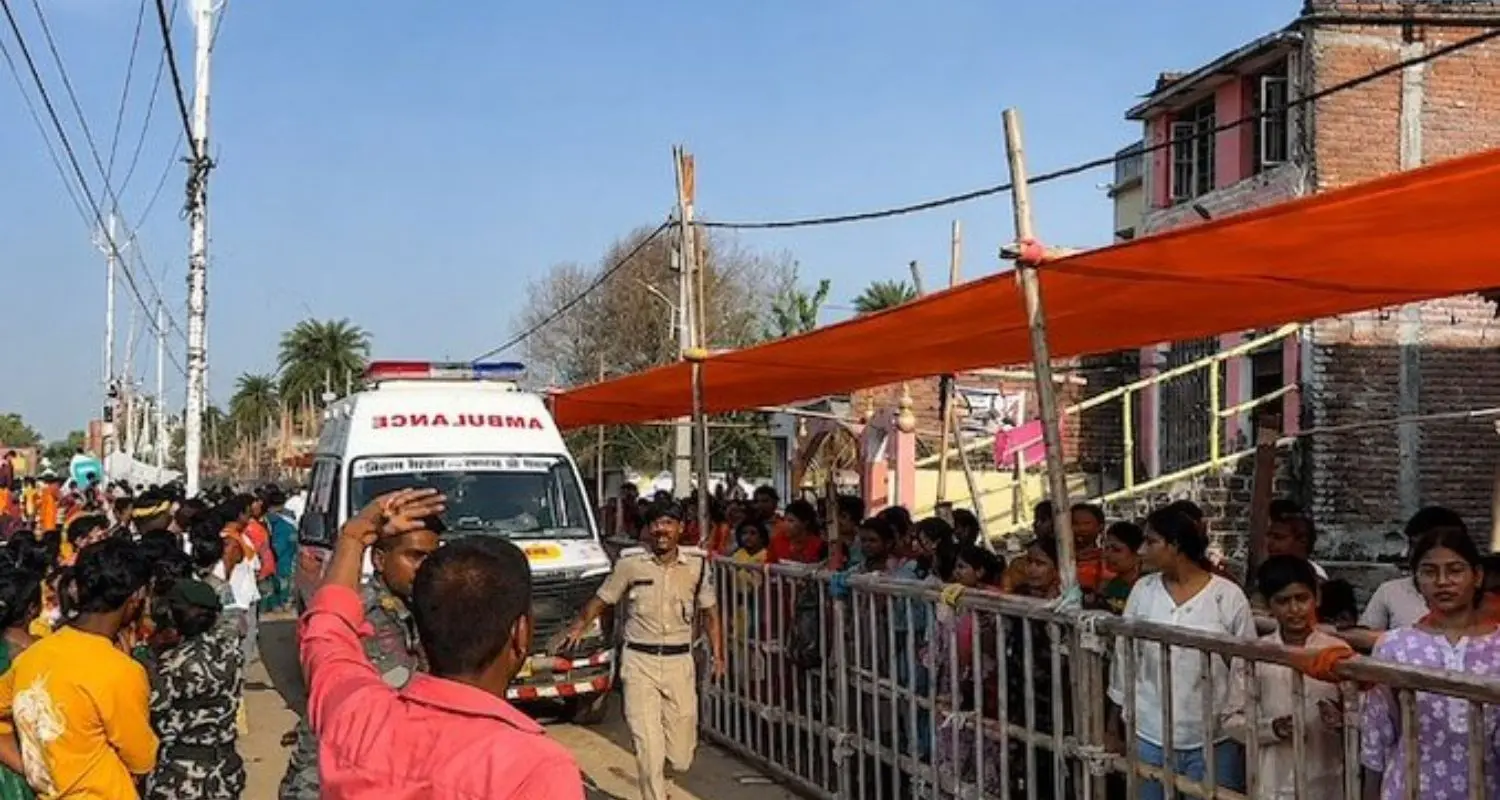
Lakhisarai, Bihar: Seven devotees were killed and more than a dozen others injured after a stampede-like situation broke out at the Ashok Dham Temple in Bihar’s Lakhisarai district early Monday morning. The incident occurred as thousands of devotees gathered at the prominent Shiva shrine to offer prayers and perform jalabhishek on the third Monday, or Somwari, of the holy Shravan month.
The tragedy unfolded around 6:45 am, when an unusually large crowd gathered near the temple. Initial reports suggested that the fall of an electric pole or wire triggered panic, after which a barricade gave way under the pressure of the crowd. Devotees fell over one another in the ensuing chaos, leading to multiple casualties.
What happened at Ashok Dham Temple?
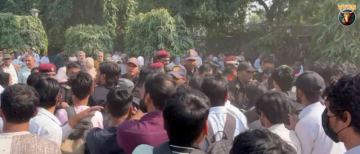
According to Lakhisarai District Magistrate Shailendra Kumar, the crowd swelled unexpectedly between 6:30 am and 6:45 am after two trains arrived at a nearby railway station. Although arrangements had reportedly been made in anticipation of a heavy turnout, the sudden influx created intense pressure around the temple approach and queue areas.
The district administration said a section of the barricading eventually broke under the pressure of the crowd, causing devotees to fall on top of one another. The situation reportedly unfolded within minutes, leaving little time for people caught in the crush to escape.
Another account emerged after an electric pole reportedly fell near the route connecting the Ashok Dham railway station to the temple. The incident appears to have triggered panic among devotees. According to the district magistrate, a rumour spread that a live wire had fallen on people, although he said the fallen cable was not carrying live electricity.
That rumour is believed to have intensified the movement of the crowd, particularly around the women's queue. As people tried to move away from the perceived danger, pressure built up and several devotees fell, creating a stampede-like situation. Police officials have cautioned that the exact sequence and cause will only be established after a detailed verification.
Seven devotees killed, several injured
The death toll in the Lakhisarai temple stampede rose to seven, according to reports from the district administration and police. India Today reported that four of the deceased were identified as Hemlata Devi, Lalita Devi, Rinku Devi and Manmala Devi, while efforts were underway to establish the identities of the remaining victims.
More than a dozen devotees were injured in the incident. Several reports said the injured were taken to Lakhisarai Sadar Hospital, where medical teams attended to them. Some of the injured were reportedly in serious condition.
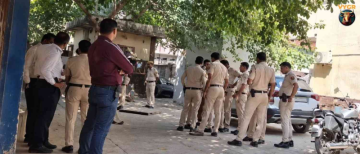
Officials, police personnel and health department teams reached the temple after the incident and began rescue and relief operations. Authorities also worked to control the remaining crowd and prevent another dangerous surge.
The tragedy has left families and fellow devotees shaken, particularly because the gathering had begun as a routine religious pilgrimage during one of the busiest periods of the Hindu calendar.
Why was the crowd so large?
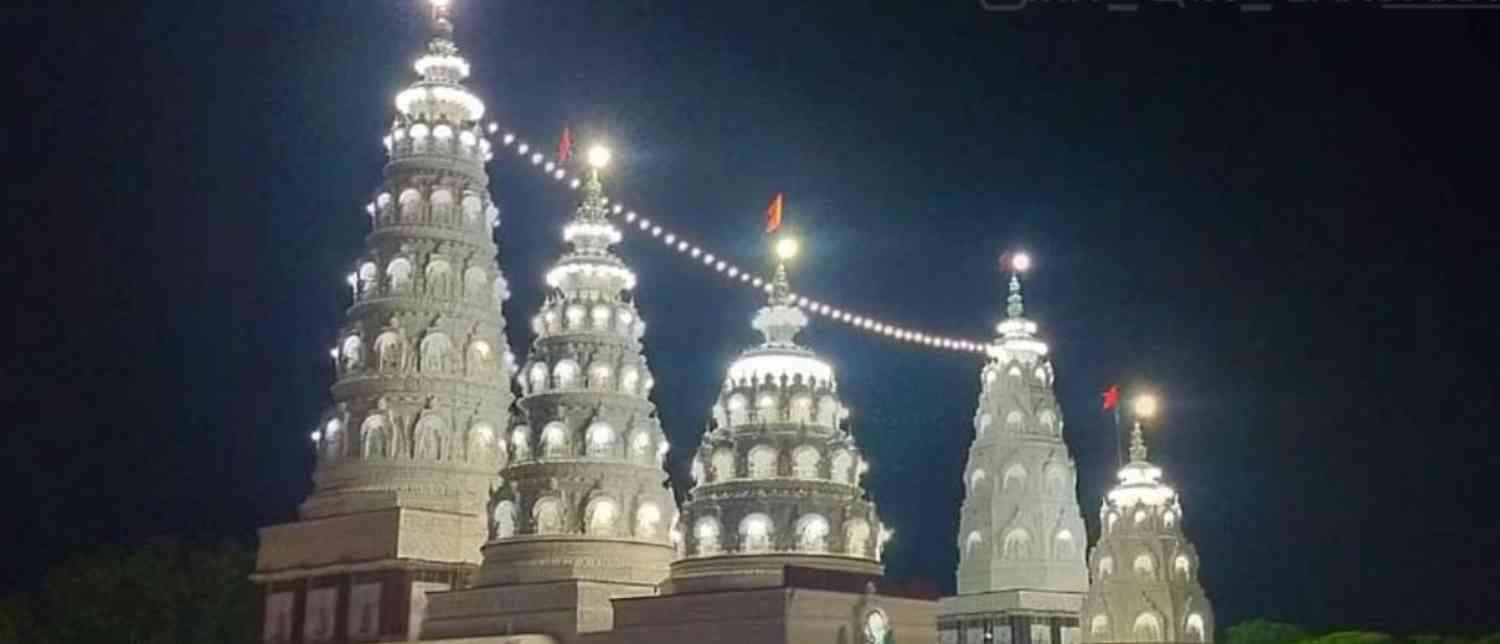
The Ashok Dham Temple, also known as the Shri Indradamaneshwar Mahadev Temple, is a prominent Shiva shrine in Bihar. It attracts a substantial number of devotees during Sawan, with Mondays traditionally drawing particularly large crowds for jalabhishek.
The third Somwari of Sawan brought an especially heavy footfall to the temple this year. Moneycontrol reported preliminary estimates suggesting that around 50,000 devotees were present at the shrine amid the rush. The arrival of two trains around the time of the incident further increased the number of people reaching the temple area.
The combination of a large religious gathering, a sudden influx of devotees and restricted movement through barricaded queues created a highly volatile crowd situation. Even a relatively small disturbance can quickly become dangerous when thousands of people are packed into narrow access routes.
A witness quoted by India Today alleged that around 100 people pushed through barricades near the temple entrance. The witness also described the passage as sloping and claimed that security and crowd-management personnel were not adequately positioned at the spot when the rush began. These claims have not been independently established and will need to be examined as part of any official inquiry.
_1786990417.jpg)
Conflicting accounts over the trigger
The precise cause of the Lakhisarai temple stampede remains under investigation.
Police officials initially said an electric pole appeared to have fallen and that reports of possible electrocution had triggered panic. However, District Magistrate Shailendra Kumar gave a more specific account, saying the pole fell near the men's queue while the rumour about a live wire affected movement in the women's queue.
The district magistrate also said police and administrative personnel had been managing the crowd since around 3 am and that the incident occurred suddenly within approximately two minutes.
The distinction is important because the incident may not have been caused by a single factor. The available accounts point towards a combination of a sudden physical hazard, panic, a rapid crowd reaction, barricade failure and intense congestion.
The Sub-Divisional Police Officer, Shiv Kumar, said the exact reason would be known only after all facts were verified. This means that claims of electrocution, electrical negligence or specific failures in crowd management should not be treated as conclusively established until the investigation is completed.
Bihar government announces compensation
Bihar Chief Minister Samrat Choudhary expressed grief over the deaths and described the incident as extremely tragic and heart-wrenching. He directed the administration to ensure proper and prompt medical treatment for those injured.
The state government also announced an ex-gratia payment of ₹4 lakh to the family of each person who died in the incident.
Prime Minister Narendra Modi also expressed condolences to the families of the deceased and wished the injured a speedy recovery. He said the local administration was assisting those affected by the tragedy.
Former Bihar Chief Minister Nitish Kumar also condoled the deaths and prayed for the recovery of those injured.
Meanwhile, BJP district president Deepak Kumar alleged that negligence by the electricity department may have contributed to the incident and said a high-level investigation would be conducted. Any responsibility for the tragedy, however, will depend on the findings of the authorities.
Ashok Dham has witnessed a stampede before
Monday's tragedy has also raised questions about crowd safety at the temple because it is not the first fatal stampede reported at Ashok Dham.
According to India Today and Moneycontrol, a previous stampede occurred at the temple complex on August 12, 2019, during the Shravan period. One devotee was killed and around 15 others were injured in that incident.
The recurrence of a crowd-related tragedy at a temple that experiences a dramatic rise in footfall during Sawan is likely to put renewed focus on crowd-control arrangements, barricading, access routes, emergency exits and coordination between the temple authorities and district administration.
Monday's incident also highlights how quickly panic can transform a large religious gathering into a life-threatening situation. In crowded places, a rumour or unexpected obstruction can trigger sudden movement, while broken barricades or narrow passages can make it difficult for people to escape safely.
Investigation into Lakhisarai temple stampede awaited
For now, authorities are continuing to verify exactly how the tragedy unfolded. The key questions include what caused the electric pole to fall, whether there was any actual electrical hazard, how the rumour spread, why the barricading failed and whether the crowd-management plan was adequate for the turnout.
The arrival of two trains shortly before the incident is another factor that investigators may examine, particularly in relation to the sudden increase in pedestrian movement towards the temple.
The Lakhisarai administration had anticipated a heavy crowd, but officials acknowledged that the surge became unprecedented. That gap between expected and actual footfall could prove significant in determining whether additional crowd-control measures were required.
As families mourn the seven devotees who lost their lives, the immediate priority remains the treatment of those injured. The larger concern, however, is whether the tragedy will lead to stronger safety arrangements at Ashok Dham and other major religious sites where massive crowds gather during festivals.
For devotees, the morning began with a journey to seek blessings of Lord Shiva. It ended in a tragedy that has once again underlined the human cost of inadequate crowd safety when thousands of people converge in a confined space.
The final responsibility for the Ashok Dham temple stampede will become clearer only after the authorities complete their investigation. Until then, the incident stands as a stark reminder that religious gatherings of this scale require not only devotion and preparation, but also meticulous crowd management, reliable infrastructure and rapid emergency response.
With input from agencies
Image Source: Multiple agencies
© Copyright 2026. All Rights Reserved. Powered by Vygr Media.