 By
By 
Mumbai’s food safety enforcement drive has uncovered a disturbing pattern of hygiene violations across restaurants, hotels and food establishments, with five food business licences suspended following inspections in Maharashtra. The crackdown has brought serious concerns over pest control, food storage, kitchen cleanliness and compliance with food safety regulations into sharp focus.
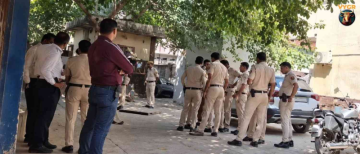
The inspections, carried out as part of a wider state-level food safety campaign, resulted in action against establishments in Mumbai as well as other parts of Maharashtra. Officials also seized banned food products and other food items worth several lakh rupees, registered criminal cases and sealed establishments found violating the prescribed norms.
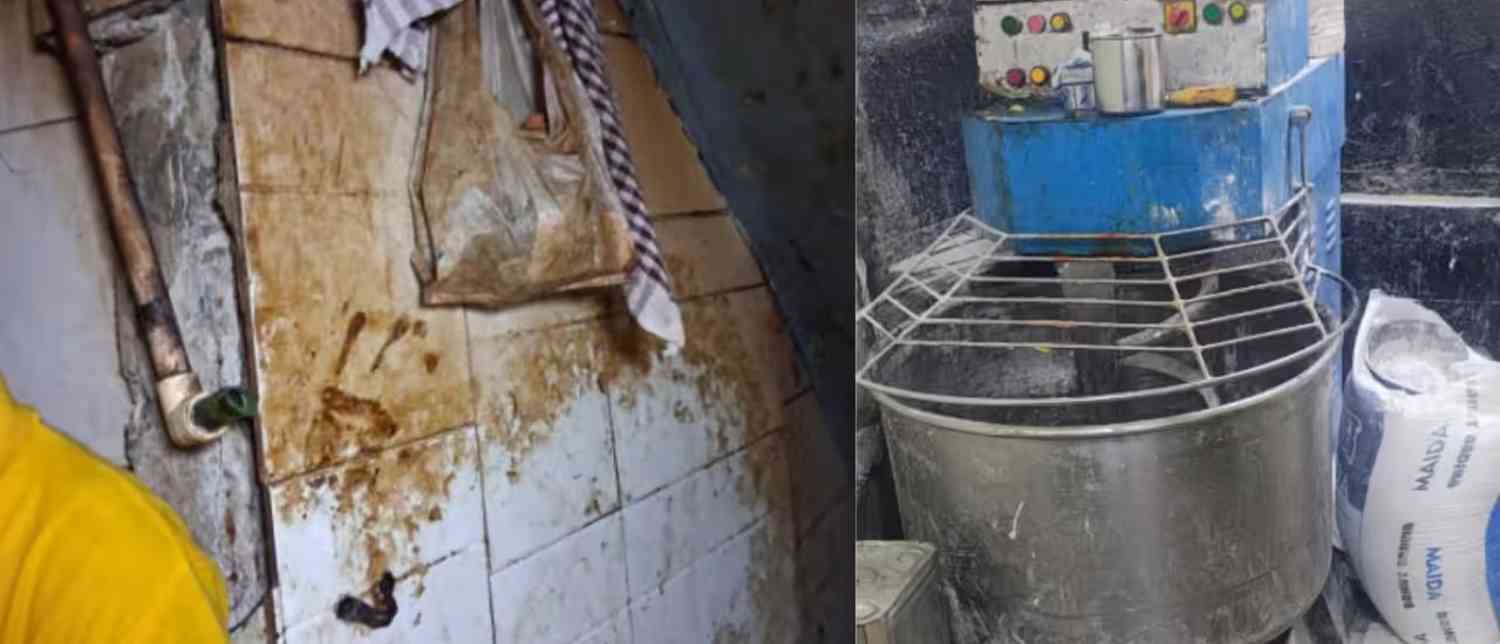
Among the most alarming findings came from Hotel Radha in Malad West, where inspectors reported live rats and cockroaches inside the kitchen. The inspection also revealed open drains, stagnant water, grease accumulation and poor food storage conditions. The establishment’s food business licence was suspended with immediate effect, and it was directed to stop food production, storage, sale and distribution.
Live Rats Found Inside Hotel Radha Kitchen
The inspection at Hotel Radha on August 18 exposed conditions that went far beyond routine cleanliness lapses.
Food safety officials reportedly spotted live rodents inside the kitchen, including a rat entering through an open drainage line. Another rat was found near the ceiling. Inspectors also found live cockroaches crawling over food-processing equipment, including a dough-mixing machine.
The open and poorly maintained drainage system was particularly concerning because it provided a direct route for rodents and insects to enter areas where food was being prepared. Stagnant water, drain leakage, grease deposits and foul odours further contributed to an unhygienic kitchen environment.
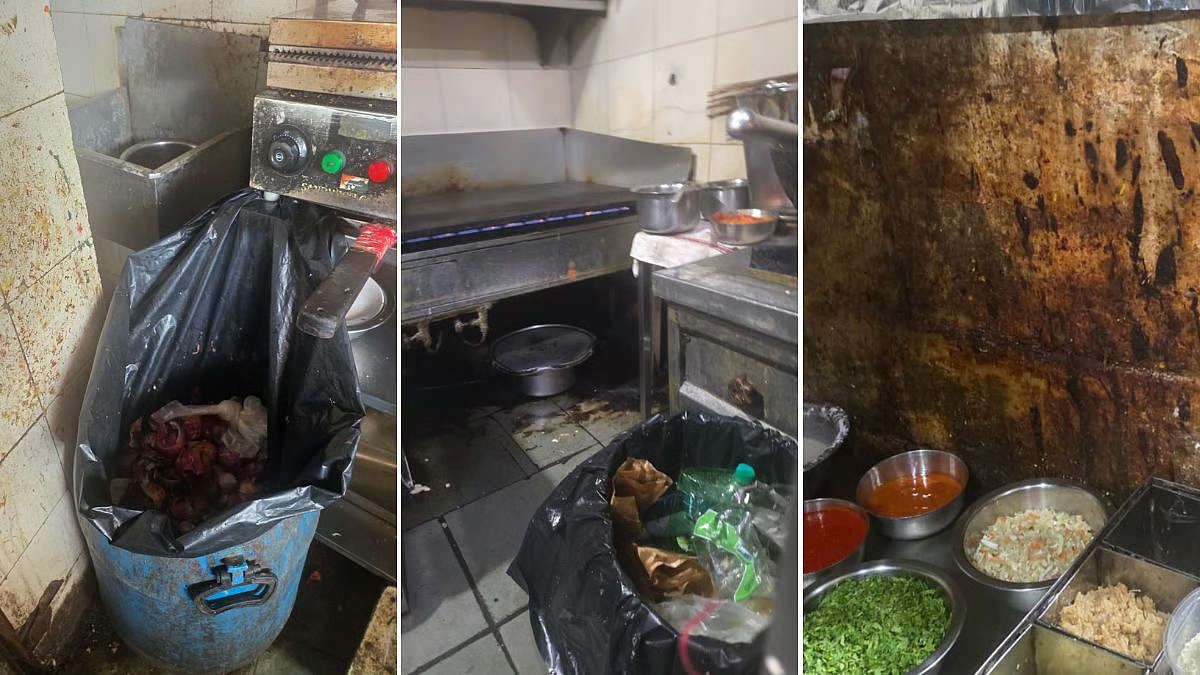
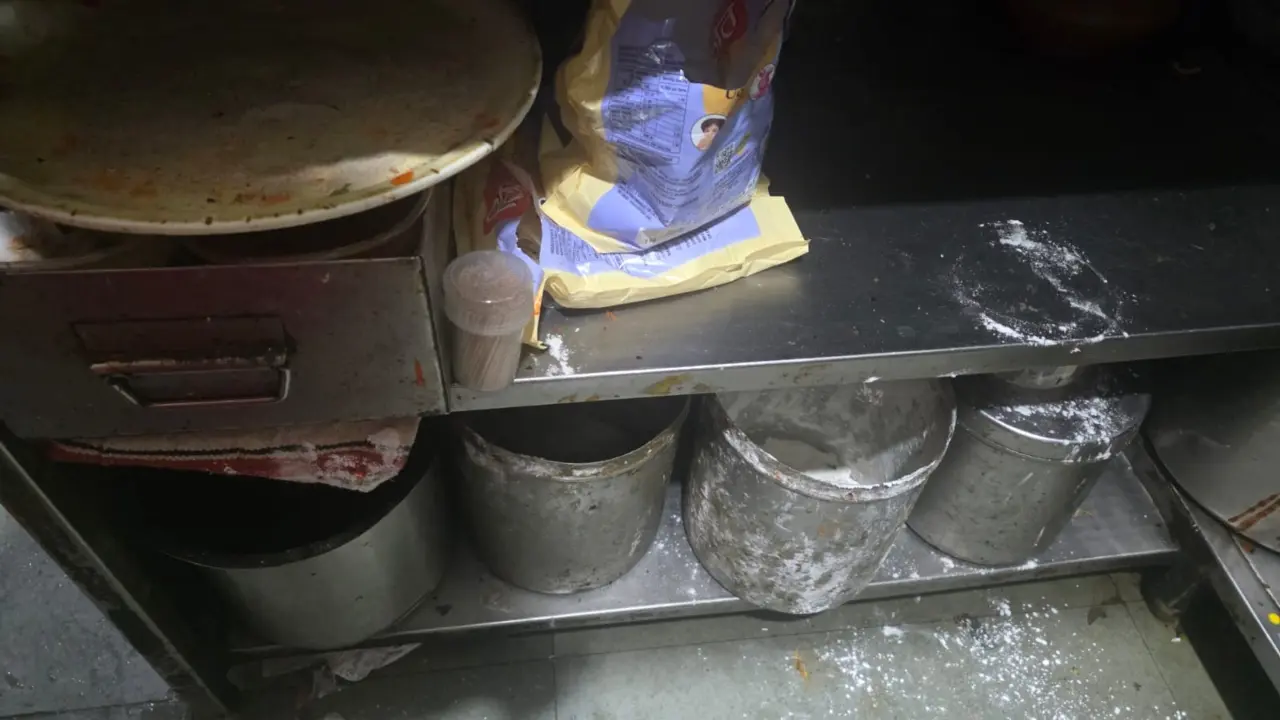
Inspection visuals also showed grease and dirt accumulated on counters, utensils and storage areas. Some food containers were reportedly covered with dust and mud, while certain utensils showed signs of rust. An open dustbin containing waste was also found inside the kitchen, with a toaster used for food preparation placed above it.
The combination of pest infestation, exposed drainage, waste handling issues and poor maintenance raised significant food safety concerns.
Authorities subsequently suspended the hotel’s food business licence under Section 32(3) of the Food Safety and Standards Act, 2006. The order required the immediate cessation of manufacturing, storage, sale and distribution activities related to food.
Kurla Restaurant Faces Action Over Meat Storage and Kitchen Hygiene
Hotel Radha was not the only Mumbai establishment to face regulatory action.
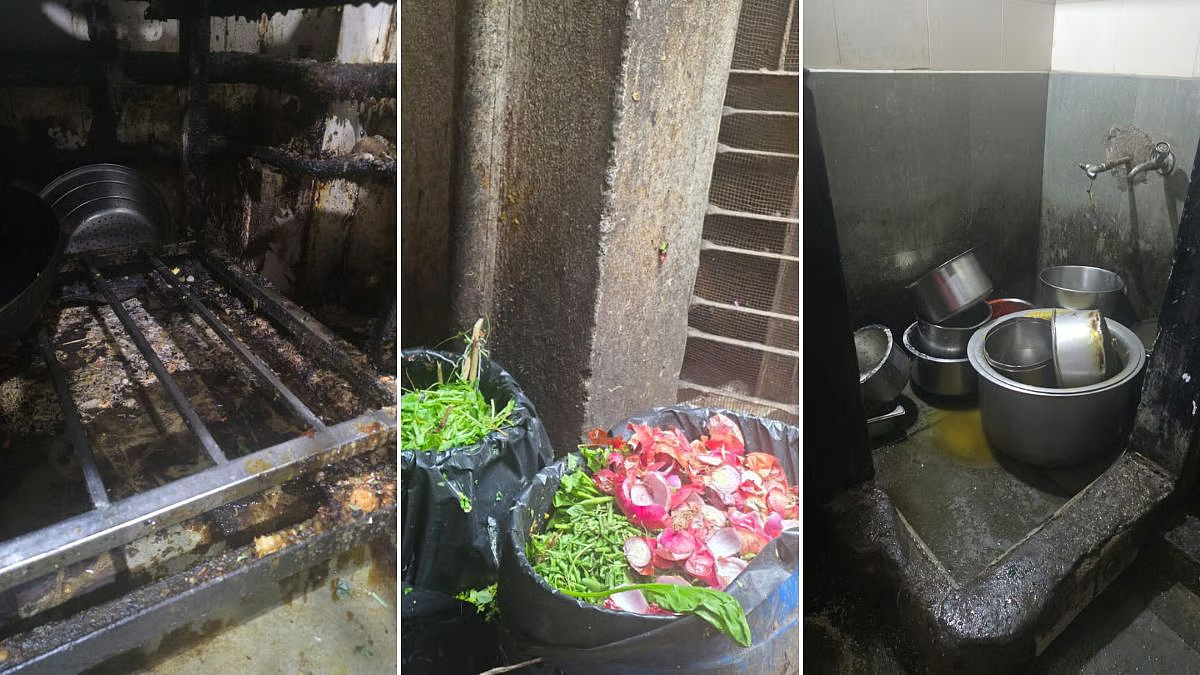
At Janata Tawa & Grill in Kurla West, inspectors identified a different set of food safety concerns. Raw meat and poultry were reportedly stored without adequate temperature control and without proper segregation from other food materials.
Temperature control is particularly important when handling meat and poultry because improper storage can accelerate bacterial growth and increase the risk of foodborne illness.
The inspection also found food-contact equipment and utensils covered in grease, food residue and carbon deposits. Grills and racks reportedly contained substantial amounts of burnt food residue, indicating inadequate cleaning and maintenance.
Officials also noted the absence of records relating to laboratory testing of food and water. Following the inspection, the establishment’s food licence was suspended.
The findings highlight that food safety is not limited to preventing visible pest infestations. Proper temperature control, segregation of raw and cooked food, regular equipment cleaning and documented testing are equally important parts of safe food handling.
Kharghar College Canteen Also Loses Licence
Another establishment to face action was the canteen operating at Saraswati College of Engineering in Kharghar.
The food business was registered as a food vending unit but was reportedly operating as a canteen. During inspection, officials found inadequate arrangements to prevent insects and rodents from entering the premises.
The establishment reportedly lacked insect killers, rodent traps and insect-proof screens. Its exhaust system was also found to be non-functional, while deficiencies were noted in food and water testing, maintenance and record-keeping.
The findings underline how pest control and ventilation can directly affect food safety. A food establishment may appear operationally functional to customers while having significant vulnerabilities in areas they rarely see.
Expired Food Products Found In Maharashtra
The wider crackdown extended beyond Mumbai.
At Parmeshthi Super Shoppe in Vaijapur, Chhatrapati Sambhajinagar district, officials reportedly found expired food products being kept for sale along with unhygienic conditions in the storage area. Proceedings were initiated against the food business operator under the relevant food safety provisions.
These inspections show that the enforcement campaign is addressing several layers of food safety — from basic sanitation and pest control to product quality, storage conditions and compliance documentation.
Rs 25.30 Lakh Worth Of Food Products Seized
The Maharashtra-wide operation also resulted in substantial seizures.
Authorities said food products worth approximately Rs 25.30 lakh were seized during the special food safety drive. This included banned products such as gutkha, pan masala and flavoured supari, with banned stock worth Rs 11.40 lakh seized from eight establishments across multiple divisions.
The enforcement drive reportedly led to eight FIRs and the arrest of 10 people in cases involving banned food products. Six establishments were sealed and two vehicles were also seized.
In addition, around 14,552 kg of other food products, including milk and milk-based items, bakery products and other food articles, valued at approximately Rs 13.90 lakh, were seized. Samples from certain establishments were sent to authorised laboratories for testing, with further action dependent on the results.
The operation also extended to suspected substandard and misbranded products in Pune and Sangli, where officials seized food items worth several lakh rupees and sent samples for laboratory analysis.
Five Licences Suspended, 22 Establishments Served Notices
The latest enforcement action indicates that the crackdown is broader than the three Mumbai establishments that have attracted attention.
Across the state, five food business licences were suspended, while 22 establishments were issued improvement notices. The authorities also took action against businesses involved in the sale, storage and transportation of banned products.
The inspections form part of the “Safe Food, Safe Maharashtra” campaign, which aims to improve compliance with food safety and hygiene standards among food business operators.
For restaurants and food establishments, the message from the latest action is clear: basic hygiene lapses can no longer be treated as minor operational shortcomings. Pest control, clean food-contact surfaces, safe water, appropriate storage temperatures, proper waste disposal and accurate records are all essential components of food safety.
What The Mumbai Food Safety Crackdown Means For Consumers
For customers, the inspections offer an important reminder about what happens behind the kitchen door.
A restaurant’s appearance in its dining area does not necessarily reflect the condition of its food preparation or storage spaces. Issues such as open drains, pest entry points, improper refrigeration, contaminated equipment and poor waste management can remain invisible to diners while potentially creating serious food safety risks.
The latest inspections also demonstrate that enforcement agencies are looking beyond individual complaints and conducting broader checks across different categories of food businesses.
The authorities have directed affected establishments to rectify violations and comply with prescribed food safety standards before further action can be considered. Food businesses have also been urged to maintain proper hygiene, safe storage, temperature control, pest management, clean equipment and safe water supplies.
The immediate suspensions therefore serve two purposes: preventing consumers from being exposed to potentially unsafe food and pushing food businesses to treat hygiene as a core operational requirement rather than a cosmetic exercise.
With inspections expected to continue, restaurants, hotels, canteens and food retailers across Maharashtra are now under renewed pressure to demonstrate that the food reaching customers is not only appetising, but also safe.
With input from agencies
Image Source: Multiple agencies
© Copyright 2026. All Rights Reserved. Powered by Vygr Media.