 By

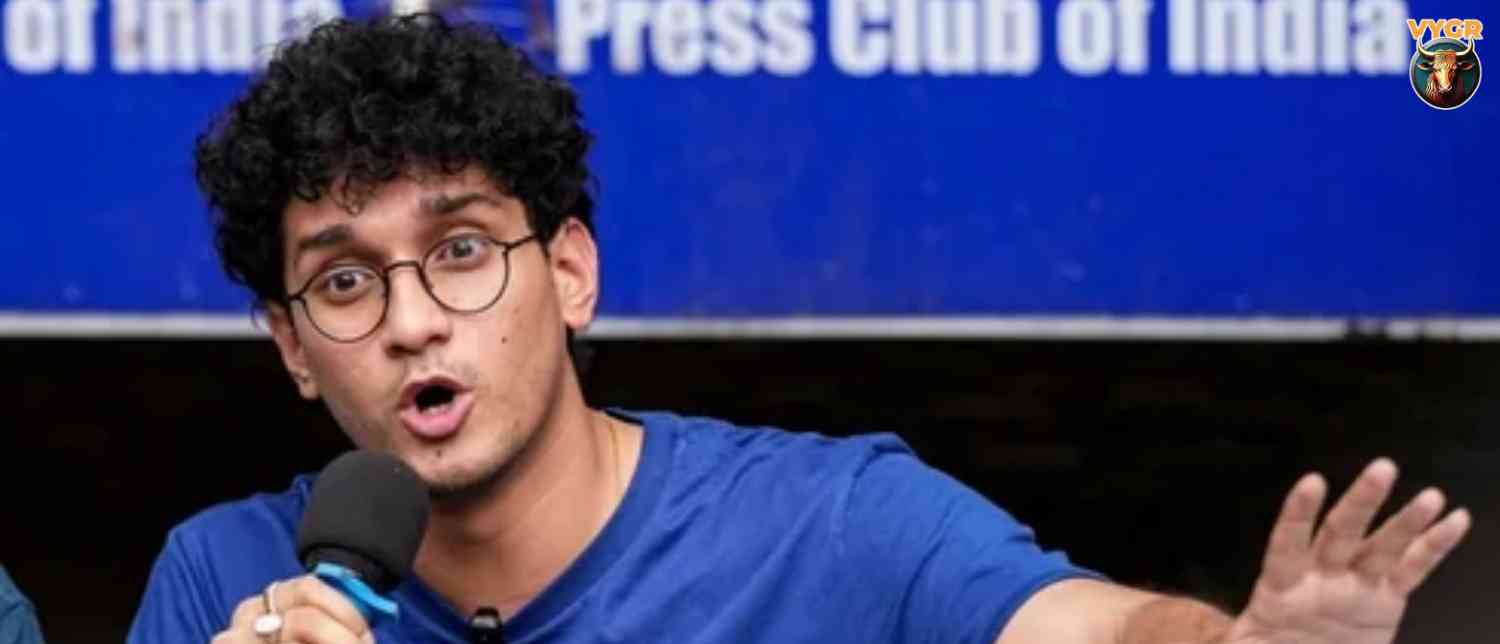
Chennai: The Madras High Court on Friday asked the Centre and journalist Saurav Das, co-convenor of the Cockroach Janata Party (CJP), to respond to a public interest litigation (PIL) seeking an inquiry into his nationality and background. A division bench of Chief Justice Sushrut Arvind Dharmadhikari and Justice G. Arul Murugan issued notice after hearing preliminary submissions and listed the matter for hearing after six weeks.
Issuing notice is not a finding. The court has not determine any claim in the petition. The allegations are the petitioner’s alone and remain untested.
What the petition seeks
The PIL was filed by R. Ganesh Kumar of Zamin Pallavaram in Chennai. It asks the court to:
- Direct the Union Home Ministry to investigate Das’s nationality and personal background, including details about his parents.
- Order cancellation of his passport and Aadhaar card if he is found not to be an Indian citizen.
- Direct the Ministry of Electronics and Information Technology (MeitY) to block his X and Instagram accounts.
- Restrain him from making further remarks the petitioner calls derogatory about the judiciary and Supreme Court judges.
The petitioner alleges that Das concealed his nationality to obtain identity documents. The report of the hearing notes that the claim of foreign funding was made without evidence in the affidavit. Das has not been reported as responding to the allegations at the time of writing, and his side will be heard when the court takes up the matter again.
Who has been asked to respond
The court has sought replies from Das, the Union government and other respondents, which reportedly include the authorities responsible for passports, Aadhaar and online content. Both sides will now file their responses before the next hearing.
Who is the Cockroach Janata Party?
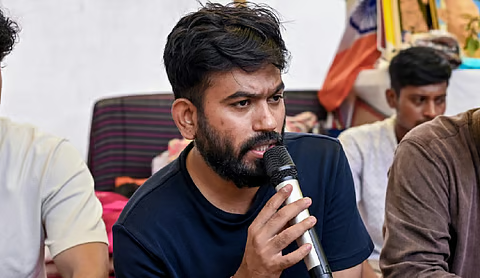
The CJP is an online political satire movement launched on May 16, 2026 by political communications strategist Abhijeet Dipke. Its name parodies the ruling Bharatiya Janata Party and refers to remarks made by the Chief Justice of India. It is not registered as a political party and gained a large following on social media soon after launch. Das, a journalist, is one of its public faces as a spokesperson and co-convenor.
Why this case will be watched
The case raises three separate questions, each of which will be decided by its own legal tests.
- Citizenship. Questions about whether a person is an Indian citizen are generally examined by the competent authorities under the relevant laws. A court can ask the government to look into such a complaint, but a notice does not mean that any such inquiry is warranted. The government’s reply will be central.
- Blocking of accounts. Blocking orders affect freedom of speech, which is protected by Article 19(1)(a) of the Constitution, subject to reasonable restrictions. Courts typically examine whether any restriction is justified and proportionate. Supporters of the plea say that remarks about judges can cross a line. Critics of such pleas argue that criticism of institutions, including the judiciary, is part of public debate unless it amounts to contempt as defined by law.
- The PIL route itself. Courts have repeatedly said that public interest litigation should serve a genuine public cause and not be used to settle political or personal scores. Whether the bench considers this petition to meet that standard is a question for the coming hearings.
What happens next
-
Das and the Centre are expected to file their responses.
- The bench will consider the replies at the next hearing, due after six weeks, which would fall around mid-December.
- The court may then dismiss the plea, seek further information or issue directions. Nothing in Friday’s order points to any of these outcomes.
© Copyright 2026. All Rights Reserved. Powered by Vygr Media.