 By
By 
Mumbai: Maharashtra’s Marathi-language requirement for autorickshaw, taxi and app-based cab drivers has come into force, but drivers who are unable to demonstrate the required working knowledge of Marathi have been given one more month to comply before facing licence suspension. The rule, which began being enforced from August 18, has triggered a debate over regional identity, livelihoods and Mumbai’s famously multilingual character.
Under the revised provisions, drivers who fail to demonstrate practical knowledge of Marathi will first receive a 30-day notice to learn the language and clear the required assessment. If they fail again after the additional period, their driving licence can be suspended for three months. Continued non-compliance could eventually result in permanent cancellation of the licence.
The government says the requirement is intended to ensure that drivers providing passenger transport services can communicate effectively with commuters. Critics, however, have questioned whether making language proficiency a condition for retaining a livelihood is the right way to encourage Marathi in one of India’s most diverse cities.
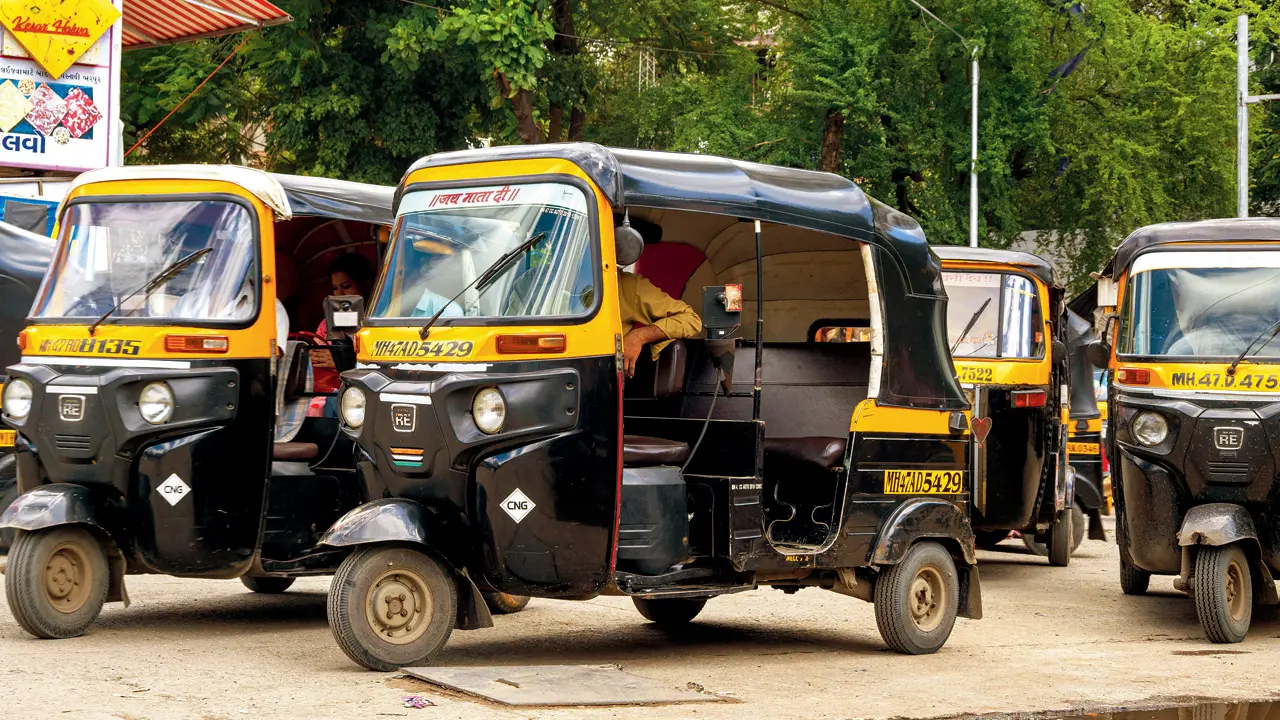
Marathi test rule takes effect in Maharashtra
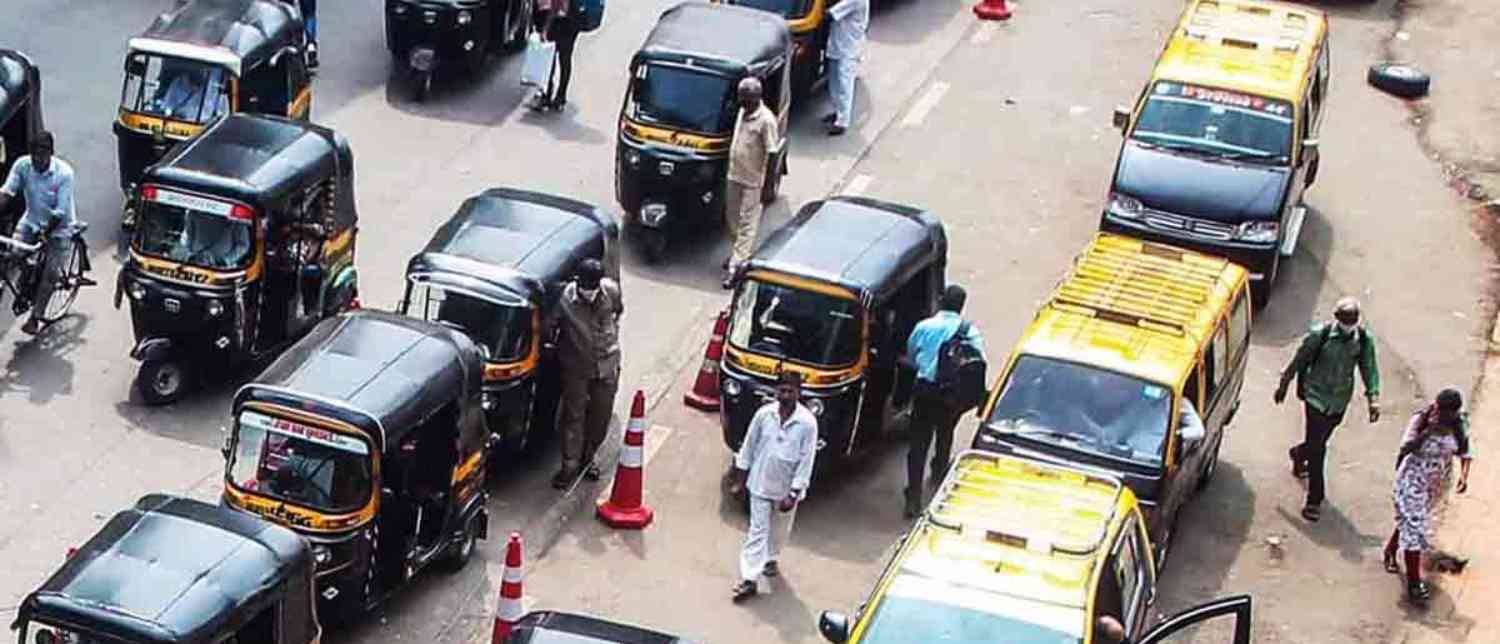
The language requirement applies to drivers and permit holders associated with autorickshaws, taxis and app-based motor cabs equipped with electronic meters. Amendments to the Maharashtra Motor Vehicles Rules were brought in to make the requirement clearer and give licensing authorities the power to act against those who do not meet it.
The state has maintained that the test is not intended to demand literary or advanced Marathi. Instead, the emphasis is on practical knowledge of the language and the ability to manage basic communication with passengers.
The licensing authority is expected to determine whether a driver’s knowledge is satisfactory for this purpose, with the stated objective of enabling drivers to understand passengers’ concerns and ensure safe and convenient journeys.
The policy had been in the works for several months. In April, commercial passenger-vehicle drivers were given time to meet the requirement, with August 15 initially set as the deadline for compliance. Training programmes and assessments were subsequently organised in Mumbai and elsewhere in Maharashtra.
What happens if an auto or taxi driver fails the Marathi test?
The enforcement mechanism is now clearer.
A driver who cannot demonstrate the required Marathi proficiency does not immediately lose their licence. Instead, authorities are to issue a notice giving the driver another month to learn Marathi and appear for the test again.
If the driver fails to comply during that period, the licence can be suspended for three months. If the driver continues to remain non-compliant even after the suspension, the rules allow for eventual permanent cancellation.
The clarification has provided some relief to drivers who were worried that failing the assessment would immediately put their livelihood at risk.
The scale of the exercise is significant. Maharashtra has around 1.5 million drivers in the relevant category, while about 125,000 had taken the test by August 14. Some drivers reportedly spent eight to 10 hours waiting at regional transport offices because of the large number of applicants.
Meanwhile, thousands of drivers have completed the government-backed Marathi language training programme, while others are still awaiting certification or need to retake the proficiency test. Recent figures indicate that around 7,750 drivers failed the proficiency test and another 17,427 had not yet completed training.
Why has Maharashtra made Marathi mandatory for drivers?
The government’s argument is rooted in practical communication as well as the preservation of the state’s linguistic identity.
A passenger entering a taxi or autorickshaw may need to give directions, clarify an address, explain a destination or communicate about a fare or route. Supporters of the policy say basic knowledge of the local language can make such interactions smoother and reduce the possibility of misunderstandings.
From this perspective, asking a public-facing transport worker to learn commonly used Marathi phrases, numbers, directions and basic conversational expressions is presented as a reasonable expectation rather than a demand for fluency.
The state has also stressed that the rule is not designed to target people from outside Maharashtra. Mumbai, Thane, Navi Mumbai, Pune and other urban centres have large populations of workers from different parts of India, many of whom are employed in the transport sector. The stated objective is to encourage people living and working in Maharashtra to acquire basic knowledge of the local language.
The policy is also being extended to app-based cab drivers and relevant permit holders, bringing a much wider section of the commercial passenger transport sector under the language requirement.
The government has argued that working knowledge of the local language is necessary for effective communication with passengers and can contribute to a safer and more convenient travel experience.
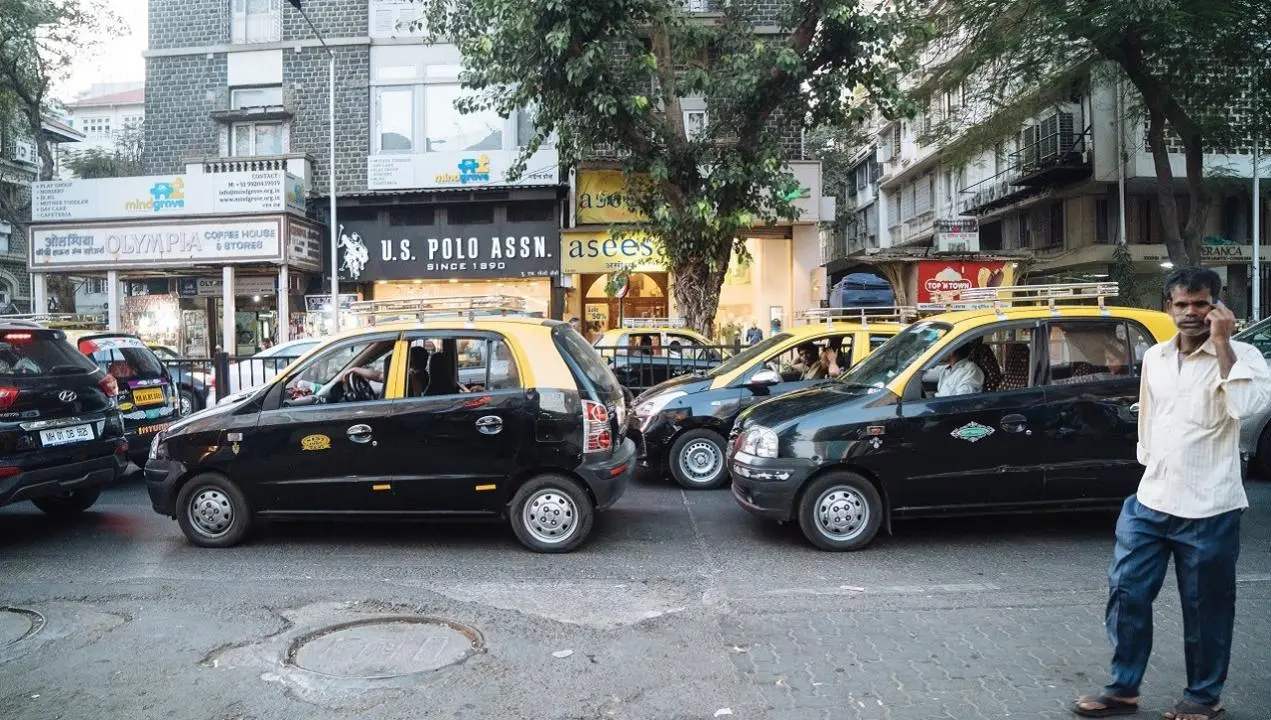
Drivers face a difficult balance between work and language training
For many drivers, however, the issue is not simply about whether Marathi is worth learning. It is about how the requirement is implemented.
Auto and taxi drivers depend on daily earnings. Spending hours at an RTO or attending training sessions can mean losing working time and income. Reports of long queues at testing centres have highlighted the logistical difficulties involved in administering the policy to a very large workforce.
The monsoon has added another layer of difficulty. The implementation period coincided with Mumbai’s heavy rains, affecting the practical rollout of training and assessments.
This is one reason the language debate has expanded beyond the question of Marathi itself. The central issue is increasingly whether the government can promote a legitimate cultural and civic objective without creating disproportionate hardship for workers who depend on driving for their livelihood.
Some driver representatives have also raised concerns about the availability of training centres and the limited time available for drivers to complete the process.
The Mumbai factor: A city built on many languages
The controversy carries particular weight in Mumbai because the city’s everyday communication has never been confined to one language.
Hindi, Marathi, Gujarati, English and several other languages coexist in the city’s streets, workplaces and public transport. Taxi and autorickshaw drivers routinely deal with passengers from different linguistic backgrounds, often switching between languages depending on who is sitting in the back seat.
Critics of the policy have questioned whether mandatory Marathi testing risks turning an otherwise practical language-learning exercise into an unnecessary administrative barrier. The argument is not that drivers should not learn Marathi, but that the objective could potentially be achieved through simpler and less punitive methods.
The debate also points to an apparent contradiction: Mumbai’s economic strength has historically depended on its ability to absorb people from across India. Making language proficiency a condition attached to a working-class livelihood, critics argue, could sit uneasily with that cosmopolitan identity.
At the same time, expecting basic familiarity with the local language is not inherently unreasonable. For a driver interacting with thousands of residents, knowing common Marathi words and phrases can improve communication and make daily interactions easier.
The real disagreement, therefore, is less about whether drivers should know Marathi and more about how much Marathi they should be required to know, how they should be tested and what consequences should follow if they fail.
Could a softer approach work better?
One possible middle ground is practical language familiarisation rather than a high-pressure certification system.
Drivers could be provided with short lists of commonly used Marathi phrases, numbers, directions and passenger-related expressions. Mobile-based lessons could allow them to learn between trips, while simple conversational assessments could focus on situations they actually encounter on the road.
Such an approach would also recognise an important reality: a taxi driver does not need academic fluency in Marathi to provide effective transport services. What matters most is the ability to understand a destination, communicate basic information and respond to passengers when necessary.
The government’s own emphasis on practical knowledge suggests that such a model could fit the stated objective.
At the same time, the current system has already produced some unintended moments. Reports from Mumbai have indicated that some drivers attending basic Marathi classes have begun using newly learned phrases in everyday situations, including when explaining why they cannot take a passenger. The episode illustrates how language training can quickly become part of the practical, sometimes unpredictable world of Mumbai’s taxi and autorickshaw services.
What lies ahead for Mumbai’s auto and taxi drivers?
For now, the immediate priority for drivers who have not cleared the requirement is clear: use the additional 30-day window to learn Marathi and pass the assessment.
The government has signalled that the language requirement will be enforced, while the penalty structure gives drivers a final opportunity to comply before their licences face serious consequences.
The larger debate, however, is unlikely to end with the test.
Maharashtra has a legitimate interest in promoting Marathi and ensuring that public-facing workers can communicate with residents. But Mumbai’s identity is equally tied to migration, linguistic diversity and its ability to bring people together despite differences.
The success of the policy may ultimately depend on whether it is seen as an invitation to integrate or simply another hurdle for people trying to earn a living.
For the thousands of drivers currently preparing for the next test, the distinction is more than political. It could determine whether they continue driving Mumbai’s crowded streets—or temporarily lose the licence that puts food on their tables.
With input from agencies
Image Source: Multiple agencies
© Copyright 2026. All Rights Reserved. Powered by Vygr Media.