 By
By 
Mumbai's annual battle with the monsoon has once again exposed the city's fragile infrastructure, with relentless rainfall disrupting normal life and triggering a series of tragic incidents that have claimed lives and intensified scrutiny of civic authorities. From flooded roads and uprooted trees to a fatal fall into an uncovered manhole and the electrocution of a teenager in neighbouring Thane, the latest spell of heavy rain has underscored the recurring risks residents face every monsoon season.
The India Meteorological Department (IMD) issued a red alert for Mumbai, Thane, Palghar and Raigad as heavy to very heavy rainfall battered the region. Overnight showers inundated low-lying areas, disrupted road and rail traffic, and brought the city's already strained civic infrastructure under pressure.
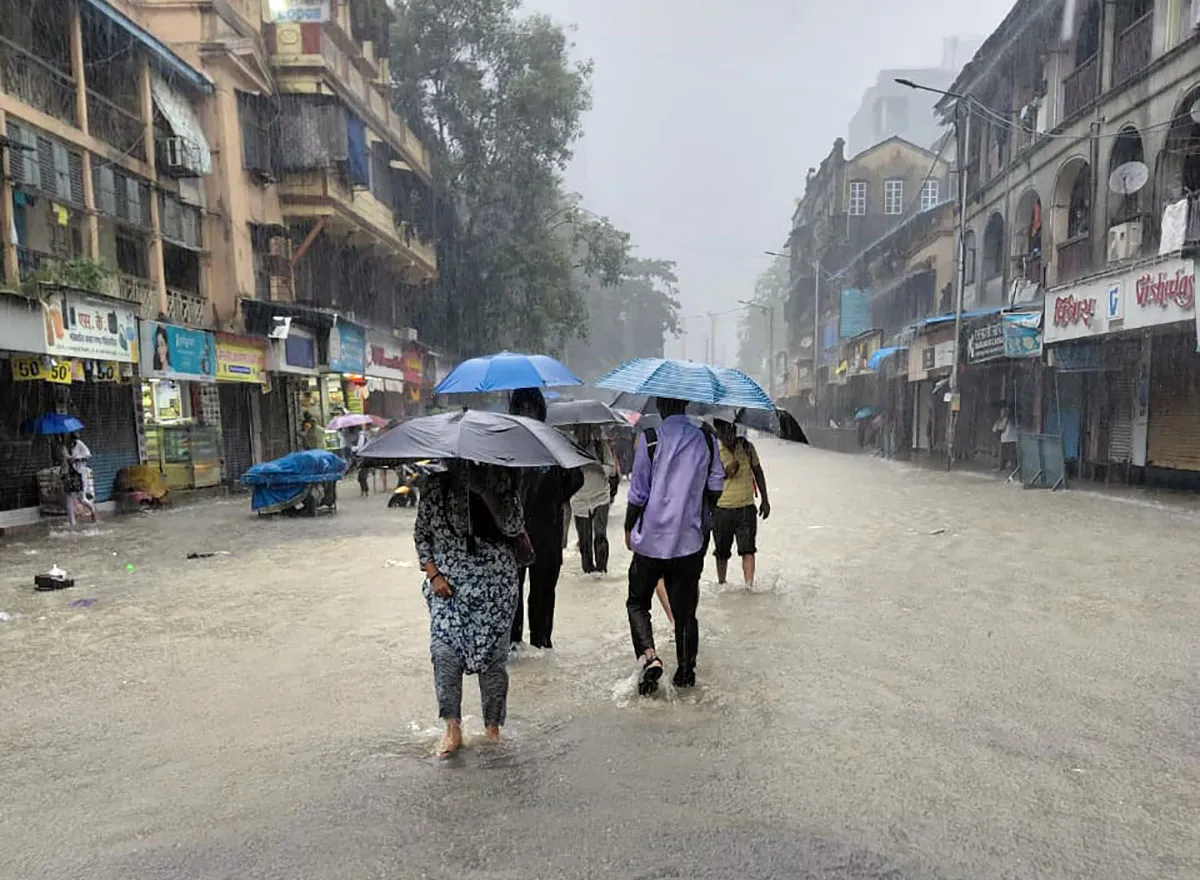
City Grapples With Flooding and Traffic Chaos
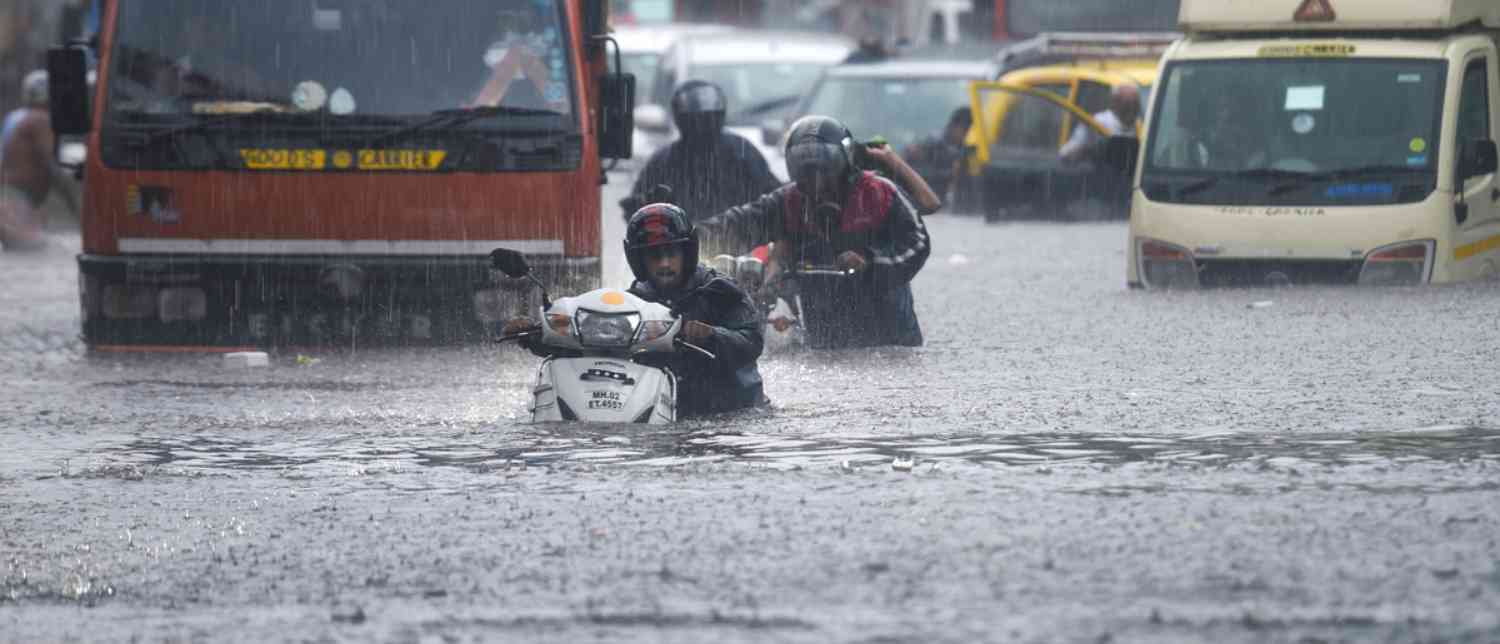
Heavy overnight rainfall left several parts of Mumbai waterlogged, slowing vehicular movement across major roads and causing long traffic snarls during peak hours. Authorities reported flooding in multiple low-lying localities, including Hindmata, Sion, Wadala, Dadar, Parel and Chembur, while commuters faced delays as roads remained submerged.
One of the worst-affected stretches was the Santacruz-Chembur Link Road (SCLR), where a traffic queue stretching nearly 1.5 kilometres was reported after continuous rain reduced visibility and slowed movement. Several underpasses and roads remained inaccessible due to accumulated rainwater, while suburban train services experienced delays on certain routes.
According to rainfall data released by civic authorities, Mumbai city, its eastern suburbs and western suburbs all recorded substantial rainfall within a short span, overwhelming drainage systems in several locations. The Brihanmumbai Municipal Corporation (BMC) also warned residents about the possibility of extremely heavy rainfall accompanied by gusty winds reaching speeds of 50 to 60 kmph.
Adding to the disruption were dozens of incidents involving fallen trees and branches. Civic officials reported nearly a hundred tree-related complaints within a 24-hour period as saturated soil and strong winds uprooted trees across the metropolis. Emergency teams were deployed to clear roads and restore traffic movement, but several areas remained affected for hours.
School Bus Tragedy Sparks Public Outrage
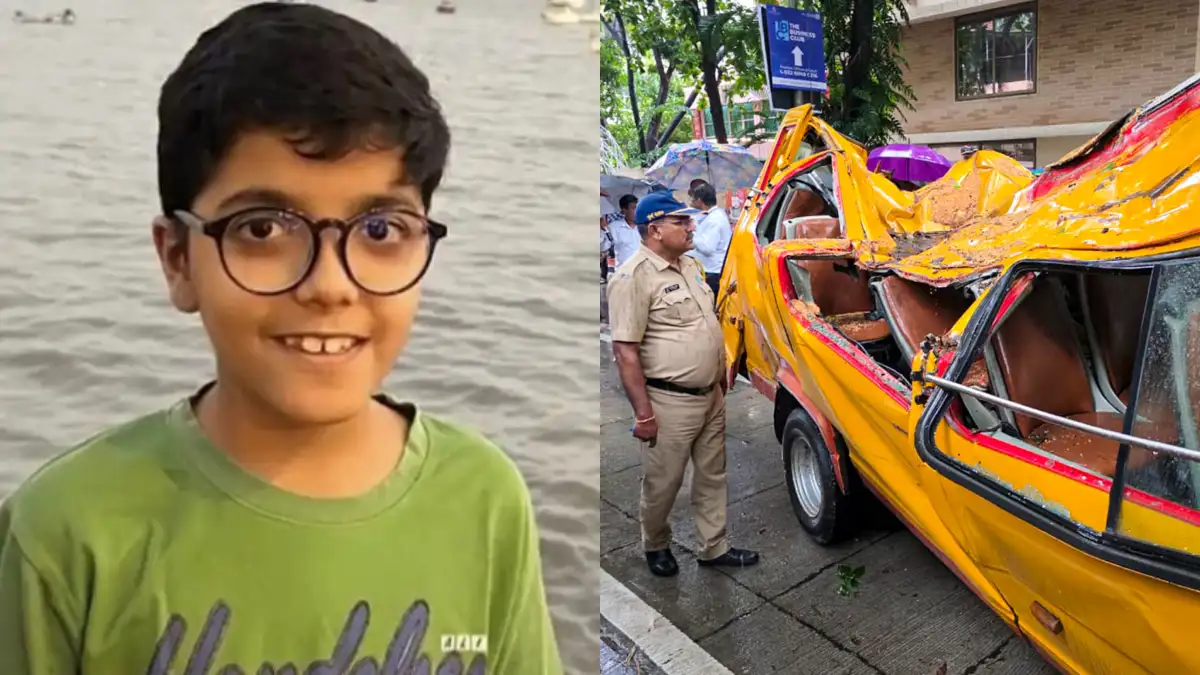
Among the most heartbreaking incidents this monsoon was the death of 11-year-old Vihan Srivastav after a large peepal tree collapsed onto a school bus in Mumbai's Chembur area. Four other children were injured in the accident, prompting widespread outrage and renewed questions about the city's tree inspection and maintenance mechanisms.
Following the tragedy, the BMC suspended an Assistant Garden Superintendent, holding the official prima facie responsible for negligence pending a departmental inquiry. The civic body also constituted a committee to investigate the circumstances surrounding the fatal accident and recommend measures to prevent similar incidents in the future.
Subsequent reports suggested that internal communications had flagged concerns about damage to tree roots caused by roadwork in the area months before the incident. These warnings allegedly highlighted the increased risk of tree collapse during the monsoon, raising questions about whether preventive action could have averted the tragedy.
The incident has once again focused attention on Mumbai's ageing tree population and the challenges involved in balancing urban development with public safety. Every monsoon, uprooted trees become one of the city's most serious hazards, often leading to road closures, damaged vehicles and, in extreme cases, loss of life.
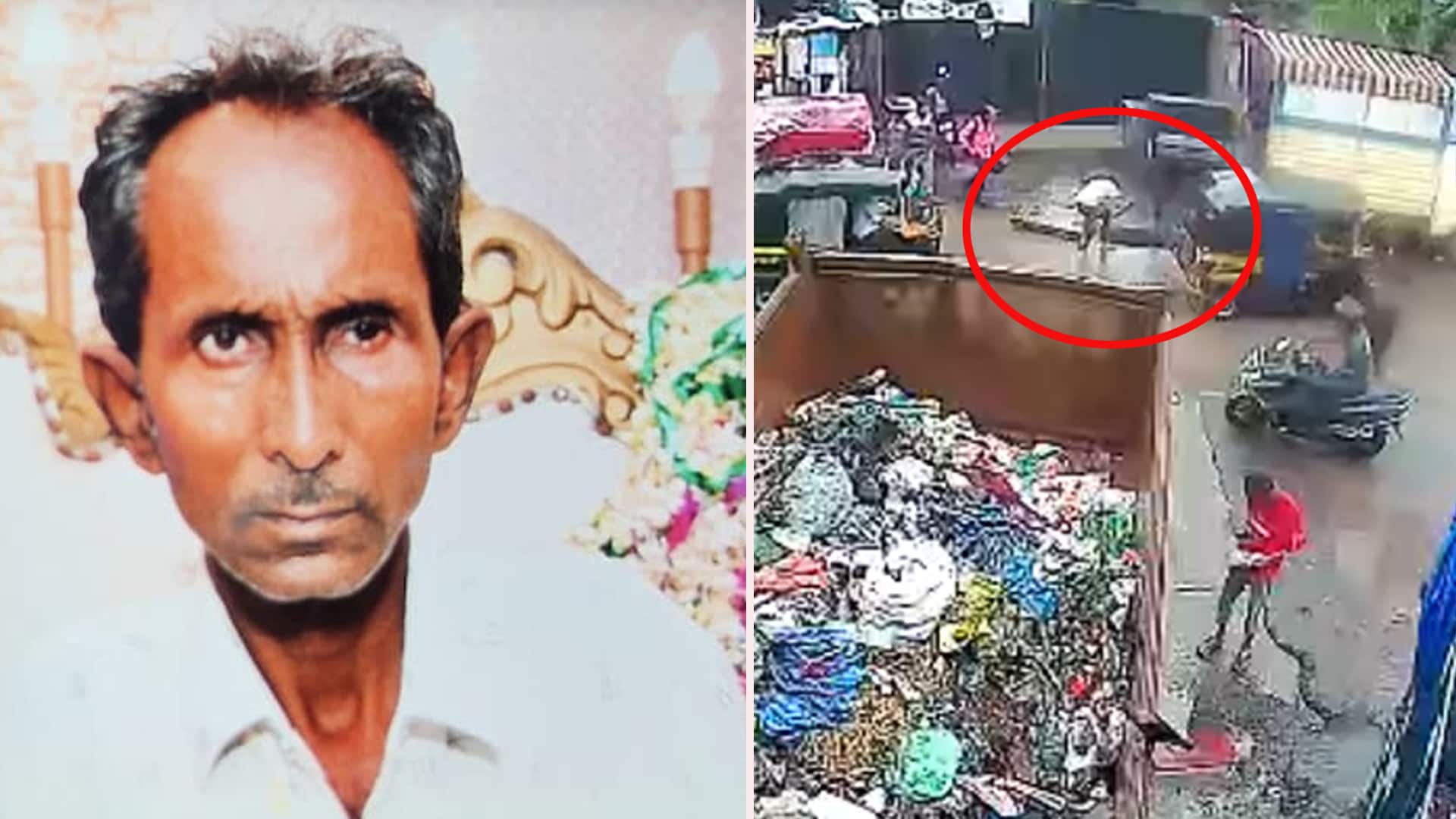
Man Dies After Falling Into Waterlogged Manhole
As heavy rain continued to lash Mumbai, another tragic incident unfolded when a man reportedly fell into an open manhole concealed beneath floodwater. Rescue teams launched an extensive search operation after the victim went missing amid the downpour.
The incident highlighted one of the most dangerous consequences of urban flooding—open drains and manholes becoming invisible beneath murky rainwater. For pedestrians navigating flooded streets, such hazards can prove fatal within seconds.
The tragedy reignited criticism of civic safety measures during the monsoon, with residents questioning whether adequate barricading, warning signs and monitoring systems were in place in flood-prone areas. The accident also renewed calls for stronger preventive measures to ensure uncovered manholes are identified and secured before heavy rainfall events.
Teen Electrocuted in Rain-Hit Thane
The dangers extended beyond Mumbai city limits. In neighbouring Thane, a 17-year-old lost his life after reportedly coming into contact with an electrified object during the rains.
Reports indicated that exposed electrical infrastructure and waterlogged surroundings may have contributed to the fatal electrocution. The incident has drawn attention to concerns over exposed cables, drainage systems and maintenance of electrical infrastructure during periods of intense rainfall.
The teenager's death has intensified public demands for greater accountability from civic authorities and utility agencies responsible for maintaining public infrastructure. Residents have long complained about exposed wiring, damaged electrical installations and poor drainage in several localities, concerns that become significantly more dangerous during the monsoon season.

Monsoon Exposes Infrastructure Gaps
While heavy rainfall is an annual reality for Mumbai, experts have repeatedly argued that the scale of disruption points to persistent shortcomings in urban planning, drainage management and preventive maintenance.
Waterlogging continues to affect many of the same low-lying neighbourhoods every year despite ongoing investments in drainage upgrades. Similarly, recurring incidents involving fallen trees have raised questions about whether existing inspection systems are sufficient to identify structurally vulnerable trees before they become hazardous.
The recent tragedies have also brought attention to coordination between different civic departments responsible for roads, drainage, gardens and electrical infrastructure. In several instances, critics argue that isolated departmental functioning delays preventive action even when risks have already been identified.
For residents, the consequences extend beyond inconvenience. Flooded roads disrupt emergency services, delay office commutes and school transportation, damage vehicles and increase the likelihood of accidents. Open drains hidden beneath floodwater and exposed electrical infrastructure add another layer of risk for pedestrians.
Civic Authorities on Alert
With forecasts predicting continued heavy rainfall, the BMC has appealed to residents to remain indoors unless travel is essential and to avoid waterlogged areas wherever possible. Disaster management teams, fire brigade personnel and road maintenance crews remain on standby to respond to emergencies, while tree-cutting teams have been deployed across the city to clear fallen branches and restore normal traffic movement.
The IMD has warned that intermittent spells of intense rain may continue, accompanied by strong winds capable of uprooting weakened trees and disrupting transportation. Authorities have also urged citizens to stay away from open drains, avoid touching electrical poles or exposed wires during rainfall, and monitor official weather advisories before travelling.
A Familiar Pattern Demanding Long-Term Solutions
For Mumbai, the latest spell of monsoon rain has become more than a weather event—it has once again exposed the vulnerabilities of a city that continues to struggle with ageing infrastructure despite repeated lessons from previous years.
The deaths of an 11-year-old schoolboy, a man who disappeared into a flooded manhole and a teenager electrocuted during the rains have transformed this week's downpour into a stark reminder that extreme weather is often compounded by preventable civic failures.
As investigations continue into individual incidents and accountability is fixed in some cases, residents are likely to expect more than temporary emergency responses. With climate variability increasing the intensity of rainfall events, experts say Mumbai's long-term resilience will depend not only on weather forecasting but also on sustained investment in drainage systems, infrastructure maintenance, tree management and public safety measures that can reduce the human cost of every monsoon.
With inputs from agencies
Image Source: Multiple agencies
© Copyright 2026. All Rights Reserved. Powered by Vygr Media.