 By
By 
A 47-kilometre journey from Greater Noida to Delhi has triggered a difficult question about passenger safety: how could a bus carrying a teenage girl travel across a major Delhi-NCR corridor for so long without meaningful intervention?
The alleged gang-rape of a 16-year-old inside a moving sleeper bus has once again placed public transport safety under intense scrutiny. The incident, which took place on the night of August 4, has drawn comparisons with the 2012 Delhi gang-rape and murder case because of the setting — a woman allegedly assaulted inside a moving bus — but it has also exposed a different and equally troubling problem: the gaps between safety rules existing on paper and their implementation on the ground.
According to the police complaint and details emerging during the investigation, the teenager had travelled from Mainpuri in Uttar Pradesh to meet her cousin in Noida Sector 63. After getting down at Pari Chowk in Greater Noida by mistake during heavy rain, she was still around 25 kilometres from her intended destination.
It was around 9 pm. Alone, wet and in unfamiliar surroundings, she looked for a way to continue her journey. An empty sleeper bus stopped nearby. The conductor allegedly told her that the bus was headed towards Sector 63 and could drop her there.
She boarded.
Instead of taking her towards Sector 63, the bus headed towards Delhi. Police allege that the conductor and driver subsequently assaulted the teenager inside the moving vehicle and threatened her when she resisted. The bus eventually travelled roughly 47 kilometres before the girl was abandoned near the Kashmere Gate area in Delhi.
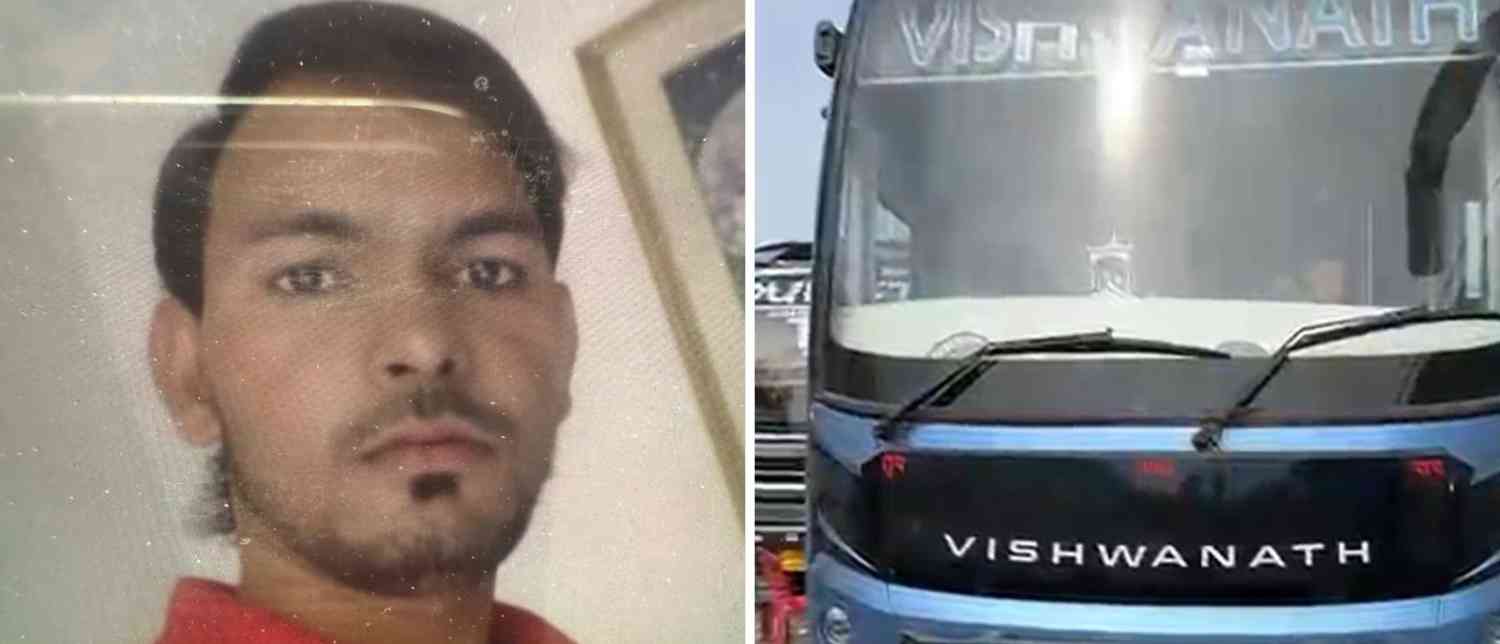
The two accused — identified as driver Kuldeep, 39, and conductor Sandeep, 26 — were arrested from a parking area in north Delhi. The bus was seized and sent for forensic examination as investigators began reconstructing its movements and examining evidence from inside the vehicle.
What happened inside the sleeper bus?
The survivor's account forms a central part of the investigation. According to her statement, the conductor allegedly began behaving inappropriately soon after the bus started moving. She alleged that both men sexually assaulted her and threatened to kill her when she resisted.
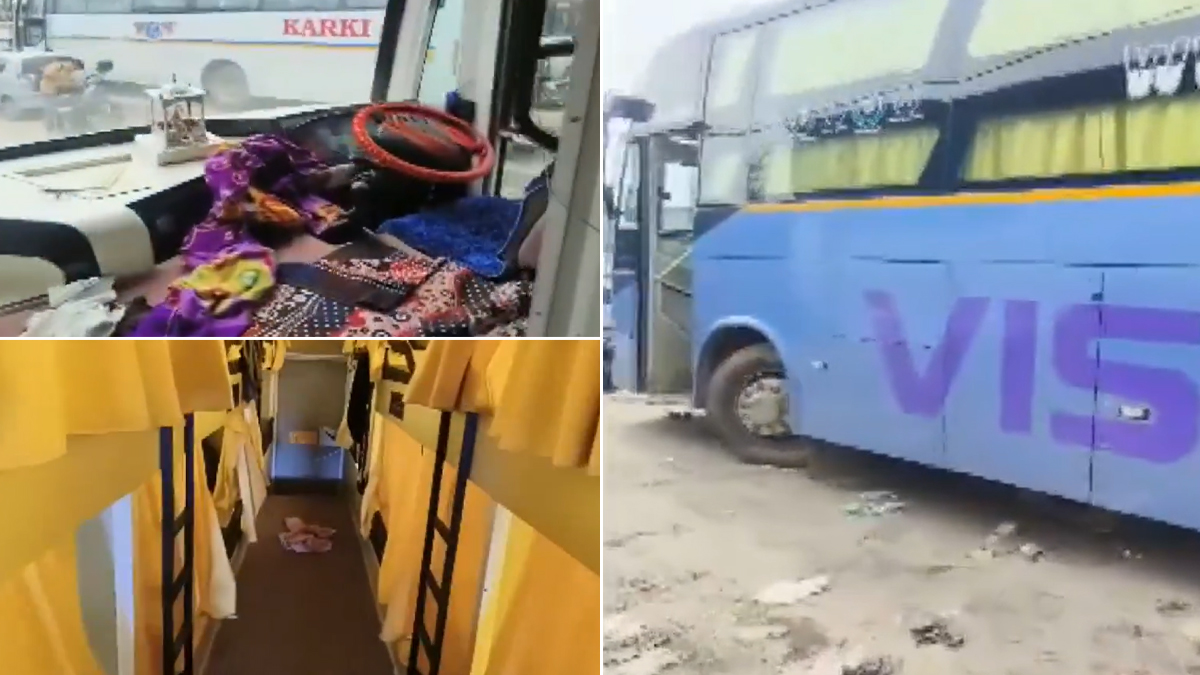
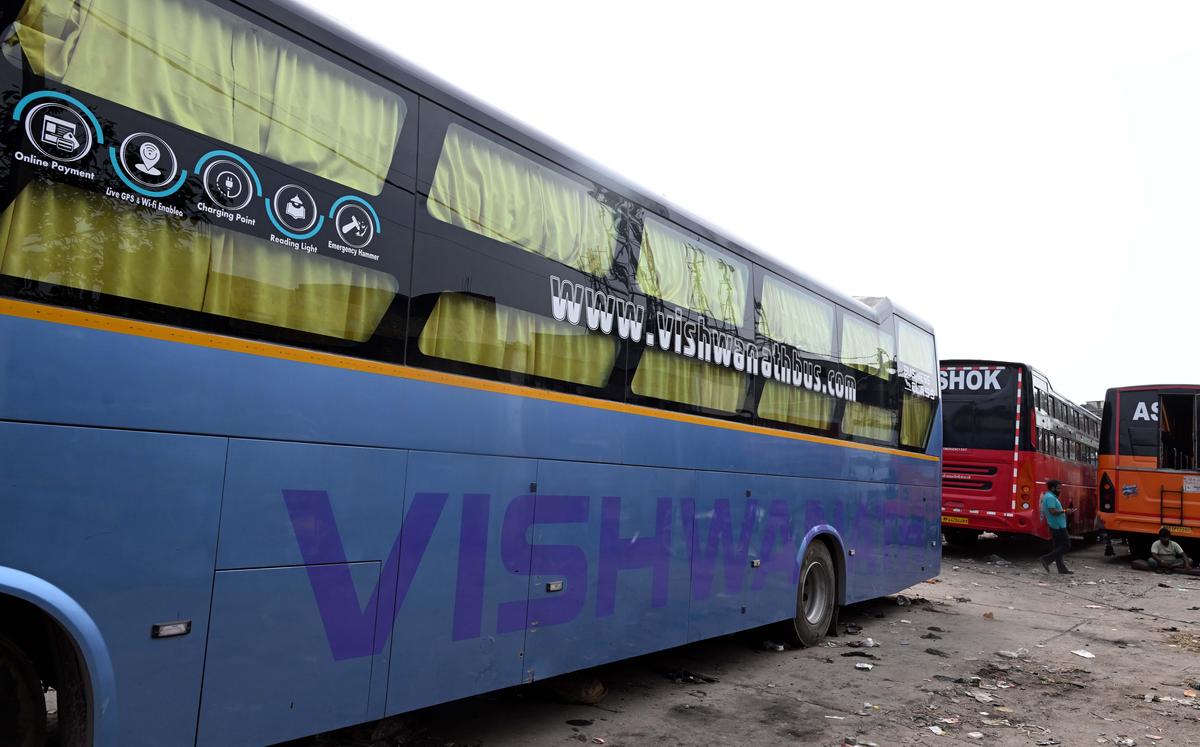
The bus was reportedly empty at the time, making the teenager particularly vulnerable. Reports have also highlighted the presence of curtains around the sleeper berths, which could obstruct visibility from outside.
After the alleged assault, the teenager was left near Ring Road in the Kashmere Gate area. She then reached the police station and reported the incident.
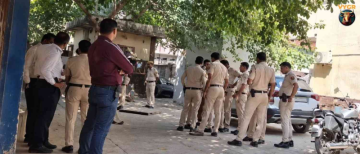
The police response followed quickly. Investigators traced the accused to a bus parking area in Timarpur and took them into custody. The vehicle was seized for forensic analysis, while the route travelled by the bus became an important part of the investigation.
The allegations remain subject to investigation and judicial proceedings, and the accused are presumed innocent unless proven guilty in court.
A bus that was not supposed to be carrying passengers
One of the more significant details to emerge is that the sleeper bus was reportedly not operating a normal passenger service when the teenager boarded it.
Investigators and the travel company indicated that the vehicle had developed a technical problem and had earlier been taken to a workshop in Surajpur, Greater Noida. After repairs, the driver and conductor reportedly took the empty bus towards Delhi.
The teenager encountered the bus near Pari Chowk during that journey.
That detail raises questions beyond the alleged crime itself. If an empty private bus was travelling across a major intercity route late at night, what systems were in place to monitor its movement? Was its location being tracked? Were the vehicle's mandatory safety systems operational? And could authorities have identified that it had deviated from a legitimate passenger route?
These questions have become particularly important because subsequent checks of the route revealed significant surveillance and enforcement gaps.
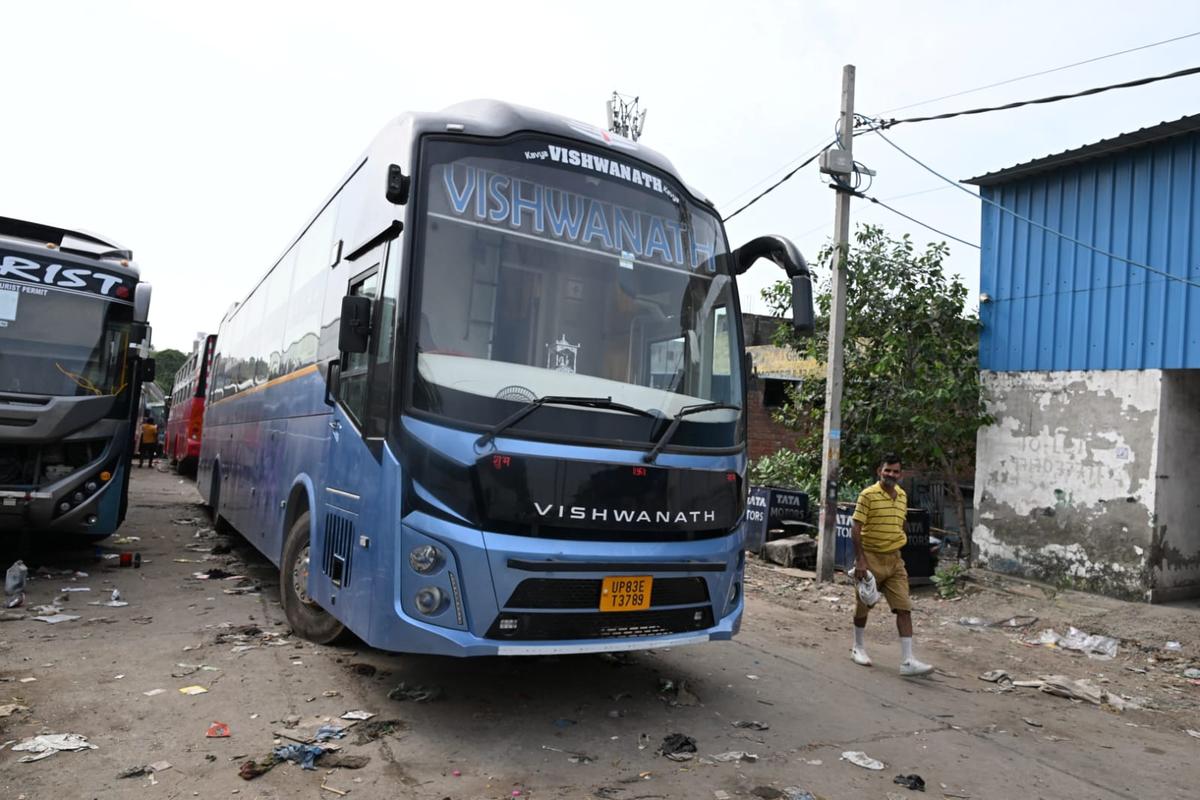
47 kilometres, limited checkpoints and surveillance gaps
A ground assessment of the route between Pari Chowk and Kashmere Gate has brought the security concerns into sharper focus.
The approximately 43-kilometre route assessed by investigators and journalists included major stretches where police infrastructure was either limited or not visibly present. At Pari Chowk, there was a police booth, a PCR van and barricading near the boarding point.
At the Delhi-Noida border near Mayur Vihar, barricading was visible, but no police personnel were present during a daytime check. Authorities have pointed out that this observation alone cannot establish what the deployment was like on the night of August 4. However, the same location also lacked visible CCTV cameras at the traffic signals.
At the other end of the journey, near Kashmere Gate, there was reportedly no visible checkpoint or barricading during the route assessment.
Across the stretch examined, only two checkpoints were identified. Investigators are separately mapping the route, checking available CCTV footage and examining whether the bus was captured at any point during its movement.
The problem is not simply the number of cameras or barricades. It is the absence of a continuous safety net.
A passenger travelling through Delhi-NCR should not have to depend on a single checkpoint to remain visible to authorities. A modern transport-security system needs multiple layers — functional vehicle tracking, working panic buttons, operational CCTV, verified crew, monitored stops and mechanisms capable of flagging unusual movement.
The case has shown how quickly those layers can disappear when even a few safeguards fail.
Why the case has revived memories of Nirbhaya
The similarities with the 2012 Nirbhaya case have inevitably intensified public concern.
Both cases involved alleged sexual violence inside a moving bus in Delhi-NCR, creating a disturbing association with one of the most consequential criminal cases in India's recent history.
The 2012 case resulted in widespread protests, legal reforms and renewed attention to women's safety in public spaces and public transport. Yet the latest incident demonstrates that stronger laws alone cannot guarantee safety if basic preventive mechanisms are poorly implemented.
The issue is especially serious because the survivor in this case is a minor.
Under the Protection of Children from Sexual Offences Act, a person below 18 receives specific legal protection from sexual offences. The Bharatiya Nyaya Sanhita also contains enhanced punishment provisions for gang rape involving minors.
But punishment comes after a crime has occurred. Passenger safety requires intervention before that point.
The bigger question: Were the safeguards actually working?
Following the incident, attention has turned towards mandatory safety equipment that should already exist on buses.
The Delhi government has now ordered operators to ensure that Vehicle Location Tracking Devices and panic buttons remain functional at all times. Panic buttons are also required to be accessible to passengers.
The new directions apply to buses operating in Delhi, including interstate buses. Operators have also been instructed to maintain working fire extinguishers and first-aid kits and ensure that buses are parked during night or idle hours only at authorised, secure and adequately lit locations.
Another major change concerns visibility inside buses.
Curtains and unauthorised films on bus windows have been prohibited. The government has directed operators to maintain prescribed transparency requirements for windshields, rear windows and side windows.
That measure is particularly relevant in the present case because the sleeper bus reportedly had curtains around its berths, potentially limiting visibility from outside.
Driver and conductor verification comes under scrutiny
The incident has also placed the spotlight on the people entrusted with passenger safety.
Under the new directions, drivers and other bus staff are required to undergo verification before deployment. Drivers must possess valid licences and, where applicable, uniforms and PSV badges. Conductors are similarly required to carry valid credentials.
Bus operators have also been instructed to sensitise drivers, conductors and other crew members about preventing harassment and the consequences of misconduct against women passengers.
If a woman passenger faces indecent behaviour, molestation or another offence, bus staff have been directed to immediately alert the police and take the vehicle to the nearest police station, police post or PCR facility, as appropriate.
These requirements may sound basic, but the case illustrates why verification cannot be treated as a paperwork exercise.
A driver's licence confirms eligibility to drive. It does not, by itself, create a safe passenger environment. Verification, accountability, route monitoring and strict operator oversight have to work together.
No unsafe stops, no unfit buses
The new rules also seek to close another potential vulnerability: uncontrolled boarding and alighting.
Buses have been directed to allow passengers to board and get down only at designated stops or authorised locations. Stopping at unsafe or unauthorised places, especially in the middle of roads or at intersections, has been prohibited.
Operators must also ensure that buses possess valid fitness certificates and comply with applicable pollution and traffic requirements.
The directions further require bus doors to remain securely closed while vehicles are moving.
Taken together, these measures point to a broader shift in the way authorities are looking at bus safety — not merely as a question of surveillance, but as a combination of vehicle fitness, crew accountability, passenger visibility, emergency response and route discipline.
The real test begins after the headlines fade
The government's new rules are a direct response to a deeply disturbing case, but their effectiveness will depend on enforcement.
A panic button that does not work is no protection. A tracking device that is installed but inactive offers no real-time safety. A CCTV camera that is missing at a critical junction cannot help reconstruct a journey. A verification requirement that exists only in a register cannot guarantee responsible conduct.
The Greater Noida bus gang-rape case has therefore exposed a larger weakness in the public transport system: safety cannot be measured by how many rules exist. It must be measured by how reliably those rules function when a passenger needs them.
The investigation will determine what happened inside the bus, how the accused allegedly carried out the crime and whether additional lapses contributed to the incident. Police are examining the vehicle, available surveillance footage and the route taken by the bus.
For the survivor, however, the journey that began as an attempt to reach a relative's home became a traumatic ordeal.
For authorities, the case is now a test of whether lessons from yet another horrific incident will translate into everyday safety — on buses, at bus stops, at checkpoints and across the roads connecting Greater Noida with Delhi.
The distance was only about 47 kilometres.
The gaps exposed along the way were much larger.
With input from agencies
Image Source: Multiple agencies
© Copyright 2026. All Rights Reserved. Powered by Vygr Media.