 By

The National Investigation Agency (NIA) is still waiting to hear from China on its request to trace a GoPro camera linked to the April 2025 Pahalgam terror attack, which killed 26 people. NIA Director General Rakesh Aggarwal said on Friday that Beijing has not yet responded to India’s request for details about the US-made device.
What makes the camera particularly significant is the trail it leaves. The agency says it was supplied to a distributor in China and activated there more than a year before the attack. Investigators now want to establish how it travelled from that distributor to the terrorists who carried out the massacre in Jammu and Kashmir.
What the NIA Chief Said
Asked by reporters whether Chinese authorities had replied to the agency’s request, Aggarwal said they had not. He added that investigators do have some forensic evidence, suggesting the probe is continuing without waiting for Beijing.
The camera has become a crucial lead. The NIA wants to know who bought it, how it reached the attackers, and whether it was used in planning or carrying out the attack.
The Camera and Its Trail
The device is a GoPro Hero 12 Black. The NIA approached the US-based manufacturer to establish where it came from and how it was sold. The company told the agency that the camera had been supplied to AE Group International Limited, an authorised commercial distributor based in China. It was activated at Dongguan on January 30, 2024.
The manufacturer also said it had limits on what it could share, as it did not hold information on the device’s end-user records. That gap is what the NIA is trying to fill through China.
How India Made the Request
Because the activation, first use, and commercial trial of the camera lie within China, the NIA told a court that the information needed to trace the purchaser and end-user could only be obtained through the judicial assistance of Chinese authorities.
After the Union Home Ministry cleared the request, a special NIA court in Jammu allowed the agency on March 2 to approach Chinese judicial authorities through a Letter Rogatory. This is a formal request from a court in one country to the judiciary of another. It is forwarded through diplomatic channels, and no reply has come in the months since.
Why the Camera Matters to the Case
The NIA has described the camera as relevant for establishing the pre-attack reconnaissance, movement patterns, and operational preparation of the terrorist module behind the attack. It is alleged to have been used for the recce of the Baisaran Valley before the assault.
If investigators can trace the camera’s purchaser and end-user, it could show how equipment and funds reached the attackers and who in the support network helped them. Officials believe the camera moved from the Chinese distributor to handlers of the Lashkar-e-Taiba, and they are trying to prove each link in that chain.
Other Items of Chinese Origin
The camera is not the only item with a Chinese link. Officials have said that at least two AK-47 rifles recovered from the Baisaran attack site, along with another recovered at the Dachigam encounter site, had originated in China.
It is important to be clear about what this does and does not show. The NIA has said the camera was sold through a commercial distributor, and none of the reports I found allege that the Chinese government was involved. The questions are about the supply chain: who bought the equipment and how it was passed on.

The Attack Itself
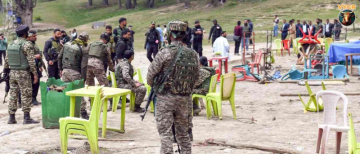
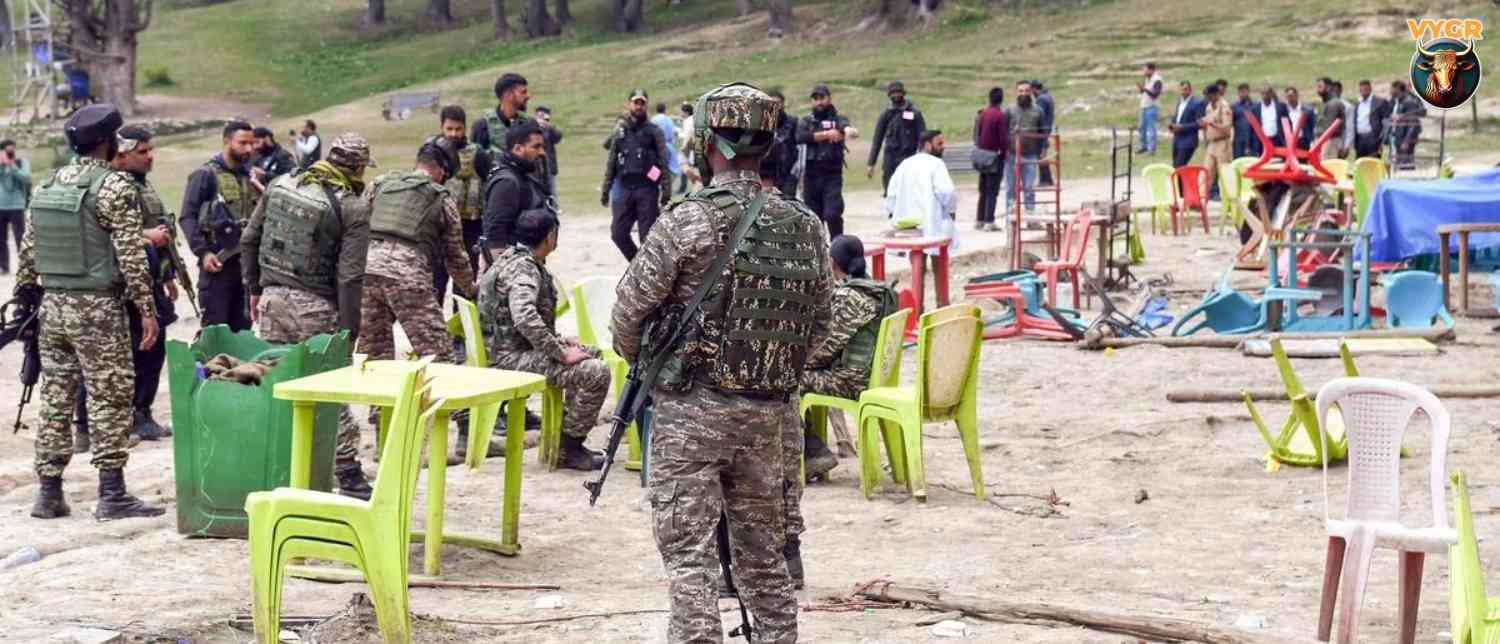
The Pahalgam attack took place on April 22, 2025, at Baisaran Valley, a popular meadow near the town of Pahalgam in Jammu and Kashmir. Twenty-six civilians, including 25 tourists and a local guide, were killed.
According to preliminary findings, the three terrorists fled through the Pahalgam jungles and likely escaped in a vehicle. They took advantage of a window of nearly 40 minutes before security forces could fully understand the scale of the attack. A vehicle bearing a Shopian registration number was spotted on a road leading out of Pahalgam. The camera was among the items recovered from the attackers during the operation against them.
China’s Earlier Reaction
China condemned the attack on April 23, 2025. A few days later, it said it welcomed measures to cool tensions between India and Pakistan and supported a “swift and fair” investigation. Its foreign ministry spokesperson did not directly say whether Beijing would take part in a probe, after Pakistan had proposed that China and Russia be involved.
Some Indian analysts criticised that stance at the time, but the government’s formal request on the camera is a separate matter. It is a legal and investigative request, and the silence so far has not been explained.
What Happens Next
The next steps will depend on several things:
- Whether China responds to the Letter Rogatory, and how fully
- What the NIA’s own forensic evidence adds to the picture
- Whether the agency can trace the camera’s path through other channels, such as payment trails or shipping records
- How the matter is raised at the diplomatic level between India and China
For the families of the victims, the investigation is part of a long wait for accountability. For India and China, the camera is a small but telling test of whether the two countries can cooperate on a terror case.
© Copyright 2026. All Rights Reserved. Powered by Vygr Media.