 By

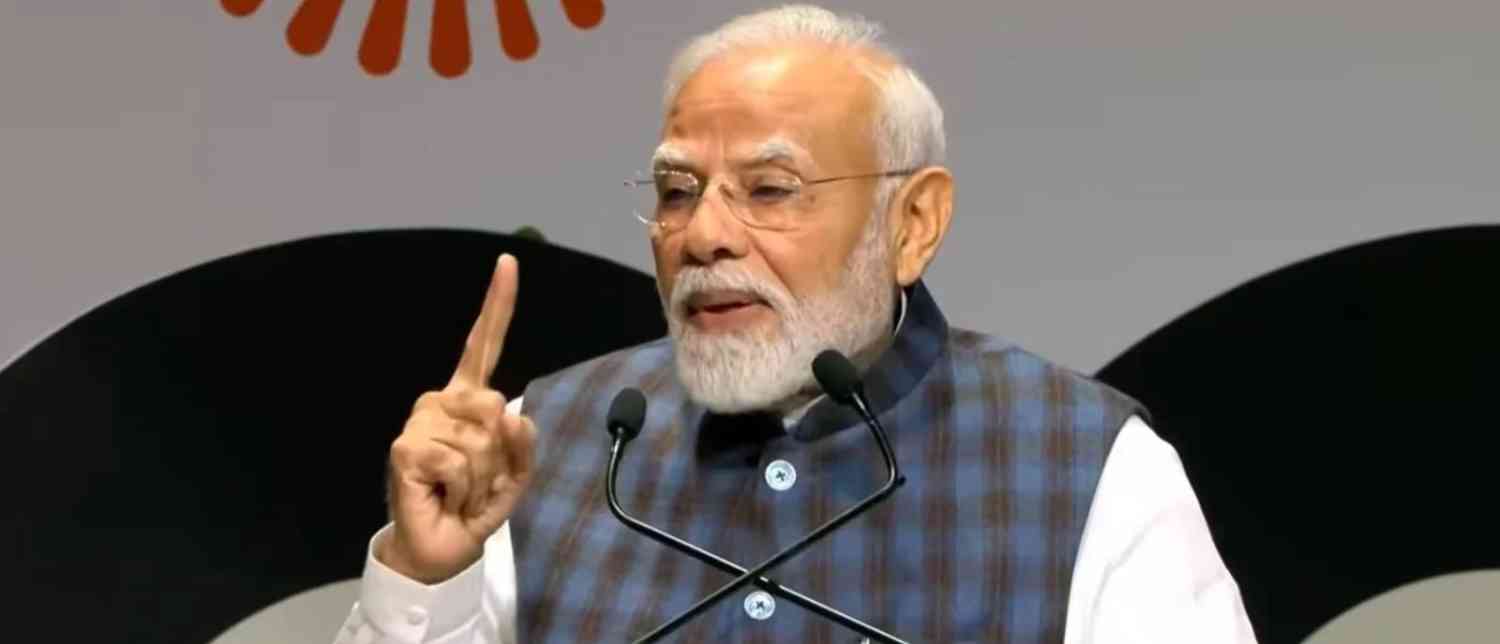
Prime Minister Narendra Modi is set to undertake a major three-state visit on November 21, 2026, with West Bengal, Bihar and Uttar Pradesh on his itinerary. The visit combines infrastructure development, educational milestones and skill development initiatives, with projects worth approximately ₹34,470 crore planned for Bihar alone.
From dedicating the newly constructed Nitish Setu over the Ganga to inaugurating major highway and power projects, the Prime Minister's Bihar programme is expected to mark a significant step towards strengthening the state's infrastructure and public services. His engagements will also include the platinum jubilee celebrations of IIT Kharagpur in West Bengal and the fifth Kaushal Deekshant Samaroh in Lucknow.
The extensive programme highlights the government's focus on improving regional connectivity, expanding energy infrastructure, strengthening urban facilities and promoting employment-oriented skill development.
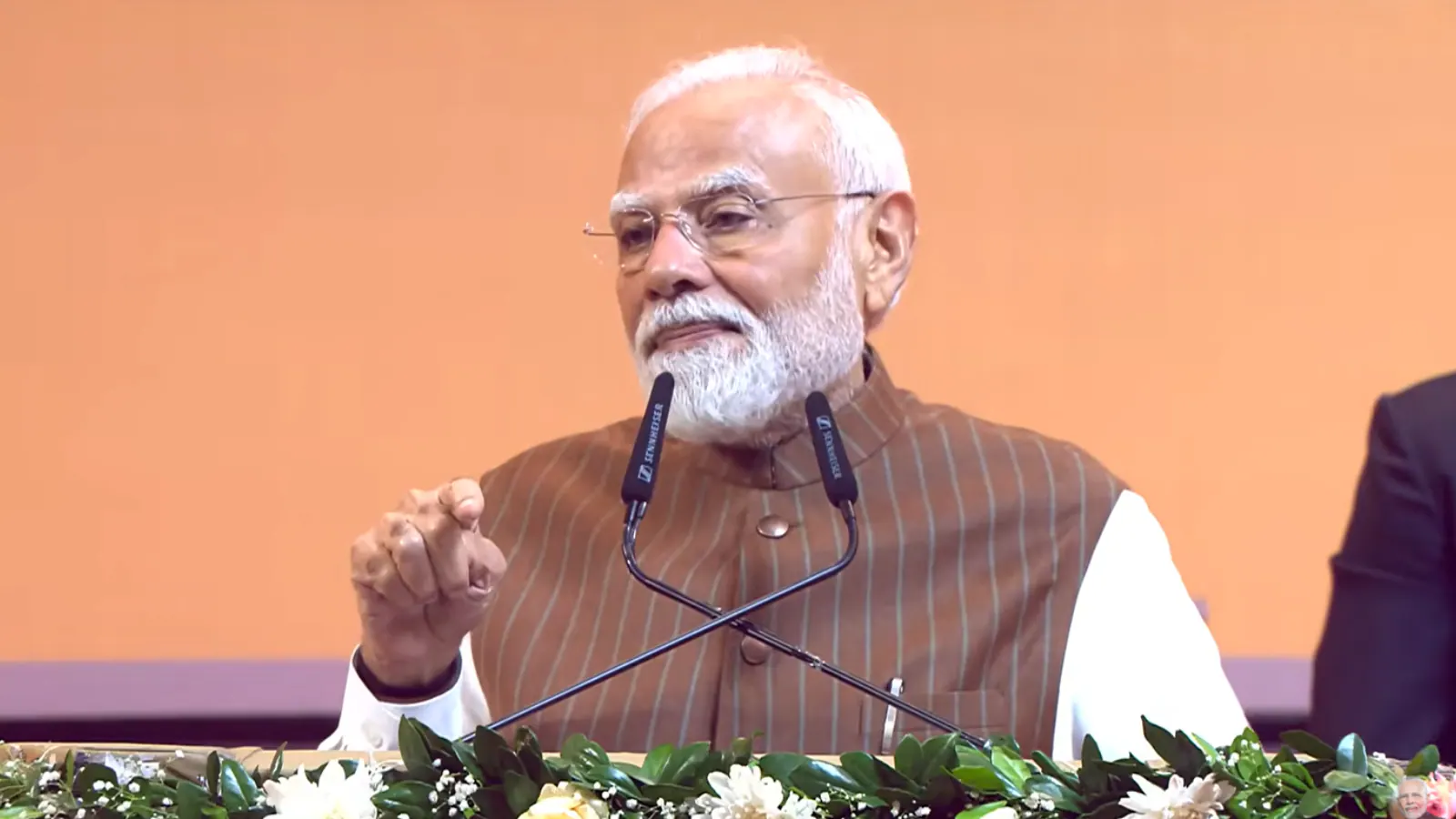
PM Modi's Three-State Visit: Key Highlights of November 21
The Prime Minister's November 21 itinerary covers three states, with a distinct focus on education, infrastructure and skill development.
The first leg of the visit will take place in West Bengal, where Modi will participate in the platinum jubilee celebrations of the Indian Institute of Technology (IIT) Kharagpur. Established in 1951, the institution is celebrating 75 years of its contribution to technical education, scientific research and innovation.
During the programme, the Prime Minister is also scheduled to interact with 75 students, symbolising the institute's 75-year journey.
From West Bengal, he will travel to Bihar, where the main development programme will take place in Vaishali. He will inaugurate and dedicate several projects to the nation, lay foundation stones for new infrastructure initiatives and address a public gathering.
The final leg of the visit will be in Lucknow, Uttar Pradesh, where Modi will attend the fifth Kaushal Deekshant Samaroh at Indira Gandhi Pratishthan in Gomti Nagar.
The programme will recognise outstanding performers in the country's skill development ecosystem, bringing vocational education and professional training into the spotlight.
Bihar to Receive Development Projects Worth ₹34,470 Crore
Bihar will be at the centre of the Prime Minister's November 21 visit, with development projects worth approximately ₹34,470 crore planned across several important sectors.
The projects cover road connectivity, electricity generation and distribution, urban infrastructure, water resources, education, healthcare and transportation. Both completed initiatives and upcoming projects will feature in the programme.
According to the announced schedule, Modi will visit Nitish Setu in Vaishali at approximately 1:15 PM. At around 2 PM, he will inaugurate and dedicate various development initiatives, lay foundation stones for new projects and address a public gathering.
The programme includes infrastructure projects worth more than ₹15,600 crore that are scheduled for inauguration, alongside new initiatives worth approximately ₹14,450 crore for which foundation stones will be laid.
The wide-ranging investment is expected to strengthen Bihar's infrastructure network, improve access to essential services and support economic activity across different regions.
Nitish Setu: A Major Boost to Connectivity Between North and South Bihar
One of the biggest highlights of PM Modi's Bihar visit will be the dedication of Nitish Setu to the nation.
Built at an estimated cost of ₹4,280 crore, Nitish Setu is an extradosed cable-stayed bridge over the River Ganga. Stretching 19.7 kilometres, the project connects Kachhi Dargah on National Highway 22 in Patna district with Bidupur on National Highway 322 in Vaishali district.
The project comprises a 9.7-kilometre main bridge and 10 kilometres of approach roads.
The new bridge will provide an additional crossing over the Ganga, helping ease traffic congestion on the existing Mahatma Gandhi Setu and JP Setu. It is also expected to reduce travel time between North and South Bihar, making daily transportation more convenient for commuters.
The benefits could be particularly significant for residents of Raghopur Diara, who are expected to gain improved connectivity with Patna and easier access to essential services, including healthcare and education.
Beyond passenger transportation, Nitish Setu is expected to support the movement of agricultural produce and industrial goods. Better connectivity can help farmers transport their products to markets more efficiently while enabling businesses to improve the movement of raw materials and finished goods.
By improving access between different parts of the state, the bridge could also encourage trade, commerce and broader economic activity.
Highway Projects to Strengthen Bihar's Road Infrastructure
Road infrastructure is another major component of the ₹34,470 crore Bihar development package.
Among the key projects scheduled for inauguration is the six-laning of the Aurangabad-Chordaha section of National Highway 19. Other important road developments include the Chorma-Bairgania section of NH-227F and the Umagaon-Saharsa section of NH-327.
These projects are expected to improve road capacity, strengthen connectivity between important locations and make transportation more efficient.
In addition to the projects being inaugurated, the Prime Minister will lay the foundation stone for the four-laning of the Sahebganj-Areraj-Bettiah section of NH-139W. The project is estimated to cost more than ₹3,800 crore.
The expansion of national highways is particularly important for a state like Bihar, where improved road networks can support agricultural transportation, industrial development, commercial activities and regional connectivity.
Better roads can also reduce travel difficulties for residents and improve access to educational institutions, hospitals and other essential facilities.
Major Power Projects to Strengthen Bihar's Energy Infrastructure
Energy infrastructure will receive considerable attention during the Prime Minister's Bihar programme.
A key development scheduled for inauguration is Unit 2 of the Buxar Thermal Power Project, which has a capacity of 660 MW. The complete power project has a planned capacity of 1,320 MW.
The inauguration programme will also include electricity transmission and distribution infrastructure projects under the Energy Department.
Among these are the Revamped Distribution Sector Scheme (RDSS) Loss Reduction Works, estimated to be worth more than ₹1,130 crore.
These initiatives are intended to strengthen electricity distribution systems, improve operational efficiency and reduce power losses.
Another significant announcement will be the foundation stone for the power evacuation project associated with the proposed Pirpainti Super Thermal Power Project. The project will have a planned capacity of 3 × 800 MW and is estimated to cost approximately ₹3,350 crore.
The expansion of electricity infrastructure is essential for supporting households, commercial establishments, industries and public institutions. Improved power availability can also contribute to the state's long-term industrial and economic development.
Water Supply, Sewerage and Urban Infrastructure Projects
Apart from highways and electricity, the Bihar development package includes several initiatives aimed at improving urban infrastructure and public services.
The Prime Minister will lay foundation stones for water supply and sewerage projects across multiple urban centres, including Begusarai, Biharsharif, Purnea, Hajipur, Motihari, Danapur, Khagaria, Samastipur, Bodhgaya, Sitamarhi and Saharsa.
These projects are expected to strengthen access to essential urban services and improve sanitation infrastructure.
The programme will also include the restoration and modernisation of canal systems, strengthening of embankments and other water resource management initiatives.
A floating solar project at Phulwaria Dam in Nawada and sewerage infrastructure at Kahalgaon are among the projects scheduled for inauguration.
The emphasis on water management, sanitation and renewable energy reflects the broader scope of Bihar's development programme, which extends beyond transportation and electricity.
Education, Healthcare and Public Service Facilities Get a Boost
The development initiatives will also cover education, healthcare, agriculture, sports and public administration.
Several educational institutions and facilities, including residential schools, engineering and polytechnic institutions, are part of the programme.
The foundation stone will also be laid for the IIT Patna Research Park and hostel facilities. These developments are expected to support academic infrastructure, research activities and opportunities for students.
Other initiatives include improvements to healthcare facilities, agricultural infrastructure, sports facilities and emergency response systems.
Infrastructure for policing and a police data centre will also be among the proposed projects.
Collectively, these initiatives aim to improve the availability and quality of public services while strengthening the institutional infrastructure required for the state's development.
100 PM-eBuses to Promote Cleaner Public Transportation
Public transportation will be another important part of the Bihar programme.
Prime Minister Modi will flag off 100 PM-eBuses in the state as part of efforts to promote cleaner and more sustainable urban transportation.
The introduction of electric buses is expected to support public mobility while encouraging a shift towards cleaner transportation options.
Electric buses can help reduce dependence on conventional fuel-powered vehicles and contribute to lowering transport-related emissions, particularly in urban areas.
The initiative also aligns with broader efforts to modernise public transport systems and make them more environmentally sustainable.
Over 26,900 PMAY Beneficiaries to Receive New Homes
Housing development will also feature prominently during the visit.
The programme will include a Griha Pravesh ceremony for more than 26,900 beneficiaries under the Pradhan Mantri Awas Yojana (Urban).
The ceremony will mark an important milestone for urban families receiving homes under the housing scheme.
Access to permanent housing is a significant aspect of urban development, providing families with greater residential security and improved living conditions.
The initiative adds a direct public welfare dimension to the large-scale infrastructure announcements planned for Bihar.
PM Modi to Attend IIT Kharagpur's 75th Anniversary Celebrations
Before travelling to Bihar, the Prime Minister will participate in the platinum jubilee celebrations of IIT Kharagpur.
Established in 1951, IIT Kharagpur was the first Indian Institute of Technology to be established in the country. Over the decades, it has emerged as an important centre for engineering education, scientific research and technological innovation.
The Prime Minister is scheduled to attend the celebrations at approximately 9:45 AM and interact with 75 students.
The occasion highlights the contribution of premier educational institutions to India's technological advancement and the development of skilled professionals.
Kaushal Deekshant Samaroh in Lucknow to Recognise 52 National Toppers
The final leg of the Prime Minister's three-state visit will take place in Uttar Pradesh.
Modi is scheduled to participate in the fifth Kaushal Deekshant Samaroh at Indira Gandhi Pratishthan in Gomti Nagar, Lucknow, at approximately 5:30 PM.
The annual event recognises achievements across India's skill development ecosystem and celebrates individuals who have demonstrated excellence in vocational education and professional training.
This year's ceremony will felicitate 52 national-level toppers from Industrial Training Institutes (ITIs), National Skill Training Institutes (NSTIs) and Institutes for Training of Trainers (IToTs).
Instituted during the 2021-22 academic session, the Kaushal Deekshant Samaroh provides a national platform to recognise vocational training achievements and highlight the importance of practical skills in building India's workforce.
The programme also reinforces the importance of skill development in improving employability and preparing young people for opportunities across different industries.
A Major Push for Infrastructure, Education and Economic Development
Prime Minister Narendra Modi's November 21 visit to West Bengal, Bihar and Uttar Pradesh brings together three important development priorities: infrastructure expansion, educational advancement and skill development.
While the ₹34,470 crore development package in Bihar is the central highlight, projects such as Nitish Setu, highway expansion, power infrastructure, urban water supply and public transportation address several long-standing infrastructure requirements.
The initiatives planned in West Bengal and Uttar Pradesh further underline the importance of educational institutions and vocational training in India's development journey.
The long-term impact of these announcements will depend on effective project execution, timely completion and the delivery of intended public benefits. If implemented as planned, the initiatives could improve connectivity, strengthen essential services, create better opportunities for businesses and contribute to economic growth across the region.
© Copyright 2026. All Rights Reserved. Powered by Vygr Media.