
 By
By 
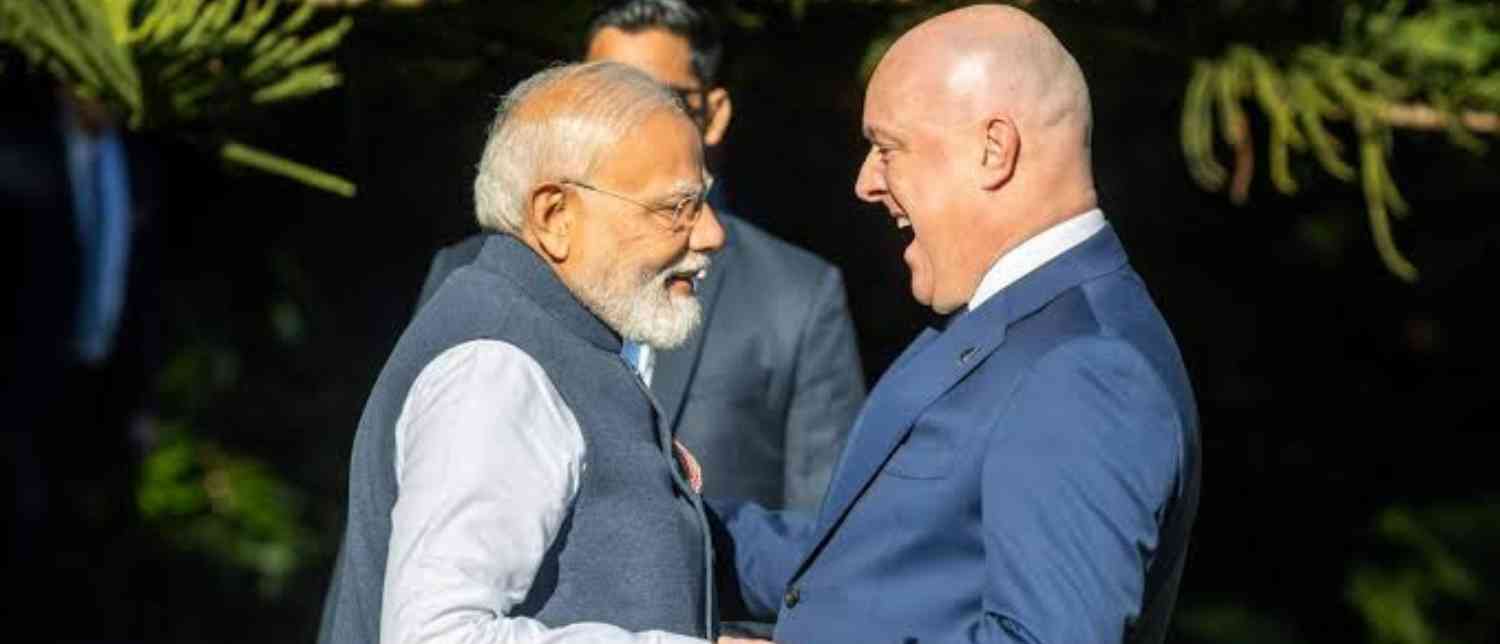
Auckland: Prime Minister Narendra Modi’s landmark visit to New Zealand has emerged as a defining moment in India-New Zealand relations, with both nations announcing a comprehensive strategic partnership, reaffirming their commitment to stronger economic and security cooperation, and highlighting the significance of a recently concluded Free Trade Agreement (FTA). The visit, the first by an Indian Prime Minister to New Zealand in four decades, also attracted attention over questions surrounding the Prime Minister’s media engagement during an official briefing.
The high-profile visit underscored the growing convergence between the two democracies at a time when geopolitical dynamics in the Indo-Pacific are rapidly evolving. Alongside trade and investment, discussions focused on defence cooperation, maritime security, technology, education, mobility, and people-to-people ties, reflecting the broadening scope of the bilateral relationship.
Strategic Partnership Takes Centre Stage
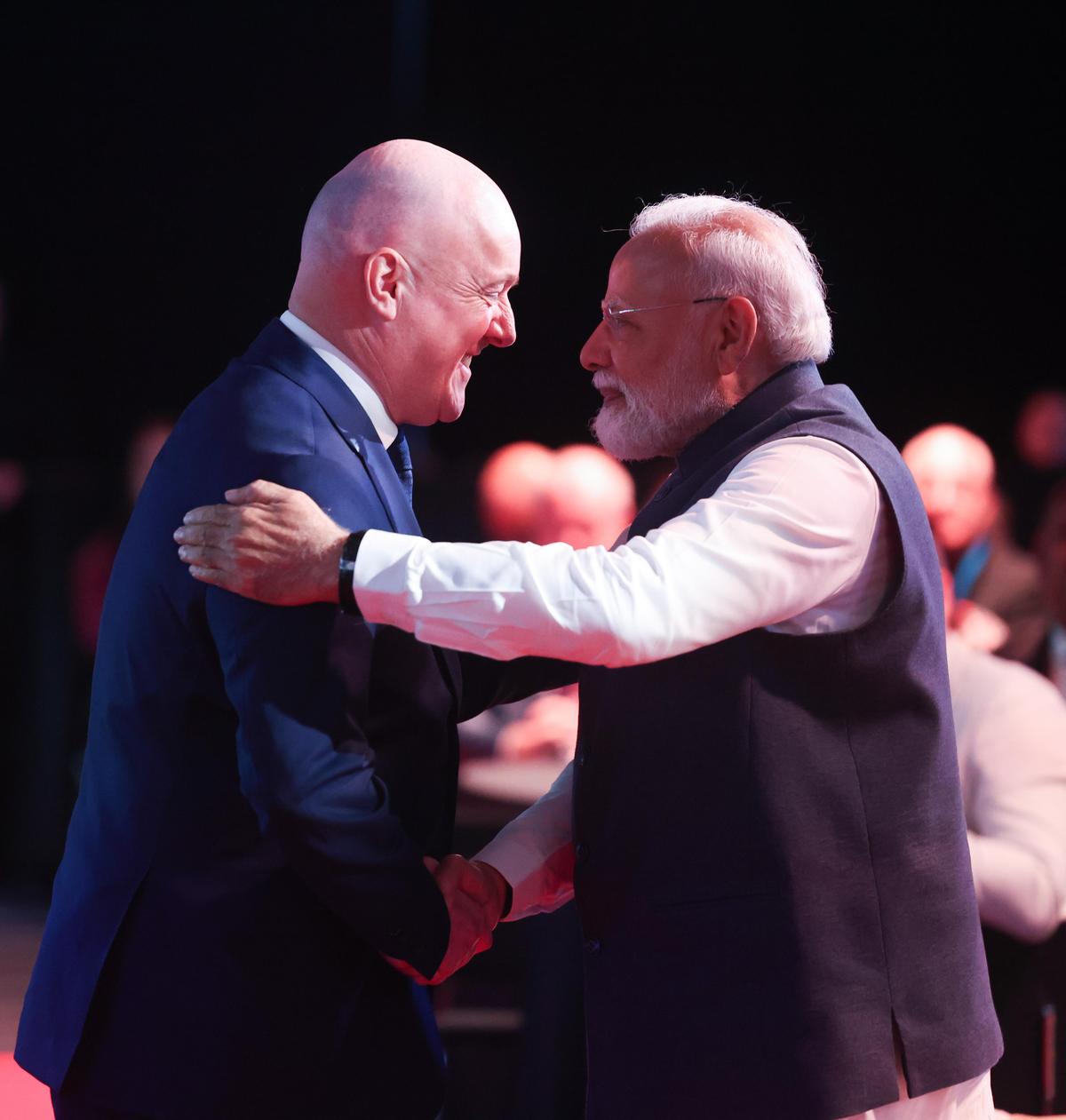
One of the biggest outcomes of the visit was the elevation of India-New Zealand ties to a strategic partnership. The move signals a shift from a relationship primarily centred on trade and diaspora links to one encompassing defence, regional security, and long-term strategic cooperation.
Prime Minister Modi and his New Zealand counterpart Christopher Luxon agreed on a roadmap aimed at strengthening collaboration across several sectors. Both countries reaffirmed their shared commitment to a free, open, secure, and prosperous Indo-Pacific while pledging closer coordination on maritime safety and regional stability.
The partnership also reflects increasing alignment between India and New Zealand on global issues, including resilient supply chains, emerging technologies, climate action, and economic diversification. Analysts view the development as part of India's broader strategy of expanding partnerships across the Indo-Pacific while New Zealand seeks to diversify its economic and strategic engagements.
Historic Trade Agreement Receives Fresh Push
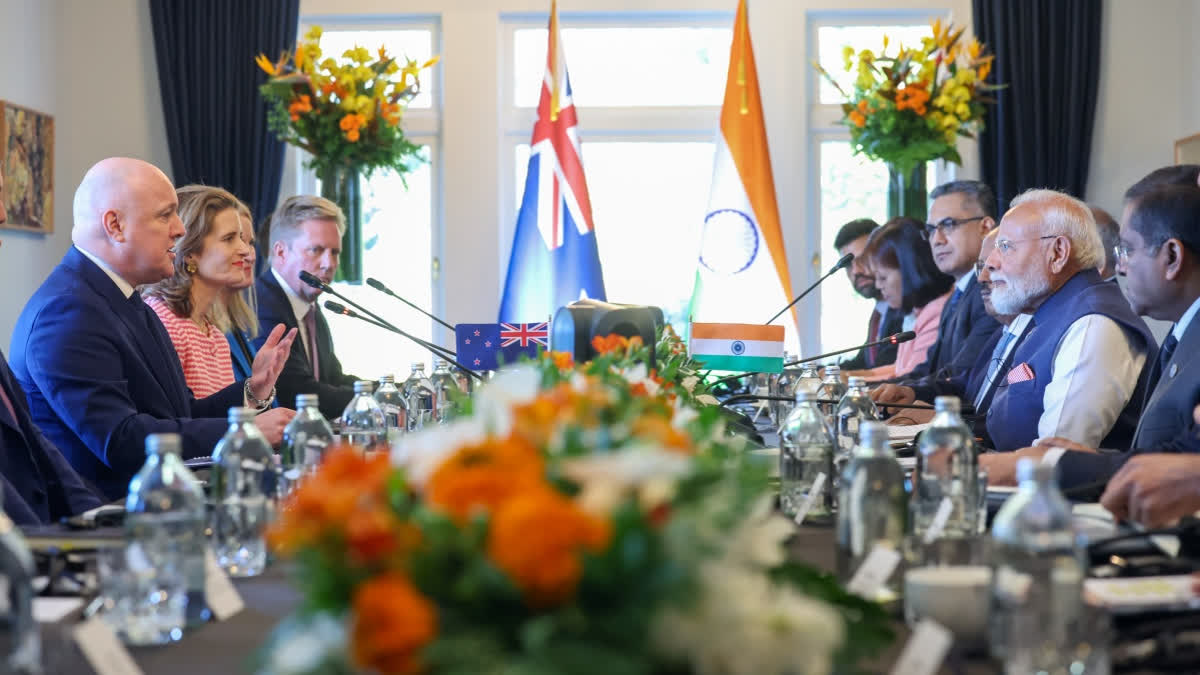
Economic cooperation formed the cornerstone of the discussions, with the India-New Zealand Free Trade Agreement emerging as a major highlight.
Calling the agreement a "historic milestone," Prime Minister Modi said it represented a transformational moment in bilateral relations and would unlock new opportunities for businesses, investors, professionals, and consumers in both countries.
The agreement significantly liberalises trade between the two nations. New Zealand gains expanded access for a large share of its exports to India, while Indian exporters benefit from improved market access across sectors such as textiles, engineering goods, gems and jewellery, leather products, pharmaceuticals, and information technology services.
The pact is also expected to boost investments, facilitate greater mobility for skilled professionals, encourage educational exchanges, and strengthen innovation partnerships.
Beyond trade in goods, both governments see the agreement as a platform for deeper cooperation in digital technologies, clean energy, food processing, agriculture, healthcare, and advanced manufacturing.
Business leaders from both countries have welcomed the deal, viewing it as a catalyst for increasing bilateral trade volumes that have historically remained below their potential despite strong diplomatic ties.
Defence and Security Cooperation Expands
Security cooperation emerged as another key pillar of the visit.
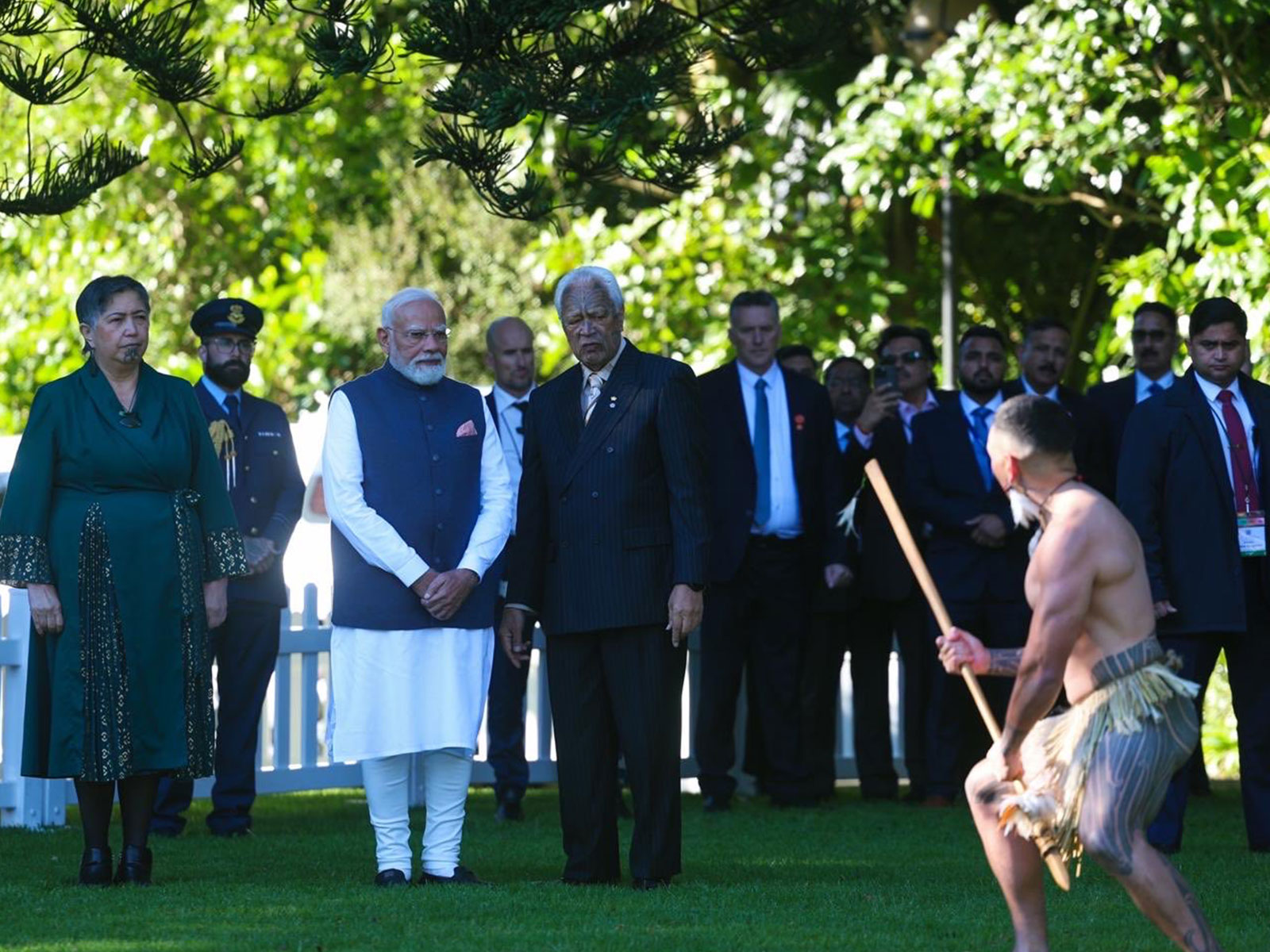
India and New Zealand agreed to enhance collaboration in defence, maritime domain awareness, and regional security. The two countries are expected to increase engagement between their defence establishments, strengthen naval cooperation, and improve information sharing in the Indo-Pacific.
Given the strategic importance of the region, both governments acknowledged the need to work together to uphold international law, freedom of navigation, and secure maritime routes.
The expanded defence engagement also reflects India's growing partnerships with like-minded democracies seeking greater stability across the Indo-Pacific.
Investment, Innovation and Education in Focus
Apart from trade and security, discussions placed significant emphasis on future-oriented sectors.
The two leaders highlighted opportunities in artificial intelligence, digital innovation, renewable energy, agriculture, biotechnology, and space cooperation. New Zealand's strengths in agricultural technology and India's expanding digital economy present opportunities for mutually beneficial partnerships.
Education also featured prominently during the discussions. Both countries expressed interest in expanding academic collaborations, increasing student exchanges, and facilitating research partnerships between universities and innovation institutions.
Mobility for professionals and skilled workers is another area expected to benefit from the broader economic partnership, helping businesses in both countries access specialised talent.
Strong Diaspora Continues to Act as Bridge
Prime Minister Modi also interacted with members of the Indian community in Auckland, praising the Indian diaspora for serving as a living bridge between the two nations.
The Indian-origin community has become one of New Zealand's fastest-growing and most influential immigrant groups, contributing significantly across business, healthcare, education, technology, and public service.
During his address, Modi described the relationship between India and New Zealand as being rooted in shared democratic values, mutual respect, and expanding cultural connections. He emphasised that the futures of both countries are increasingly interconnected through trade, innovation, education, and people-to-people exchanges.
The diaspora has long played an important role in strengthening bilateral engagement by encouraging tourism, investment, educational collaboration, and business partnerships.
Journalist's Question on Press Conferences Draws Attention
While the visit was largely dominated by discussions on strategic cooperation and economic ties, one exchange during an official media briefing attracted widespread attention.
During an interaction with Indian diplomats, a New Zealand journalist asked why Prime Minister Modi does not hold press conferences.
Responding to the question, India's High Commissioner to New Zealand, Rudrendra Tandon, said the Prime Minister prefers maintaining direct communication with citizens rather than relying solely on conventional press interactions.
He described Modi as a leader who believes in engaging directly with people through public outreach and multiple communication platforms, adding that this approach reflects his political style.
The response quickly generated discussion both in India and internationally, as questions regarding the Prime Minister's media interactions have surfaced on previous overseas visits as well.
Despite the moment attracting headlines, the exchange remained separate from the substantive diplomatic agenda, which continued to focus on strengthening bilateral cooperation.
Why the Visit Matters
The significance of Modi's New Zealand visit extends well beyond ceremonial diplomacy.
It represents the first visit by an Indian Prime Minister to New Zealand in approximately 40 years, highlighting renewed momentum in a relationship that has gained increasing strategic importance.
For India, New Zealand offers an important partner in the South Pacific and the wider Indo-Pacific region, complementing New Delhi's efforts to deepen engagement with democracies across the Asia-Pacific.
For New Zealand, closer ties with India provide opportunities to diversify export markets, attract investment, strengthen technological collaboration, and expand access to one of the world's fastest-growing major economies.
The strategic partnership also comes amid broader shifts in global supply chains, increasing geopolitical competition, and growing emphasis on trusted economic partnerships.
Looking Ahead
The agreements announced during the visit lay the foundation for a more comprehensive relationship that extends beyond traditional diplomacy.
With the Free Trade Agreement providing economic momentum and the newly announced strategic partnership broadening cooperation into defence, technology, education, and regional security, both countries appear committed to building a long-term partnership aligned with changing global realities.
While the journalist's question regarding press conferences briefly captured public attention, it was ultimately the broader diplomatic achievements—including strengthened strategic cooperation, expanded defence engagement, and enhanced economic integration—that defined the visit.
As India and New Zealand move to implement the commitments announced in Auckland, the relationship appears poised to enter its most ambitious phase yet, driven by shared democratic values, complementary economic interests, and an increasingly important role in shaping the future of the Indo-Pacific.
With input from agencies
Image Source: Multiple agencies
© Copyright 2026. All Rights Reserved. Powered by Vygr Media.