 By
By 
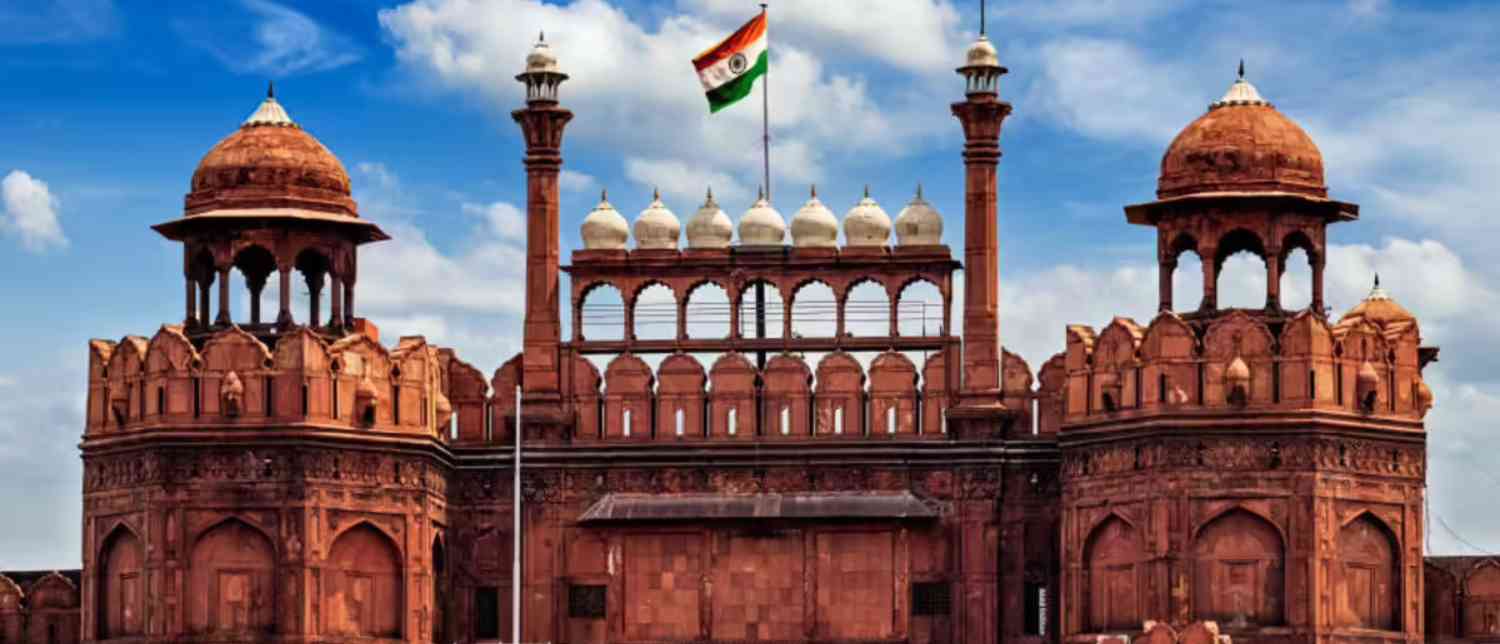
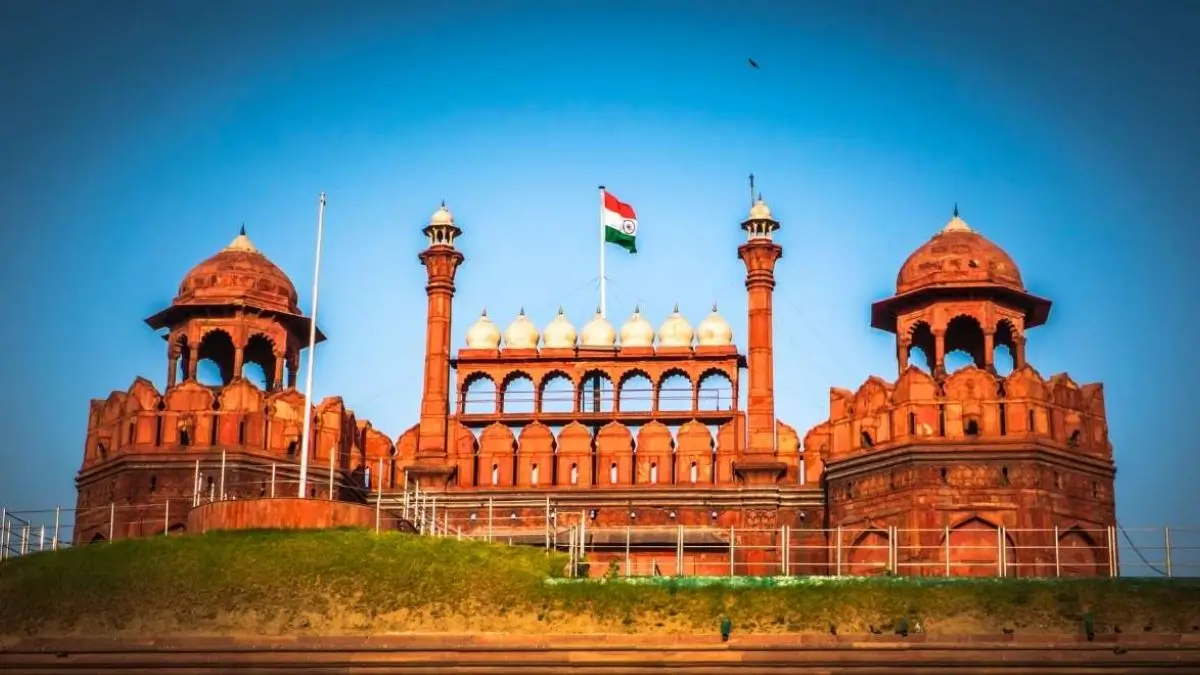
New Delhi: India’s 80th Independence Day celebrations at the Red Fort will witness a significant change in the traditional ceremonial sequence this year, with Vande Mataram set to be sung before the National Anthem during the August 15 programme.
The national song will be performed as Prime Minister Narendra Modi arrives at the ramparts of the Red Fort, after which he will unfurl the National Flag. The National Anthem will then be played, followed by the Prime Minister’s customary address to the nation.
According to the government, this will be the first time Vande Mataram is being incorporated into the Independence Day ceremony at the Red Fort in this particular sequence. The decision comes as the country marks 150 years of Vande Mataram, giving the song an especially prominent place in this year’s celebrations.
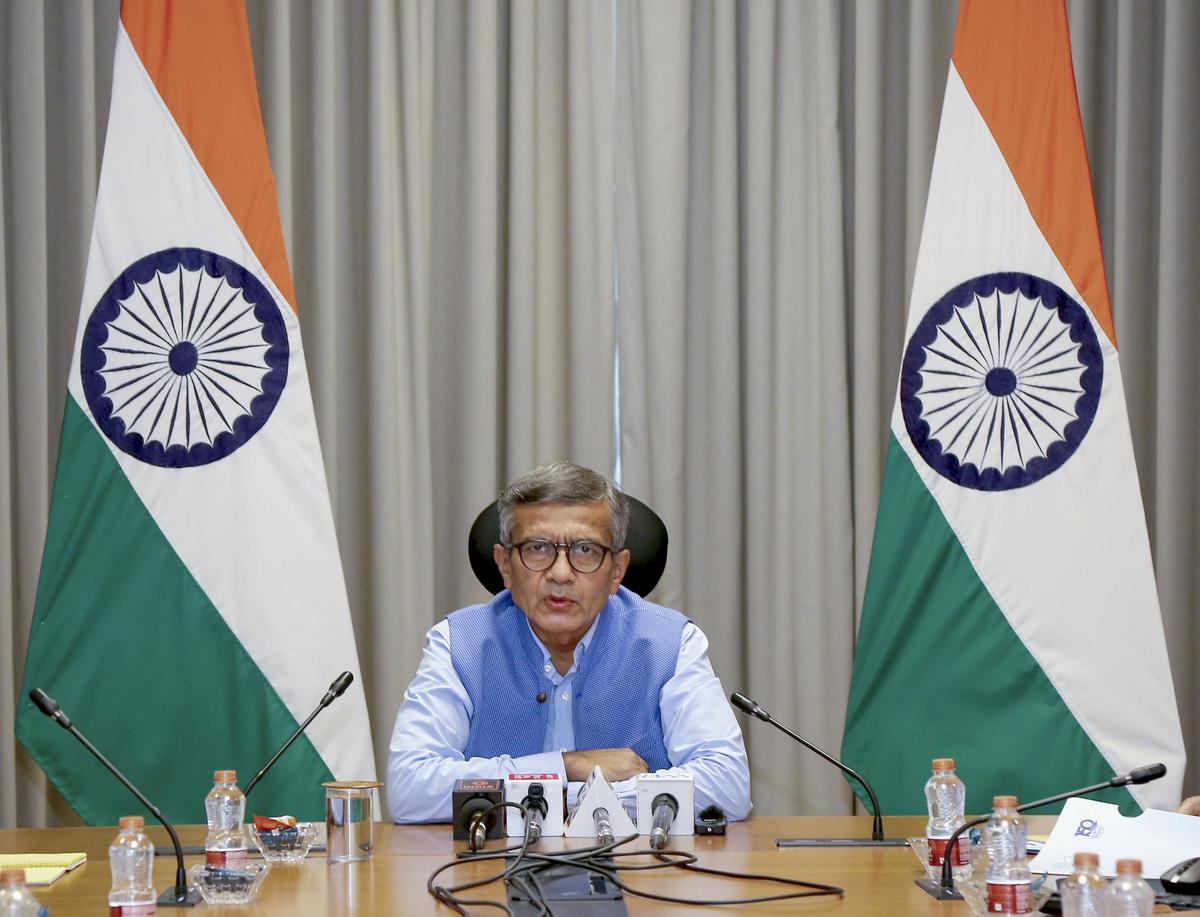
Defence Secretary R K Singh announced the ceremonial plan while briefing the media on preparations for the 80th Independence Day. He said the sequence had been deliberately planned to coincide with the 150th anniversary of the national song, originally penned by Bankim Chandra Chattopadhyay.
“This is the first time we are doing it with that sequence,” Singh said, explaining that the Prime Minister’s arrival on the ramparts would be followed by the national song, the unfurling of the flag and then the National Anthem.
Why Vande Mataram Is Being Given a Prominent Place This Year
The government’s decision is closely linked to the 150-year milestone associated with Vande Mataram. The song, which became an important cultural symbol during India’s freedom struggle, has long occupied a distinctive place in the country’s national life.
This year, however, its presence at the Red Fort carries additional significance. The government has chosen to make the song part of the opening sequence of the main Independence Day ceremony rather than limiting it to other commemorative or cultural programmes.
The move also comes amid a renewed public and political discussion over the status and treatment of Vande Mataram. The Bharatiya Janata Party has argued that the national song deserves the same level of respect as the National Anthem, Jana Gana Mana. The party has also advocated greater recognition of the complete composition rather than the customary practice of singing only selected portions.
The issue has not been without controversy. Some Muslim organisations have objected to the singing of the full composition, pointing to references to Hindu deities in portions of the song and arguing that those verses conflict with their religious beliefs.
The government’s move therefore places Vande Mataram at the centre of this year’s Independence Day programme at a time when its historical, cultural and political significance is once again being debated.
Ceremony to Begin With Vande Mataram
The sequence planned for August 15 is particularly notable.
Prime Minister Modi will arrive at the Red Fort and proceed to the ramparts, where Vande Mataram will be played while those present remain standing. He will then unfurl the National Flag, following which the National Anthem will be played.
The Prime Minister will subsequently deliver his Independence Day address to the nation.
The change does not replace the National Anthem. Instead, Vande Mataram has been positioned immediately before it, creating a ceremonial sequence that gives both national symbols a defined place in the proceedings.
The timing also makes this year’s programme distinct from previous Independence Day ceremonies at the Red Fort.
Youth Power to Be Central Theme of Independence Day 2026
Beyond the musical and ceremonial change, this year’s Independence Day celebrations will place a major emphasis on Yuva Shakti, or youth power.
The government has framed the celebrations around the contribution of young Indians to the goal of building a Viksit Bharat by 2047. Young achievers from fields including science, innovation, entrepreneurship, skills and public service will receive special recognition during the event.
Among those invited are 19 medal-winning students from the 2026 International Physics, Chemistry, Biology and Mathematical Olympiads. They will be seated on the ramparts during the ceremony, highlighting India’s achievements in science and academic competition.
Other young guests include innovators, startup founders, participants in the Prime Minister’s Internship Scheme, beneficiaries of the Pradhan Mantri Kaushal Vikas Yojana, volunteers associated with MY Bharat and young entrepreneurs supported through the Startup India Seed Fund.
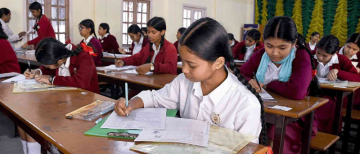
Students from Delhi government schools who have been selected through quizzes and competitions will also attend as special guests.
The focus on young Indians comes at a politically significant moment, following recent student-led protests over examination irregularities and alleged paper leaks.
However, the government has rejected any suggestion that the Independence Day theme was introduced in response to those protests.
Government Says Youth Theme Predates Student Protests
Defence Secretary R K Singh specifically addressed questions about the timing of the youth-focused theme during his media briefing.
He said the plan to recognise young people and their achievements had been prepared before the recent student agitation at Jantar Mantar.
According to Singh, the government’s focus on youth stems from the broader role young Indians are expected to play in achieving the Viksit Bharat objective by 2047.
“Youths are a critical part of our journey towards Viksit Bharat,” Singh said, adding that young people would both contribute to and benefit from the country’s development journey.
The government’s presentation of the theme consequently seeks to place the celebrations within a longer-term development narrative rather than linking them directly to the recent protests.
Viksit Bharat Vision to Feature at Red Fort
The Independence Day programme will also showcase India’s development journey towards 2047.
Visual displays around the Guard of Honour area are expected to highlight progress in areas including nuclear technology and space, reflecting the broader Viksit Bharat @2047 vision. The invitation card for the ceremony prominently features Seva Teerth, another element associated with the government’s emphasis on public service and national development.
The government has also introduced a symbolic change in the naming of seating enclosures at the Red Fort. While major rivers were used to identify enclosures during this year’s Republic Day celebrations, the Independence Day enclosures will be named after major Indian lakes.
Officials said the change is linked to the emphasis on water conservation and is also intended to move away from conventional VIP-centric arrangements.
Around 5,000 special guests from different walks of life have been invited for the celebrations, according to the Defence Ministry.
Vande Mataram's Wider Political and Legal Significance
The prominence given to Vande Mataram at the Red Fort also comes against the backdrop of recent political developments.
Parliament recently passed legislation providing legal protection against insults to the national song, placing it on a stronger statutory footing. The move prompted a political debate, with the DMK opposing the legislation and alleging that the government was using the song to create divisions. The BJP defended the measure, arguing that it would reinforce respect for Vande Mataram.
The Centre has also directed that Vande Mataram be sung first in the sequence of opening anthems at government events, while several states have introduced requirements concerning its singing in schools.
Against this backdrop, its inclusion at the Red Fort gives the 2026 Independence Day ceremony an added layer of significance.
Rahul Gandhi Invited, Seating to Follow Protocol
The Independence Day ceremony will also include the Leader of the Opposition, Rahul Gandhi, who has been invited to attend.
The Defence Secretary said seating arrangements would follow the official Table of Precedence (ToP). According to the stated protocol, Gandhi’s position will be after the Cabinet Ministers.
The clarification comes after the seating arrangement during the 2024 Independence Day ceremony generated political controversy, when Gandhi was seated several rows behind Cabinet Ministers and members of India’s Paris Olympics contingent. The issue drew criticism because the Leader of the Opposition holds a position equivalent to a Cabinet Minister under the Table of Precedence.
This year, the government has therefore sought to make the protocol governing the arrangement explicit ahead of the ceremony.
A Symbolic Independence Day at the Red Fort
The 2026 Independence Day celebrations are shaping up to be different in more ways than one.
The decision to begin the ceremonial sequence with Vande Mataram marks a first at the Red Fort and coincides with 150 years of the song’s history. At the same time, the emphasis on young achievers places a new generation at the centre of the national celebration.
With the Viksit Bharat @2047 vision providing the larger backdrop, the government is presenting the ceremony as a combination of historical remembrance and a forward-looking development agenda.
When the national song rings out from the Red Fort on August 15, it will therefore not simply be another musical addition to the Independence Day programme. Its placement before the National Anthem, the 150-year milestone and the wider debate surrounding its status make the moment one of the most closely watched elements of this year’s national celebrations.
With input from agencies
Image Source: Multiple agencies
© Copyright 2026. All Rights Reserved. Powered by Vygr Media.