 By
By 
Donald Trump has never been shy about ambition—political, ideological, or geographical. Now, deep into his second term as President of the United States, Trump appears to be testing the outer limits of American power in ways few modern presidents have dared. The unprecedented capture of Venezuelan President Nicolás Maduro by US forces on January 3 has sent shockwaves through global diplomacy, raising a critical question: who could be next?
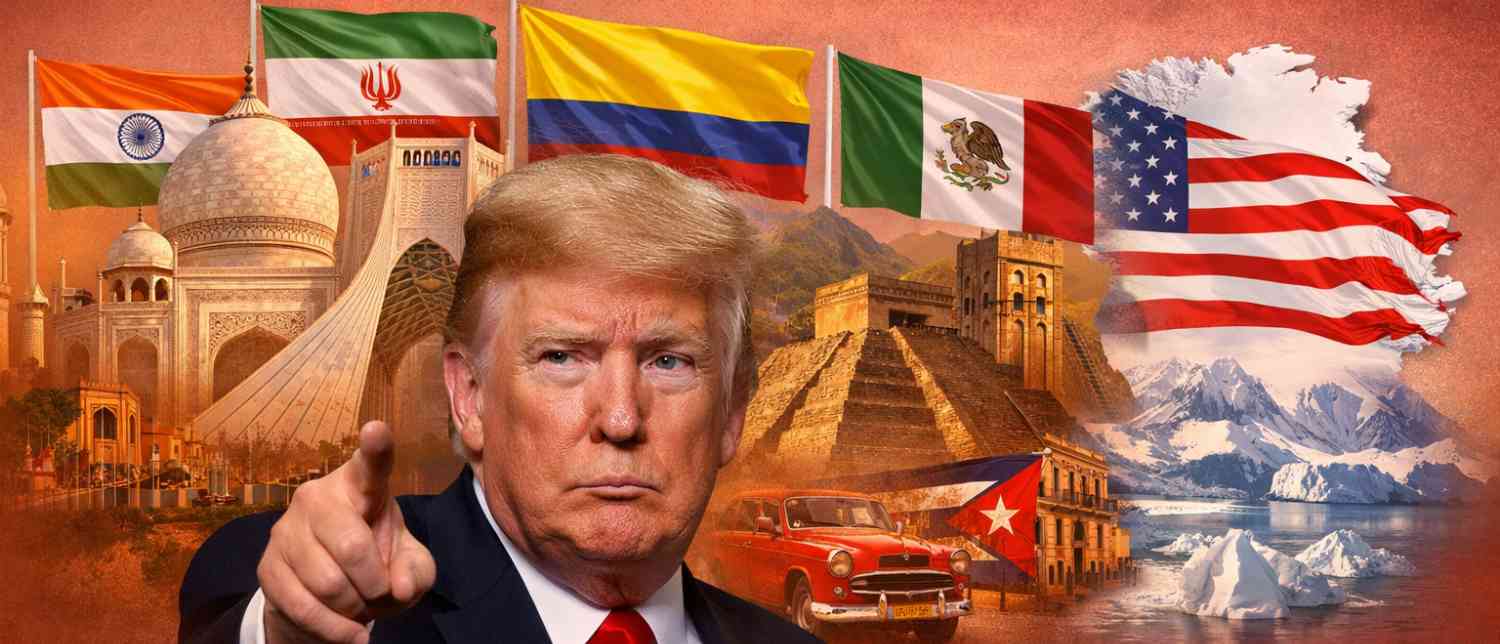
With Maduro flown to New York to face charges of narco-terrorism and Washington announcing it would temporarily “run” Venezuela, Trump has shifted from rhetoric to raw action. In the hours and days following the operation, the president and his administration issued a series of warnings, threats, and provocations aimed at countries across the Western Hemisphere—and even beyond it. From Colombia and Cuba to Mexico, Iran, India, and Greenland, Trump’s message was unmistakable: the United States is prepared to intervene wherever it sees fit.
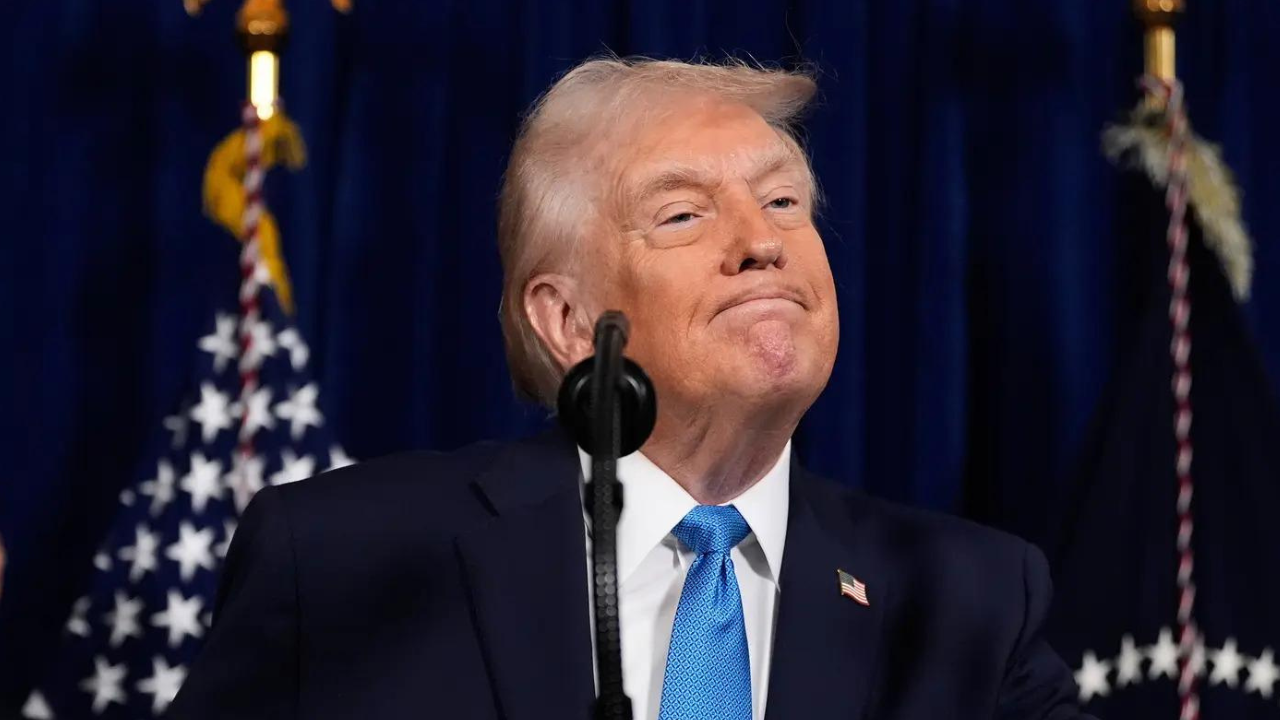
The Maduro Operation and the Return of the Monroe Doctrine
The Venezuelan operation marked a dramatic escalation in US foreign policy. Acting on Trump’s direct orders, American armed forces seized Nicolás Maduro and his wife from their compound and transported them to the United States. The move was immediately described as historic, controversial, and destabilising.
In the aftermath, Trump openly invoked the Monroe Doctrine, the 200-year-old policy framework originally designed to oppose European colonial expansion in the Americas. While it began as a symbolic declaration, the doctrine gradually evolved into a cornerstone of US foreign policy. Trump’s enthusiastic embrace of it has led allies and aides alike to dub it the “Don-roe Doctrine.”
Speaking to reporters aboard Air Force One, just days after calling for peace in the new year, Trump instead issued fresh warnings to multiple nations—suggesting that Venezuela was only the beginning.
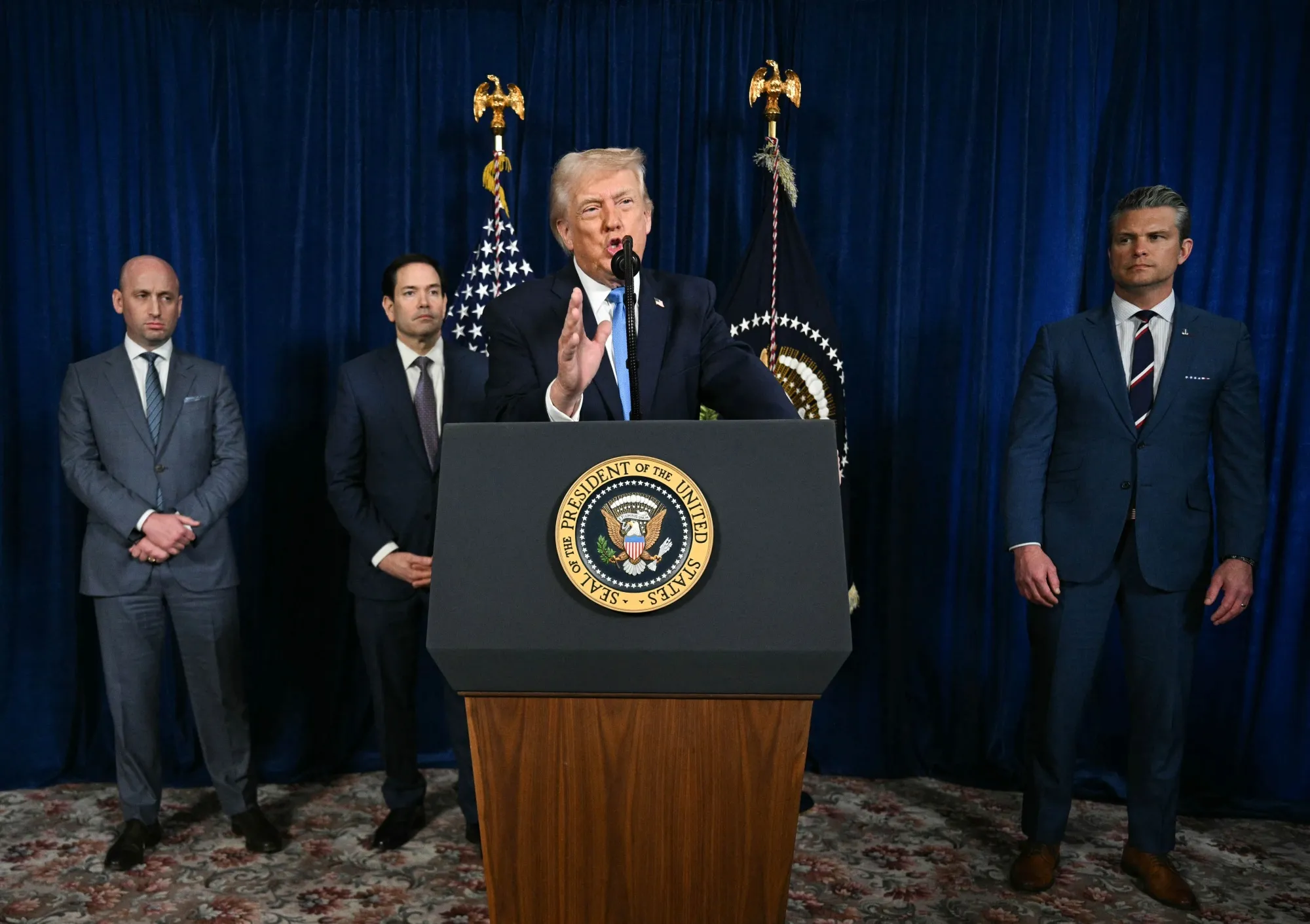
Colombia: “A Sick Country Run by a Sick Man”
Among the first nations to face Trump’s ire was Colombia. Even as US forces were transporting Maduro to New York City, Trump publicly warned Colombian President Gustavo Petro to “watch his ass.”
Trump accused Petro of overseeing cocaine production and trafficking into the United States. “He’s making cocaine and they’re sending it into the United States,” Trump said, adding that Petro “is not going to be doing it very long.”
The rhetoric soon escalated further. Speaking again aboard Air Force One, Trump openly entertained the idea of military action against Colombia. When asked whether such an operation was possible, he replied bluntly, “Sounds good to me.”
Petro, a vocal critic of Trump, had condemned the Venezuela strikes as an “assault on the sovereignty” of Latin America. He warned that US intervention would trigger a humanitarian crisis and accused Washington of violating international law. Petro also claimed that at least one US strike off Venezuela’s coast targeted civilians, a charge that further inflamed tensions.
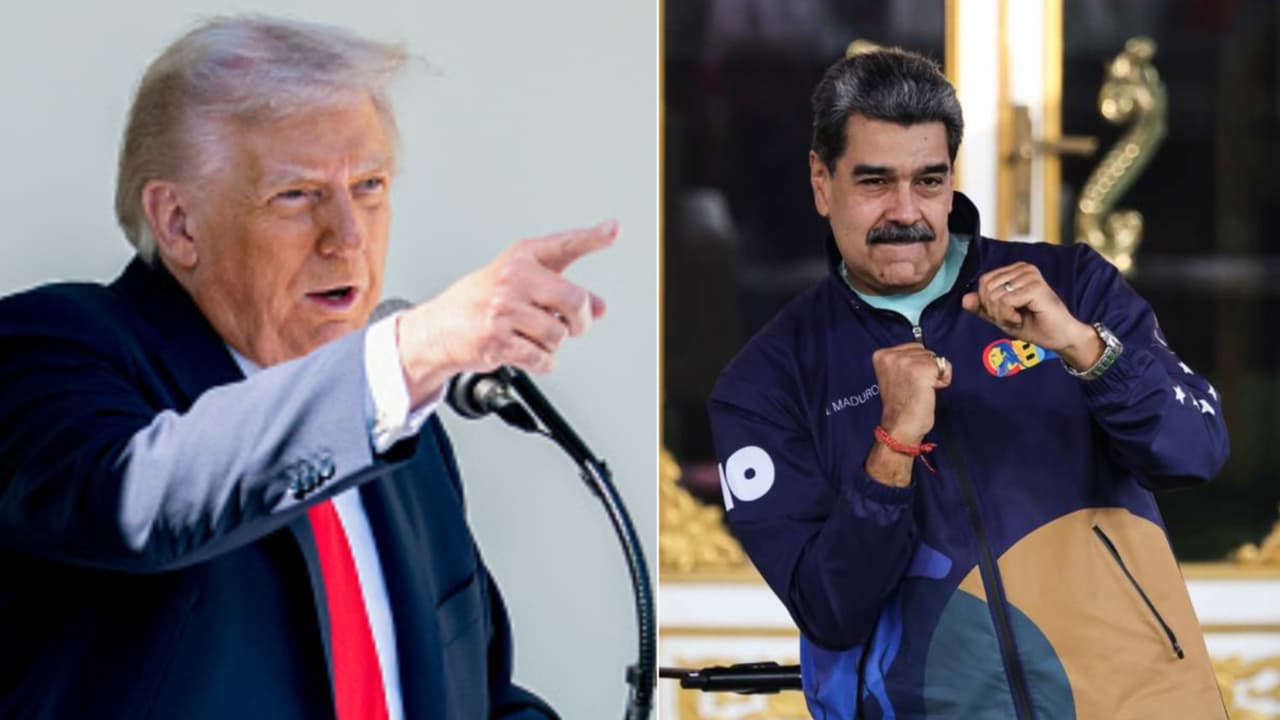
Cuba: A “Failing Nation” Under Watch
Trump’s attention has also turned sharply toward Cuba, a country with which the United States has shared decades of strained relations. While recent years had seen a limited thaw, Trump signalled that détente is over.
“I think Cuba is going to be something we’ll end up talking about,” Trump said, calling the island nation a “failing country.”
His Secretary of State, Marco Rubio, reinforced the warning. “Cuba is in a lot of trouble,” Rubio said in an interview with NBC News. While refusing to outline specific next steps, he made clear that Washington remains deeply hostile to Havana’s leadership. “If I lived in Havana and I was in the government, I’d be concerned,” Rubio added.
Trump later compared Cuba to Venezuela, saying the US wants to “help the people in Cuba,” while also supporting Cuban Americans who were forced to flee the country. Cuban President Miguel Díaz-Canel responded by condemning the Venezuela operation as “cowardly, criminal and treacherous,” warning that similar actions against Cuba would threaten regional peace.
🚨 BREAKING: President Trump WARNS cartel-controlled Mexican President Sheinbaum
“She’s scared of the cartels.”
“We’re gonna have to do something. WE’D LOVE Mexico to do it!”
Trump is playing NO games!
pic.twitter.com/sBGmtY46DI— Eric Daugherty (@EricLDaugh) January 5, 2026
Mexico: “Something Has to Be Done”
Mexico has also found itself squarely in Trump’s crosshairs. In interviews following the Venezuela operation, Trump accused Mexican President Claudia Sheinbaum of allowing drug cartels to dominate her country.
According to Trump, Sheinbaum is “very frightened of the cartels” and lacks control over large parts of Mexico. He claimed he had repeatedly offered to deploy US troops to dismantle the cartels, only to be rebuffed. “So we have to do something,” Trump said.
Sheinbaum has been firm in rejecting any foreign military presence on Mexican soil. Mexico’s foreign ministry echoed that stance, stating that Latin America and the Caribbean are a “zone of peace” built on mutual respect and the prohibition of force.
#NBC: "Is the Cuban government the #Trump administration's next target?"
Marco #Rubio: "Well, the Cuban government is a huge problem. Yeah…they're in a lot of trouble, yes!" #Cuba https://t.co/kijQp6i3Gt pic.twitter.com/07SDJMe19y— Boris Alexander Beissner (@boris_beissner) January 4, 2026
Greenland: A Strategic Obsession Rekindled
Perhaps the most startling development came not from Latin America, but from the Arctic.
Shortly after the Maduro capture, Katie Miller—wife of Trump’s deputy chief of staff Stephen Miller—posted an image on X showing Greenland painted in the colours of the US flag, captioned simply: “Soon.”
The post immediately rattled both Denmark and Greenland. Denmark’s ambassador to Washington, Jesper Møller Sørensen, issued a “friendly reminder” that Copenhagen expects full respect for its territorial integrity. Greenland’s Prime Minister, Jens-Frederik Nielsen, called the post “disrespectful,” stressing that Greenland is not for sale and that its future cannot be decided by social media.
Danish Prime Minister Mette Frederiksen went further, demanding that Trump “stop the threats.” She emphasised that Greenland is part of the Danish kingdom, a NATO ally covered by the alliance’s security guarantees. Denmark already maintains a defence agreement with the US that provides American access to Greenland and has increased its own Arctic security investments.
Undeterred, Trump doubled down. “We need Greenland from the standpoint of national security,” he said, citing Chinese and Russian submarine activity near the island. When asked by The Atlantic whether the Venezuela operation signalled similar intentions toward Greenland, Trump was evasive—but firm. “We do need Greenland, absolutely. We need it for defence.”
🇺🇸🇮🇳 Trump–India Tariff Warning .
Donald Trump warns of higher tariffs if India doesn’t cut Russian oil imports—beyond the existing 25% on some goods. He says Narendra Modi is aware and trying to avoid escalation.
India’s Russia oil buys (~1.7M bpd) clash with U.S. sanctions,… pic.twitter.com/cMRkJBIkpP— Innoworkspro (@innoworkspro) January 5, 2026
Iran and India: Warnings Beyond the Hemisphere
Trump’s warnings were not confined to the Americas.
Amid violent protests in Iran, the president issued a stark threat. “If they start killing people like they have in the past,” Trump said, “I think they’re gonna get hit very hard by the United States.”
Meanwhile, India was also singled out. Trump warned New Delhi that the US would raise tariffs if India continued importing Russian oil. He claimed that Prime Minister Narendra Modi wanted to “make him happy,” signalling economic pressure as another tool in his foreign policy arsenal.
SOON pic.twitter.com/XU6VmZxph3— Katie Miller (@KatieMiller) January 3, 2026
Domestic and International Backlash
The Venezuela invasion has drawn sharp criticism both at home and abroad. Mexico, Colombia, and Cuba jointly condemned the operation, warning that it threatens regional stability. Several US lawmakers criticised Trump for acting without congressional approval, while many Democrats accused him of launching yet another unnecessary war.
Despite the backlash, Trump has shown no inclination to slow down. From invoking a centuries-old doctrine to openly discussing military action against multiple nations, his second term is rapidly becoming defined by confrontation.
How Far Will Trump Go?
The seizure of Nicolás Maduro has altered the geopolitical landscape of the Americas—and possibly beyond. Whether Trump’s threats translate into further action remains uncertain. What is clear, however, is that the United States under Trump is once again willing to assert power unilaterally, reshaping borders, alliances, and norms in the process.
As Greenland, Colombia, Cuba, Mexico, and others watch closely, one reality is becoming impossible to ignore: Venezuela may not be the end—it may only be the beginning.
With inputs from agencies
Image Source: Multiple agencies
© Copyright 2025. All Rights Reserved. Powered by Vygr Media.