 By
By 
West Asia is once again at an inflection point — but this time, the tremors are seismic. The spiral of violence stretching across Iran and the Gulf has moved beyond proxy shadowboxing into open confrontation. The confirmation by Islamic Republic News Agency (IRNA) on March 1 that Iran’s Supreme Leader, Ayatollah Ali Khamenei, was killed in joint US-Israel strikes in Tehran — alongside Islamic Revolutionary Guard Corps commander-in-chief Mohammad Pakpour and Defence Council secretary Ali Shamkhani — marks a rupture not just for Iran’s clerical establishment, but for the regional order itself.
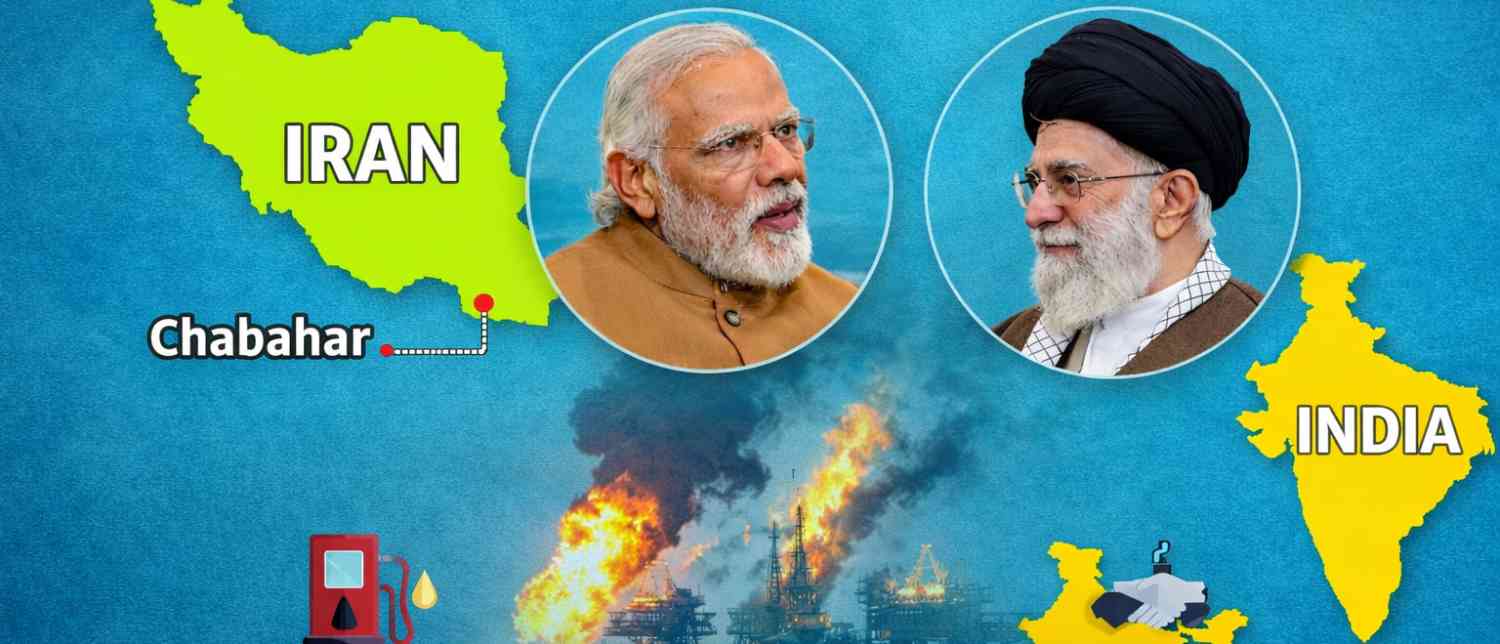
For India, this is not a distant geopolitical drama. It is a structural crisis that touches three core interests simultaneously: energy security, the safety of nearly 10 million Indians across the Gulf, and New Delhi’s precarious balancing act amid intensifying great-power rivalries. If ever there was a moment demanding a coherent West Asia doctrine, this is it.
A Region in Flames, A Doctrine Under Strain
The widening arc of confrontation between Tehran and its adversaries — whether through direct strikes or proxy theatres from the Levant to the Gulf — threatens to destabilise a region that rarely enjoys durable calm. Yet today’s turbulence is qualitatively different. It coincides with renewed US “maximum pressure,” Israel’s assertive regional posture, China’s deepening economic footprint, and Russia’s opportunistic manoeuvring.
For India, whose civilisational ties with Persia stretch back centuries and whose modern stakes in the Gulf are economic, strategic and demographic, the crisis demands sober reassessment rather than rhetorical adventurism. This is about oil flows, trade corridors, remittance lifelines and strategic autonomy — not sentimentality about historic friendships.
The First Risk: Energy Shockwaves and Economic Vulnerability
India-Iran relations have traditionally rested on three pillars: energy security, connectivity, and geopolitical convergence in Afghanistan and Central Asia. Each cycle of confrontation compresses India’s strategic space.
India remains deeply dependent on imported energy. The Gulf region is one of its most reliable sources of oil and gas. When tensions spike in the Strait of Hormuz or the Gulf of Oman, insurance premiums surge, shipping routes grow uncertain, and crude markets react instantly.
Volatility in oil prices does more than raise fuel bills. It feeds inflation, widens the current account deficit, complicates fiscal planning, and strains public finances. Even when India diversifies suppliers across Africa or the Americas, instability in the Gulf raises landed costs and injects uncertainty into budgeting.
Energy shocks are rarely temporary. Their psychological impact on markets can be as destabilising as actual supply disruptions. For an economy aspiring to sustain high growth rates, recurring energy turbulence is a structural vulnerability.
India once imported significant quantities of Iranian crude. In 2009 alone, it bought about 22 million tonnes worth approximately $10 billion, making it one of Tehran’s largest customers. Oil exports to India peaked again in 2017, following the landmark 2015 nuclear accord.
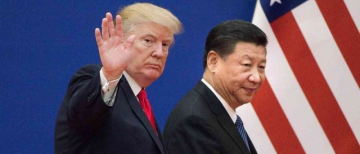
But the collapse of that agreement — formally the Joint Comprehensive Plan of Action (JCPOA) — and Washington’s unilateral withdrawal under US President Donald Trump in 2018 forced India to discontinue Iranian oil imports by 2019. Strategic flexibility narrowed overnight.
The Second Risk: Chabahar and the Connectivity Conundrum
Connectivity is the second casualty of every Iran crisis.
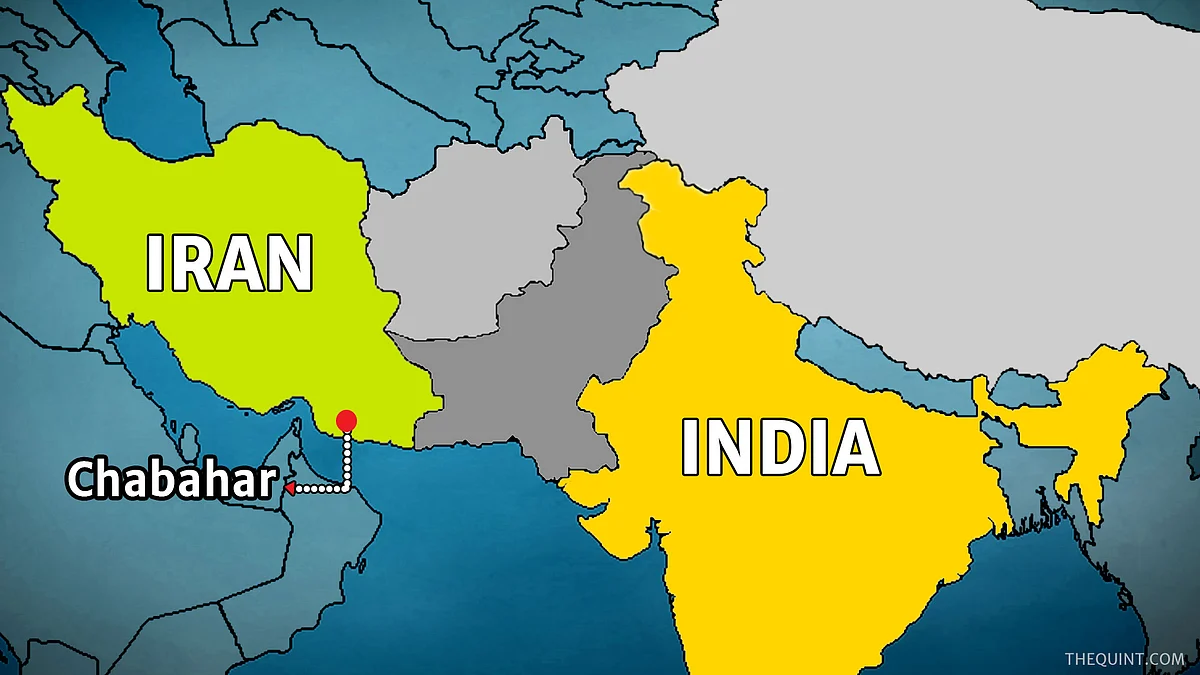
The Chabahar port project in southeastern Iran was conceived as India’s gateway to Afghanistan and Central Asia — a way to bypass Pakistan and counterbalance China’s strategic footprint at Gwadar in Balochistan. It symbolised India’s continental ambition.
Progress, however, has been repeatedly obstructed by sanctions and diplomatic uncertainty. Although the project survived earlier US pressure, Washington’s decision to revoke a sanctions waiver — expected to take effect in late April — has once again muddied the waters.
Only 450 vessels have visited Chabahar in the last six years. What was meant to anchor India’s Eurasian outreach has struggled to take off. Indian firms and banks remain cautious, wary of secondary sanctions.
Yet the rationale remains compelling. Chabahar is more than a port; it is an instrument of strategic access. It offers India leverage in Afghanistan and Central Asia and reduces dependence on routes controlled by Pakistan.
The port also fits into broader connectivity visions, including the India-Middle East-Europe Economic Corridor (IMEEC). A full-blown regional war would jeopardise IMEEC further — already delayed by instability. Prime Minister Narendra Modi, during a recent visit to Israel, emphasised renewed momentum on IMEEC and I2U2 initiatives to strengthen regional connectivity. But infrastructure corridors cannot flourish in a theatre of escalating missiles.
The Third Risk: Diaspora Security and Domestic Stability
India’s human stake in the Gulf is immense.
Close to 40,000 Indian citizens reside in Israel, and between 6,000 and 10,000 in Iran. Across the broader Gulf region, nearly 10 million Indians live and work — forming one of the largest expatriate communities in the world.
Their remittances are a vital pillar of India’s economy. The Gulf Cooperation Council (GCC) countries — Bahrain, Kuwait, Oman, Qatar, Saudi Arabia and the United Arab Emirates — together constitute India’s largest trading partner bloc.
In the hours following the US-Israel strikes and Iran’s retaliatory targeting of Gulf states hosting American military assets, India moved swiftly but cautiously. External Affairs Minister S. Jaishankar spoke with his Iranian counterpart Seyed Abbas Araghchi and Israeli foreign minister Gideon Sa'ar, reiterating calls for dialogue and de-escalation. He also reached out to counterparts in the UAE, Qatar, Kuwait and Bahrain, seeking cooperation to ensure the well-being of the Indian community.
The Ministry of External Affairs urged restraint, emphasised respect for sovereignty and territorial integrity, and confirmed that Indian missions were issuing advisories to nationals.
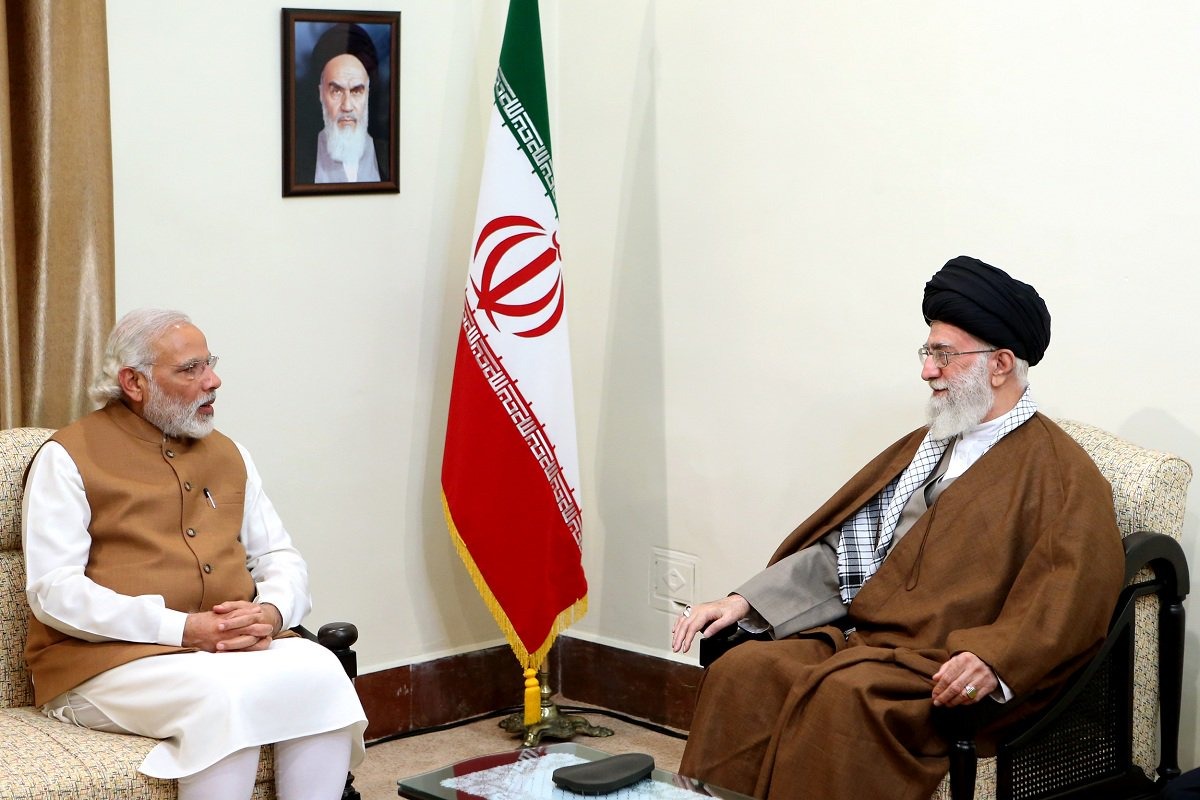
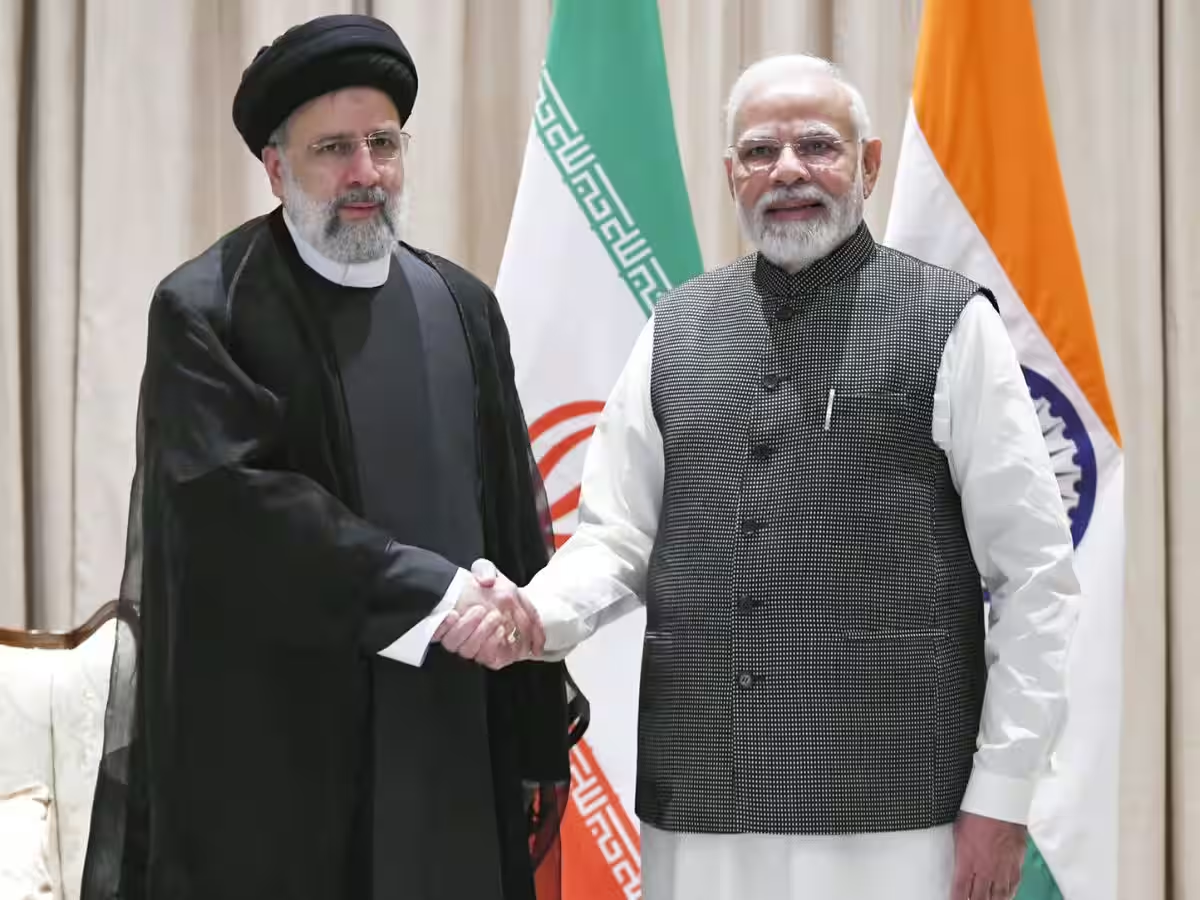
This calibrated response underscores the tightrope India walks: strategic engagement with Israel, expanding partnerships with Gulf monarchies, and a functional — if strained — relationship with Iran.
A Relationship Forged in History, Tested by Revolution
To understand today’s dilemma, one must revisit history.
India and Iran formalised diplomatic ties through a friendship treaty signed on March 15, 1950, under Prime Minister Jawaharlal Nehru. While India maintained engagement with the Shah’s regime during the Cold War, strategic alignment was limited due to Tehran’s proximity to Washington and its outreach to Pakistan.
The 1979 Iranian Revolution changed everything. The overthrow of the Shah and the rise of Ayatollah Ruhollah Khomeini reshaped regional geopolitics. Although the new regime initially distanced itself from both Cold War blocs, it gravitated toward the Non-Aligned Movement — a space where India was a founding member.
Ironically, Iran’s distancing from Pakistan in subsequent years created diplomatic space for New Delhi. During the Iran-Iraq War (1980–88), India maintained neutrality while continuing economic engagement. Tehran often raised objections to Pakistan-sponsored anti-India resolutions at the Organisation for Islamic Cooperation.
In Afghanistan, complexities deepened. Though Iran opposed the 1979 Soviet invasion and coordinated support for Afghan mujahideen with Pakistan during the 1980s, it later worked alongside Russia and India in the 1990s to support the Northern Alliance against the Pakistan-backed Taliban.
Reaching a Zenith: The Strategic Partnership Era
The end of the Cold War brought convergence.
Prime Minister P. V. Narasimha Rao visited Tehran in 1993, discussing pipeline projects and transit facilities. When President Akbar Hashemi Rafsanjani visited India two years later, trade accords and bilateral agreements deepened cooperation.
Under Prime Minister Atal Bihari Vajpayee, the 2001 Tehran Declaration and the 2003 New Delhi Declaration — during President Mohammad Khatami’s Republic Day visit — elevated ties to a strategic partnership. Defence cooperation was envisioned, though later constrained by India’s expanding reliance on Israeli defence equipment.
At its peak, the relationship embodied strategic autonomy: India signalling willingness to engage states ostracised by Washington while preserving manoeuvre room in a US-dominated post-1991 world order.
The Sanctions Straitjacket
Yet the past decade has been defined less by partnership than by constraint.
The JCPOA briefly opened economic space. But its collapse and Washington’s maximum pressure campaign “whittled India-Iran relations to a nub,” as scholar Sandeep Bhardwaj observed in a 2025 ISAS brief. Many commercial and infrastructure projects stalled or died.
Despite several bilateral consultative mechanisms and joint working groups still in place, the absence of oil trade — once the ballast of the relationship — has hollowed ties. Major Indian exports to Iran today include rice, tea, sugar, pharmaceuticals, manmade staple fibres, electrical machinery and artificial jewellery. Imports consist primarily of dry fruits, chemicals and glassware.
The economic and strategic rationales for closeness persist on paper. But without concrete linkages, drift has set in.
Great-Power Calculus: Washington, Beijing, Moscow
The United States faces its own dilemma. An adversarial stance toward Tehran intersects awkwardly with a desire to prioritise the Indo-Pacific. Escalation in the Gulf would divert diplomatic and military resources, dilute focus on Asia-Pacific theatres, and risk domestic economic repercussions from energy spikes.
China, as the largest importer of Gulf oil, prefers stability. Beijing is likely to advocate ceasefires while expanding its economic footprint where Western firms retreat.
Russia views turbulence opportunistically: higher energy prices bolster revenues, and diplomatic positioning offers leverage without deep entanglement.
In this crowded theatre, India’s manoeuvring space shrinks — not because its interests are marginal, but because they intersect with every major power’s calculus.
Toward a Coherent West Asia Doctrine
What, then, should India do?
First, embed Iran policy within a comprehensive West Asia doctrine rather than treat it as a standalone bilateral track. Balance ties with Tehran, Gulf monarchies and Israel through calibrated autonomy.
Second, accelerate energy hedging: diversify suppliers, expand strategic petroleum reserves, and secure long-term contracts insulated from sanctions volatility.
Third, maintain principled engagement with Iran in non-sanctioned sectors to keep diplomatic channels open for post-crisis normalisation.
Fourth, institutionalise maritime security cooperation in the Arabian Sea and Gulf of Oman with like-minded middle powers — safeguarding trade without appearing intrusive.
Finally, prioritise diaspora protection through contingency planning and close coordination with Gulf governments.
Restraint, in moments of conflagration, is not weakness. It is strategy.
Three Risks, One Compass
India’s Iran dilemma boils down to three interlocking risks: energy disruption, connectivity paralysis, and diaspora vulnerability — all unfolding amid great-power rivalry.
The death of Ayatollah Khamenei has injected profound uncertainty into Iran’s political future. Whether the clerical regime consolidates, fragments, or transforms, the region will remain volatile.
For New Delhi, the lesson is stark: West Asia’s instability is structural, not episodic. Strategic autonomy must be recalibrated for an era of compressed manoeuvre space.
By safeguarding energy security, protecting its people abroad, and preserving diplomatic flexibility, India can maintain a steady compass even as West Asia convulses. In a polarised region, balance is not merely a tactic. It is doctrine.
With inputs from agencies
Image Source: Multiple agencies
© Copyright 2025. All Rights Reserved. Powered by Vygr Media.