 By
By 
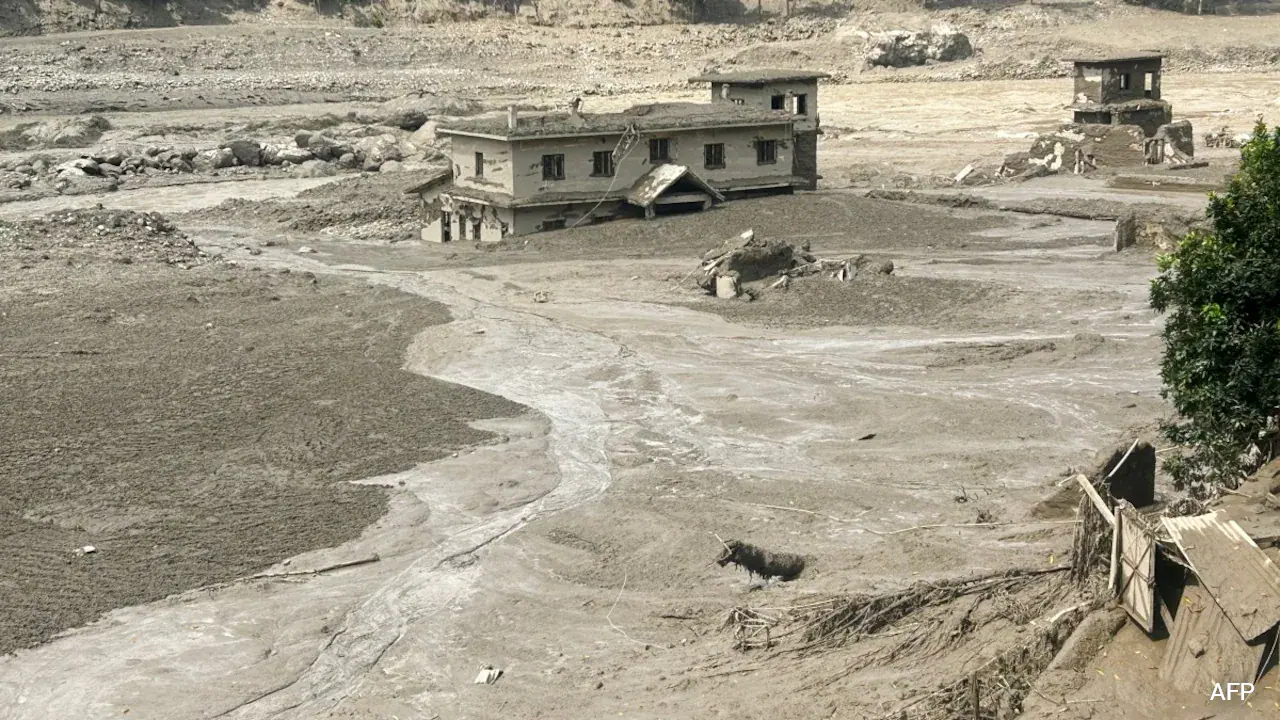
A massive flash flood swept through Nepal’s northern Rasuwa district near the Tibet border on Wednesday, killing at least eight people and leaving hundreds unaccounted for, including more than 100 Indian nationals. The sudden surge of water in the Bhote Koshi River devastated settlements, roads, bridges, border infrastructure and hydropower facilities, while rescue teams struggled to reach some of the worst-hit areas.
The disaster has also triggered concern in India, particularly in Bihar and parts of Uttar Pradesh, as floodwaters move downstream through river systems that eventually enter the Indian plains. Authorities have stepped up monitoring and issued precautionary advisories to people living near vulnerable rivers and low-lying areas.
Nepal Flash Floods: What Happened in Rasuwa?
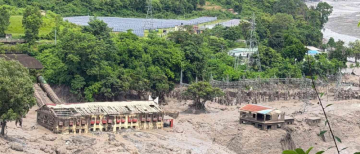
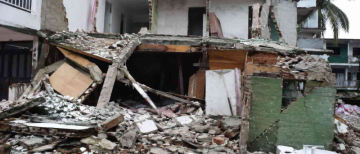
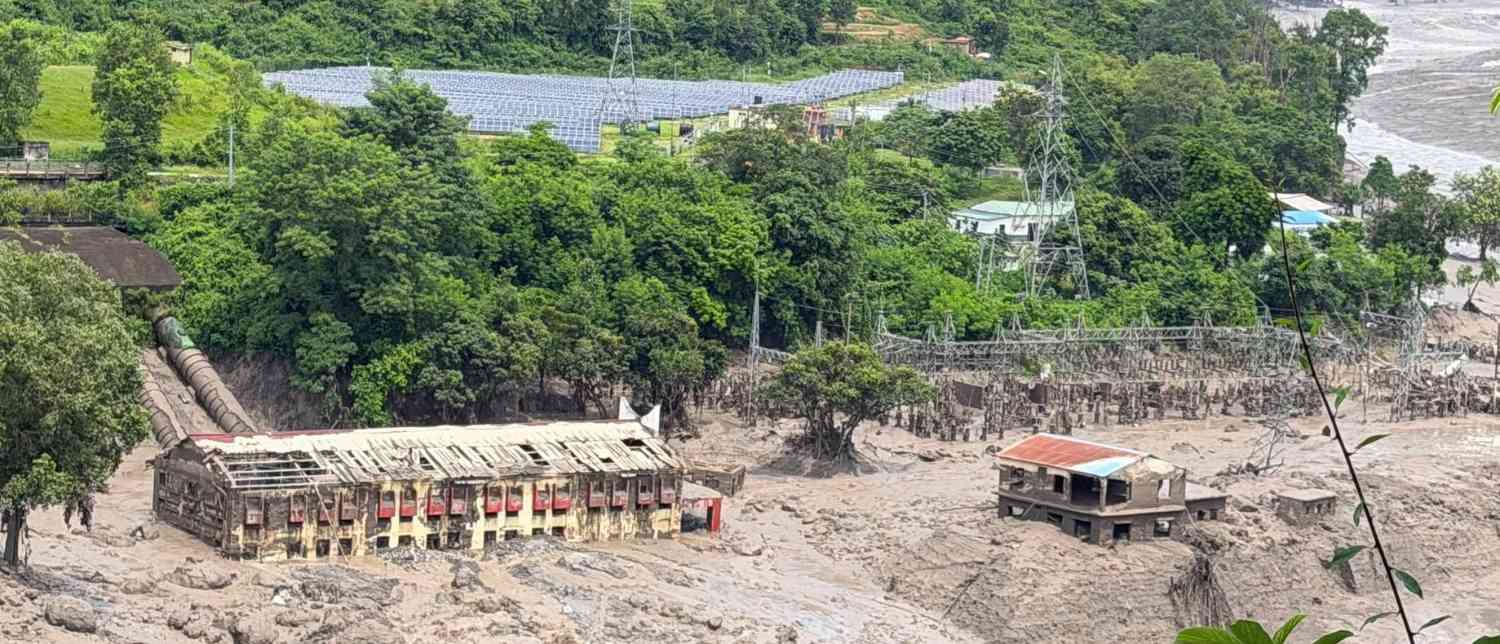
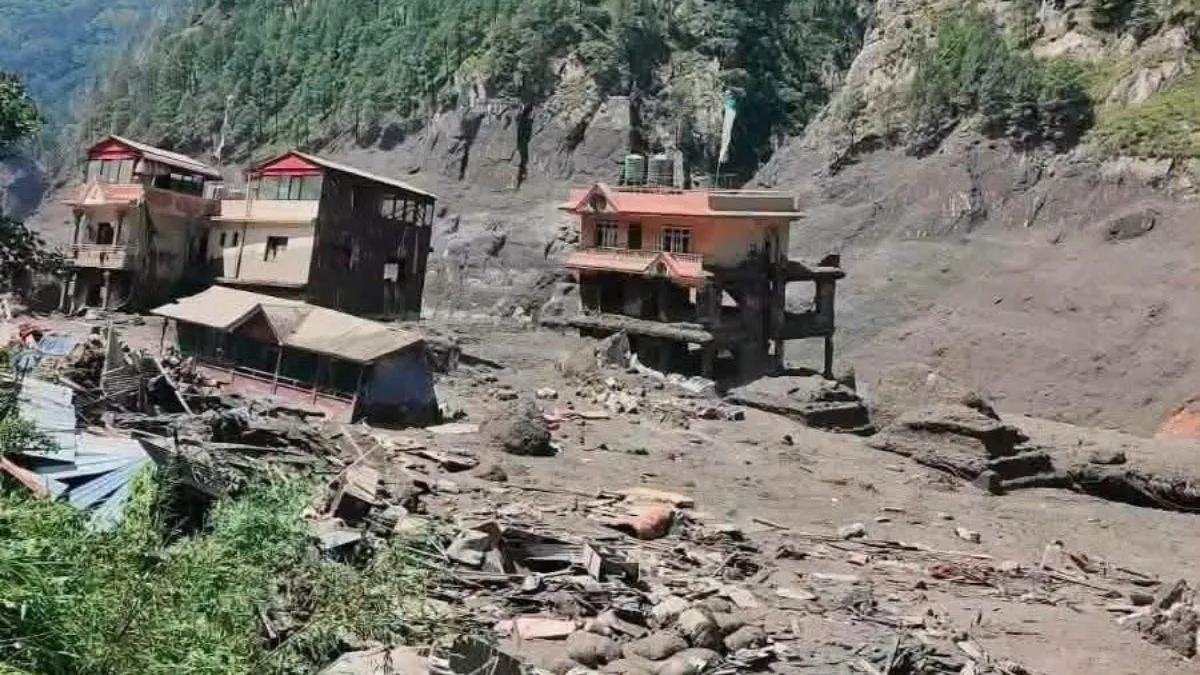
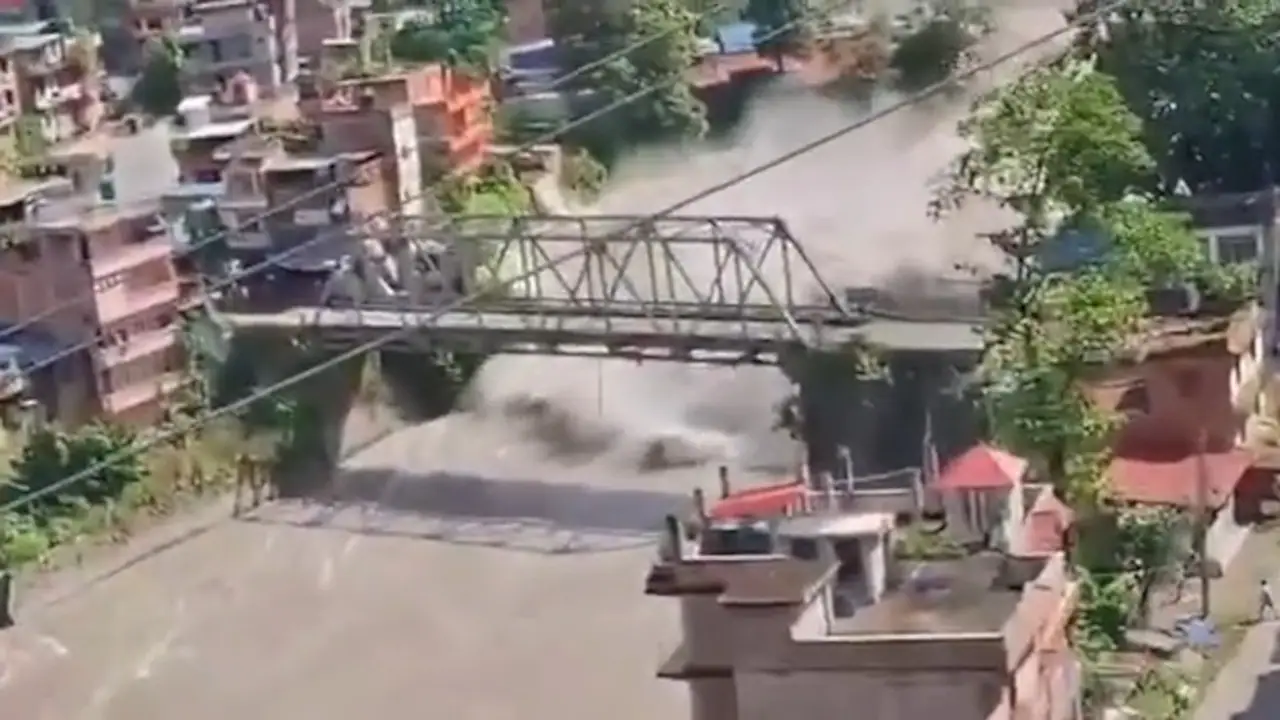
The flash flood struck the Rasuwa district around 9 am local time, with the most severe impact reported around Rasuwagadhi, Timure and Syapru Besi near the Nepal-China border. The Bhote Koshi River suddenly swelled, sending a destructive surge through mountain settlements and carrying away vehicles, buildings, goods and other infrastructure.
Timure Bazaar, a key market close to the Tibet border, was extensively damaged, as was the nearby customs area. A newly constructed bridge at Rasuwagadhi was also swept away. Several police facilities in the region suffered damage, while surrounding settlements were affected by the rapidly rising waters.
The flooding subsequently moved into the Trishuli river system, raising concerns in downstream districts including Nuwakot, Dhading, Gorkha and Chitwan. Authorities warned residents along riverbanks to remain alert and move to safer locations where necessary.
The scale of destruction remained difficult to assess because several affected areas were inaccessible. High water levels prevented helicopters from landing at some locations, complicating the search for people who may have been stranded or swept away.
Over 100 Indians Among Hundreds Missing
One of the biggest concerns following the Nepal flash floods is the large number of tourists and travellers who remain unaccounted for.
A preliminary list from Nepal's tourism authorities indicated that 384 travellers were reported missing. The group included 291 foreign nationals and 93 Nepali citizens. Among the foreign nationals, 105 were Indians. Other missing travellers were reported to be from countries including the United Kingdom, United States, Australia, Malaysia, South Africa and the Netherlands. Officials stressed that the list was preliminary and was still being verified with travel agencies, guides, local authorities and security agencies.
A significant number of those who lost contact with their families are believed to have been travelling as part of the Kailash Mansarovar pilgrimage route. Travel operators had expected a large group of pilgrims to cross the border on Wednesday, adding another layer of urgency to the search effort.
However, being listed as missing does not necessarily mean that all those individuals are dead or injured. Authorities are still working to establish contact with travellers and determine how many are stranded, safe but unreachable, or in need of assistance.
The uncertainty has intensified anxiety among families in India and other countries waiting for information about their relatives.
Rescue Operations Underway Amid Difficult Conditions
Nepal has mobilised the Army, Armed Police Force and Nepal Police for search-and-rescue operations. As many as 14 helicopters have been deployed, alongside drones and sniffer dogs being used to search for missing people.
More than 25 people had reportedly been rescued by Wednesday afternoon, while several others were recovered from different locations in Rasuwa. An emergency treatment centre has also been established in the Trishuli area to provide medical assistance to those rescued.
The rescue operation, however, is being conducted under extremely challenging conditions. In some of the worst-hit areas, the force of the flood and high water levels made it impossible for helicopters to land. Damaged roads and bridges have further restricted movement, while the continuing threat of rising river levels has made access to some locations hazardous.
The number of casualties could therefore change as rescue teams reach isolated settlements and conduct more detailed searches.
Why Did the Flash Flood Happen?
The exact cause of the sudden flood remains unclear.
What makes the disaster particularly concerning is that authorities said the flooding was not caused by heavy rainfall in Rasuwa itself. Weather data indicated significant rainfall on the Tibetan side of the border, leading officials to investigate whether an event upstream may have caused the sudden surge in the Bhote Koshi River.
Several possibilities are being examined, including a glacial lake outburst flood, a landslide or another sudden blockage-and-release event. Initial reports also raised the possibility that an earthquake-triggered avalanche may have contributed to the disaster.
These explanations have not been conclusively established, and officials continue to investigate.
The geography of the region makes such events particularly dangerous. Rivers originating in the high Himalayas can rapidly carry enormous quantities of water and debris into narrow valleys, leaving communities with very little time to respond.
The situation also highlights the cross-border nature of Himalayan disasters. The Bhote Koshi originates in Tibet, flows through Nepal and eventually feeds into the river system that enters India as the Gandak.
Hydropower and Border Infrastructure Suffer Major Damage
The flash flood has caused extensive damage beyond homes and villages.
Several hydropower projects, roads, bridges and electricity facilities have been affected. Estimates indicate that roughly 430 MW of electricity supply was impacted, representing more than 12% of Nepal's total installed hydropower capacity.
Earlier assessments also indicated damage to multiple operational hydropower projects in Rasuwa and Nuwakot, as well as projects still under construction. Major facilities affected include the Rasuwagadhi Hydropower Project, Sanjen Khola Hydropower Project and Upper Trishuli 3A.
The damage has also disrupted an important trade route between Nepal and Tibet. Rasuwagadhi is a significant border crossing, and the destruction of infrastructure in the area could affect transportation and cross-border commerce even after floodwaters recede.
The disaster comes after a deadly flood in the same broader region last year, when the Bhote Koshi River also caused fatalities and destroyed a bridge connecting Nepal and China. That event was subsequently associated with the draining of a supraglacial lake in Tibet.
Tibet Also Hit by Mudslide
The disaster was not confined to Nepal.
Across the border, a mudslide struck China's Gyirong county and the Gyirong border port. Roads, communications and power infrastructure were affected, with casualties and missing people also reported in the area.
The developments underline the broader regional impact of sudden Himalayan flooding. When extreme events occur in high-altitude watersheds, their effects can cross national boundaries rapidly, particularly along river systems connecting Tibet, Nepal and northern India.
Bihar and UP on Alert as Floodwaters Move Downstream
The Nepal flash floods have prompted authorities in neighbouring Indian states to prepare for a possible rise in river levels.
Bihar has activated heightened monitoring because the Gandak River, also known as the Narayani, receives water from Nepal before flowing into the state. The Kosi is another major river system linking Nepal's Himalayan catchments with Bihar.
The state government has formed a high-level team to monitor developments, with senior officials coordinating preparations. Authorities have advised residents living along the Gandak and in low-lying areas to remain cautious, avoid going unnecessarily close to the river and follow official instructions rather than rumours.
Six districts in Bihar have been placed under heightened vigilance, while disaster-response agencies have been asked to remain prepared. Uttar Pradesh is also monitoring the situation, particularly areas such as Maharajganj and Kushinagar that could be affected by changes in the Gandak and Narayani river system.
The immediate concern is not that flooding in Nepal will automatically result in a major flood across Bihar, but that a sudden increase in downstream water flow could create localised risks. Authorities are therefore focusing on early monitoring and preparedness rather than waiting for water levels to become critical.
A Developing Himalayan Disaster
The Nepal flash floods remain a rapidly developing situation. The confirmed death toll could rise as rescue teams gain access to areas that have been cut off, while the number of missing people is still being verified.
For the families of the more than 100 Indians reported missing, the immediate priority is establishing contact and confirming their safety. For Nepal, the challenge is even broader: rescuers must search damaged settlements while dealing with unstable terrain, blocked routes and the possibility of further surges.
At the same time, downstream authorities in India are watching river levels closely.
The disaster is a stark reminder of how quickly conditions can change in the Himalayan region. A sudden surge originating hundreds of kilometres upstream can destroy infrastructure, disrupt tourism and trade, and create flood risks across international borders within hours.
For now, rescue and verification efforts remain the focus. Authorities across Nepal and neighbouring regions are urging people to stay away from riverbanks, follow official warnings and remain prepared for further changes as the situation unfolds.
With input from agencies
Image Source: Multiple agencies
© Copyright 2026. All Rights Reserved. Powered by Vygr Media.