 By
By 
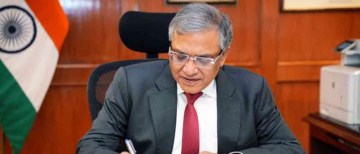
New Delhi: The Bharatiya Janata Party (BJP) has unveiled a sweeping new national organisational team under party president Nitin Nabin, bringing together experienced politicians, younger leaders, former chief ministers, MPs and representatives from a wide range of social and regional backgrounds.
The reshuffle, announced on August 17, comes at a politically significant moment, with the BJP preparing for a series of state elections and looking ahead to the larger electoral battle of 2029. The new structure signals an attempt to combine organisational experience with a younger leadership pipeline while giving greater attention to women, the Northeast, southern and eastern states and communities that the party wants to consolidate politically.
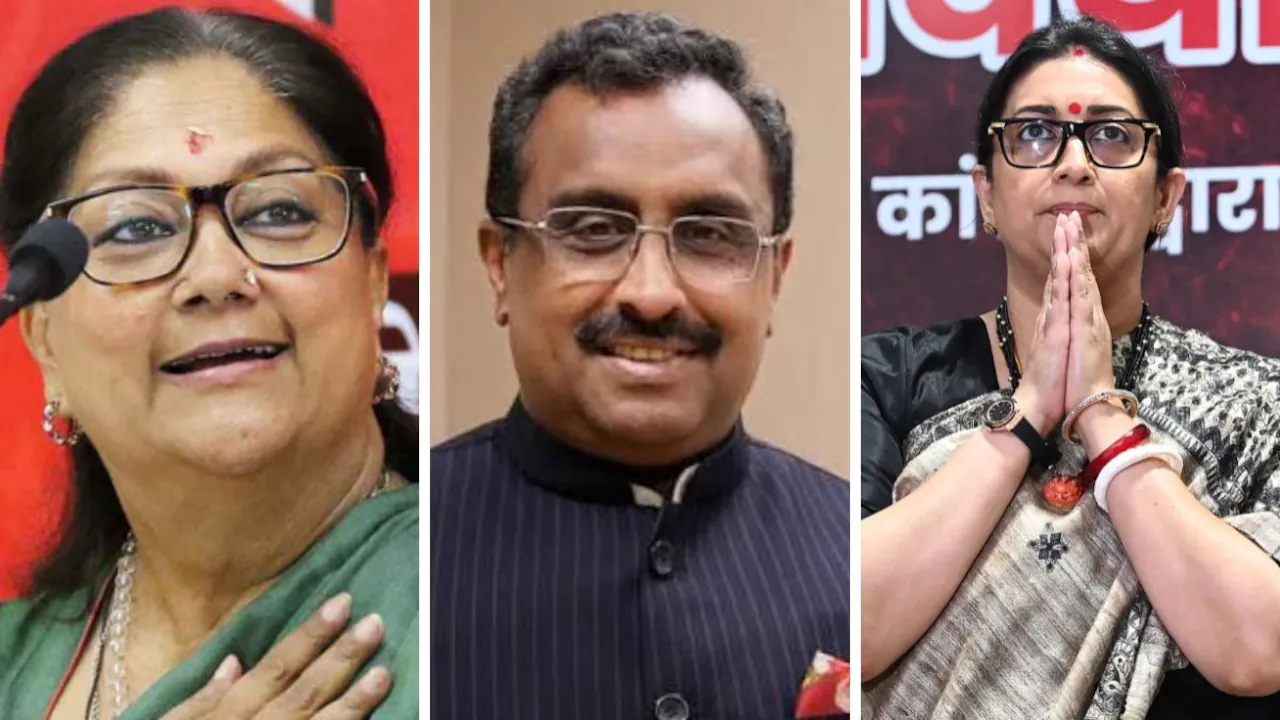
Among the most prominent developments are Smriti Irani's return to a key organisational position, the appointment of Vasundhara Raje Scindia and Ram Madhav as national vice presidents, the replacement of Amit Malviya in the BJP's social media machinery, and the elevation of Hemang Joshi as the national president of the Bharatiya Janata Yuva Morcha (BJYM), replacing Tejasvi Surya.
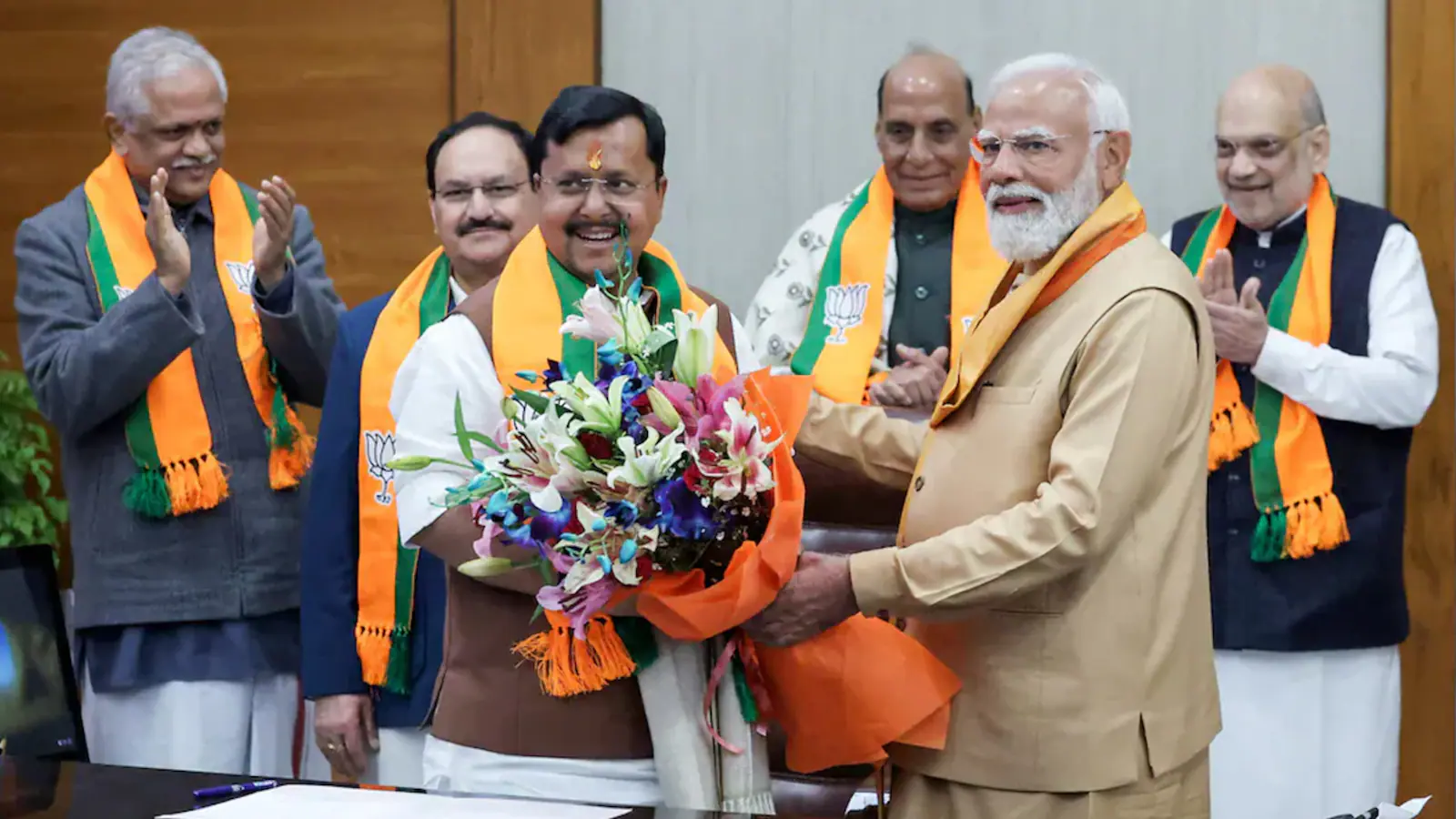
BJP's New Team: A Mix of Experience and Youth
The BJP's new national team comprises 64 office-bearers, with the party placing considerable emphasis on geographical and social representation. Leaders from 23 states and Union Territories have been included, while more than 40 per cent of the team members are described as belonging to marginalised communities.
The structure includes 13 national vice presidents, eight national general secretaries and 16 national secretaries, alongside appointments to the party's various organisational wings or Morchas. The BJP has also highlighted the presence of leaders with administrative, legislative and professional experience.
The team includes three former chief ministers — Vasundhara Raje, Tirath Singh Rawat and Biplab Kumar Deb —, while 18 active MPs from the Lok Sabha and Rajya Sabha have also found a place. Four leaders have previous Union government experience, alongside one serving Union minister.
The composition is notable not merely for the names involved but for the range of political experience it brings into one organisational structure. The BJP appears to be preparing a team that can simultaneously handle electoral campaigns, organisational expansion, regional outreach and communication with different voter groups.
That balance is reflected in the age profile as well. Six office-bearers are below 40, while 15 are between 40 and 49 and 21 fall in the 50-59 age bracket.
Smriti Irani Makes a Political Comeback
One of the biggest talking points in the BJP's organisational revamp is the return of Smriti Irani to a central party role.
The former Union minister has been appointed one of the BJP's eight national general secretaries. Her elevation brings a familiar and nationally recognisable face back into the party's core organisational structure.
Irani's return is particularly significant because she has previously held prominent ministerial responsibilities and has been one of the BJP's most visible women leaders. Her appointment also comes alongside a broader effort to increase women's representation within the party's national leadership.
Former Rajasthan chief minister Vasundhara Raje Scindia continues as a national vice president, adding another heavyweight woman leader with extensive administrative and electoral experience to the structure.
Of the 13 national vice presidents, six are women. The party has also appointed four women national secretaries and a woman general secretary. Ten experienced women leaders are part of the wider national team, according to the BJP's organisational profile.
The move gives the new team a distinctly broader gender profile while also retaining experienced leaders who have already operated at the highest levels of state and national politics.
Ram Madhav's Return Adds an Organisational and RSS Link
Another significant appointment is that of Ram Madhav, a prominent former BJP general secretary and RSS-linked political strategist, as a national vice president.
His return is noteworthy because Madhav has previously played an important role in the BJP's organisational and political expansion, particularly in areas where the party needed to build a stronger presence.
He joins other senior vice presidents including Raje, Tirath Singh Rawat, Baijayant Jay Panda, D Purandeswari, Rekha Verma and Sardar Manpreet Singh Badal.
The inclusion of veterans such as Madhav and Raje alongside younger leaders reinforces the BJP's stated strategy of combining experience with what Nitin Nabin described as "energy" to give the organisation fresh momentum.
Amit Malviya Out, Deepak Mhaske Takes Over BJP Social Media
Perhaps the most closely watched change in the new BJP team is in the party's digital machinery.
Amit Malviya, who had been associated with the BJP's IT and social media operations for years, has been replaced by Deepak Mhaske, who has been appointed social media convener.
Mhaske will be supported by Priti Gandhi, Shivanand Dwivedi, Alok Bhatt and Arun Yadav as co-convenors. The BJP has also appointed Anil Baluni as media coordinator, with Ashish Usha Agarwal, Pradeep Bhandari and Siddharth Yadav assisting him as joint coordinators.
The change comes at a time when political communication has become increasingly dependent on digital platforms. Social media is no longer simply an extension of conventional campaigning; it is now a primary channel through which political parties reach voters, mobilise workers and shape public conversations.
Interestingly, Malviya himself publicly congratulated Mhaske and the new social media team. He said he had worked closely with the incoming members over the previous decade and expressed confidence that the BJP's digital communication would continue to expand under their leadership.
The transition therefore appears less like a sudden break and more like a change in the leadership of one of the BJP's most strategically important organisational departments.
Who Is Hemang Joshi, the New Face of BJP's Youth Wing?
The BJP has also made a generational change in its youth organisation.
Vadodara MP Hemang Joshi has been appointed national president of the Bharatiya Janata Yuva Morcha, replacing Bengaluru South MP Tejasvi Surya.
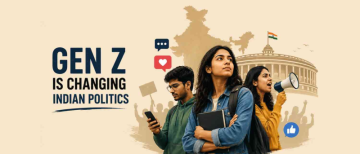
The appointment comes against the backdrop of increasing political attention on India's younger population and the changing expectations of Generation Z. The BJP's choice of a relatively young, low-profile and technology-oriented politician suggests an effort to build a fresh connection with young voters.
Joshi was born in 1991 and developed his political career in Vadodara. He studied physiotherapy at Maharaja Sayajirao University and entered civic governance in 2022 as vice-chairman of the Vadodara Municipal Corporation's School Committee.
His political rise has been rapid. He contested the 2024 Lok Sabha election from Vadodara and won. He was later given responsibilities within Gujarat's organisational structure and became Gujarat BJP Yuva Morcha president in December 2025 before being elevated to the national position.
The BJP leadership appears to have valued his technology skills and communication abilities. Joshi has been associated with initiatives such as a "Digital MP Office" in Vadodara and previously organised a large-scale digital meeting during his tenure in the youth wing.
His ability to communicate in Gujarati, Hindi and English could also prove useful as the BJP attempts to connect with young voters across different regions.
The task before him, however, is considerably larger than managing a youth organisation. He will have to help the BJP understand and engage with a generation whose political concerns, communication habits and expectations can differ significantly from those of older voter groups.
Northeast Gets Special Attention
Another clear feature of the BJP's new organisational structure is the emphasis on the Northeast.
Three leaders from the region — one each from Tripura, Assam and Nagaland — have been included in the national team. Former Tripura chief minister Biplab Kumar Deb has been appointed national general secretary, while Nagaland Rajya Sabha MP Phangnon Konyak has also received a prominent organisational position.
The party's North-East Coordination Cell will continue under Sambit Patra.
The emphasis is part of a wider attempt to ensure that the BJP's national organisation reflects regional political realities rather than being dominated by leaders from a handful of states.
The same approach can be seen in the inclusion of leaders from Andhra Pradesh, Tamil Nadu, Kerala, West Bengal, Odisha and Punjab. D Purandeswari has been appointed national vice president from Andhra Pradesh, while M Venkatesan from Tamil Nadu has been made a national secretary.
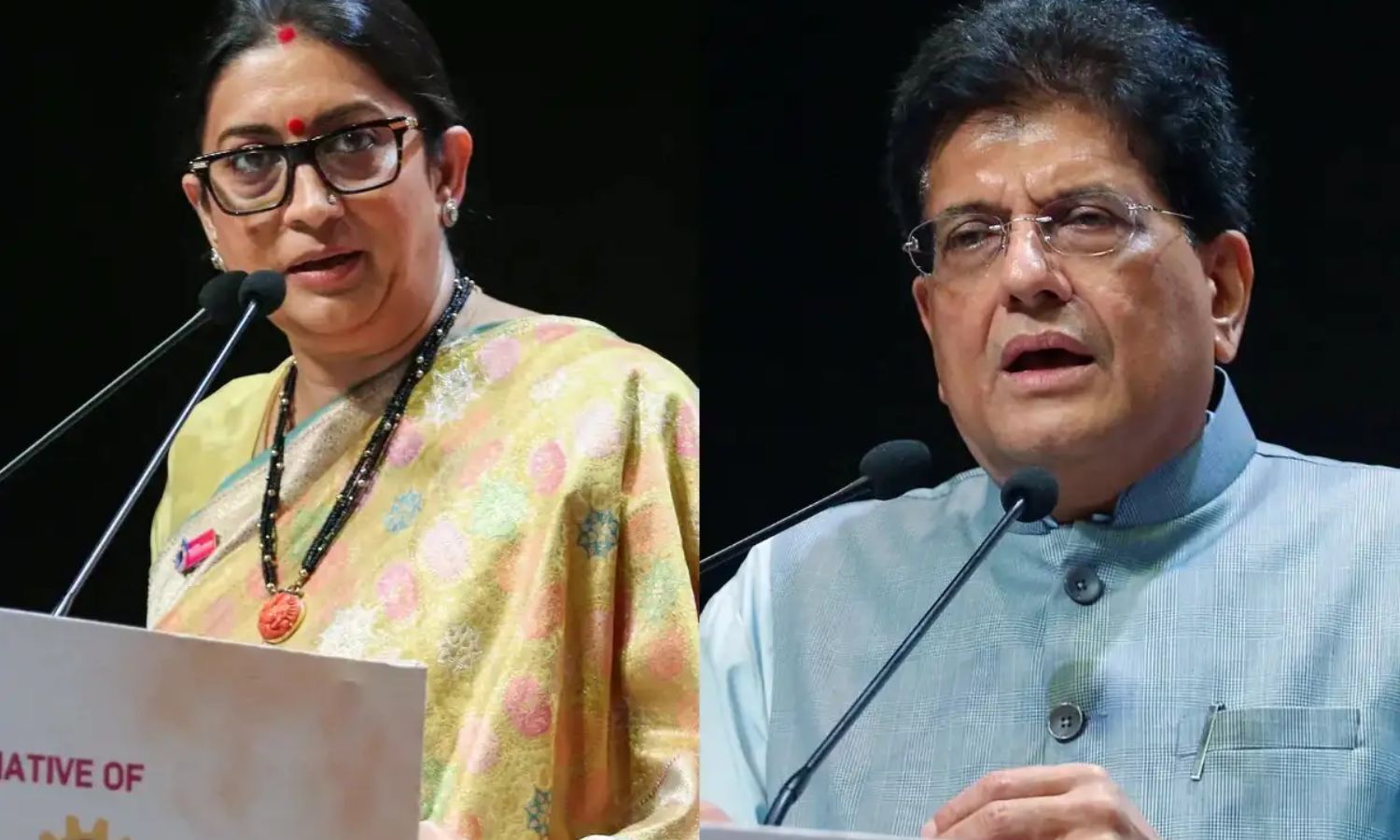
Social Representation at the Centre of BJP Strategy
The new team also puts considerable emphasis on caste, community and social representation.
The BJP says more than 40 per cent of the office-bearers come from marginalised communities. Four tribal representatives have been included, representing West Bengal, Madhya Pradesh, Maharashtra and the Northeast. Three members from Uttar Pradesh, Tamil Nadu and Madhya Pradesh represent Scheduled Caste communities.
The national team also includes representatives from several religious communities, including Sikh, Christian, Muslim, Jain and Parsi members.
For a party seeking to maintain a broad national electoral coalition, such representation carries political importance. Organisational appointments can help the BJP strengthen connections with communities and regions where electoral competition is intense or where it is seeking to expand its footprint.
The appointments also include professionals from different fields. The new team has professors, doctors, engineers, chartered accountants, lawyers and PhD holders, alongside politicians and full-time organisational workers.
A Team Designed With 2029 in Mind?
While the immediate priority is likely to be the coming round of assembly elections, the scale and composition of the appointments point to a longer-term objective.
The BJP's national team is not simply a list of office-bearers. It is also a potential leadership pool for the years ahead.
The presence of former chief ministers, sitting MPs, former Union ministers, young politicians and leaders from different social backgrounds gives the party a large bench of people who can be deployed for organisational and electoral responsibilities.
The focus on youth, women, regional representation and digital communication also reflects the changing nature of Indian electoral politics.
For Nitin Nabin, who is leading the organisation at a crucial stage, the challenge will be to turn this diversity into an effective political machine. Having representatives from 23 states and Union Territories creates breadth, but the real test will be coordination, execution and electoral performance on the ground.
What the BJP's Revamp Signals
Taken together, the appointments suggest that the BJP is attempting to prepare for the next phase of its political journey rather than merely filling organisational vacancies.
The return of Smriti Irani and Ram Madhav brings institutional and political experience. Vasundhara Raje reinforces the presence of veteran state-level leadership. Hemang Joshi represents a younger generation, while Deepak Mhaske's appointment indicates a fresh approach to the party's digital communications structure.
At the same time, the emphasis on women, tribal communities, the Northeast, southern and eastern states and younger leaders shows that the BJP wants its national organisation to mirror the diversity of the electorate it seeks to represent.
The most important question now is whether this carefully balanced structure can translate into stronger grassroots organisation and electoral results.
With state elections ahead and the 2029 Lok Sabha contest already forming part of the BJP's longer-term political horizon, Nitin Nabin's new team has been handed a broad mandate: preserve the strengths of an established political organisation while building the next generation of leaders, communicators and campaigners.
The reshuffle may therefore be best understood not simply as a change of names, but as an attempt to recalibrate the BJP's organisation for the political battles ahead.
With input from agencies
Image Source: Multiple agencies
© Copyright 2026. All Rights Reserved. Powered by Vygr Media.