 By

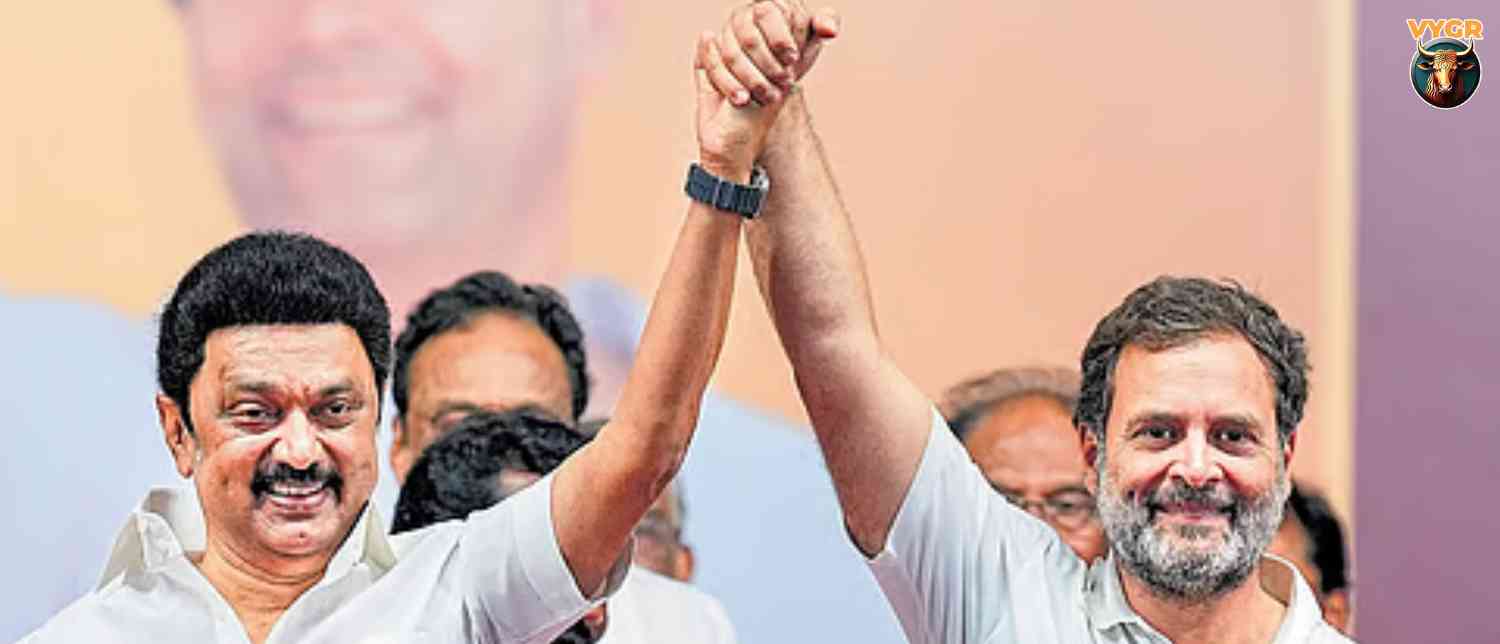
A last-minute effort by the opposition to change DMK chief MK Stalin’s mind has ended without success. A high-profile INDIA bloc delegation travelled to Chennai to ask Stalin to oppose the Centre’s revised delimitation legislation, but he stood firm. The BJP wasted no time in turning the moment into a political jab at Rahul Gandhi.
The episode has become about much more than one meeting. It has exposed how much the relationship between the Congress and the DMK has changed, and how closely the numbers in Parliament are being watched.
What Happened in Chennai
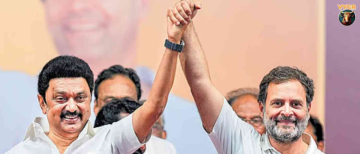
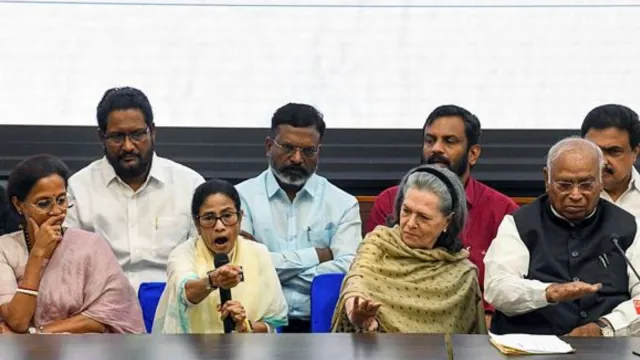
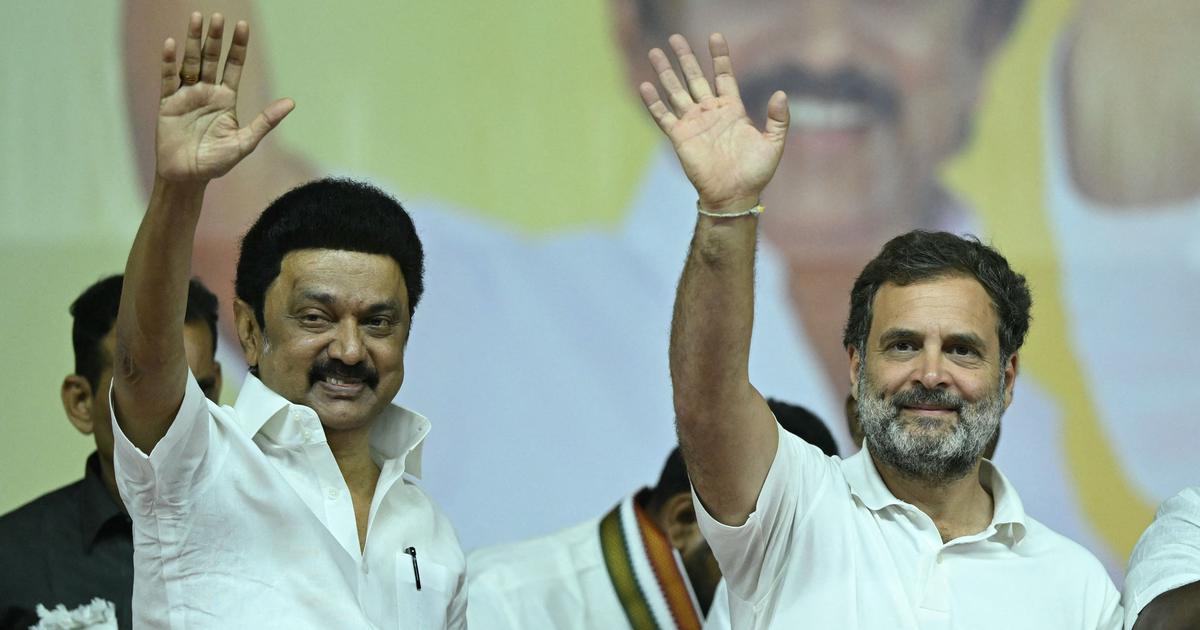
On Sunday, a delegation of senior opposition leaders met Stalin in Chennai. It included Congress president Mallikarjun Kharge, former party chief Sonia Gandhi, Rahul Gandhi and Trinamool Congress supremo Mamata Banerjee. The meeting reportedly lasted about 75 minutes.
Before heading to Chennai, Rahul Gandhi had publicly appealed to the DMK to oppose the constitutional amendment bills linked to delimitation, describing Stalin as a leader who has long stood up for Tamil Nadu. The opposition’s argument was clear: the proposed expansion and redrawing of Lok Sabha seats would harm federal balance and democracy.
When the meeting ended, the delegation had not got what it came for.
Why Stalin Stood His Ground
According to accounts from the room, Stalin told the delegation that the demands the DMK had raised from the beginning have been built into the new version of the bill. In his view, the revised legislation is the best available outcome for Tamil Nadu.
He also made the point that if the bill is defeated, Tamil Nadu could lose even the minimal protection it now stands to receive. As a Dravidian and Tamil Nadu leader, he said, his first priority is the state’s interest.
There was also an emotional undercurrent. DMK leaders reportedly reminded the Congress that they had stood by the party through three straight general election defeats, only to be left behind after a single electoral loss. That is a reference to the Congress deciding to back Chief Minister Vijay’s TVK after the 2026 Tamil Nadu Assembly election, a decision that led the DMK to leave the INDIA bloc at the national level.
Rahul Gandhi’s Plea
Rahul Gandhi’s message to Stalin was blunt. He warned that the BJP would betray the DMK and urged the party not to help the bill pass. Speaking separately at the Chennai airport, he argued that once constituencies are reshaped around a House of 850 seats, democracy in the country would be badly damaged, and that Tamil language and culture would face an attack. He said the delegation had asked “Brother Stalin” to protect the state and stop the BJP’s plan.
The Congress and its allies have also argued that the bills would hurt the interests of Scheduled Castes and Scheduled Tribes and could give the ruling party a lasting advantage.
The BJP’s Reaction: “It’s Done, Bro”
The BJP’s response was quick and sharp. Karnataka BJP president BY Vijayendra posted on social media that the matter was “done” and said Rahul Gandhi and what he called his “comical tour party” had finally got a taste of their own medicine.
He went further, accusing Rahul Gandhi of calling Stalin his brother when Congress needed the DMK, and then siding with the DMK’s political rivals to form a government in Tamil Nadu. He also argued that defeating the Delimitation Bill could itself cost southern states their political representation, and that Congress was willing to risk that for narrow political gains. In his words, the only future Rahul Gandhi appears worried about is his own.
Other BJP leaders have maintained that delimitation is not a conspiracy by the party but a constitutional requirement.
How the Congress–DMK Relationship Changed
To understand the meeting, it helps to look at how the two parties arrived here.
- A long alliance: The Congress and the DMK were partners for years in Tamil Nadu and in the INDIA bloc.
- The 2026 Assembly election: The DMK lost power in Tamil Nadu, and the TVK, led by Vijay, emerged as the single-largest party.
- The Congress shifts: The Congress walked out of the DMK-led alliance and extended support to the TVK government.
- The DMK leaves the bloc: In response, the DMK exited the INDIA bloc at the national level.
- A softer stand on the bill: Over the following months, the DMK signalled it would judge the revised bill on merit and check whether Tamil Nadu’s concerns were addressed, even as party leaders insisted their long-standing opposition to delimitation had not changed.
Against that background, the Chennai visit was always going to be an uphill climb.
The Two Sides of the Argument
The delimitation debate is not simple, and both sides have a case.
The case against the bill, as made by its opponents:
- Redrawing seats on updated population figures could reduce the relative weight of states that have controlled population growth.
- A much larger Lok Sabha, they say, changes the political balance in ways that may favour some regions over others.
- Linking the women’s quota to delimitation delays the reservation for women.
The case for the bill, as made by its supporters:
- Delimitation is required by the Constitution, and the government says it will not discriminate against any state or region.
- The revised proposal, according to the DMK’s reading, includes safeguards that protect Tamil Nadu’s share.
- Defeating the legislation, in this view, could leave southern states with less protection, not more.
These are genuinely contested claims, and the final text of the bill and how it works in practice will matter more than the rhetoric on either side.
Why the Numbers Matter
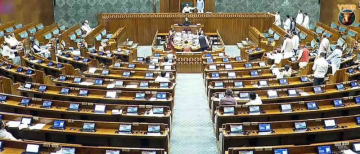
The delimitation proposal involves a constitutional amendment, which needs a special majority in Parliament. That means every party’s vote counts, and parties with a handful of MPs suddenly find themselves with influence. Smaller parties are reportedly setting out their own terms for support, and floor leaders of the INDIA bloc were scheduled to meet before the special sitting to plan their approach.
The DMK’s stand is one of the key variables. Its refusal to join the opposition push means the bloc will have to look elsewhere for votes to block the bill.
The Politics Behind the Moment
Beyond the legislation, this episode says something about alliance politics. The Congress is trying to hold together an opposition that has been shaken by regional rivalries. In Tamil Nadu, it has chosen one partner, and in doing so, has lost another. The BJP, for its part, has found a convenient opportunity to point to the opposition’s divisions.
Whether the BJP’s mockery lands with voters, or whether the DMK’s decision is accepted in Tamil Nadu, will play out in the months ahead.
Final Word
A 75-minute meeting did not change Stalin’s mind. The DMK says it is acting in the interest of Tamil Nadu, the Congress says the bill threatens federal balance, and the BJP says the opposition is divided and acting out of political convenience.
With Parliament set to take up the legislation, the next few days will show whose arithmetic is right.
© Copyright 2026. All Rights Reserved. Powered by Vygr Media.