 By

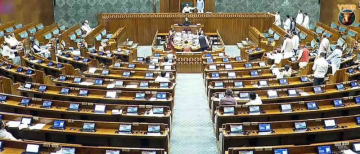
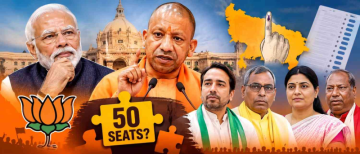
The Centre may be about to reopen one of the most politically charged debates in the country. According to reports, the government is considering two key proposals tied to delimitation, the redrawing of constituencies: a uniform 50 per cent increase in Lok Sabha seats across all states, and delinking the exercise from the Census. The proposals could be announced after the Union Cabinet meeting scheduled for 1 pm on Friday.
The move is part of a renewed attempt to advance the delimitation-linked women’s reservation legislation, which failed to secure the required support in Parliament in April.
Where things stand
It is worth being clear about what is and isn’t confirmed. These are proposals the government is reportedly likely to consider, not decisions announced or laws passed. Details could change after the Cabinet meeting and any subsequent discussion in Parliament. Reports also indicate that Parliament has been called for a four-day sitting beginning November 30, amid speculation about fresh moves on the subject.
How we got here
The women’s reservation law, passed with near-unanimous support in 2023, promises one-third of Lok Sabha and state assembly seats for women. But it ties implementation to a delimitation exercise that follows the first Census after the constitutional freeze on seat allocation lapses in 2026. That sequencing is why the quota was widely expected to take effect only around 2029 at the earliest.
In April 2026, the government called a special session to speed things up. It brought a package that included the Constitution (131st Amendment) Bill, which would have allowed the Lok Sabha to expand to as many as 850 seats and tweak the women’s reservation framework, along with a separate Delimitation Bill. The plan involved using 2011 Census data instead of waiting for the ongoing Census to finish.
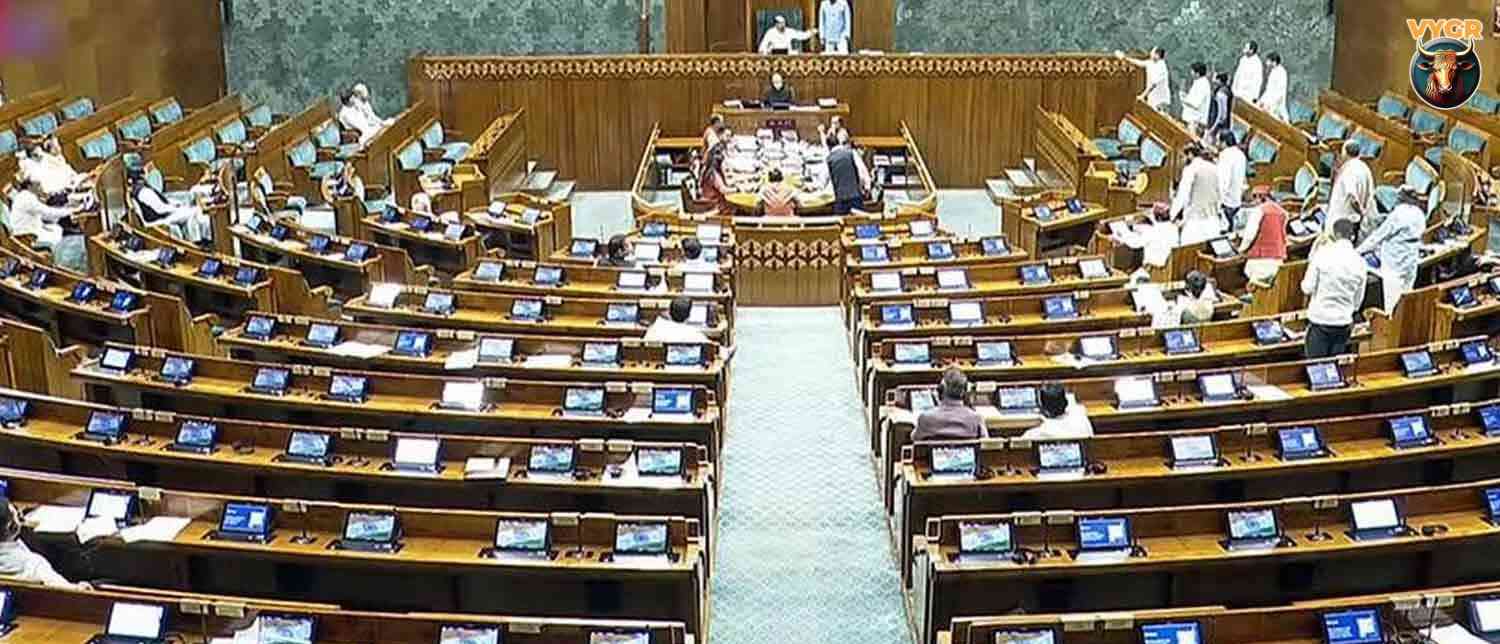
The amendment needed a two-thirds majority and didn’t get one. On April 17, it failed in the Lok Sabha, with 298 votes in favour and 230 against. The Delimitation Bill was subsequently withdrawn. It was the first time a constitutional amendment bill failed to pass during Prime Minister Narendra Modi’s tenure.
What the government is now considering
The two reported ideas are simple to state.
A uniform 50 per cent increase for every state. Instead of adjusting seats according to population, each state’s Lok Sabha strength would rise by the same proportion. A 50 per cent rise on the current 543 seats would take the House well past 800, though the exact total would depend on how the figures are rounded.
Delinking delimitation from the Census. This would remove the requirement that seat redrawing wait for fresh Census data, which could shorten the timeline for implementing the women’s quota.
The government made a version of the first idea in April. Home Minister Amit Shah offered a guarantee of a proportional 50 per cent increase for all states during the debate, and said no state, including those in the south, would lose representation. He said the five southern states would go from 129 seats to 195, with their overall share edging up slightly.
The government’s case
Supporters of the plan make several arguments. The exercise has been frozen for roughly five decades, they say, so constituencies have grown enormously in population, which makes rationalisation necessary. A proportional increase for every state, they argue, answers the fear that some regions would lose political weight, since every state’s share would stay in line. And enlarging the House, they add, means reserving seats for women doesn’t require shrinking anyone else’s representation.
The BJP has also argued that the north-south divide narrative promoted by the opposition has been addressed by an equal percentage increase for everyone.
The opposition’s objections
The opposition’s case has not been that women shouldn’t get reservation. Most parties say they support it. Their objections are about the link to delimitation and the expansion of Parliament.
Opposition parties argued that tying the quota to delimitation could affect the relative political weight of states. They pointed in particular to southern and eastern states, which say they were penalised for doing better on population control. Some also objected to provisions that would let the government or Parliament decide the timing of the Census and delimitation instead of following the constitutional timeline.
The Congress asked the government to implement women’s reservation within the existing strength of the House, without tying it to delimitation or the Census. After the April defeat, opposition leaders celebrated it as a rejection of what they called a delimitation plan, and leaders such as Tamil Nadu’s M K Stalin took a particularly hard line. Prime Minister Modi, in an address after the vote, strongly criticised the opposition and said it would pay for its stand electorally.
Why this keeps coming back
The tension is structural. Women’s reservation is widely popular and has been promised across party lines for decades. Delimitation, though, touches the balance of power between states, between regions and between parties. Putting them in one package means a vote on one is inevitably seen as a vote on the other.
Delinking delimitation from the Census doesn’t remove that tension. It could speed things up, but it also raises questions about what data would be used and who decides. A uniform 50 per cent increase may ease some fears, but critics are likely to ask about the long-term consequences of a much larger House and whether a proportional formula would hold in future rounds.
What to watch next
The first signal will be whatever the Cabinet decides on Friday. After that, the key questions are whether the government brings a revised constitutional amendment, whether it shares the numbers state by state, and whether the opposition finds the changes enough to shift its position. Any amendment needs a two-thirds majority in both Houses, so the government cannot succeed without at least some opposition support.
Frequently Asked Questions
What is the government reportedly considering?
Two proposals: a uniform 50 per cent increase in Lok Sabha seats across all states, and delinking delimitation from the Census.
Is this official?
Not yet. The proposals are reported as likely to be considered, with a possible announcement after the Union Cabinet meeting on Friday.
What happened in April?
The Constitution (131st Amendment) Bill failed in the Lok Sabha on April 17 with 298 votes for and 230 against, short of the required two-thirds majority.
Why did the opposition object?
Mainly because the bill linked women’s reservation to delimitation and the expansion of Parliament, which they said could affect the relative representation of states, particularly in the south and east.
What does delimitation mean?
It is the process of redrawing constituency boundaries and, in some cases, adjusting the number of seats so that each represents a roughly equal population.
What is the government’s argument for a 50 per cent increase?
That a proportional rise for every state keeps each state’s share intact, answers the fear of regional imbalance, and allows women’s seats to be added without cutting anyone else’s.
© Copyright 2026. All Rights Reserved. Powered by Vygr Media.