 By

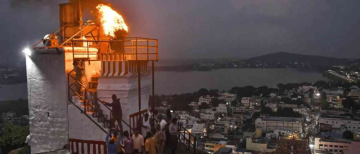
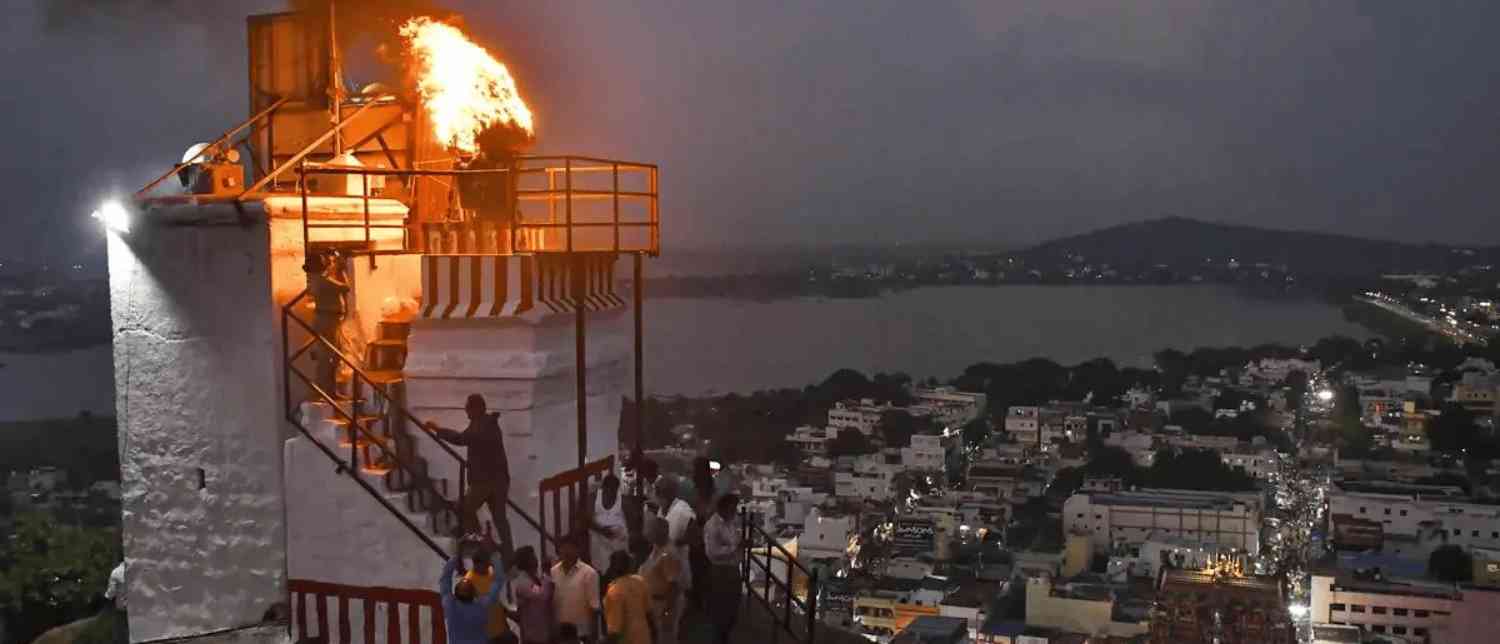
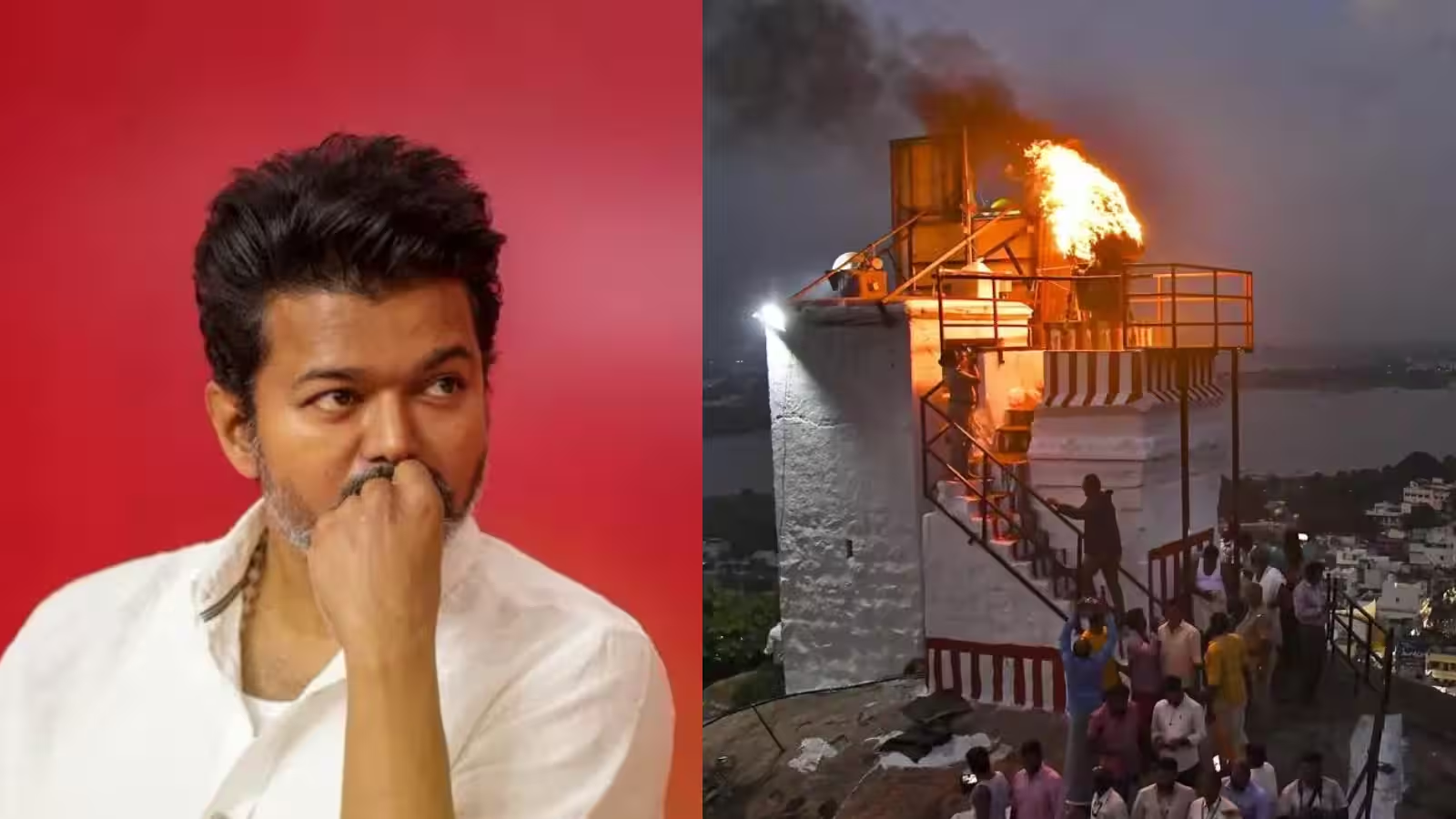
The Thirupparankundram Deepam controversy in Tamil Nadu has taken a dramatic turn, with the Supreme Court stepping in after the ceremonial lamp was not lit at the designated Deepathoon pillar despite an earlier judicial direction. Expressing serious displeasure over the failure to implement its order, the apex court has questioned the Madurai district administration, criticised the temple authorities and ordered fresh arrangements to ensure that the traditional Karthigai Deepam is lit at the disputed hilltop location.
In a significant development on November 27, 2026, the Supreme Court ordered that the Deepam be lit atop the Deepathoon on November 28. It also ordered the suspension of the temple's board of trustees and the deployment of the Central Reserve Police Force (CRPF) to maintain security at the temple and Thiruparankundram hill.
The developments have brought the long-running Thiruparankundram Deepam dispute back into the national spotlight, raising important questions about religious traditions, administrative accountability, public order and compliance with Supreme Court directions.
What Is the Thirupparankundram Deepam Controversy?
The dispute revolves around the location where the traditional Karthigai Deepam lamp should be lit on Thiruparankundram hill in Madurai, Tamil Nadu.
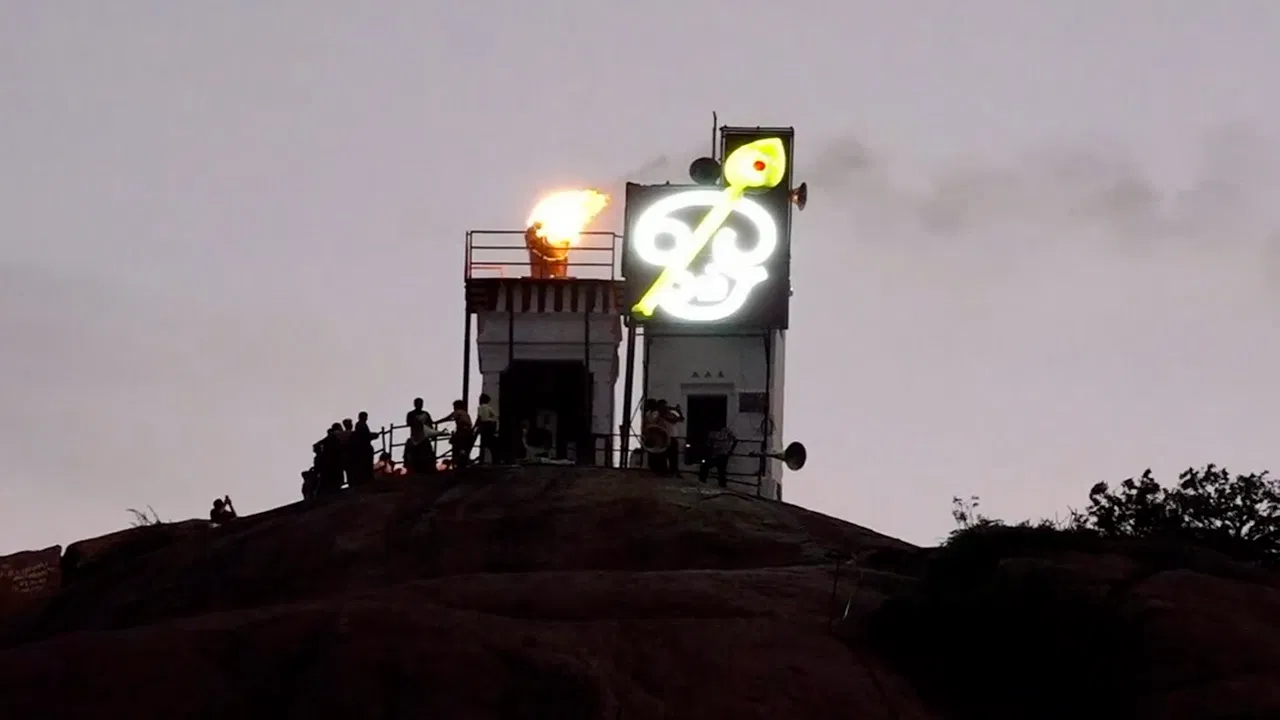
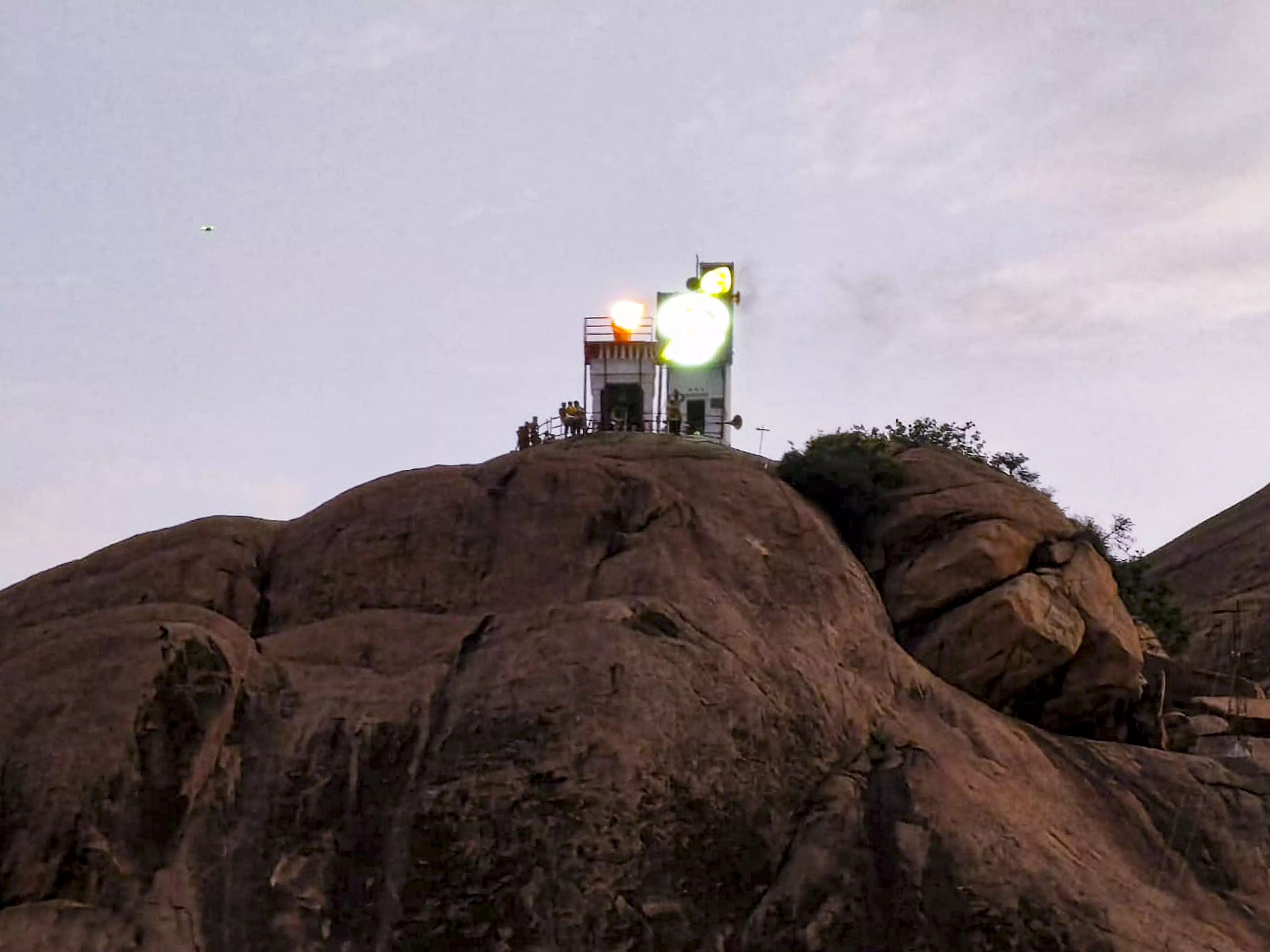
The Arulmigu Subramaniaswamy Temple, located at the foothills, is an important religious site. The controversy concerns a stone pillar known as the Deepathoon, situated higher up the hill, approximately 50 metres from the Hazrat Sultan Sikandar Badusha Dargah.
For decades, the annual Karthigai Deepam ceremony has been conducted at the Uchipillayar Mandapam, also known as the Deepa Mandapam, near the temple. However, Hindu devotees and petitioners sought permission to light an additional ceremonial lamp at the Deepathoon, arguing that the ritual should also take place at the hilltop pillar.
The location has become contentious because of its proximity to the dargah and disagreements over the nature, ownership and religious significance of the surrounding area.
While Hindu groups have argued in favour of lighting the lamp at the Deepathoon, the Tamil Nadu government has maintained that the pillar is essentially a survey stone erected during British rule and not necessarily a structure associated with the temple.
The dargah management has also opposed the demand, asserting its rights over the hilltop property.
Consequently, what began as a disagreement over a religious ceremony has developed into a wider legal dispute involving religious practices, property-related claims, administrative decisions and public order.
Supreme Court's November 20 Order Allowed One-Time Deepam Lighting
The controversy escalated after the Supreme Court intervened in the matter on November 20, 2026.
A bench comprising Justices Aravind Kumar and Vipul M Pancholi permitted the lighting of the Karthigai Deepam at the Deepathoon on November 24 as a one-time arrangement.
The permission came with specific safeguards to prevent tensions and ensure that the ceremony could take place peacefully.
Under the court's directions, the temple administration was required to authorise a restricted team to perform the ritual. The Madurai District Collector was assigned responsibility for coordinating and supervising the arrangements in consultation with the relevant authorities, including the Archaeological Survey of India (ASI), the temple administration and the police.
The court also made it clear that the temporary permission should not be interpreted as recognition of any permanent customary, religious or ownership rights over the disputed location.
This distinction was important because the Supreme Court's immediate concern was to facilitate the ceremonial lighting without prejudging the larger dispute.
However, despite the judicial direction, the Deepam was not lit at the Deepathoon on November 24.
Deepam Lit at Traditional Location Instead of Disputed Hilltop Pillar
On November 24, the annual Karthigai Deepam ceremony took place at the customary Uchipillayar Mandapam. However, the lamp was not lit at the Deepathoon, as permitted by the Supreme Court.
The development triggered fresh criticism from Hindu petitioners, who accused the Tamil Nadu administration and temple authorities of deliberately avoiding compliance with the court's directions.
According to the Madurai District Collector, Nishant Krishna, the district administration had made repeated attempts to secure the necessary authorisation from the temple management.
In his compliance report submitted to the Supreme Court, the Collector explained that meetings were held on November 21 and 22, followed by official communications, letters, emails and reminders. He also sought intervention from senior officials of the Tamil Nadu Hindu Religious and Charitable Endowments (HR&CE) Department.
However, the temple's board of trustees did not authorise the team required to light the lamp at the Deepathoon.
Instead, the trustees reportedly decided that the ceremony should take place at its customary location.
The Collector subsequently apologised to the Supreme Court, stating that he had made efforts to implement the judicial direction in good faith but could not proceed without the temple administration's authorisation.
His explanation, however, failed to satisfy the petitioners, who argued that the authorities had effectively found a way to avoid implementing the court's order.
Supreme Court Questions Madurai Collector Over Non-Compliance
The failure to light the Deepam at the designated location brought the matter back before the Supreme Court on November 27.
During the hearing, the bench made it clear that it was primarily examining compliance with its November 20 order rather than reopening the entire underlying dispute.
The petitioners argued that the Collector and other authorities had failed to fulfil their responsibilities. They also questioned the temple trustees' decision, maintaining that an administrative resolution could not override a direction issued by the country's highest court.
The Collector's explanation became a major point of discussion.
The Supreme Court questioned why the district administration had not ensured that the lamp was lit despite the Collector being appointed as the nodal officer responsible for coordinating and supervising the arrangements.
The bench reportedly emphasised that the responsibility for implementing the court's direction rested with the district administration and that officials could not simply shift the blame to the temple management.
The court also expressed serious concern over what it viewed as deliberate and wilful non-compliance.
Describing the situation as a potential case of contempt of court, the bench warned that no individual or authority could dilute or disregard judicial orders.
The judges also expressed concern that such conduct could create administrative disorder and undermine the authority of the judiciary.
The Supreme Court's observations marked a significant escalation in the Thiruparankundram Deepam row, shifting the immediate focus from the religious disagreement to the question of accountability for failing to follow a judicial direction.
Supreme Court Suspends Temple Trustees, Orders CRPF Deployment
In its strongest intervention yet, the Supreme Court issued significant directions on November 27, 2026, following the failure to implement its earlier order.
The court ordered that the Karthigai Deepam be lit at the Deepathoon on Saturday, November 28, rather than allowing the controversy to continue.
It also ordered the suspension of the temple's board of trustees, holding the management accountable for its role in the failure to carry out the earlier direction.
The court further appointed retired judicial authorities as receivers to oversee the temple's administration. The move is intended to ensure that the temple's affairs are managed under independent supervision amid the ongoing controversy.
Another major development was the Supreme Court's decision to hand over security arrangements for the temple and Thiruparankundram hill to the Central Reserve Police Force (CRPF).
The deployment of central security personnel is aimed at maintaining peace, preventing potential clashes and ensuring that the Deepam lighting ceremony takes place without disruption.
The court also warned that strict action could follow against anyone attempting to create unrest or undermine its directions.
These measures underline the seriousness with which the Supreme Court is treating the issue. The suspension of the trustees and the deployment of central forces represent a significant development in the ongoing Tamil Nadu temple controversy.
Tamil Nadu Government Faces Questions Over Alleged Contempt of Court
The Supreme Court's intervention has also intensified scrutiny of the Tamil Nadu government and its administrative machinery.
During the proceedings, the bench reportedly observed that the conduct of the officials involved raised serious concerns about administrative functioning and compliance with judicial orders.
The court indicated that a prima facie case of contempt and wilful disobedience had been made out against several authorities, including the Madurai District Collector, the temple's Executive Officer, the board of trustees and other officials whose involvement would be established through the record.
The court also questioned the explanation submitted by the Collector and criticised the attempt to place responsibility entirely on the temple administration.
In addition, the Supreme Court directed the Tamil Nadu Chief Secretary to submit an affidavit containing details of meetings, communications and relevant call records connected with the Deepam controversy.
The Chief Secretary was also directed to appear personally before the court.
Notices were issued to senior government and police officials, including the Director General of Police, the HR&CE Commissioner, the Madurai Collector and other concerned authorities.
The proceedings indicate that the court wants a clear understanding of how the decision not to light the lamp at the Deepathoon was reached and who was responsible for the failure to implement its order.
The larger issue of the disputed pillar's religious or ownership status, however, remains separate from the immediate question of compliance with the November 20 direction.
Why the Deepathoon Dispute Has Become So Significant
The Thiruparankundram Deepam controversy is no longer limited to deciding where a ceremonial lamp should be lit. It has developed into a larger discussion about the relationship between religious traditions, administrative authority and the rule of law.
For devotees seeking permission to light the lamp at the Deepathoon, the issue concerns the recognition of their religious practices and the opportunity to perform the Karthigai Deepam ritual at the disputed location.
For the authorities opposing the arrangement, the concerns involve the existing customs, the status of the hilltop structure, property-related claims and the possibility of disturbing the existing situation.
The proximity of the Deepathoon to the dargah has added another dimension to the disagreement, making the matter particularly sensitive.
However, the Supreme Court's November 20 order had attempted to address the immediate issue through a restricted, one-time arrangement with specific security safeguards.
The subsequent failure to implement that direction has now brought administrative accountability and judicial authority to the forefront.
The court's latest intervention also demonstrates that compliance with judicial orders cannot be treated as optional, even when administrative or institutional disagreements arise.
At the same time, the dispute highlights the importance of maintaining communal harmony and ensuring that religious disagreements do not escalate into law-and-order problems.
What Happens Next in the Thiruparankundram Deepam Row?
With the Supreme Court ordering fresh Deepam lighting arrangements for November 28, attention is now focused on whether the ceremony will finally take place at the Deepathoon under the supervision of the designated authorities.
The CRPF deployment and the suspension of the temple trustees are expected to play an important role in ensuring that the court's latest directions are implemented.
The court's proceedings will also remain significant for the officials facing scrutiny over the alleged non-compliance. The Chief Secretary's affidavit, the administrative communications and the records sought by the bench could help establish the sequence of decisions that led to the controversy.
Meanwhile, the broader disagreement concerning the Deepathoon, the dargah and the religious or property-related claims surrounding the hill remains an important aspect of the ongoing dispute.
It is equally important to understand that the Supreme Court's one-time permission to light the lamp does not automatically settle questions of permanent religious rights, customary practices or ownership.
The immediate priority is to ensure compliance with the court's directions while maintaining peace and preventing further tensions in the region.
What This Supreme Court Decision Means
The Thirupparankundram Deepam row has entered a crucial phase after the Supreme Court took strong action against the temple trustees and ordered CRPF deployment to oversee security at the disputed hill.
What started as a disagreement over the location of the traditional Karthigai Deepam ceremony has now become a major legal and administrative controversy, with the Madurai Collector and other officials facing serious questions over the failure to implement the court's earlier direction.
By ordering the lamp to be lit again on November 28, suspending the temple trustees and introducing independent administrative and security arrangements, the Supreme Court has made its position on compliance clear.
The coming days will be important in determining whether the latest directions are implemented peacefully and how the court proceeds with the alleged contempt issue.
Ultimately, the Thiruparankundram Deepam controversy is a reminder that religious sensitivities, administrative responsibilities and the authority of the judiciary must be handled with care. The challenge ahead will be to uphold the rule of law while ensuring that peace and communal harmony are not compromised.
© Copyright 2026. All Rights Reserved. Powered by Vygr Media.