 By
By 
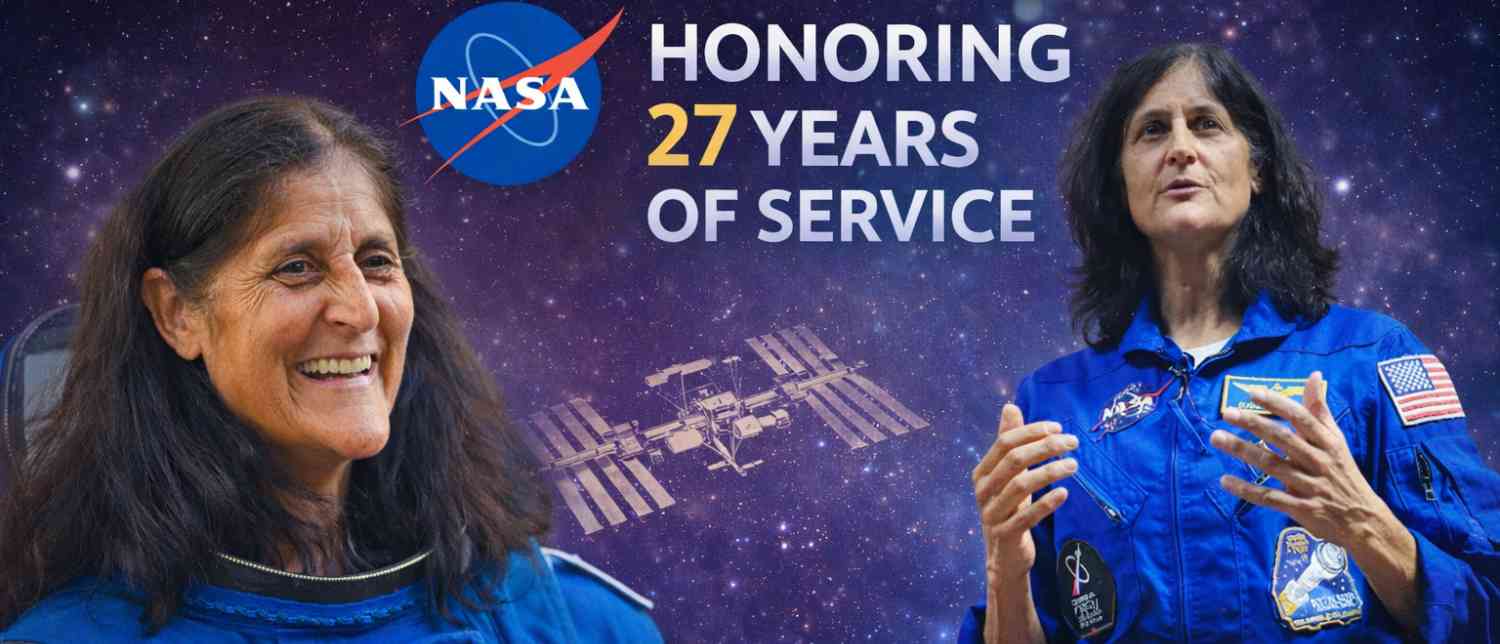
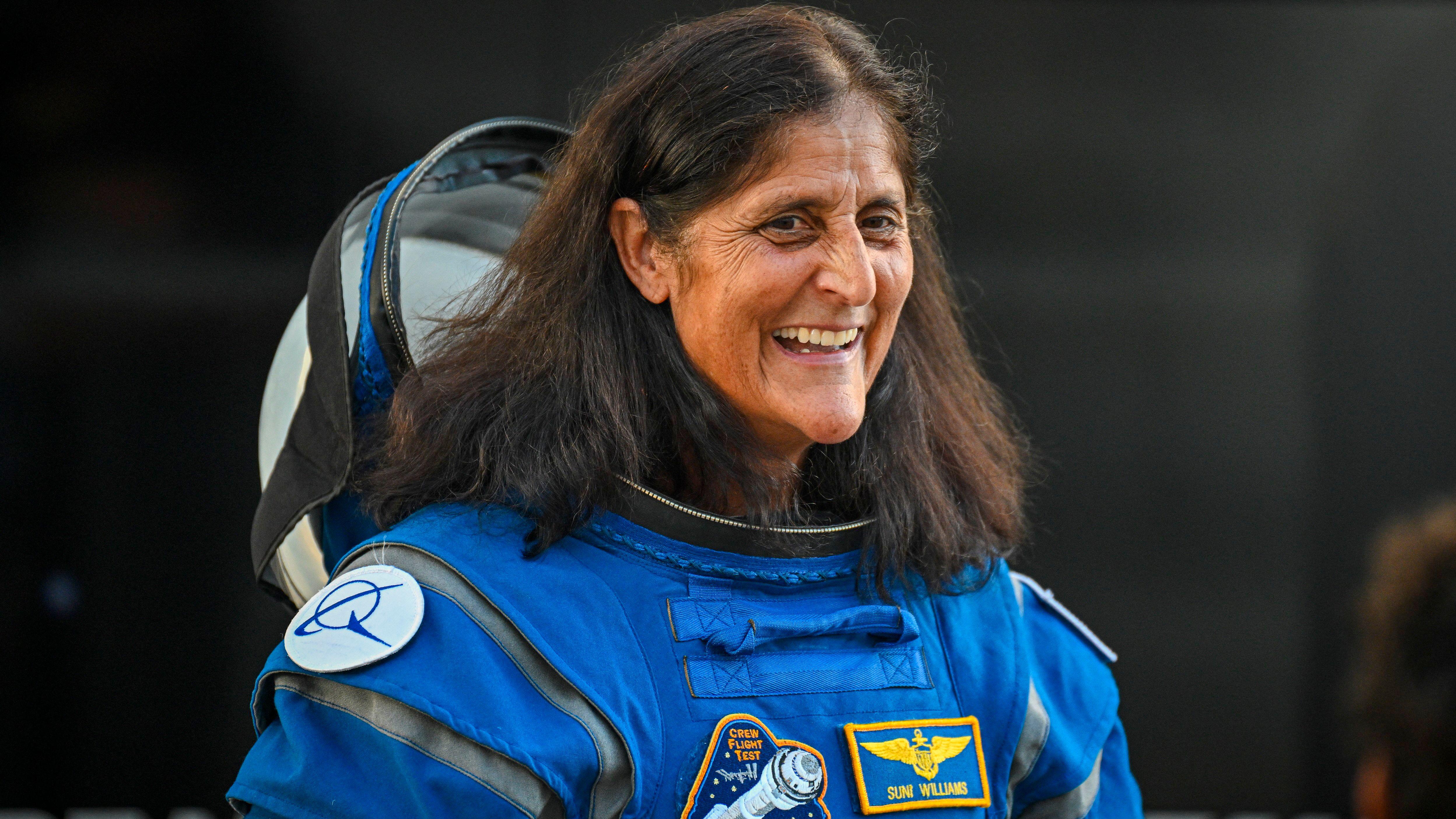
NASA astronaut Sunita Williams, one of the most accomplished and respected figures in the history of human spaceflight, has officially retired after an extraordinary 27-year career. The US space agency confirmed that her retirement took effect on December 27, 2025, bringing to a close a journey that not only redefined records but also reshaped the culture of long-duration space exploration.
Over nearly three decades, Williams emerged as a steady, fearless presence in orbit—commanding the International Space Station (ISS), navigating spacecraft transitions during critical missions, and quietly breaking barriers for women in space. With 608 cumulative days in space, nine spacewalks, and 62 hours and six minutes of extravehicular activity, her legacy stands among NASA’s most elite.
NASA Administrator Jared Isaacman described her career as transformative.
“Suni Williams has been a trailblazer in human spaceflight,” he said, noting that her leadership aboard the space station helped pave the way for NASA’s Artemis missions to the Moon and the agency’s long-term ambitions for human exploration of Mars.
A Career Defined by Endurance, Leadership, and Record-Breaking Achievement
Sunita Williams retires as the second-most experienced NASA astronaut by cumulative time in space, surpassed only by Peggy Whitson. Across three missions to the ISS, she logged 608 days in orbit, a testament to her endurance and operational reliability during long-duration missions.
Her spacewalking achievements are equally historic. Williams completed nine spacewalks, spending 62 hours and six minutes outside the spacecraft, making her the most experienced female spacewalker in history and ranking her fourth overall among all NASA astronauts.
She also ranks sixth among Americans for the longest single spaceflight, tied with fellow astronaut Butch Wilmore, after both spent 286 consecutive days in orbit during missions involving Boeing’s Starliner and SpaceX Crew-9.
“Over the course of Suni’s impressive career, she has been a pioneering leader,” said Vanessa Wyche, Director of NASA’s Johnson Space Center. “Her dedication and achievements will inspire future generations of explorers.”
Early Life and Personal Roots: A Foundation of Curiosity and Resilience
Sunita Lyn Williams was born in Euclid, Ohio, to Dr Deepak Pandya and Bonnie Pandya. While Ohio marks her birthplace, Needham, Massachusetts, remains her true hometown—the place where her ambitions, discipline, and early dreams took shape.
Outside her professional life, Williams is known for her deeply hands-on personality. She enjoys spending time with her two dogs, restoring houses and cars, maintaining aircraft, staying physically fit, and immersing herself in the outdoors through hiking and camping. These pursuits reflect the same practicality and resilience that defined her approach to aviation and spaceflight.
Her Indian heritage has also remained close to her heart. During a recent visit to India, Williams described returning to the country as a “homecoming,” reinforcing the global significance of her journey.
Academic Foundations: Building the Mind of an Explorer
Williams graduated from Needham High School in 1983 before enrolling at the United States Naval Academy, where she earned a Bachelor of Science in Physical Science in 1987.
Her commitment to education continued alongside her military career. In 1995, she completed a Master of Science in Engineering Management from the Florida Institute of Technology, a degree that equipped her with both technical expertise and leadership acumen—skills that would later prove critical in high-risk aviation, test piloting, and space operations.
A Distinguished Career in the United States Navy
Commissioned as an Ensign in the US Navy in May 1987, Williams began her service with a temporary assignment at the Naval Coastal System Command. She soon qualified as a Basic Diving Officer before entering Naval Aviation Training Command.
By July 1989, she earned her wings as a designated Naval Aviator, beginning a demanding and diverse flying career. Initially trained on the H-46 Sea Knight helicopter, she was assigned to Helicopter Combat Support Squadron 8 in Norfolk, Virginia.
Her operational deployments spanned the Mediterranean, the Red Sea, and the Persian Gulf, where she supported Operation Desert Shield and Operation Provide Comfort. In 1992, she served as Officer-in-Charge of an H-46 detachment deployed to Miami for Hurricane Andrew relief operations aboard USS Sylvania.
Williams’ selection for the United States Naval Test Pilot School in 1993 marked a turning point. After graduating, she served as an H-46 Project Officer, V-22 chase pilot, and Squadron Safety Officer, flying test missions across a wide range of aircraft. She later returned to the Test Pilot School as an instructor and safety officer.
Her final naval assignment placed her aboard USS Saipan as Aircraft Handler and Assistant Air Boss. By the time she was selected as a NASA astronaut, Williams had logged over 3,000 flight hours across more than 30 aircraft types, eventually surpassing 4,000 flight hours across 40 aircraft during her career.
She retired from the Navy as a Captain, one of the service’s highest ranks.
Selection by NASA and the Rigours of Astronaut Training
NASA selected Sunita Williams as an astronaut in June 1998, and she reported for training that August. Astronaut Candidate Training was rigorous, encompassing space shuttle and ISS systems, T-38 jet flying, robotics, spacewalking preparation, and survival training in both water and wilderness environments.
Following training, Williams worked in Moscow with the Russian Space Agency, supporting space station development and early expedition crews. She later joined NASA’s Robotics Branch, contributing to operations involving the station’s Robotic Arm and the Special Purpose Dexterous Manipulator.
Her adaptability was further tested during the NEEMO2 mission, where she lived underwater in the Aquarius habitat for nine days, simulating spaceflight conditions. After her first space mission, she served as Deputy Chief of the Astronaut Office, reflecting NASA’s confidence in her leadership.
First Spaceflight: Expeditions 14 and 15
Williams made her first journey into space on December 9, 2006, launching aboard Space Shuttle Discovery as part of the STS-116 mission. After docking with the ISS, she joined Expedition 14 as a Flight Engineer.
During this mission, Williams completed four spacewalks totalling 29 hours and 17 minutes, setting a then-record for female astronauts. Her stay extended into Expedition 15, and she returned to Earth on June 22, 2007, landing at Edwards Air Force Base in California with the STS-117 crew.
Commanding the ISS: Expeditions 32 and 33
Williams returned to orbit in July 2012, launching aboard a Soyuz spacecraft from Baikonur Cosmodrome alongside Yuri Malenchenko and Akihiko Hoshide. Joining Expeditions 32 and 33, she spent 127 days in space conducting research, maintenance, and operational tasks.
During Expedition 33, she served as Commander of the International Space Station, becoming only the second woman at the time to hold the role. The crew completed three critical spacewalks, replacing power components and repairing an ammonia leak, safeguarding the station’s integrity.
She returned to Earth in November 2012, further cementing her reputation as a calm, decisive leader in orbit.
The Starliner Mission and an Unplanned Extension
Williams’ most recent mission began in June 2024, when she launched aboard Boeing’s Starliner spacecraft alongside Butch Wilmore. The flight marked Starliner’s first crewed mission, a major milestone in NASA’s Commercial Crew Programme.
Originally planned as a week-long test flight, the mission extended to over nine months after NASA decided to return Starliner to Earth uncrewed due to technical issues. Williams and Wilmore transitioned into Expedition 71 and 72 crew members, relying on their experience to manage the prolonged stay.
They eventually returned to Earth in March 2025 aboard a SpaceX Dragon spacecraft, joined by Nick Hague and Roscosmos cosmonaut Aleksandr Gorbunov.
Expedition 72 and a Historic Spacewalking Record
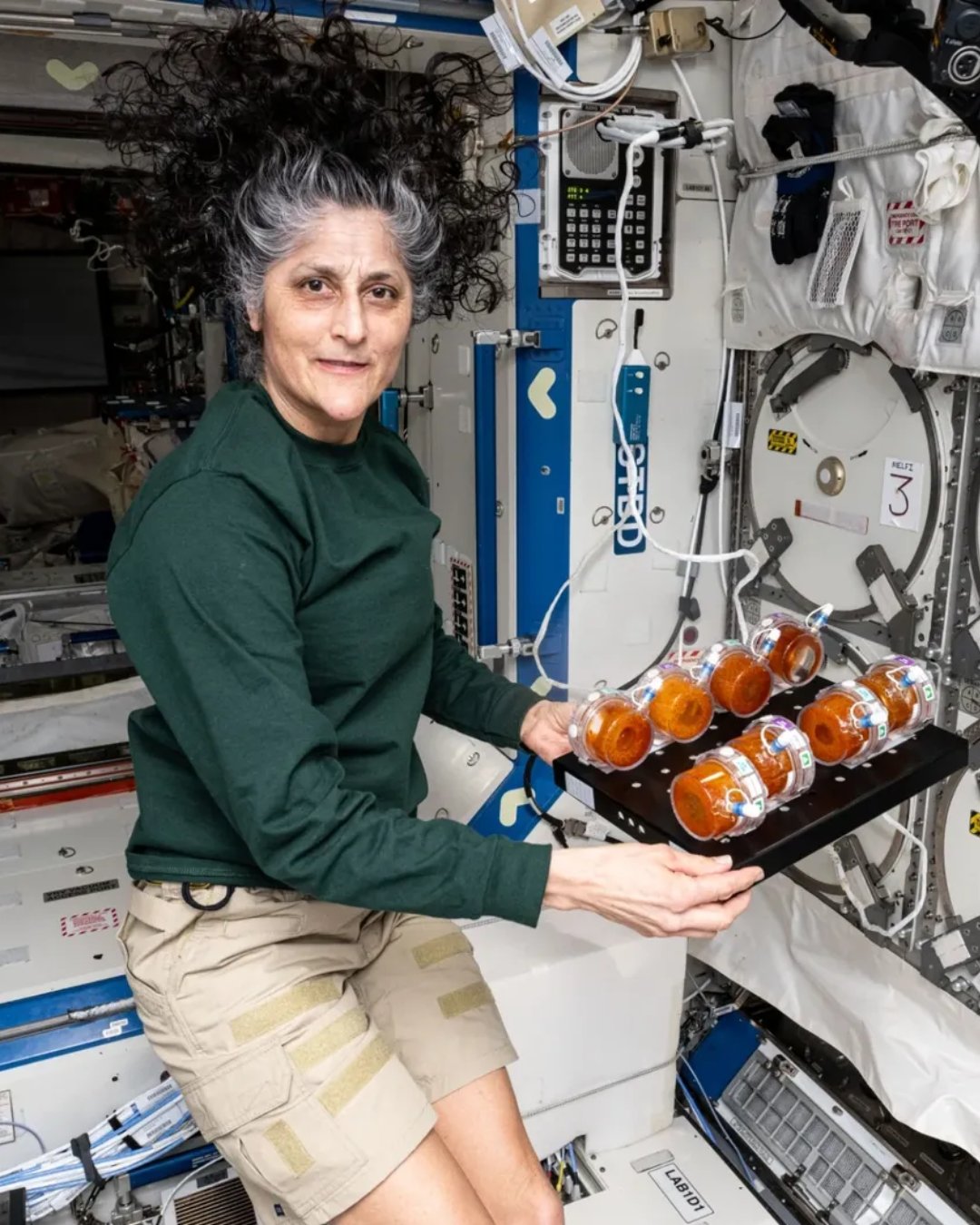
During Expedition 72, Williams again commanded the ISS and completed two additional spacewalks. In one historic outing, she and Wilmore removed a radio frequency antenna assembly from the station’s truss and collected samples from the Destiny laboratory and Quest airlock.
This mission pushed Williams past Peggy Whitson’s record, making her the female astronaut with the most cumulative spacewalking time in history.
Retirement from NASA: Closing a Remarkable Chapter
Sunita Williams officially retired from NASA and active astronaut service on December 27, 2025, concluding nearly four decades in aviation and exploration. NASA leadership praised her operational excellence, steady leadership, and calm presence—particularly during the complex Starliner mission.
“Anyone who knows me knows that space is my absolute favourite place to be,” Williams said. “It’s been an incredible honour to serve in the Astronaut Office and fly in space three times.”
While stepping away from active duty, she has expressed her intention to remain involved through mentorship, public outreach, and advisory roles.
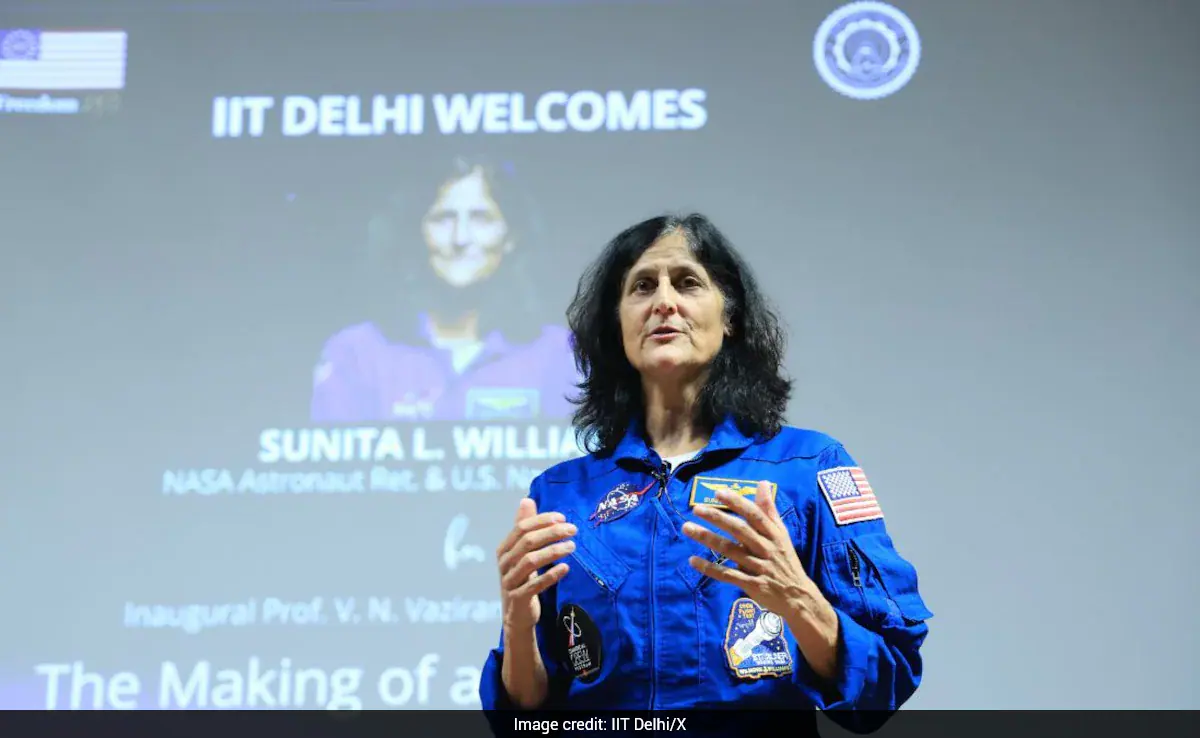
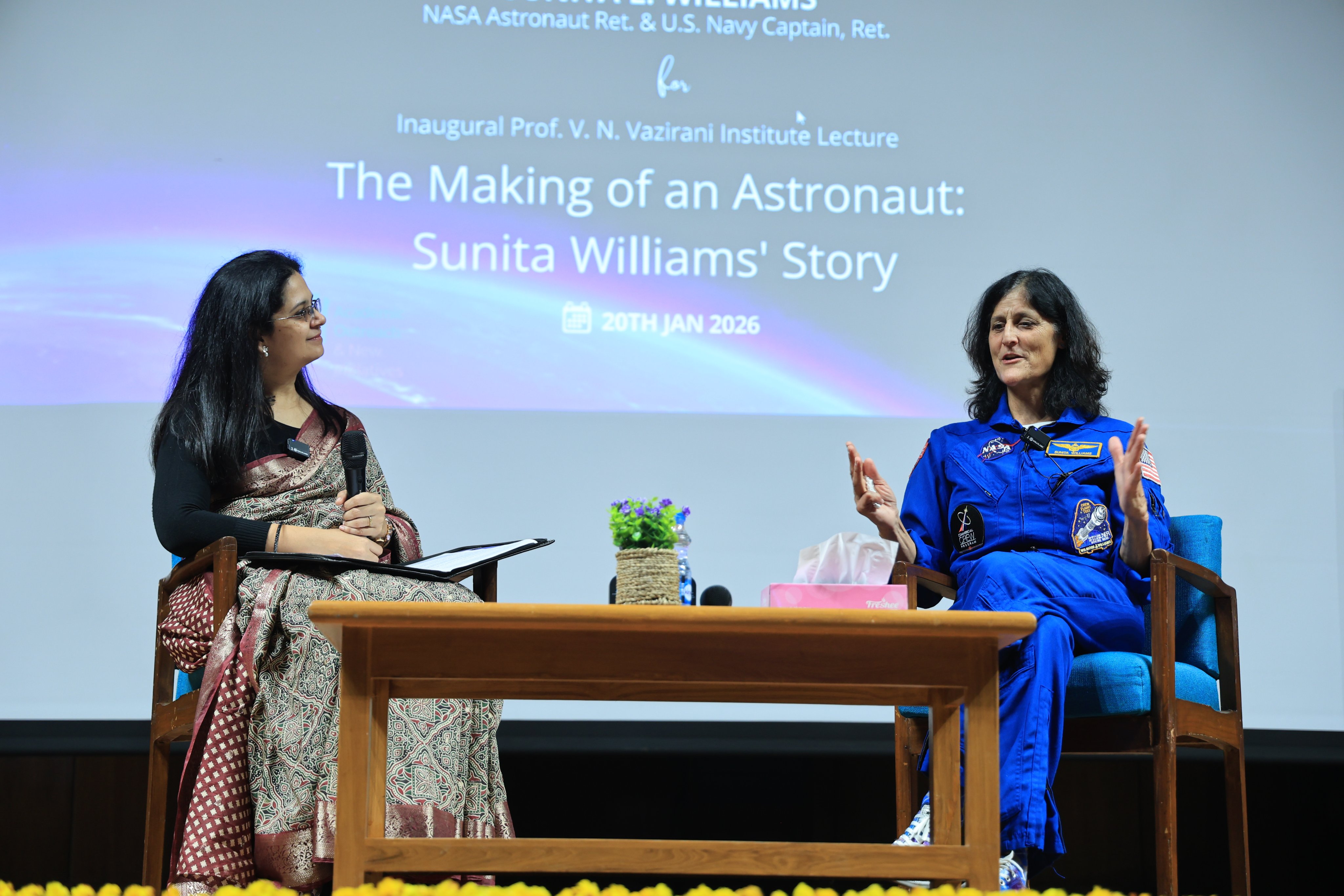
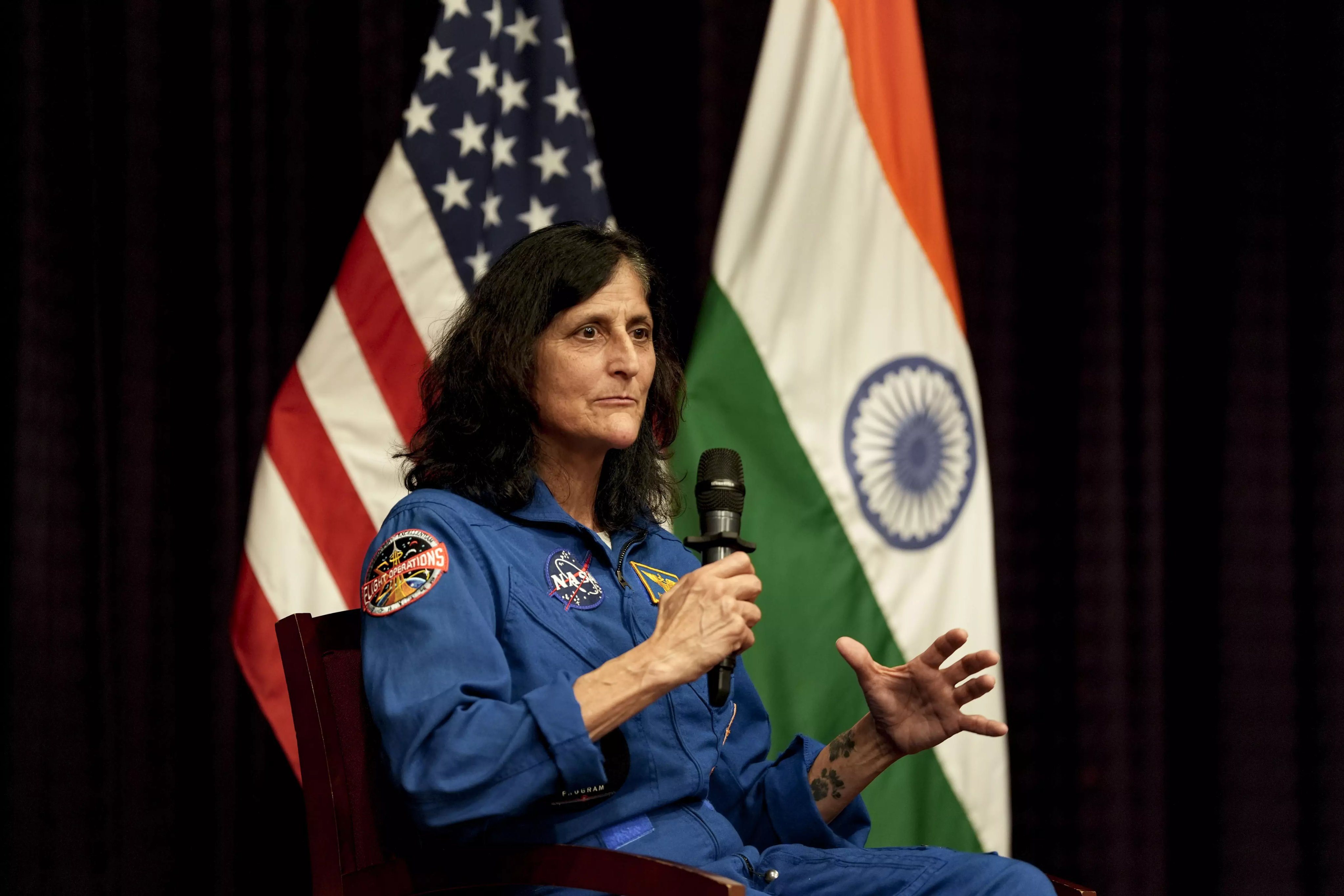
Ms. Sunita L. Williams, #NASA astronaut (ret.) & U.S. Navy captain (ret.), delivered a talk titled "The Making of an #Astronaut: Sunita Williams' Story" at #IITDelhi on January 20, 2026. A large number of students, faculty, and staff members attended the talk.
During a fireside… pic.twitter.com/5b3KdhMpju— IIT Delhi (@iitdelhi) January 20, 2026
Honours, Legacy, and Global Impact
Williams’ decorations include the Defence Superior Service Medal, Legion of Merit, multiple Navy Commendation Medals, the Navy and Marine Corps Achievement Medal, and the Humanitarian Service Medal.
Her career mirrored the evolution of modern human spaceflight—from the space shuttle era to commercial spacecraft—and inspired generations of scientists, engineers, and young women worldwide.
Life After Retirement and Pension Details
Sunita Williams will not receive a pension directly from NASA. Instead, she is eligible under the Federal Employees Retirement System (FERS), calculated using 1% of her high-three average salary for each year of service.
Given her GS-15 pay grade and an estimated annual salary of Rs 1.20–1.30 crore, her federal pension is estimated at approximately $43,200 annually (around Rs 36 lakh). This includes credited service from her time as a US Navy captain.
Additional retirement benefits include:
-
Thrift Savings Plan (TSP): A federal retirement savings plan similar to a 401(k)
-
US Social Security: Monthly payments under the federal system
-
Continued benefits: Lifelong access to federal health insurance, life insurance, and post-mission medical and psychological support
A Legacy That Extends Beyond Orbit
Sunita Williams retires not just as a record-holder, but as a symbol of humility, perseverance, and quiet excellence. From commanding the ISS to navigating unplanned mission extensions, her career exemplified trust, resilience, and unwavering dedication.
As she steps into retirement, her influence remains firmly embedded in the future of human spaceflight—and in the countless lives she inspired to look up and aim higher.
With inputs from agencies
Image Source: Multiple agencies
© Copyright 2025. All Rights Reserved. Powered by Vygr Media.