
 By
By 
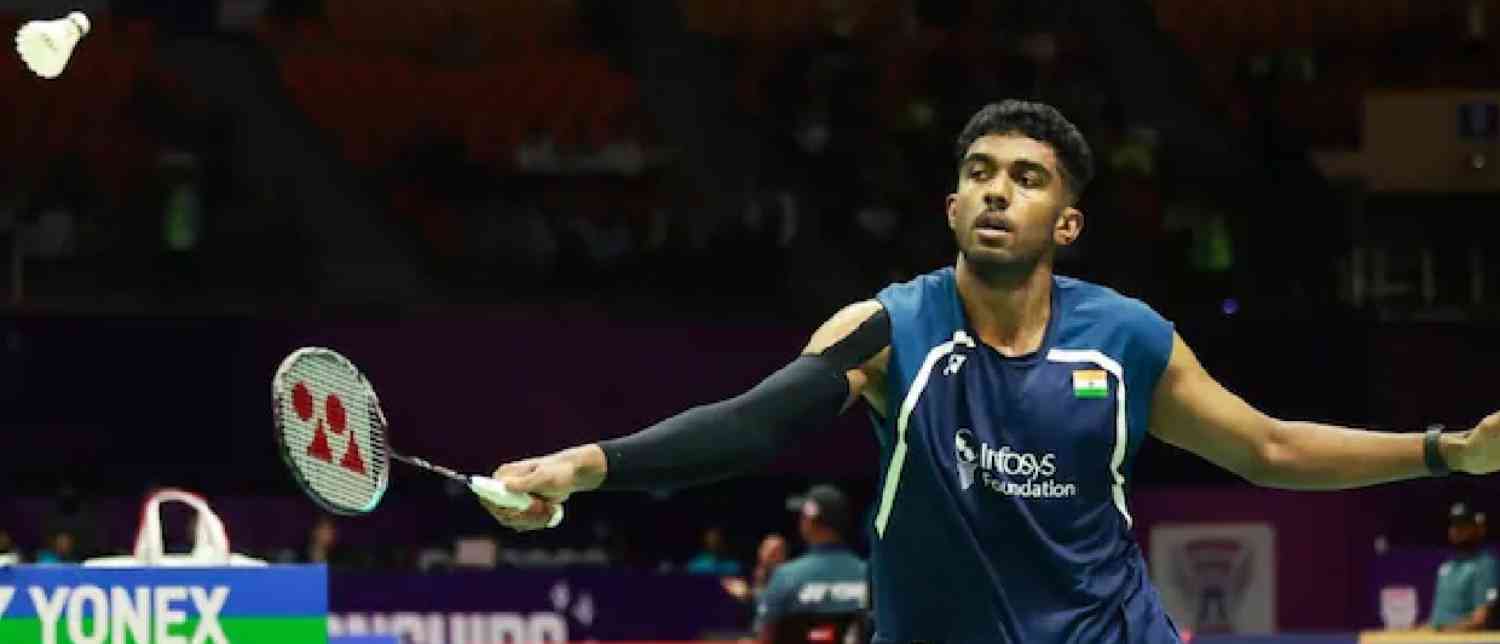
The BWF World Championships 2026 had barely begun, but Ayush Shetty had already produced the moment that could define India's campaign in New Delhi.
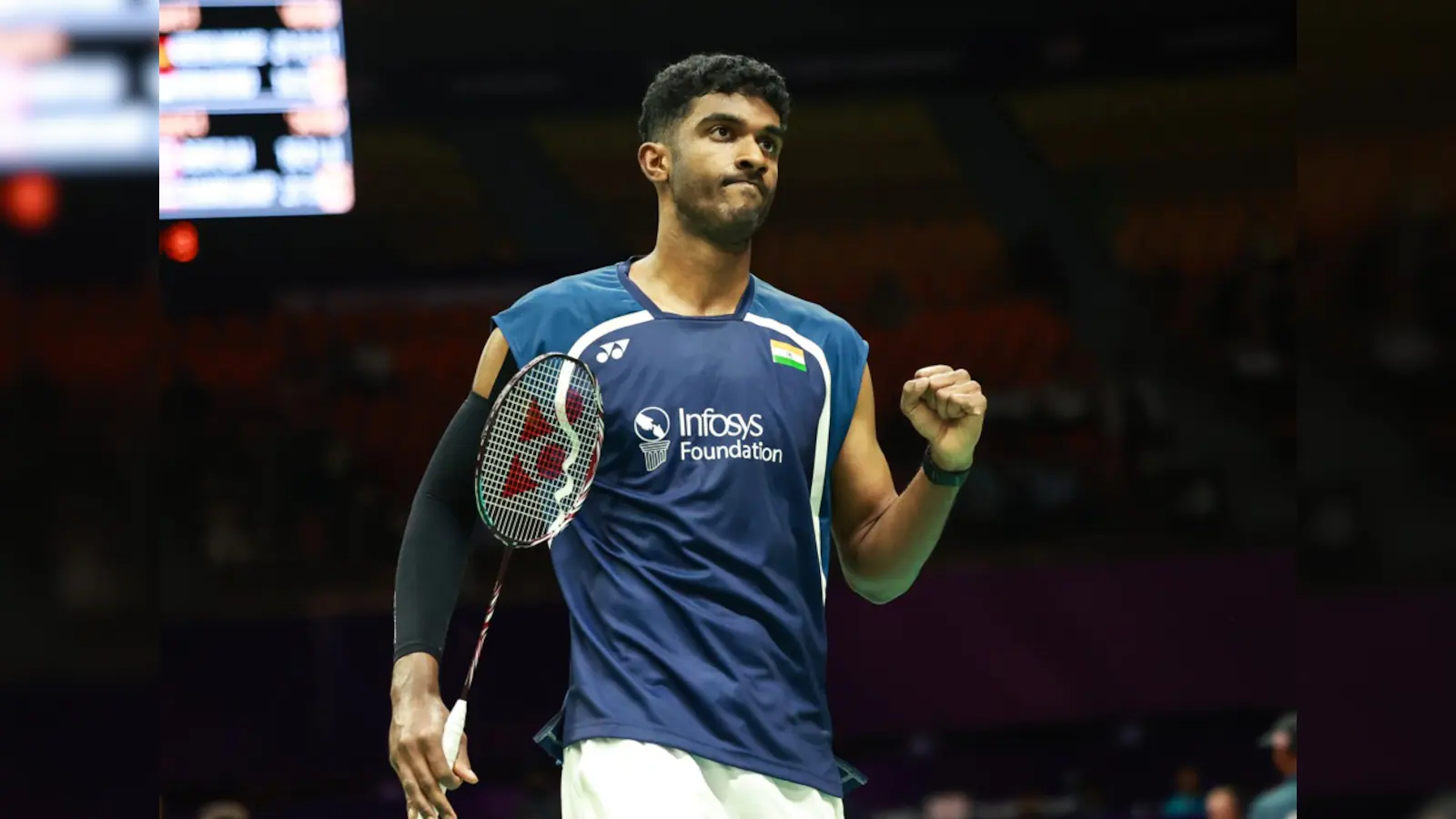
The 21-year-old Indian defeated defending champion and world No. 1 Shi Yuqi 21-14, 13-21, 21-19 in a gripping first-round men's singles contest on August 17, sending one of the tournament favourites crashing out at the opening hurdle. For Shetty, it was not merely a giant-killing act. It was the culmination of a difficult rivalry, a tactical rethink and a growing belief that he belongs among badminton's elite.
The setting made the achievement even more striking. The World Championships had returned to India after a 17-year gap, with the tournament being staged at the Indira Gandhi Indoor Stadium in New Delhi from August 17 to 23. India had arrived with an ambitious home contingent, but it was the relatively young Shetty who delivered the biggest statement of the opening day.
From three defeats to a career-defining victory
There was plenty of history behind the first-round encounter.
Before stepping onto court in Delhi, Shetty had faced Shi three times, and lost every time. The most recent meeting had been particularly painful. In the Badminton Asia Championships final in April, Shi dismantled the Indian 21-8, 21-10 in a contest that lasted roughly 42 minutes. Shetty struggled to impose the attacking game that had taken him deep into that tournament.
That defeat could easily have made another meeting with the world No. 1 intimidating. Instead, Shetty approached the World Championships clash with a different mindset.
His coaches had spent the buildup preparing him not merely to attack Shi, but to understand him.
India coach Vimal Kumar reportedly told Shetty during his preparations in Bengaluru to remember one particular date: August 17. The message was simple — it could be a bad day for Shi Yuqi. Shetty was even encouraged to write the date down and keep the reminder close during his preparations.
When the day arrived, Shetty looked anything but overwhelmed.
He was relaxed before the match, joking during his practice session and maintaining a light mood on the journey to the stadium. That composure mattered because the challenge waiting for him was enormous: the opponent was not just the world's top-ranked player but also the reigning world champion.
Yet Shetty appeared to see the match differently.
Rather than treating Shi's ranking as a barrier, he treated the contest as an opportunity.
The difference was not just power, it was patience
At 6ft 4in, Shetty possesses an imposing physical presence on a badminton court. His attacking game and powerful smash are among his most obvious weapons, and his admiration for former Olympic and world champion Viktor Axelsen is reflected in the way he seeks to dominate rallies.
But against Shi, simply hitting harder was never going to be enough.
The Chinese star had previously shown that he could disrupt Shetty's attacking rhythm and force him into uncomfortable situations. The April final was evidence of how effectively Shi could neutralise the Indian's strengths.
This time, Shetty brought something different: patience.
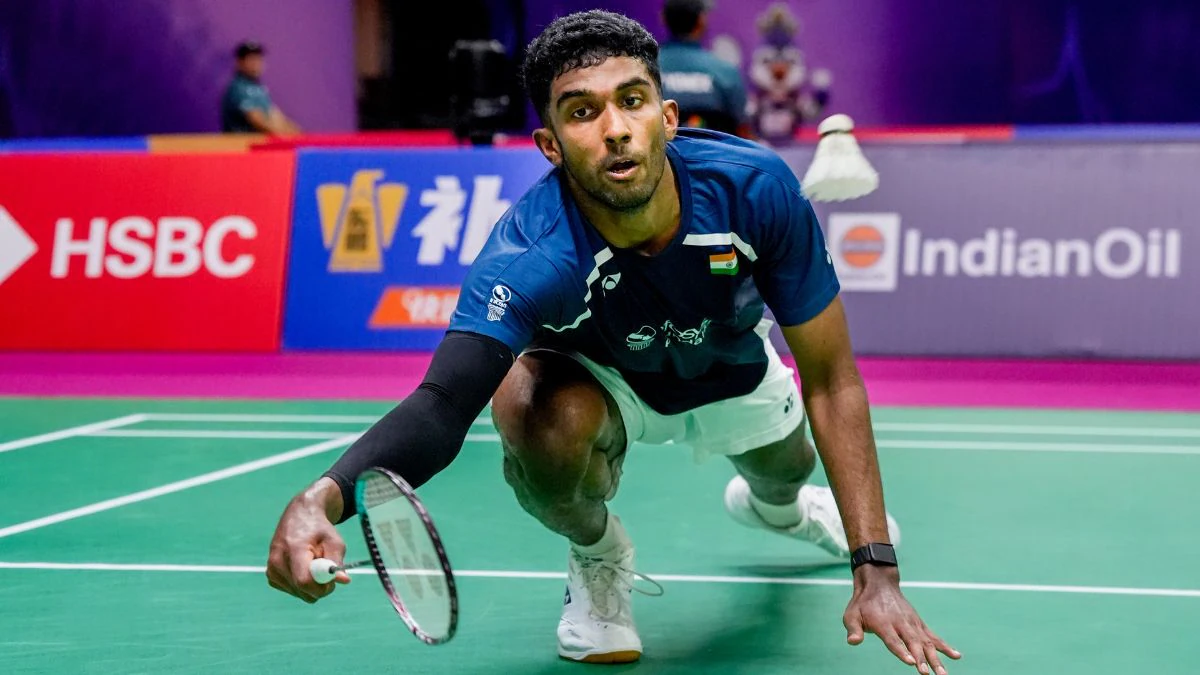
He still attacked, but he was more selective about when to unleash his power. He constructed rallies instead of trying to force winners immediately. His movement and shot selection helped him stay in exchanges, while his willingness to wait for the right opportunity prevented Shi from controlling the contest as he had previously.
That tactical maturity became especially important in the deciding game.
Shetty started the third game strongly and built what looked like a commanding advantage. At one stage, he led 17-7, putting himself within touching distance of one of the biggest victories of his young career. But Shi was not prepared to surrender his world title defence without a fight.
The world No. 1 mounted a remarkable comeback.
The deficit shrank rapidly, eventually reaching just one point. Suddenly, what had appeared to be a comfortable finish became a test of Shetty's nerve. The match had reached precisely the stage where experience and pressure can change everything.
This time, however, Shetty held his ground.
He closed out the decider 21-19, completing a 73-minute victory and ending his three-match losing streak against Shi.
The final points told the story
The closing moments were perhaps the most revealing part of the match.
Shetty had already done the hard work of building a substantial lead. But when Shi began his comeback, the Indian needed something beyond physical ability. He needed to make the right decision under enormous pressure.
He did.
A deceptive shot and an instinctive attacking choice helped Shetty secure the final points. His coach Sagar Chopda later highlighted the importance of that instinct — the ability to recognise the moment and go for the shot rather than hesitate.
That is a significant development for a player whose attacking instincts are already well known.
Power can win rallies. But at the highest level, knowing when to use that power is what can win matches.
Shetty appeared to understand that distinction in Delhi.
A psychological victory as much as a sporting one
The scoreline tells us that Shetty beat Shi Yuqi.
The context tells us why the victory matters even more.
Four months earlier, Shi had made Shetty look almost helpless in the Asian Championships final. In Delhi, Shetty faced the same opponent with a different tactical plan and greater mental readiness.
Shetty himself acknowledged the change after the match, saying he felt he had been better prepared both tactically and mentally and was ready to work hard.
That transformation is perhaps the clearest indication that this was not a fluke.
Upsets happen in sport. A player can catch a favourite on a bad day, benefit from errors or simply produce an extraordinary performance for a few hours. But Shetty's victory contained enough evidence of preparation and adaptation to suggest something more substantial.
He had studied what went wrong previously.
He had adjusted.
And when the opportunity came, he executed.
Home support helped Shetty survive the pressure
The crowd at the Indira Gandhi Indoor Stadium also became a factor as the match moved towards its dramatic conclusion.
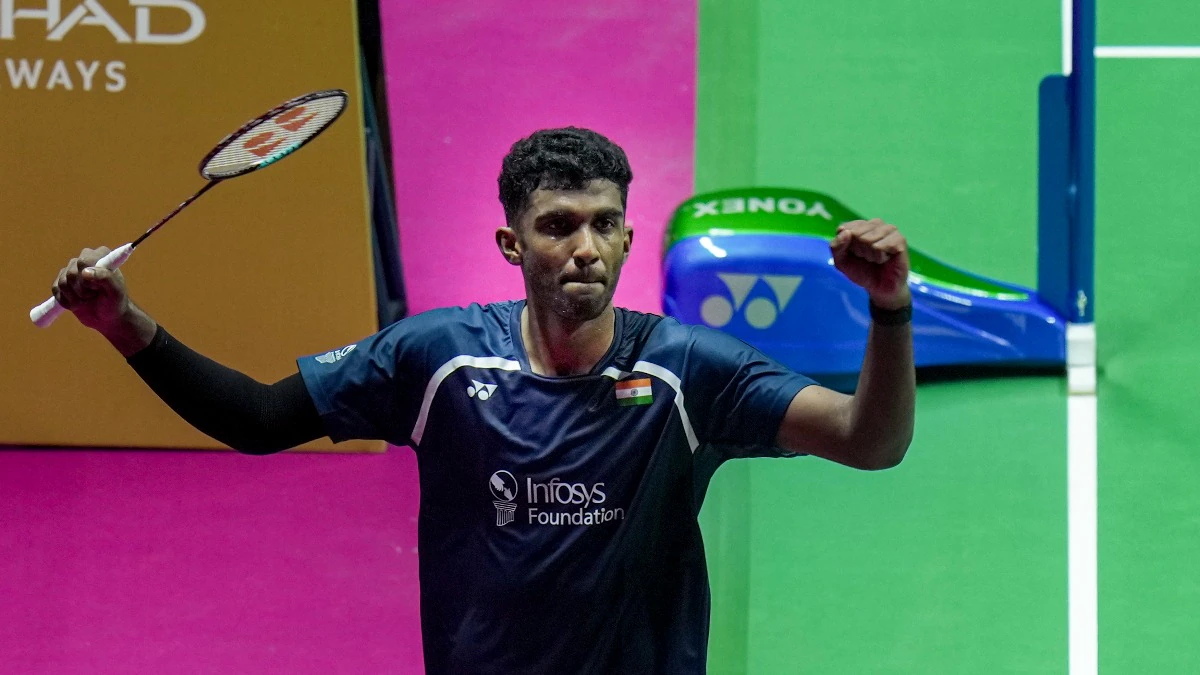
With Shi fighting back in the deciding game, Shetty admitted that he was becoming nervous. The support from the home crowd provided an additional burst of energy when he needed it most.
That connection between player and crowd was one of the defining features of India's opening day.
The home championships had already created considerable anticipation. The 2026 edition marks the World Championships' return to India after 17 years, and the country's leading players entered the tournament carrying expectations of extending India's remarkable medal streak. India has won at least one World Championships medal at every edition since 2011.
Shetty's victory instantly added another layer to those expectations.
India makes a strong start in Delhi
Shetty's upset was the headline, but India's opening day was impressive across the board.
P.V. Sindhu began her campaign with a comfortable 21-7, 21-11 win over Ireland's Rachael Noble. The former world champion entered the tournament chasing a record sixth World Championships medal, having already collected five.
Treesa Jolly and Gayatri Gopichand also progressed in women's doubles, defeating Spain's Paula Lopez and Lucia Rodriguez 21-9, 21-13. MR Arjun and Hariharan Amsakarunan were among India's other successful performers on the opening day.
By the end of Day 1, India had recorded a perfect 5-0 start in its completed matches, with Shetty's victory inevitably standing out as the day's biggest moment.
What comes next for Ayush Shetty?
The danger now is to treat the Shi Yuqi victory as the destination rather than the beginning.
Shetty has made an enormous statement, but the World Championships are a long tournament. Beating the world No. 1 in the opening round guarantees neither a medal nor a deep run.
What it does provide is belief.
For a 21-year-old playing his first World Championships on home soil, defeating the defending champion removes one psychological barrier. It also demonstrates that Shetty's game can survive against the very best when he combines his natural attacking ability with patience, tactical discipline and composure.
His coaches had believed this performance was coming.
Now the rest of the badminton world has seen it too.
The most compelling part of Ayush Shetty's victory in Delhi may therefore not be that he knocked out Shi Yuqi. It may be that he did so after learning from a defeat that had exposed his weaknesses only months earlier.
In April, Shi showed Shetty how far he still had to go.
In August, Shetty showed how quickly he could learn.
And on a day when the World Championships returned to India, the young Indian did more than produce an upset. He announced himself as a player capable of changing the hierarchy of men's badminton.
The world No. 1's campaign is over.
Ayush Shetty's has only just begun.
With input from agencies
Image Source: Multiple agencies
© Copyright 2026. All Rights Reserved. Powered by Vygr Media.