 By
By 
On the ninth day of the ICC T20 World Cup 2026, after 26 matches had come and gone, the tournament’s most anticipated — and most emotionally charged — fixture finally arrived. India versus Pakistan at the iconic R Premadasa Stadium was less about cricketing aesthetics and more about the intensity, history and, at times, toxicity that now accompanies this rivalry.
Thousands of fans queued up nearly four hours before the first ball. The match itself had been preceded by weeks of boycott talk, intense back-channel negotiations and a last-minute U-turn by the Pakistan government to allow the contest to go ahead. When the two captains finally walked out for the toss shortly after 7 PM local time on a breezy Colombo evening, world cricket exhaled in relief.
But even before a ball was bowled, controversy struck.
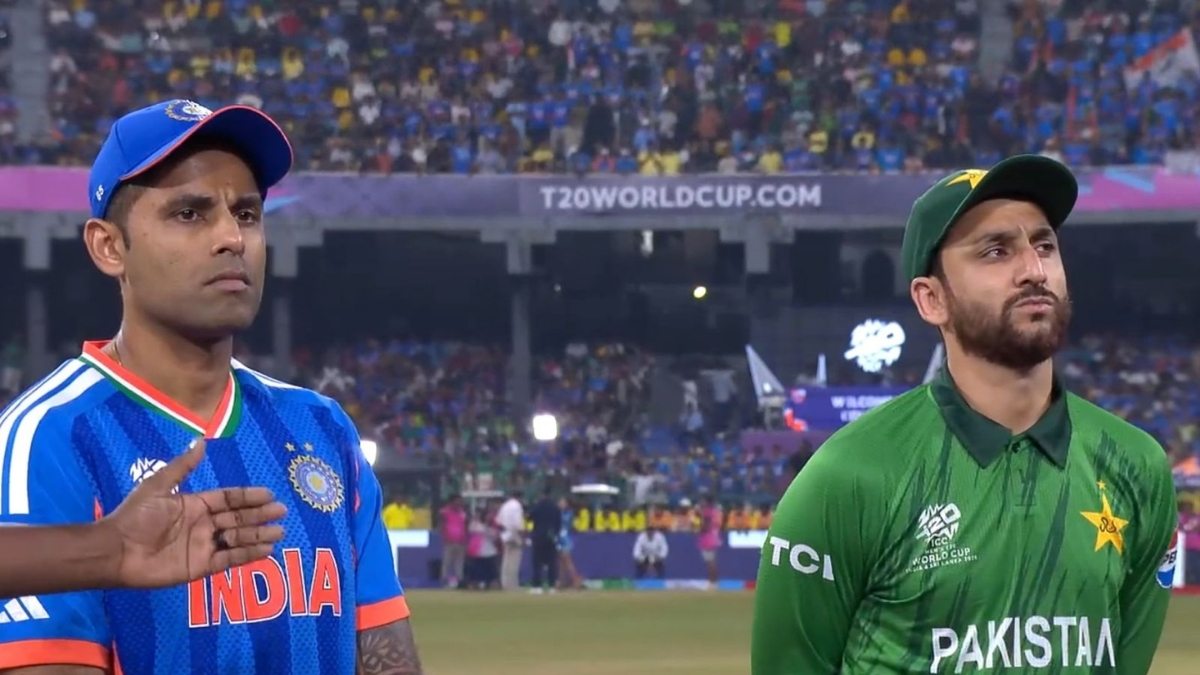
The Toss Drama: No Handshake, Renewed Debate
India captain Suryakumar Yadav continued India’s recent policy of not engaging with Pakistan at the toss, declining to shake hands with Pakistan skipper Salman Ali Agha. The gesture — or lack thereof — echoed similar incidents since the Asia Cup in Dubai.
While handshakes are not mandatory under ICC regulations, they are widely regarded as basic sporting etiquette. When questioned earlier in the tournament, Suryakumar had cryptically said, “Few things in life are ahead of sportsman spirit.” Agha, for his part, maintained diplomatically: “I expect the game should be played in the spirit that it has always been played since inception.”
The moment reignited debate over whether such decisions stem from players themselves or from broader policy directives — questions that arguably should be addressed by governing authorities like the Board of Control for Cricket in India (BCCI) rather than individual cricketers.
With Pakistan winning the toss and opting to bowl, the focus shifted — finally — to cricket.
Early Blow: Abhishek Falls, Pakistan Sense Opportunity
India made two changes: Abhishek Sharma and Kuldeep Yadav replaced Arshdeep Singh and Sanju Samson.
One over in, Indian fans — both inside the stadium and across hundreds of millions of screens — were briefly stunned. Abhishek Sharma, returning after battling a stomach infection, chipped a nothing shot to mid-on off Agha and departed for a duck. On a surface already showing signs of grip and turn, Pakistan sensed an opening.
Having lost their last five T20 matches against India, they desperately needed momentum. That early wicket was their high point.
What followed was an onslaught.
Ishan Kishan’s Night of Nights: 77 That Broke the Game
If Rohit Sharma had defined India’s aggression in previous ICC events, this tournament belongs to Ishan Kishan.
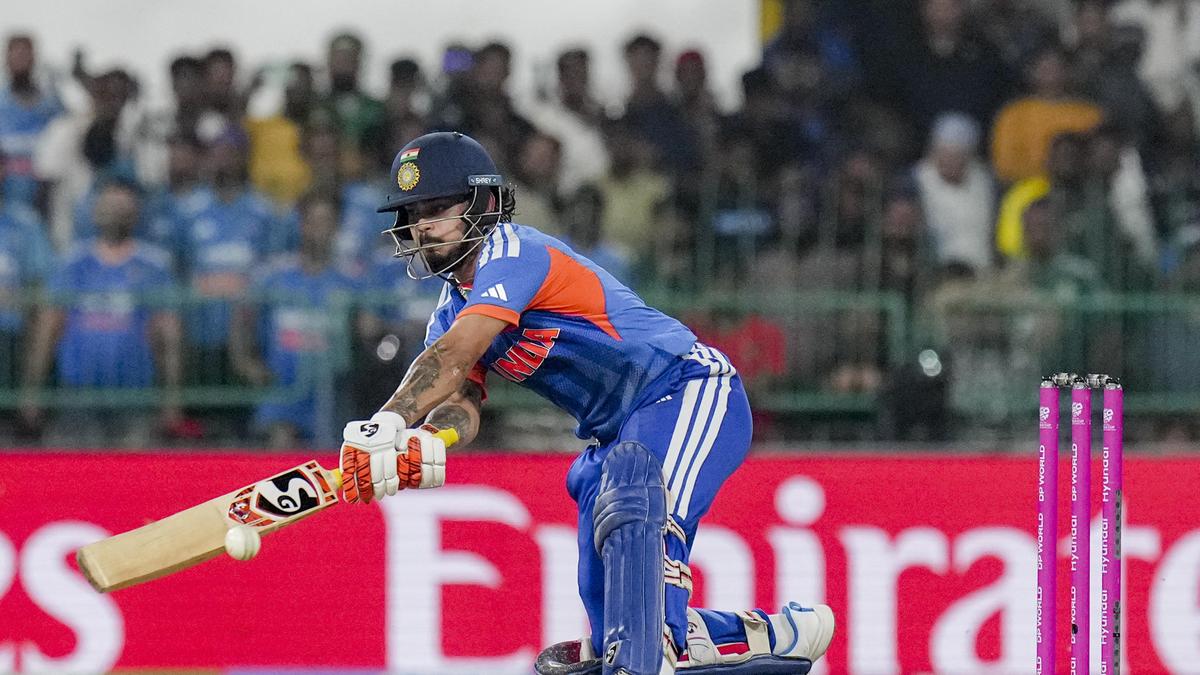
His 77 off 40 balls (10 fours, 3 sixes) was not merely an innings — it was a declaration.
Kishan’s approach was brutally simple: if it’s small, round and coming toward you, hit it. He dismantled Pakistan’s heavily-hyped spin attack, smashing 66 of his 77 runs off 37 balls against spin — a matchup that statistically wasn’t even in his favour. Of his total runs, 52 (68%) came on the leg side, an area he targeted with clarity and conviction.
He welcomed Shaheen Shah Afridi with a towering six. He late-cut and lofted Abrar Ahmed with disdain. Drift into the pads? Swept for six. Slightly short? Pulled into the first tier.
Pakistan’s pre-match “trump card,” Usman Tariq, never got a foothold. By the time he entered the attack, India were already well ahead of the game.
Kishan raced to his fifty off just 27 balls in the seventh over. It looked like the first century of the tournament might be on the cards. Even when he required treatment for cramps in his right leg, he seemed more concerned about losing rhythm than discomfort.
His dismissal — bowled by Saim Ayub (3/25) attempting a cut — came four balls after receiving treatment. Pakistan celebrated wildly, but the damage was irreversible.
Middle Overs: Pakistan Fight Back, India Stutter
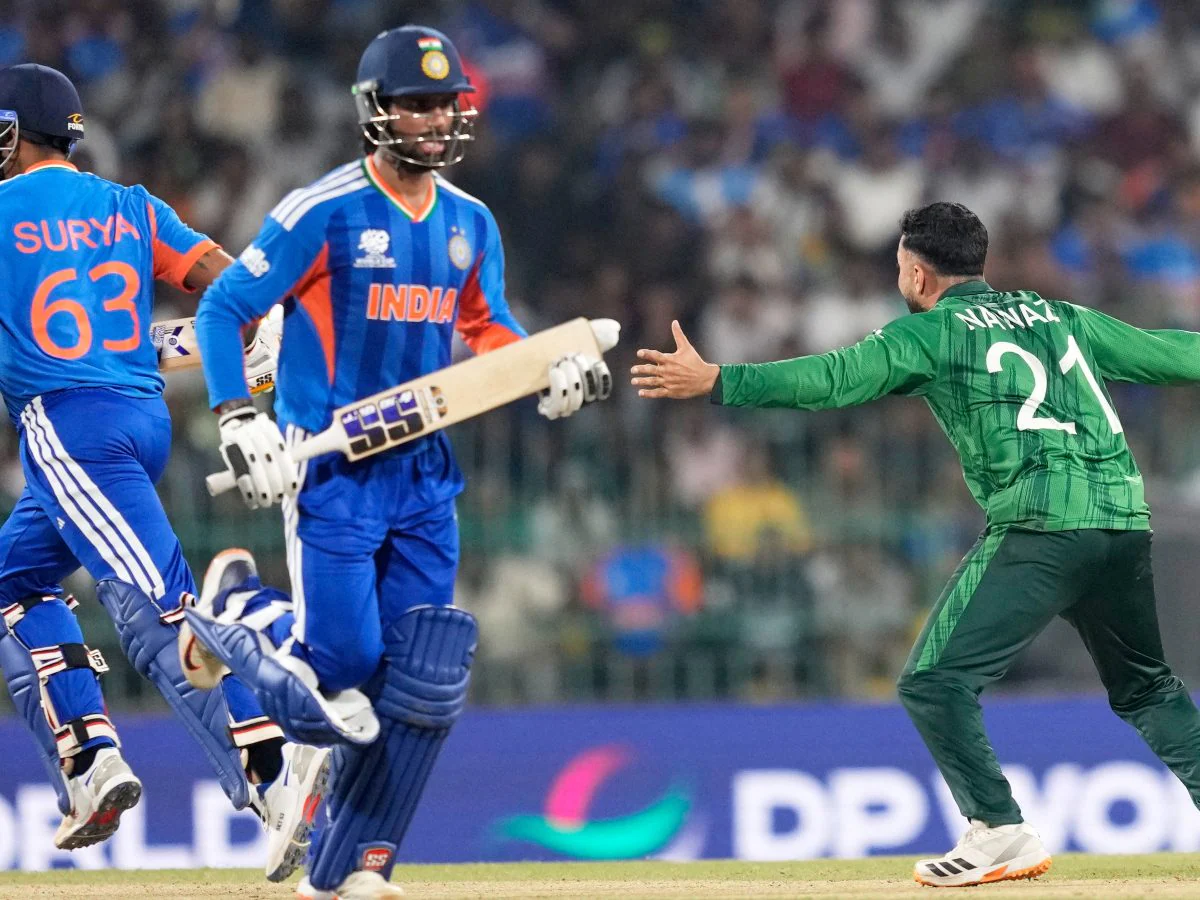
After Kishan’s departure at 88, Pakistan clawed their way back through disciplined spin. Ayub, Mohammad Nawaz and Tariq slowed their pace, extracting turn and grip.
Tilak Varma (25 off 24) struggled for fluency. Suryakumar managed 32 off 29 but couldn’t fully break free as the ball aged and held in the pitch. The run-rate dipped below nine after 14 overs. At 126/4 in the 15th over — following quick dismissals of Varma (LBW to Ayub) and Hardik Pandya (0) — India looked momentarily vulnerable.
Then came the hallmark of this Indian side: multiple match-winners.
Late Flourish: Dube and Rinku Deliver
Shivam Dube (27 off 17) and Rinku Singh (11* off 4) provided the final surge. Dube muscled boundaries when it mattered, while Rinku’s cameo — including a four and a six — ensured India finished strongly at 175/7.
Given the surface’s nature, it already felt beyond reach.
Brief Scores: India 175/7 (20 overs)
Kishan 77, Suryakumar 32, Dube 27; Ayub 3/25.
Spin Troika and Seam Precision: Pakistan Crumble
If India’s batting set the platform, their bowling completed the demolition.
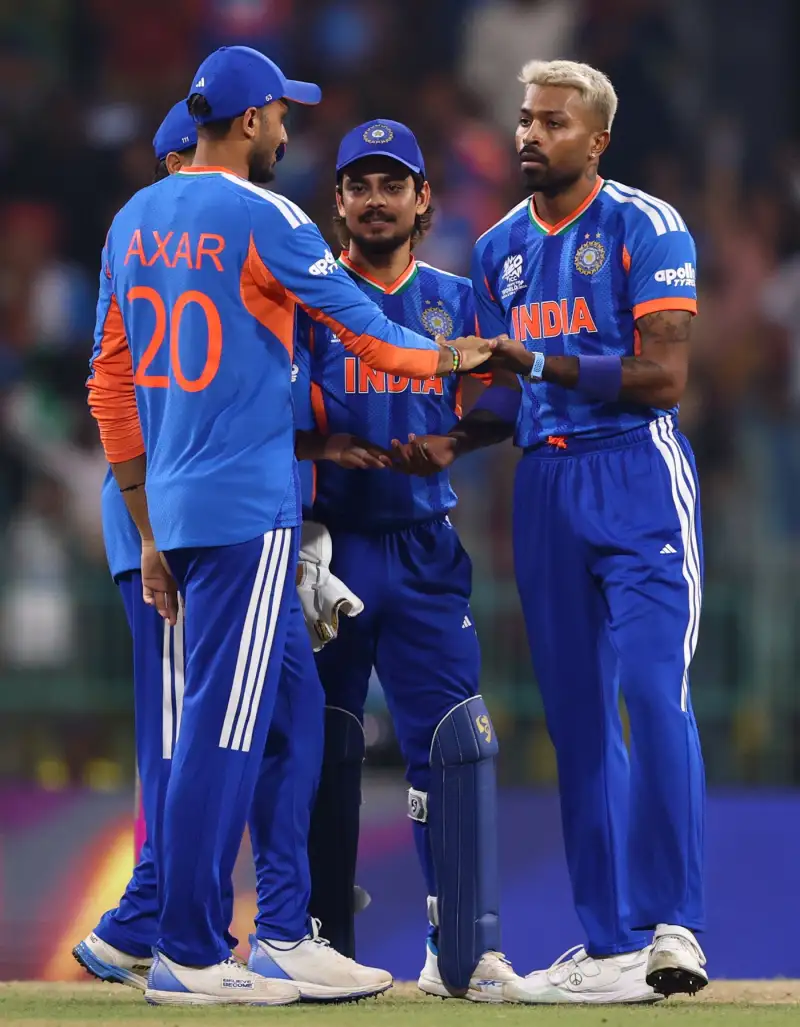
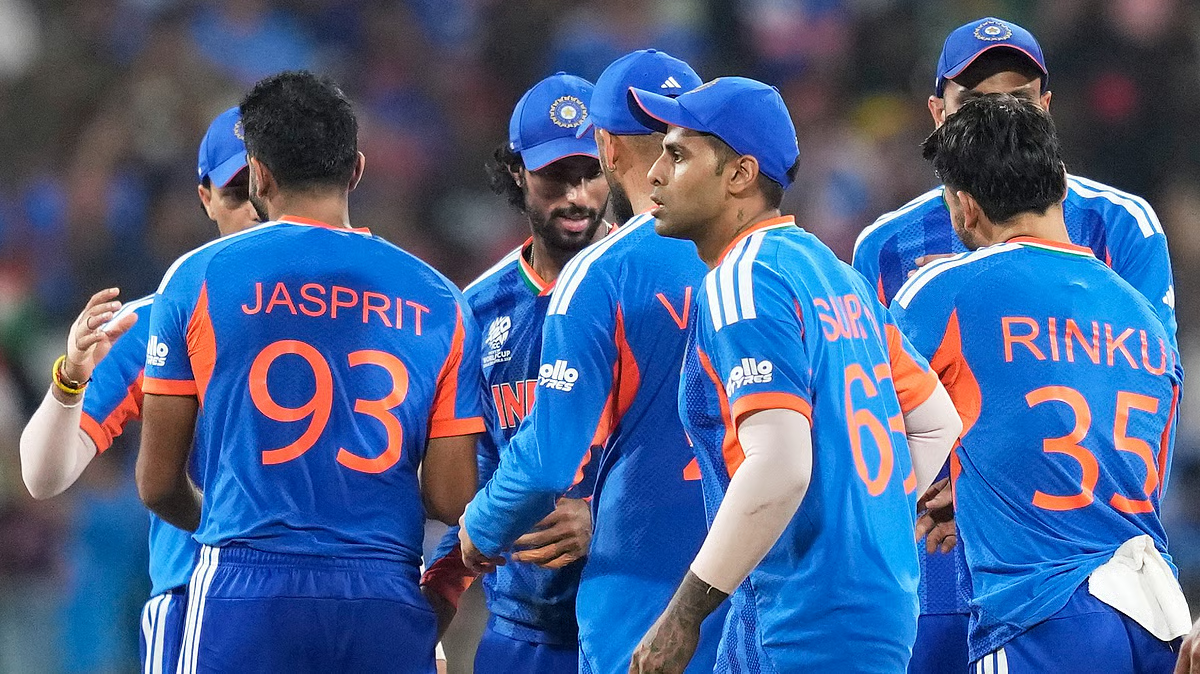
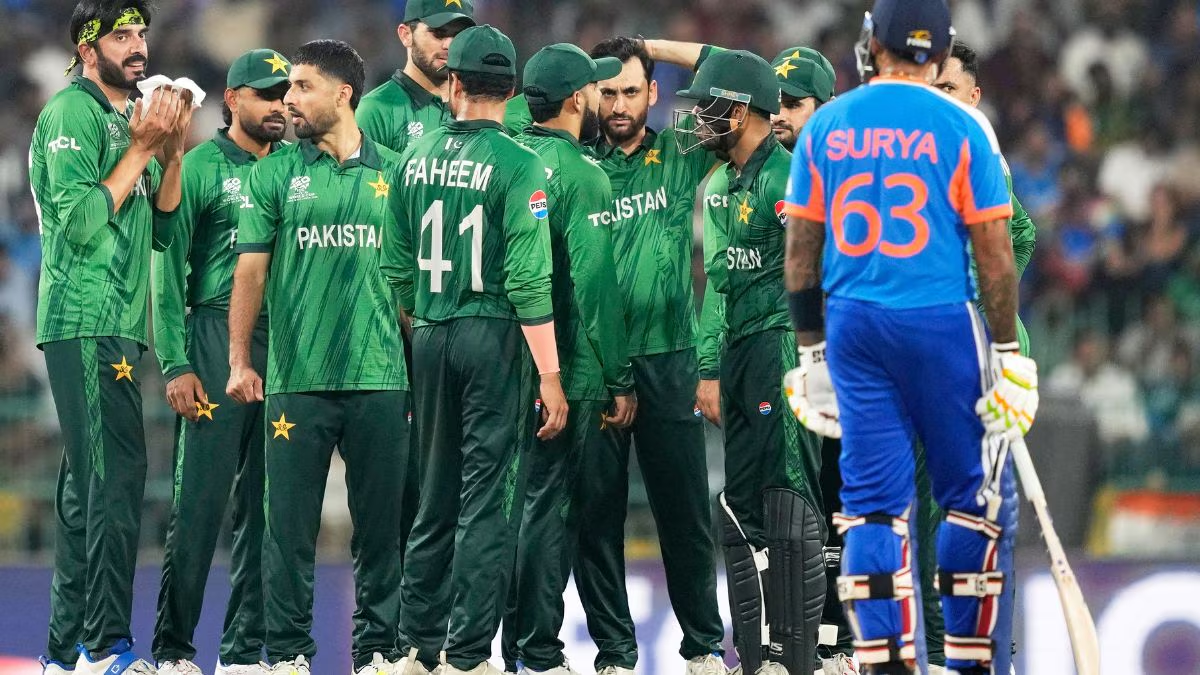
Pakistan were reduced to 4/47 within seven overs. Hardik Pandya’s wicket-maiden to open the chase applied immediate pressure. Jasprit Bumrah removed Ayub and Agha early, while Axar Patel dismissed Azam and later stumped Usman, who top-scored with 44 off 34 balls.
The real chokehold, however, came through spin variety:
-
Axar Patel’s darting accuracy
-
Kuldeep Yadav’s wrist-spin deception
-
Varun Chakravarthy’s googlies and mystery variations
Chakravarthy, who has taken more T20I wickets than anyone in this cycle, once again proved lethal. Kuldeep, introduced in the 10th over despite Pakistan already struggling, bowled a ripping leg-break to beat Shadab Khan before turning one sharply back the next ball.
Twelve overs of spin — left-arm orthodox, wrist spin, mystery variations, speeds ranging from 75 kph to 100 kph — made survival an equation Pakistan simply couldn’t solve.
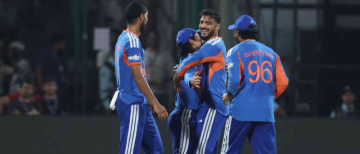
Hardik Pandya (2/16), Bumrah (2/17), Axar (2/29), Chakravarthy (2/17) and Kuldeep (1/14) shared the spoils.
Pakistan were bowled out for 114 in 18 overs.
Brief Scores: Pakistan 114 all out (18 overs)
Usman 44, Afridi 23; Pandya 2/16.
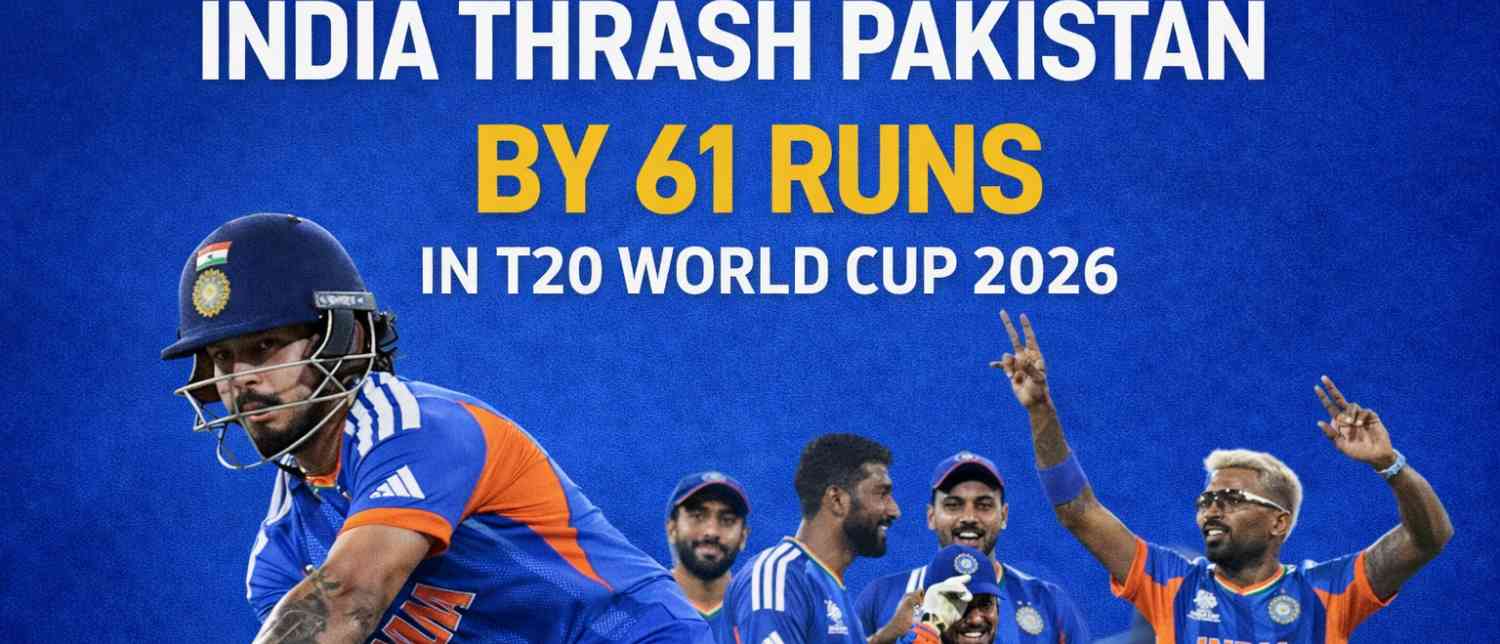
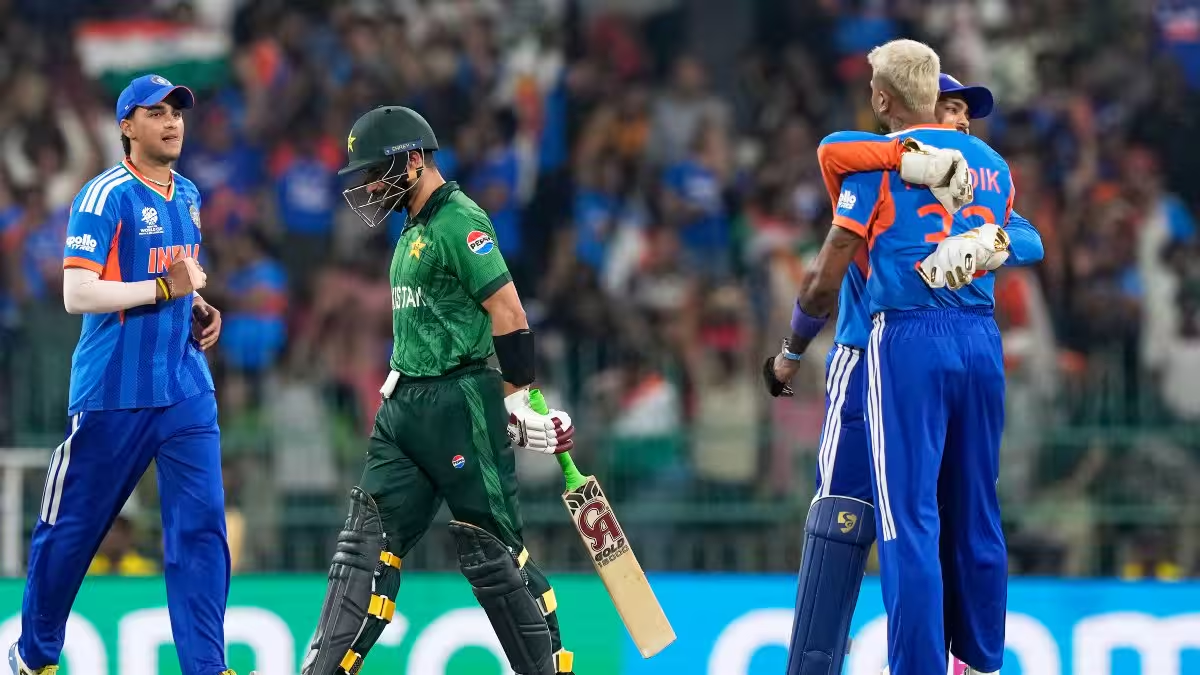
India won by 61 runs.
Player of the Match: Ishan Kishan.
A Rivalry Losing Competitive Edge?
For all the marketing hype and emotional investment, the cricketing gap is becoming stark. India, especially in T20 cricket, have surged ahead. Pakistan — once pioneers of T20 disruption — now struggle to match India’s adaptability and depth.
This Indian side, under Suryakumar Yadav’s leadership, operates on a philosophy of freedom. Batters are licensed to be expressive without fear of failure. The top eight form an unstoppable force; the bowlers and all-rounders are the immovable object.
Even when Kuldeep is treated as a “match-up option” rather than the primary wicket-taker — something unthinkable in most teams — it speaks volumes about the squad’s balance.
To beat this India, opponents require flawless execution and a slice of fortune.
Kishan’s Redemption Arc
Kishan’s resurgence adds another layer to the narrative. Once denied a central contract on disciplinary grounds and seemingly out of favour, he forced his way back with performances in domestic cricket — including a strike rate of 197.3 in the Syed Mushtaq Ali Trophy.
Recalled ahead of the World Cup, even replacing Shubman Gill in the squad dynamics, Kishan has redefined his role: powerplay aggressor, clarity of purpose, zero hesitation.
He already owns an ODI double century and IPL fame. But on this Colombo night, he transcended those labels.
He didn’t just win a match — he reshaped it.
What Next?
With this emphatic victory, defending champions India secured their Super 8 berth with a game to spare. Their next match is against the Netherlands on November 18 in Ahmedabad.
The bigger question now looms over the tournament: can anyone stop India from lifting the T20 World Cup in Ahmedabad on March 8?
On current evidence, it appears unlikely.
India aren’t just winning. They are overwhelming.
And in a rivalry once defined by fine margins, that may be the most telling statement of all.
With inputs from agencies
Image Source: Multiple agencies
© Copyright 2025. All Rights Reserved. Powered by Vygr Media.