 By
By 
The Board of Control for Cricket in India (BCCI) has locked in the final chapter of the 2026 Indian Premier League season, and with it, sparked a fresh wave of debate, intrigue, and anticipation. What was expected to culminate in Bengaluru has instead found its grand stage in Ahmedabad, underscoring how logistics, politics, and precedent can shape even the biggest sporting spectacles.
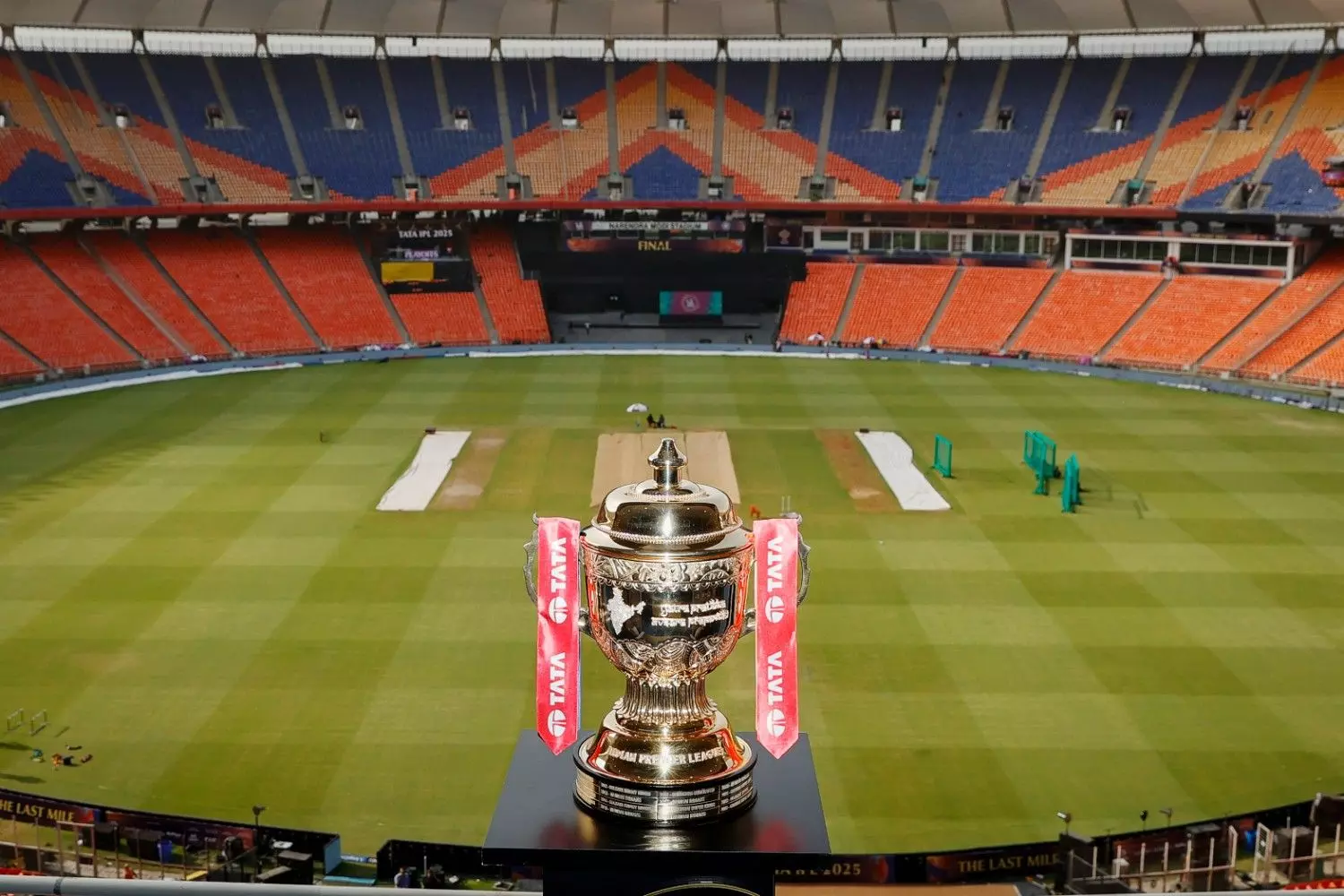
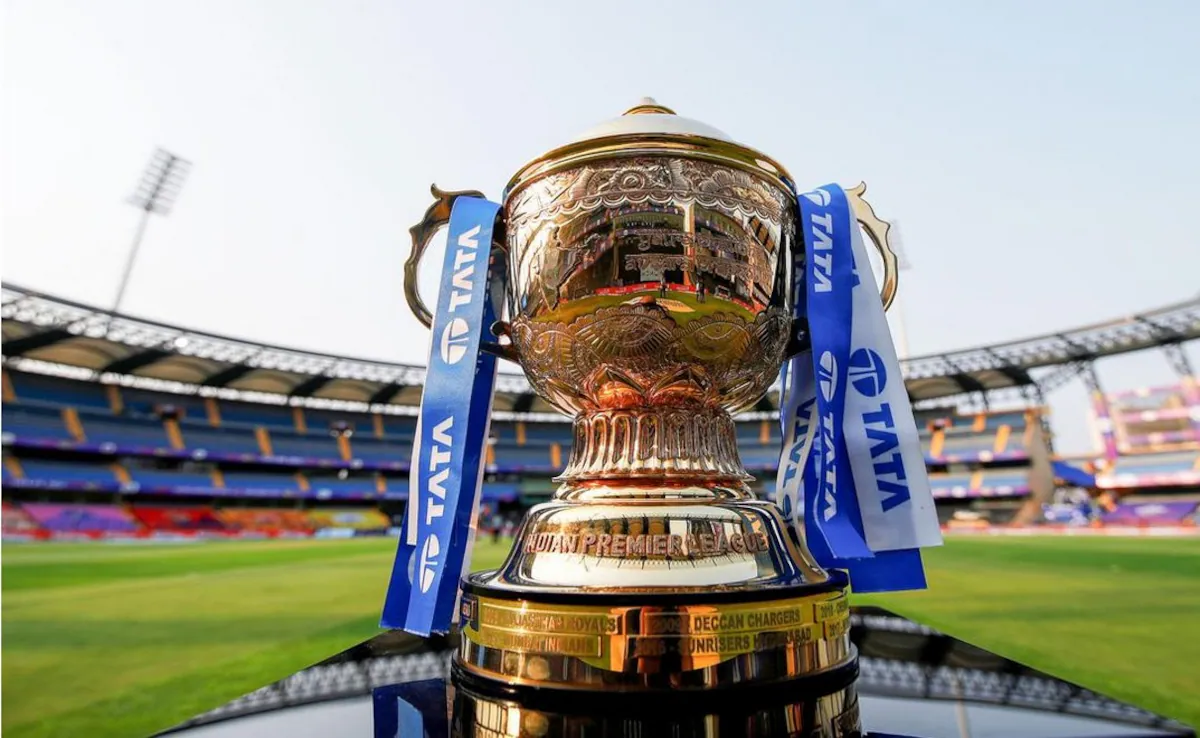
The announcement of the TATA IPL 2026 playoffs schedule marks the beginning of the tournament’s most intense stretch — a closing act that will unfold across three venues before culminating in a blockbuster final on May 31 at the Narendra Modi Stadium.
A Three-City Playoff Map
This year’s playoffs will not be confined to a single host city. Instead, the BCCI has opted for a multi-venue approach — described as a “special case” — distributing matches across Dharamsala, New Chandigarh (Mullanpur), and Ahmedabad.
Qualifier 1 will be played on May 26 at the HPCA Stadium in Dharamsala, a venue known for its picturesque setting and pace-friendly conditions. The Eliminator follows on May 27 at the New International Cricket Stadium in New Chandigarh, which will also host Qualifier 2 on May 29.
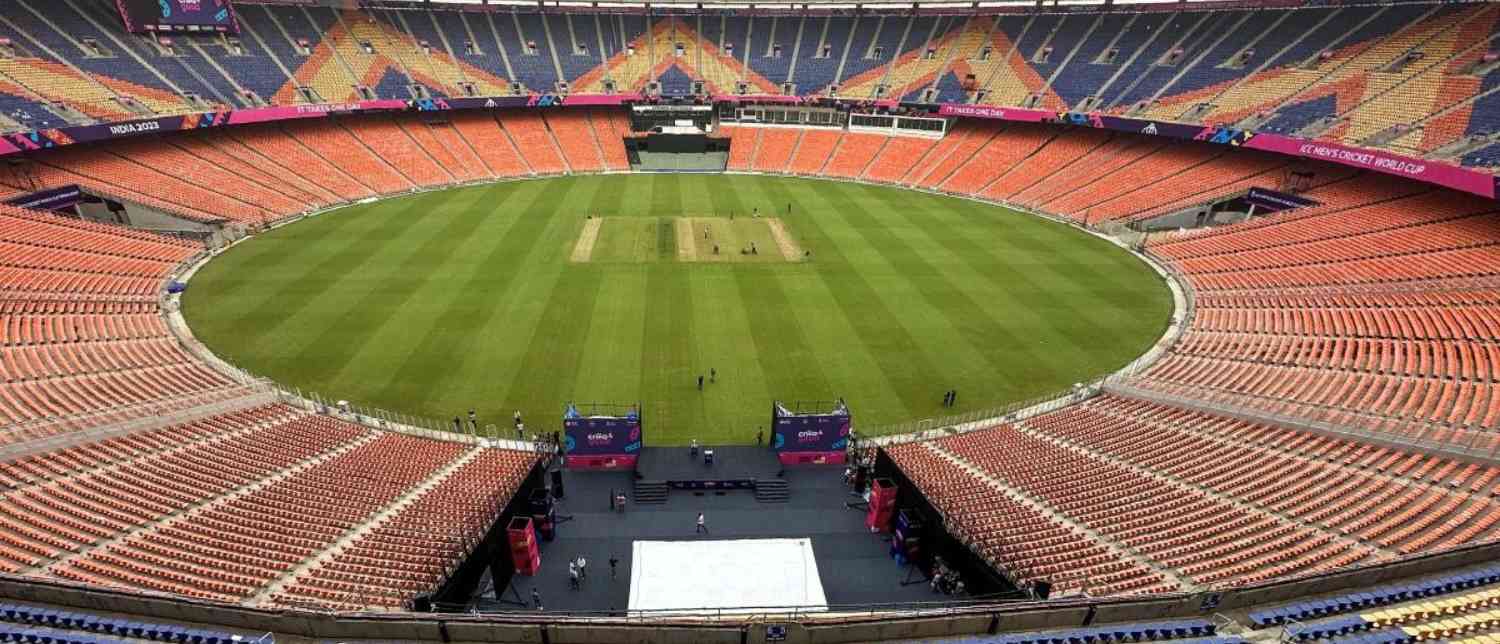
The tournament will then travel west for its grand finale on May 31 at Ahmedabad’s Narendra Modi Stadium — the world’s largest cricket venue — reinforcing the city’s growing dominance as the IPL’s preferred stage for marquee clashes.
This three-city format, while unusual, reflects what the BCCI described as “operational and logistical considerations,” a phrase that has come to define the narrative surrounding this year’s playoff decisions.
Bengaluru’s Lost Opportunity
For weeks, the expectation had been clear: the IPL final would be hosted in Bengaluru at the M. Chinnaswamy Stadium. The logic was rooted in tradition — the reigning champions typically host the final, and Royal Challengers Bengaluru had earned that right after lifting the trophy in 2025.
But that script unraveled quickly.
Multiple factors converged to strip Bengaluru of the marquee event. At the heart of the issue were complications involving local authorities and requirements that reportedly fell outside the BCCI’s established protocols. Political friction — including issues tied to MLA ticket allocations — also emerged as a disruptive element, further complicating planning and coordination.
The situation echoes broader concerns about event management in the city. Reports suggest that safety considerations lingered after a tragic stampede during a celebratory event the previous year, raising fresh questions about crowd control and infrastructure readiness.
Ultimately, the BCCI opted for certainty over sentiment.
Why Ahmedabad Once Again?
If Bengaluru’s loss was abrupt, Ahmedabad’s selection was anything but surprising.
The Narendra Modi Stadium has steadily become the IPL’s go-to venue for high-stakes matches. By hosting the 2026 final, it will have staged the summit clash four times in five seasons — a remarkable run that underscores its logistical reliability and scale.
Capacity plays a decisive role. With room for over 130,000 spectators, the stadium offers unmatched crowd accommodation, along with proven infrastructure, connectivity, and operational efficiency.
There is also precedent. The venue has successfully hosted recent IPL finals, as well as other global cricketing events, building a reputation as a safe and seamless choice for the BCCI.
In a tournament where margins are razor-thin on the field, off-field certainty often becomes the deciding factor — and Ahmedabad ticks every box.
A Season Defined by Flexibility
The reshuffling of the final is not an isolated decision but part of a broader pattern in recent IPL seasons, where adaptability has become essential.
In 2025, weather disruptions forced last-minute venue changes, including the relocation of the final itself. In 2026, logistical and administrative hurdles have produced a similar outcome, reinforcing how external variables continue to influence the league’s planning.
Even the league stage reflected this flexibility. Matches were spread across 12 venues nationwide, from traditional hubs like Mumbai and Chennai to emerging centres such as Dharamsala and Raipur, ensuring wider fan engagement.
The playoffs, therefore, are an extension of this philosophy — taking the game to multiple regions while balancing operational feasibility.
Expanding the IPL Footprint
There is also a strategic dimension to the venue distribution.
By assigning playoff matches to Dharamsala and New Chandigarh — the home bases of the 2025 runners-up Punjab Kings — the league extends its reach beyond conventional strongholds. This aligns with the IPL’s long-term goal of deepening its footprint across India, engaging diverse fan bases, and showcasing different cricketing conditions.
Dharamsala offers altitude and swing-friendly conditions, while Mullanpur presents a relatively new venue eager to establish its credentials on the big stage. Together, they provide a varied competitive landscape leading into the final.
Fan Reactions: Excitement Meets Disappointment
The decision to shift the final has inevitably triggered mixed reactions.
In Bengaluru, disappointment runs deep. For a city that lives and breathes cricket — and for fans who had anticipated hosting the biggest night of the season — the move feels like a missed opportunity.
Elsewhere, however, excitement is building. Ahmedabad’s selection guarantees a massive turnout and a grand spectacle, while fans in northern India get the rare opportunity to witness playoff action firsthand.
As one narrative closes, another begins — a hallmark of the IPL’s ever-evolving story.
The Bigger Picture
At its core, the IPL remains a tournament defined by scale, unpredictability, and relentless reinvention. Founded in 2007, it has grown into the world’s most lucrative T20 league, combining sport, entertainment, and business in equal measure.
The 2026 season, running from March 28 to May 31, features 10 teams battling across 74 matches before the final showdown. And as the league enters its decisive phase, the focus inevitably shifts from scheduling controversies to on-field drama.
Because once the first ball of Qualifier 1 is bowled in Dharamsala, the narrative will change.
The debates over venues, politics, and logistics will fade into the background, replaced by the familiar rhythms of knockout cricket — pressure, performance, and the pursuit of glory.
Countdown to May 31
All roads now lead to Ahmedabad.
On May 31, under the lights of the Narendra Modi Stadium, two teams will step onto the field with a season’s worth of ambition riding on 40 overs. The journey to that moment will wind through the hills of Dharamsala and the emerging arenas of New Chandigarh, but the destination is fixed.
For the BCCI, the decision may have been driven by practicality. For fans, it is another chapter in the IPL’s unpredictable saga.
And for the players, it is simple: adapt, perform, and seize the moment — wherever the stage may be.
With inputs from agencies
Image Source: Multiple agencies
© Copyright 2026. All Rights Reserved. Powered by Vygr Media.