 By
By 
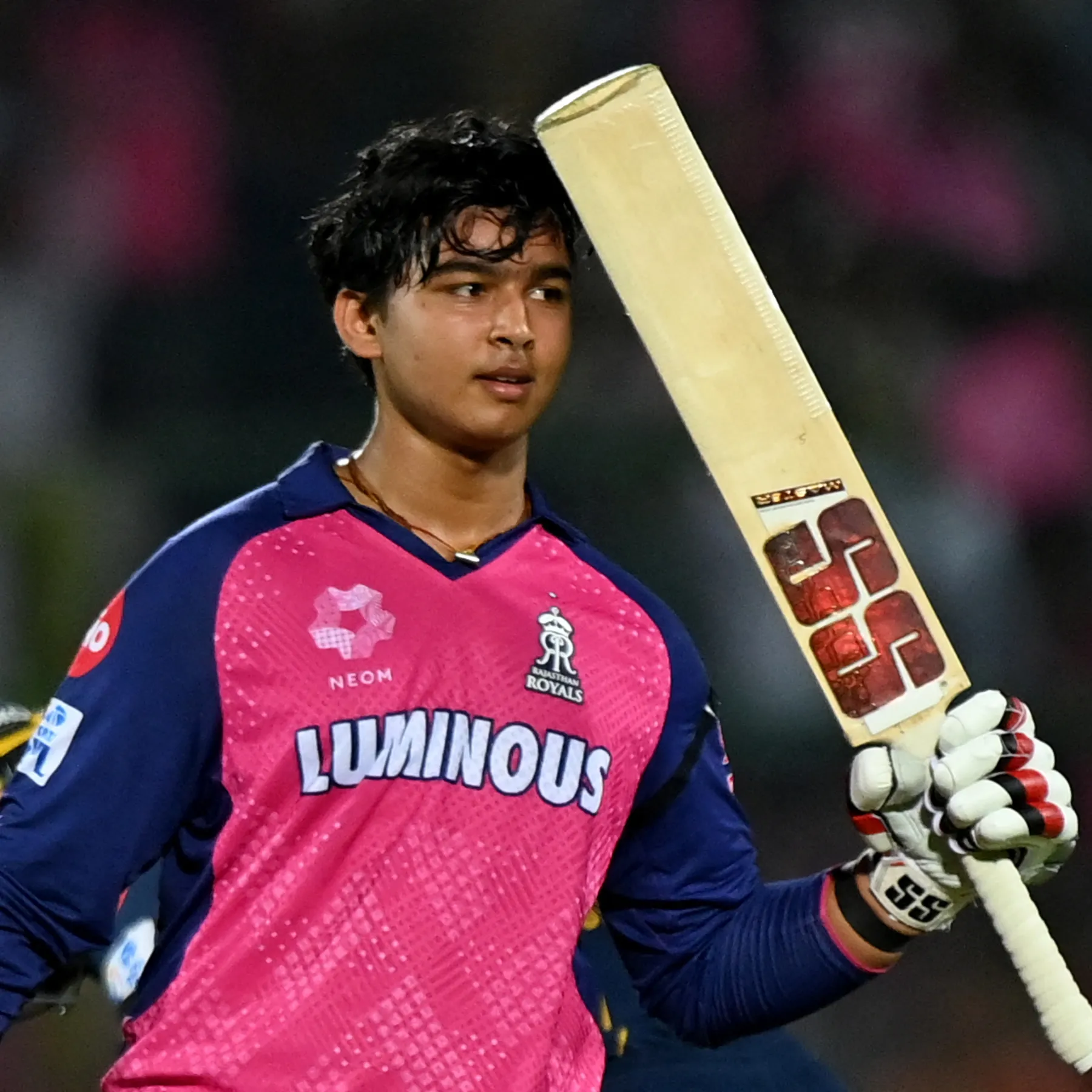
The build-up to IPL 2026 has taken an unexpected and contentious turn, with a young cricketer’s selection igniting a fierce debate that stretches beyond sport into legal, ethical, and social territory. Vaibhav Sooryavanshi, a prodigious talent whose rapid rise has captured attention, now finds himself at the centre of a controversy after a social activist threatened legal action against Rajasthan Royals, alleging that his participation amounts to child labour.
What began as a celebratory moment for emerging cricket talent has quickly spiralled into a complex public discourse, raising questions about age, professional sport, and the interpretation of labour laws in India.
The Allegation That Sparked the Debate
The controversy erupted after a social activist publicly questioned the legality of Sooryavanshi’s inclusion in IPL 2026, arguing that allowing a minor to participate in a high-pressure, commercial sporting league could violate child labour laws. The activist has reportedly threatened to file a First Information Report (FIR) against Rajasthan Royals, asserting that the franchise may be “exploiting” a young player for commercial gain.
The complaint hinges on the interpretation of Indian child labour regulations, which restrict employment of minors in certain sectors. According to the activist, professional franchise cricket—given its commercial scale, sponsorships, and intense workload—could fall into a grey area that demands legal scrutiny.
The activist has gone a step further, stating that the issue is not just about legality but also about the welfare of the player, suggesting that the demands of IPL-level cricket may not be appropriate for someone of Sooryavanshi’s age.
Ruthless with the bat, all heart with the celebration! 🫶
An outrageous 3️⃣6️⃣-ball HUNDRED from Vaibhav Sooryavanshi 👏
Updates ▶️ https://t.co/PVdpjhxVEy#TATAIPL | #KhelBindaas | #RRvSRH | @rajasthanroyals pic.twitter.com/P8Hu3eMFcG— IndianPremierLeague (@IPL) April 25, 2026
“He Is Being Exploited”: The Core Argument
At the heart of the activist’s claim is the assertion that Sooryavanshi is being “exploited.” This argument frames the IPL not merely as a sporting platform but as a profit-driven enterprise where young talent could be subjected to physical and mental stress.
The concern extends beyond match participation to include rigorous training schedules, travel commitments, media obligations, and the intense scrutiny that comes with being part of one of the world’s most-watched cricket leagues.
Critics backing the activist’s stance argue that such exposure, while potentially beneficial in the long run, may come at the cost of a child’s well-being, education, and overall development.
Rajasthan Royals Yet to Formally Respond
As the controversy gained traction, Rajasthan Royals have not issued a detailed public response addressing the legal threat. However, the franchise’s decision to include Sooryavanshi is understood to be within the regulatory framework of the Board of Control for Cricket in India (BCCI) and IPL governing guidelines.
Franchises typically operate under strict compliance norms, including age verification and contractual safeguards. This raises a critical counterpoint: if Sooryavanshi has met all eligibility criteria set by cricket authorities, can his participation truly be deemed unlawful?
The Legal Grey Area
The issue has opened up a nuanced legal debate. India’s child labour laws prohibit employment of children below a certain age in hazardous industries, while allowing participation in non-hazardous sectors under specific conditions, particularly in fields like sports, entertainment, and family enterprises.
Professional sports have historically been treated differently, often seen as a domain where early exposure is essential for elite performance. Young athletes across disciplines—from gymnastics to chess to cricket—regularly compete at national and international levels.
Legal experts suggest that the key question is whether IPL participation qualifies as “employment” under the law, or as professional training and competition. The answer to this could determine the strength—or weakness—of the activist’s case.
Precedents in Indian and Global Sport
Sooryavanshi’s case is not entirely unprecedented. Cricket, both in India and globally, has seen teenage prodigies step onto big stages. The sport has long celebrated early bloomers, with players making first-class or international debuts in their teens.
Similarly, in global sports, teenage athletes frequently compete at elite levels, including events like the Olympics. These precedents complicate the argument that participation alone constitutes exploitation.
However, what sets the IPL apart is its commercial magnitude. With massive broadcasting deals, sponsorships, and franchise valuations, the league operates as a business ecosystem as much as a sporting competition. This dual identity is precisely what fuels the current controversy.
Public Reaction: Divided Opinions
The public response to the controversy has been sharply divided. On one side are those who view the activist’s move as necessary, arguing that it brings attention to an overlooked issue—how young is too young for professional sport?
Supporters of this view believe that the glamour and financial incentives of leagues like the IPL should not overshadow concerns about a minor’s rights and welfare.
On the other side are fans and cricket enthusiasts who see the allegations as misplaced. For them, Sooryavanshi represents the dream of countless young cricketers: an opportunity to showcase talent on a global stage.
Many argue that denying such opportunities could hinder the growth of exceptional players and that structured professional environments often provide better support systems than informal setups.
The Player at the Centre
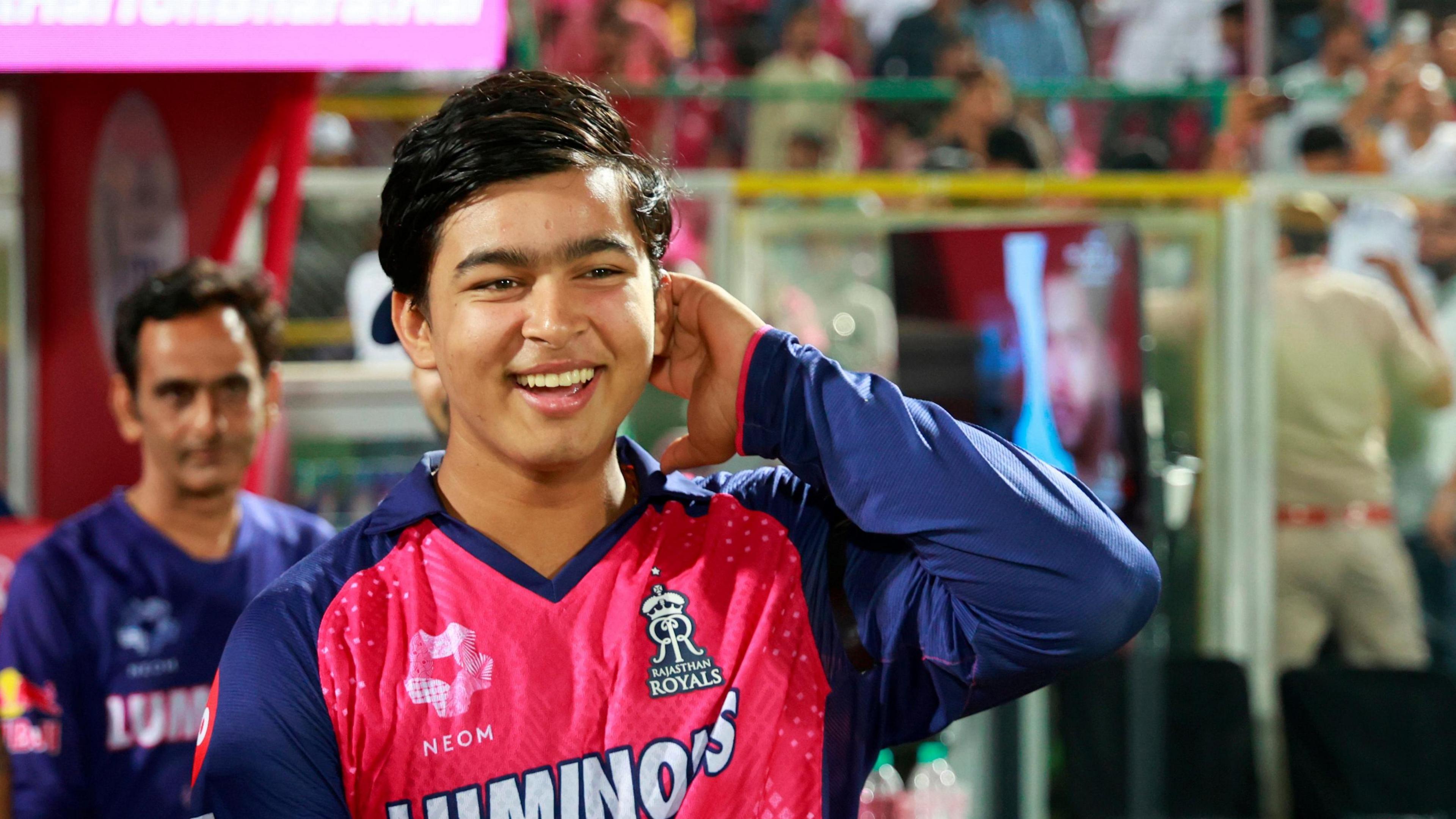
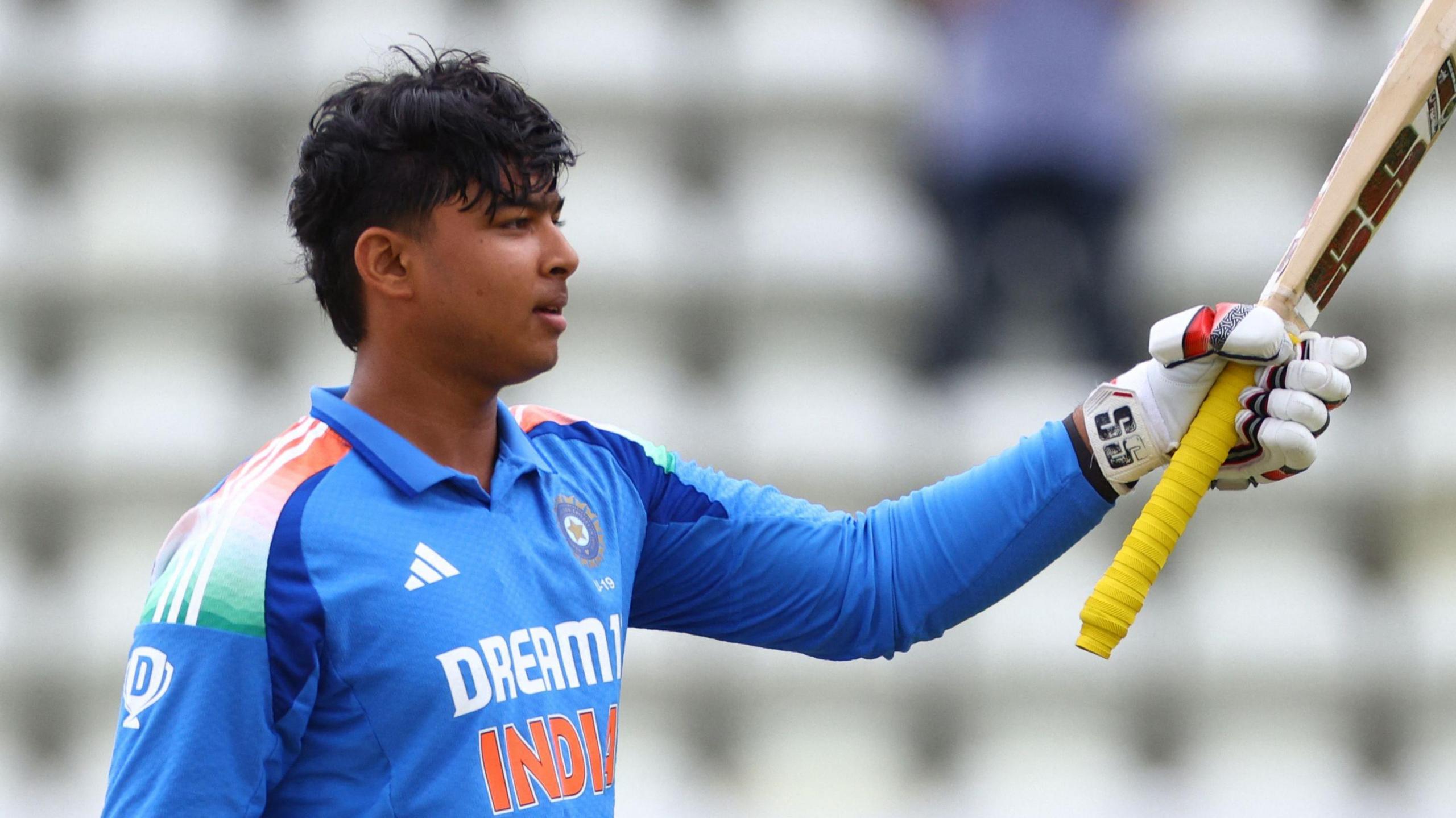
Lost amid the legal arguments and public debate is Vaibhav Sooryavanshi himself—a young cricketer whose career is just beginning. His selection in the IPL is a testament to his skill and potential, marking him as one of the most promising talents to watch.
Yet, the sudden shift from rising star to subject of legal scrutiny places him in a challenging position. The attention, while significant, is no longer purely about cricket.
How this affects his development—both as an athlete and an individual—remains to be seen.
IPL’s Regulatory Framework Under Lens
The controversy has also put the IPL’s regulatory mechanisms under scrutiny. Questions are being raised about how age-related guidelines are defined and enforced, and whether additional safeguards are needed for younger players.
The BCCI and IPL governing council may be compelled to revisit existing policies, not necessarily because they are flawed, but to ensure clarity and avoid similar disputes in the future.
This could include clearer definitions of eligibility, enhanced welfare measures, and more transparent communication around the participation of minors.
Broader Implications for Indian Sport
Beyond cricket, the Sooryavanshi episode could have far-reaching implications for Indian sport as a whole. If the legal challenge gains traction, it may prompt a re-evaluation of how young athletes are integrated into professional systems across disciplines.
Sports academies, leagues, and governing bodies may need to strike a more explicit balance between nurturing talent and safeguarding minors.
The debate also touches on a broader societal question: how should ambition, opportunity, and protection intersect when it comes to young achievers?
What Happens Next?
As of now, the activist’s threat to file an FIR has not yet translated into formal legal proceedings. However, the possibility remains, and if pursued, it could trigger a legal process that brings greater clarity—or further complexity—to the issue.
For Rajasthan Royals, the immediate challenge lies in managing the situation without derailing team preparations. For the IPL, it is about maintaining credibility while addressing concerns.
And for Vaibhav Sooryavanshi, the focus, ideally, should remain on cricket—though that may be easier said than done.
A Defining Moment
The controversy surrounding Vaibhav Sooryavanshi is more than a fleeting headline. It represents a collision of sport, law, and ethics in a rapidly evolving landscape.
Whether it results in legal action, policy changes, or simply a moment of reflection, one thing is certain: it has forced stakeholders to confront uncomfortable questions.
Is early exposure in professional sport an opportunity or a risk? Where should the line be drawn? And who gets to decide?
As IPL 2026 approaches, these questions linger—unresolved, but impossible to ignore.
With inputs from agencies
Image Source: Multiple agencies
© Copyright 2026. All Rights Reserved. Powered by Vygr Media.