 By

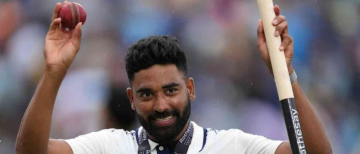
The exclusion of Indian fast bowler Mohammed Siraj from the playing XI for the first Test against New Zealand has triggered an intense political controversy, bringing the Congress and Bharatiya Janata Party (BJP) into a heated war of words. What initially appeared to be a routine team-selection decision has quickly developed into a national debate, with allegations of religious discrimination, countercharges of communal politics and questions being raised about India's bowling combination.
The controversy intensified after Congress MP Imran Masood suggested that Siraj's religious identity could be the reason behind his omission, despite the pacer's impressive performances for India. The BJP strongly rejected the allegation, accusing the opposition of unnecessarily introducing religion into cricket.
Meanwhile, several former Indian cricketers, including Sunil Gavaskar and Ravi Shastri, have questioned the decision to leave out the experienced fast bowler, adding another dimension to the growing debate.
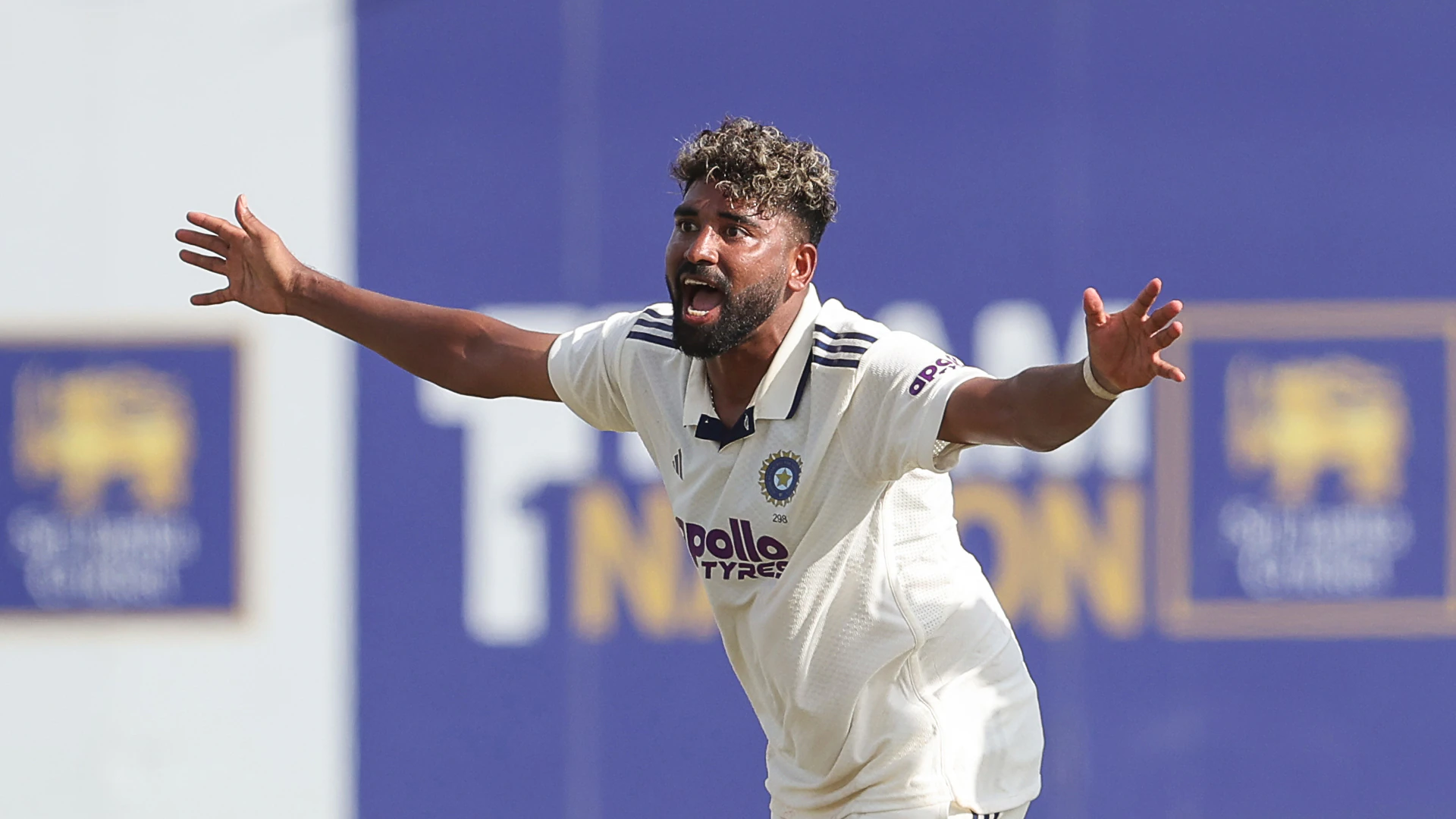
Mohammed Siraj Dropped From India Playing XI Against New Zealand
Mohammed Siraj's omission from India's playing XI for the opening Test against New Zealand on November 19, 2026, caught the attention of cricket enthusiasts and experts alike.
The first Test is being played at the Basin Reserve in Wellington, where conditions traditionally offer assistance to fast bowlers. Given Siraj's experience, consistency and ability to exploit favourable bowling conditions, his absence raised questions about the team's selection strategy.
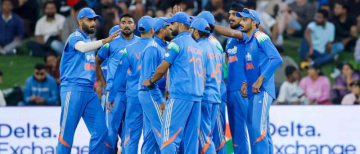
India, led by captain Shubman Gill and head coach Gautam Gambhir, opted for a four-member pace attack featuring Jasprit Bumrah, Akash Deep, Anshul Kamboj and Prasidh Krishna.
Although Siraj was part of the Indian Test squad, he did not make the final playing XI. Gurnoor Brar was also left out.
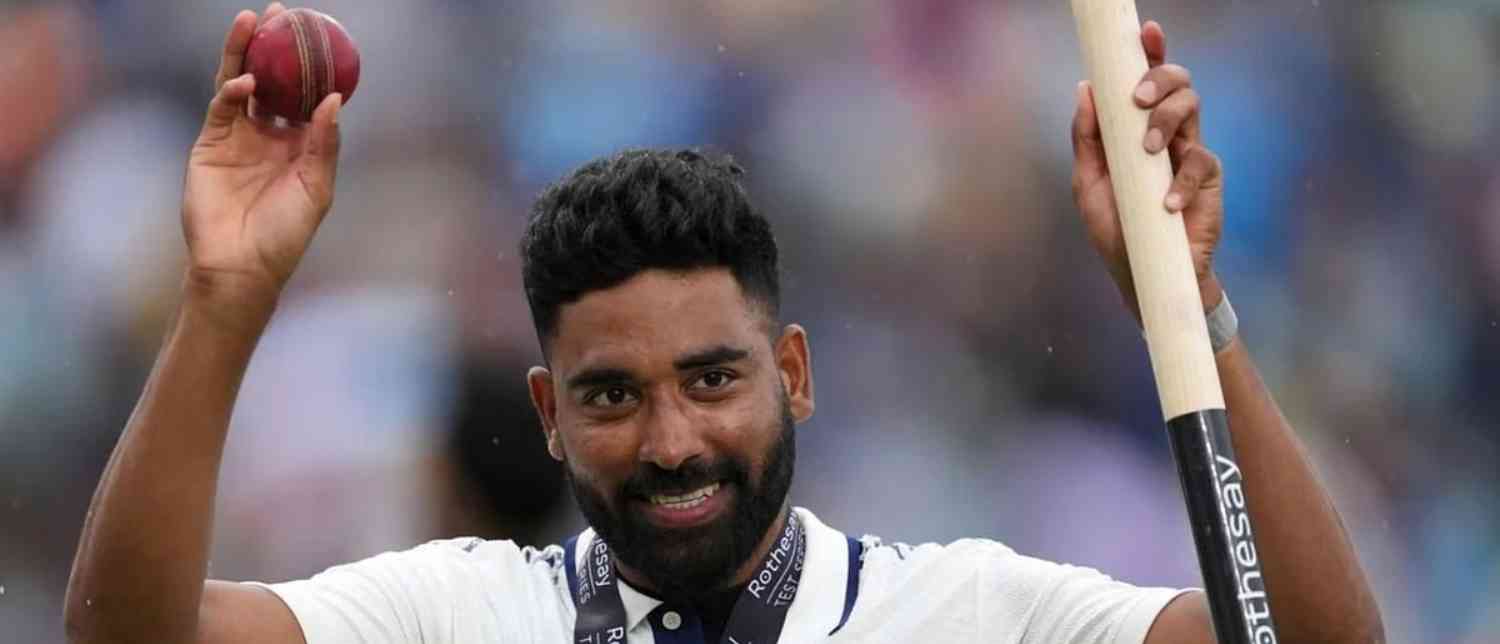
The decision attracted additional attention because Siraj has been among India's most productive Test bowlers in recent years. His performances during India's five-Test tour of England in 2025, particularly his crucial contribution at The Oval, demonstrated his ability to deliver under pressure.
According to reported statistics, Siraj has claimed 43 wickets in 11 matches in the ongoing World Test Championship cycle, making him India's leading wicket-taker during this period.
His omission, therefore, became a talking point even before the political controversy surrounding his selection emerged.
Imran Masood Alleges Religious Discrimination Against Mohammed Siraj
The political dimension of the controversy emerged after Congress MP Imran Masood questioned why Siraj had been excluded despite his performances.
Speaking to the media, Masood suggested that the pacer's Muslim identity could have influenced the selection decision. He questioned whether Siraj's name itself had become a reason for overlooking his contribution to Indian cricket.
The Congress leader maintained that if a player consistently delivers performances for the country but continues to be overlooked, the decision raises concerns about possible discrimination.
His remarks, particularly the suggestion that Siraj's name was the reason behind his exclusion, quickly attracted attention and triggered strong reactions from political opponents.
The allegation transformed a cricketing debate into a broader discussion about religious identity and equal opportunities in Indian institutions.
However, it is important to distinguish between an allegation and an established fact. No publicly available evidence has established that Siraj was excluded because of his religion.
The Congress MP's comments have nevertheless intensified scrutiny of the decision and brought the question of fairness in sports selection into the political spotlight.
BJP Hits Back at Congress Over Siraj's Exclusion
The BJP wasted little time responding to Imran Masood's allegations, accusing the Congress of using cricket to advance communal and vote-bank politics.
BJP spokesperson Pradeep Bhandari strongly criticised the Congress leader, arguing that the Indian cricket team represents the entire country and should not be divided along religious lines.
Bhandari also pointed out that Ravindra Jadeja, another prominent Indian cricketer, had been left out of the playing XI, questioning why Siraj's omission was being presented as a religious issue.
According to the BJP, selection decisions should be assessed through cricketing considerations rather than political interpretations.
BJP spokesperson Nalin Kohli also dismissed Masood's allegations, describing his remarks as communal and unreasonable. He argued that cricket team selection is determined by the requirements and priorities of the team, not by a player's religious identity.
The BJP's response was aimed at rejecting the Congress's discrimination claim while accusing the opposition of unnecessarily bringing Hindu-Muslim politics into a sporting discussion.
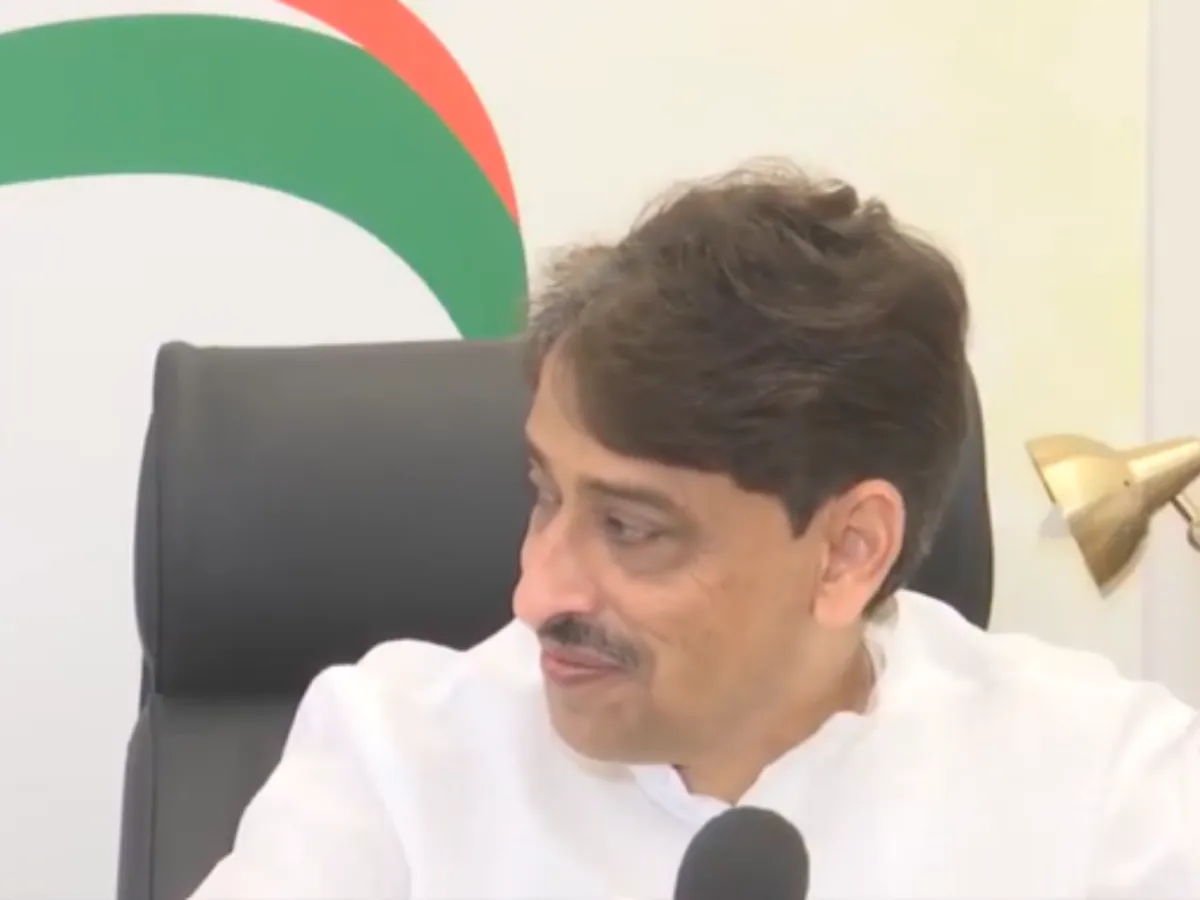
Kiren Rijiju Rejects Allegations of Religious Bias
Parliamentary Affairs Minister Kiren Rijiju also responded to the controversy, firmly rejecting allegations that players in India are denied opportunities because of their religion or caste.
Rijiju emphasised that opportunities in the country should be based on merit and that religious identity should have no role in determining an individual's prospects.
Referring to the government's broader message of national unity, he argued that political leaders should avoid creating divisions based on religion or caste.
His response reinforced the BJP's position that Mohammed Siraj's exclusion should not be interpreted through a communal lens without evidence.
NCP-SP leader Shashikant Shinde also questioned the discrimination allegation, pointing to the selection of former Indian cricketers Yusuf Pathan and Irfan Pathan as examples of Muslim players who represented the country.
He maintained that anyone making such allegations should provide supporting evidence.
Together, these reactions highlighted the political disagreement over whether Siraj's omission was being unfairly portrayed as religious discrimination.
Sunil Gavaskar and Ravi Shastri Question Siraj's Exclusion
While politicians continued exchanging accusations, the decision also attracted criticism from prominent figures in Indian cricket.
Former India captain and legendary batter Sunil Gavaskar expressed surprise over Siraj's omission, particularly considering the conditions at Wellington's Basin Reserve.
Gavaskar questioned why an experienced fast bowler with a proven ability to deliver for India was not included in the playing XI.
Former India head coach Ravi Shastri also raised concerns about the selection decision. Shastri, under whose coaching Siraj made his Test debut, questioned the absence of the Hyderabad pacer and highlighted his experience, aggression and ability to create opportunities with the ball.
Former India spinner Ravichandran Ashwin also criticised the decision, describing Siraj's exclusion as an unexpected selection call.
Their reactions are significant because they focus on the cricketing merits of the decision rather than the political allegations surrounding it.
Importantly, questioning a player's omission does not automatically establish that discrimination influenced the selection. The cricketing debate and the political allegation remain two separate issues.
Why Did India Leave Mohammed Siraj Out of the Playing XI?
Amid the growing controversy, India's team management defended its decision, maintaining that the selected combination was considered the best option for the conditions and requirements of the five-day match.
Captain Shubman Gill acknowledged that leaving out Siraj and Gurnoor Brar was a difficult decision. He explained that the team management had spent considerable time discussing the bowling combination because several fast bowlers had been performing well.
Gill also highlighted the batting capabilities of Akash Deep and Anshul Kamboj, suggesting that batting depth was one of the factors considered while finalising the playing XI.
India's batting coach Sitanshu Kotak similarly defended the selection, stating that there was nothing wrong with Siraj and that the management believed it had picked the best possible team.
Kotak further explained that the selection was made keeping the requirements of the entire five-day contest in mind, rather than focusing exclusively on the opening morning's conditions.
Another possible consideration was Siraj's recent form. His performance during India's previous Test assignment against Sri Lanka had reportedly fallen short of expectations, which may have influenced the management's assessment.
However, the team management has not indicated that religious identity played any role in the decision.
New Zealand's Strong Performance Adds to Selection Debate
The discussion surrounding Siraj's exclusion gained further momentum as New Zealand capitalised on India's bowling combination during the opening Test.
Despite initially finding themselves at 70 for five, the hosts staged an impressive recovery. Henry Nicholls remained unbeaten on 175, while Glenn Phillips contributed 118 runs, helping New Zealand reach 368 before being bowled out.
The recovery prompted further questions about whether India's selection strategy had been the right one.
Given Siraj's reputation for bowling effectively in challenging conditions, some observers questioned whether his presence could have made a difference.
However, it would be premature to conclude that his inclusion would necessarily have changed the outcome. Cricket matches are influenced by multiple factors, including execution, partnerships, pitch behaviour and individual performances.
Nevertheless, New Zealand's recovery ensured that questions about India's bowling combination remained central to the discussion.
Mohammed Siraj Controversy: Cricket Selection or Political Opportunism?
The controversy surrounding Mohammed Siraj's exclusion highlights a larger challenge in Indian public discourse: the increasing tendency to interpret sporting decisions through political and religious perspectives.
On one hand, Imran Masood has raised questions about possible religious discrimination, arguing that a player's identity should never become an obstacle to professional opportunities.
On the other hand, the BJP has maintained that the allegation is politically motivated and risks dividing a national team that represents people across communities.
There is also a separate and legitimate cricketing question: whether India's management made the right decision by leaving out one of its most experienced and productive fast bowlers.
These discussions should not be confused. A questionable selection decision does not automatically prove religious discrimination, just as dismissing an allegation as political does not eliminate the need for transparency and accountability in selection processes.
Ultimately, Indian cricket needs a selection environment in which players are judged by their performances, fitness, consistency and suitability for particular conditions.
What Happens From Here?
Mohammed Siraj's exclusion from India's playing XI against New Zealand has become much more than a discussion about team combination. The decision has triggered a political confrontation between Congress and the BJP, with Imran Masood alleging religious discrimination and BJP leaders strongly rejecting the charge.
Meanwhile, the criticism from Sunil Gavaskar, Ravi Shastri and other cricketing figures has kept the focus on the actual sporting decision.
For now, India's team management maintains that the selected combination was based on cricketing requirements. The allegation of religious bias remains unsubstantiated by publicly available evidence.
As the India vs New Zealand Test series progresses, attention will remain on the team's performance, selection strategy and Siraj's future opportunities.
One thing, however, should remain beyond political debate: representing India should be about talent, dedication and performance, irrespective of a player's name, religion or background.
© Copyright 2026. All Rights Reserved. Powered by Vygr Media.