 By

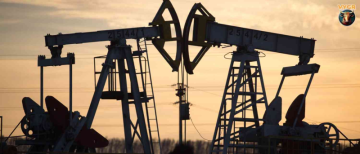
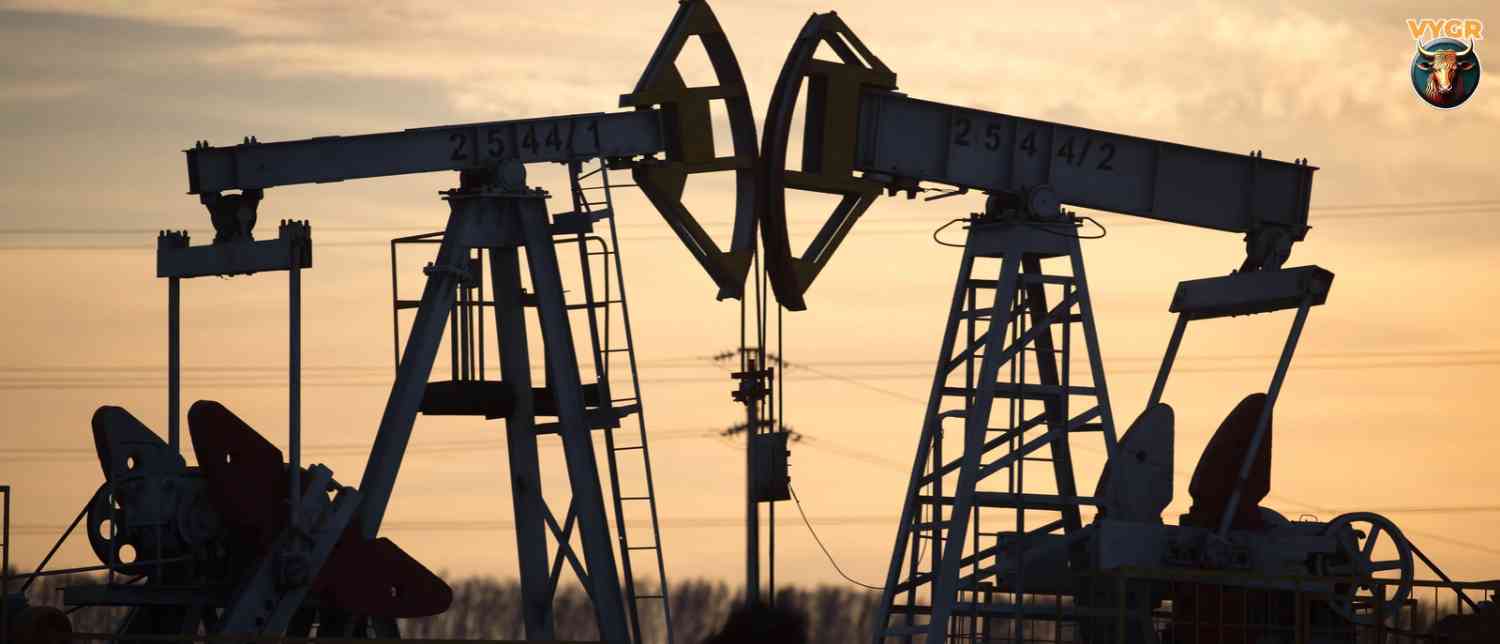
The world's most powerful oil alliance has hit a wall. At its latest meeting, OPEC+ failed to settle its oil production policy for 2027 after Iraq challenged the group's long-awaited review of how much oil each member can actually pump. The result is an alliance heading into a year of uncertainty without a clear annual plan, while war disruptions in the Middle East and fears of a coming oil surplus add to the pressure.
What Happened at the Meeting
OPEC+ had planned to use its first-ever review of members' production capacity to help set output targets for next year. That plan stalled on Sunday when Iraq disputed the findings, and delegates described the talks as complicated.
The group did keep its current output targets unchanged, and delegates said they would be maintained for the first quarter of 2027. But the official statement did not list any quotas for 2027, which leaves the bigger question unanswered.
The seven core members who spent much of this year raising output in monthly steps also met. They announced no new targets for 2027 either, and will continue their consultations through a panel that meets once every two months.
Why Iraq Objected
At the centre of the dispute is a number. The preliminary review reportedly assessed Iraq's production capacity at 4.9 million barrels per day. Baghdad argues that this is too low, and has put its own figure higher, at about 5.2 million barrels per day.
The stakes are clear. In OPEC+, quotas are linked to capacity, so a lower capacity figure can mean a smaller share of future output. Iraq has also warned that it may leave the group if its quota is not raised. Kazakhstan has also reportedly said that the findings understate its capacity.
One market observer summed up the problem by noting that the review was always going to be a political minefield, and that the need for further consultations shows how hard it is to reconcile competing national interests.
What Happens Next
OPEC+ has put off the big decisions rather than resolve them.
- Further talks: Some members asked for more discussions with the consultants handling the review by the end of March.
- A new deadline: The group said it will set output targets for the "subsequent period" using the capacity findings at its next meeting in June 2027, or earlier if market conditions allow.
- Status quo in the meantime: Current targets stay in place through the first quarter of 2027.
An Alliance Under Strain
This is not the first sign of cracks. Earlier this year, the United Arab Emirates left both OPEC and OPEC+ in May, after years of arguing that its quota was too low, so that it could pump more oil. Angola quit OPEC at the start of 2024. Now Iraq is threatening to do the same if its quota is not raised.
The group is also dealing with outside pressure. The United States, a rival producer, continues to benefit from divisions within the alliance, and pressure from Washington has added to the tension among members.
The Iran War Complicates Everything
The war with Iran, which began in late February, has upended the oil market and made planning almost impossible. Flows through the Strait of Hormuz, a route that normally carries around a fifth of the world's oil, have been badly disrupted and have not yet returned to normal. Russia's deputy prime minister has said that OPEC+ sees the market as unstable for that reason.
The disruption has also blunted OPEC+'s own decisions. The group raised its targets through much of 2026, but many Gulf producers could not actually pump more. Output from the seven core members in August was still around 5 million barrels per day below pre-war levels. In other words, the war, not the quota table, has been deciding how much oil reaches the market.
Prices: From Spike to Surplus Fears
The year has been a roller coaster for oil prices. Brent crude jumped from about $73 before the war to above $100 a barrel, with an intraday high of $126 in late April. More recently, prices have eased as Gulf exports increased and expectations of a crude surplus in 2027 returned.
That is exactly the problem for OPEC+. If supply recovers and the surplus arrives, the group will need a clear and credible policy to keep the market in balance. Entering that moment without agreed targets, and with members arguing over shares, makes the task much harder.
Why It Matters for the World, and for India
For the global economy, OPEC+ decisions affect fuel prices, inflation, and growth. A fractured alliance can mean more volatility, with prices reacting sharply to every sign of disagreement or exit.
For oil-importing countries such as India, which depends heavily on imported crude, the stakes are high. Lower prices from a surplus would help the import bill and inflation, while a sudden spike from further disruption would do the opposite. Uncertainty over OPEC+ policy adds another variable to an already unpredictable picture.
What to Watch
- Iraq's next move: Whether Baghdad accepts a revised assessment, or follows through on its warning about leaving.
- The March talks: Whether further consultations with the consultants narrow the gap between members.
- The Strait of Hormuz: How quickly flows return to normal, which will shape both supply and the size of any surplus.
- Other disputes: Whether Kazakhstan or other members push back as well.
- The June 2027 meeting: The next major chance to settle output targets.
Final Word
OPEC+ has bought itself time, but not an answer. By holding output steady into early 2027 and pushing the big decisions to the middle of the year, the group has avoided an immediate rupture. Yet the underlying disputes over capacity, quotas and loyalty remain, and they will not go away on their own.
With war still disrupting supply and a surplus looming, the alliance faces one of its hardest tests in years. How it handles Iraq's challenge will show whether OPEC+ can still hold together as the world's most influential oil group.
© Copyright 2026. All Rights Reserved. Powered by Vygr Media.